São Miguel in the Azores is a hidden gem for digital nomads looking for a mix of remote work opportunities and breathtaking nature. I’ve visited more than 60 countries and was wowed like 50 times a day.

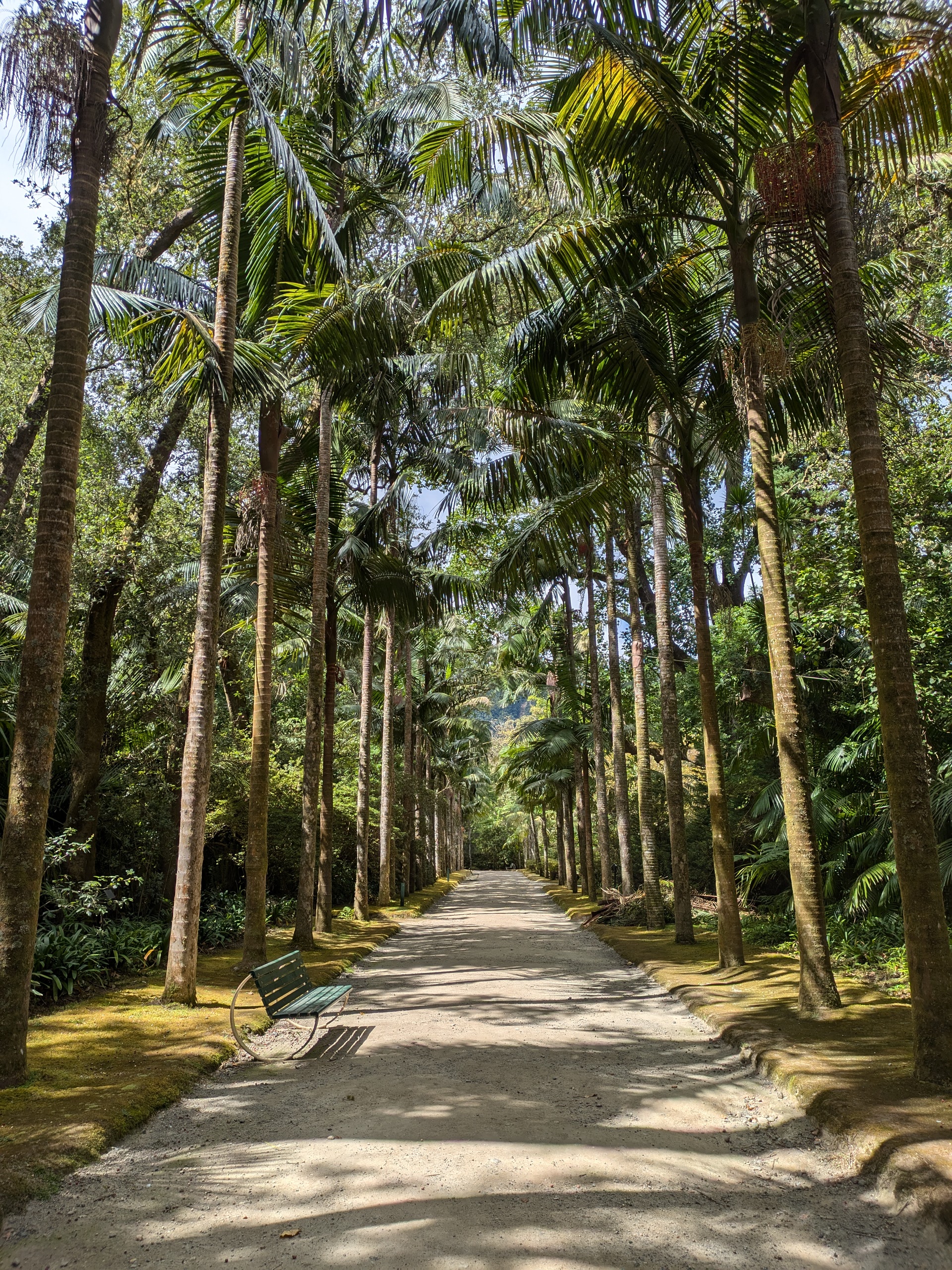
Key aspects for digital nomads
If you love hiking, nature, and beaches, enjoy gazing at the ocean or rainbows, and appreciate mild, non-humid temperatures, the Azores are perfect for you.
- Cost of living: €900-€1,500 per month.
- WiFi reliability: Generally reliable in towns like Ponta Delgada; slower in more remote areas.
- Language: Portuguese is the official language, but English is widely spoken in tourist areas.
- Food: Vegetarian options are available, but vegan options are limited. Cooking at home is recommended for more variety. Prices vary from 5 Euro for a delicious (veggie) cheeseburger at a food truck to 18 Euro for roasted cauliflower at a beach view restaurant.
- Accommodation costs: Dorms from $20, private homes from €60 per night.
- Getting there: International flights to Ponta Delgada on Sao Miguel. Fly direct from Brussels Charleroi with Ryanair (4-hour flight) or Lisbon.
- Getting around: A small rental car or a (strong engined) scooter is highly recommended.
- People: Generally welcoming, though they can sometimes seem reserved. Many locals who moved to Canada often return for vacation.
- Gyms: Available in larger towns, especially Ponta Delgada.
- Visa: Schengen visa for 90 days.
- Personal recommendation: São Miguel is ideal for digital nomads who love outdoor adventures, slower living, and the tranquility of island life. It’s not the bustling tech hub some might expect, but that’s part of its charm.
Best places to live, work, and party
With its lush landscapes, volcanic craters, and stunning ocean views, São Miguel offers both tranquility and adventure. The island is small enough to explore through a series of day trips by rental car. While São Miguel isn’t known for a lively party scene, Ponta Delgada has some nightlife. Locals enjoy small folk festivals and often travel to other islands to take part in traditional celebrations.
Working on São Miguel: Lagoa
To maximize your experience, staying in a central but quiet location like Lagoa is best. This makes it easy to take day trips around the island while enjoying serenity.
- Café recommendation: A Colmeia Café. It offers a cozy atmosphere, strong WiFi, and plenty of seating, making it ideal for digital nomads. Plus, their selection of pastries and coffee is perfect for a productive day.
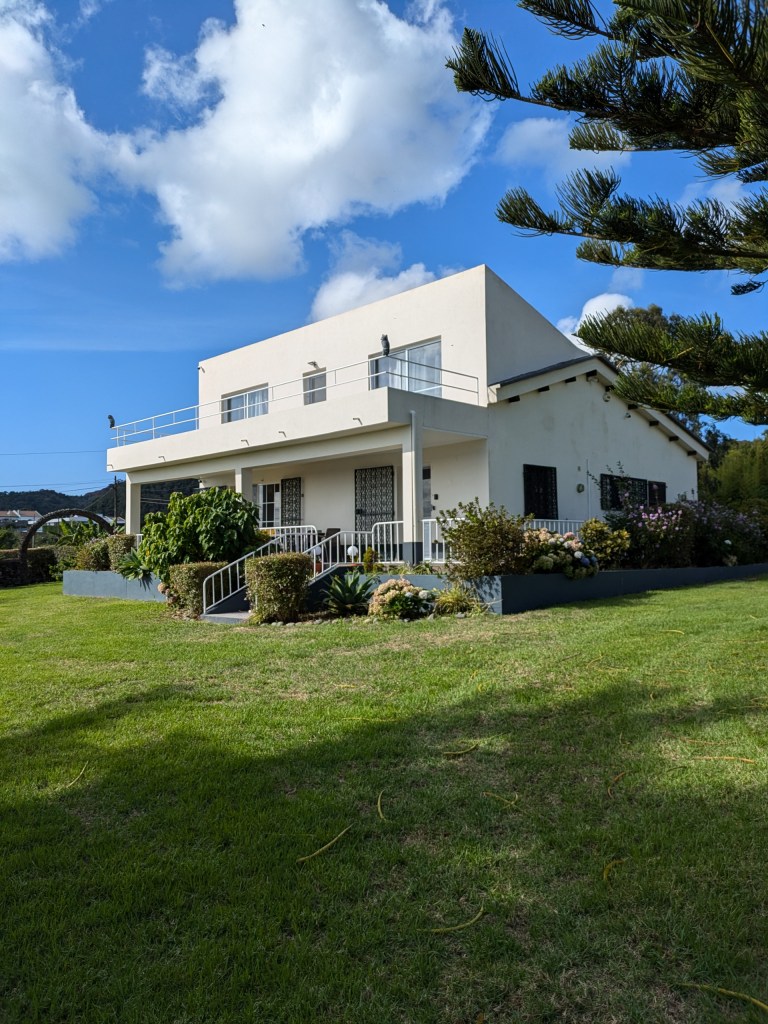
- Accommodation: I recommend staying at Vivenda (A) if you’re traveling with friends or have some extra cash to spend. This spacious holiday home offers incredible views and a peaceful garden – a perfect retreat after a day of exploration.


Exploring central São Miguel
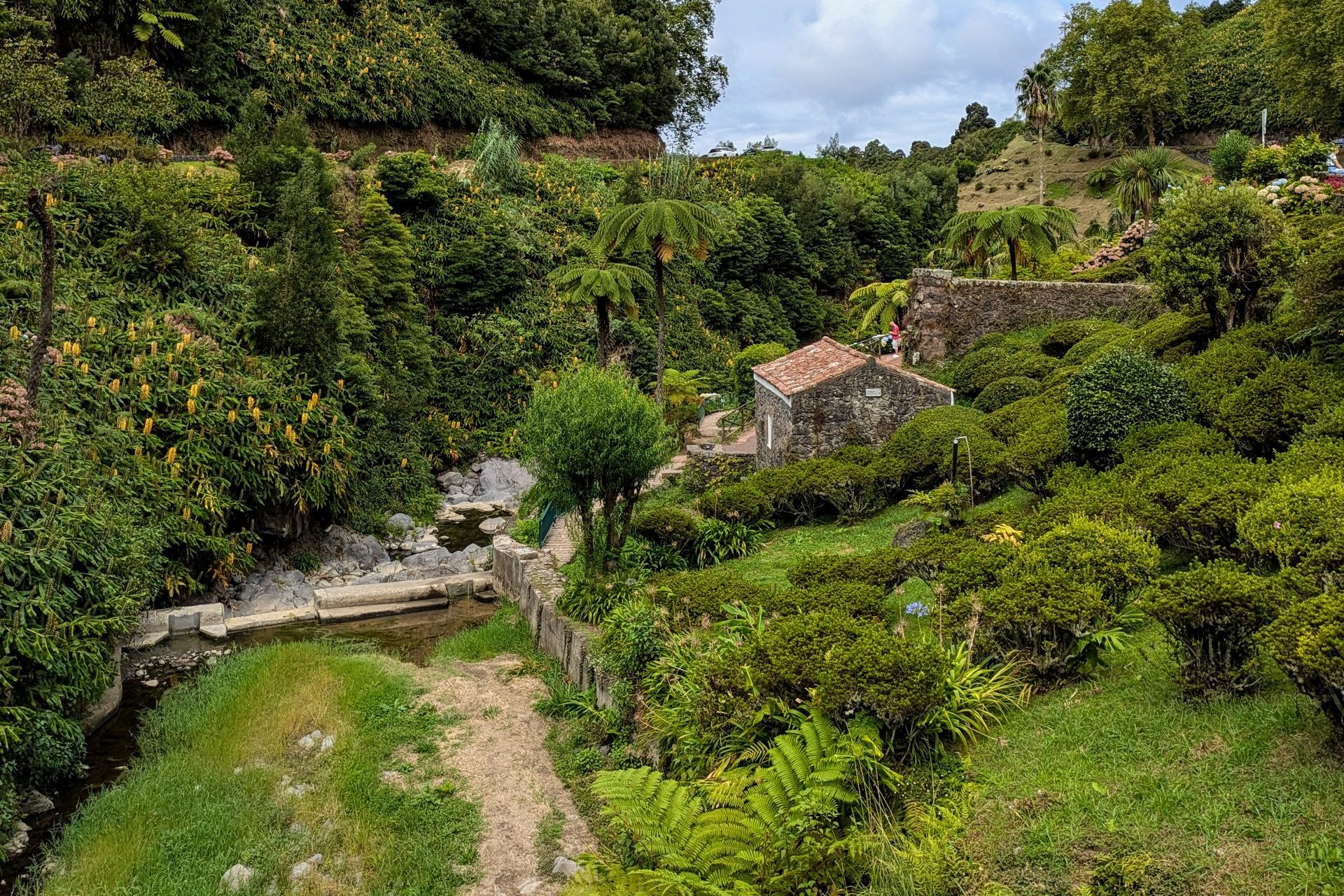
Lagoa do Fogo and Miradouro do Pico da Barossa:
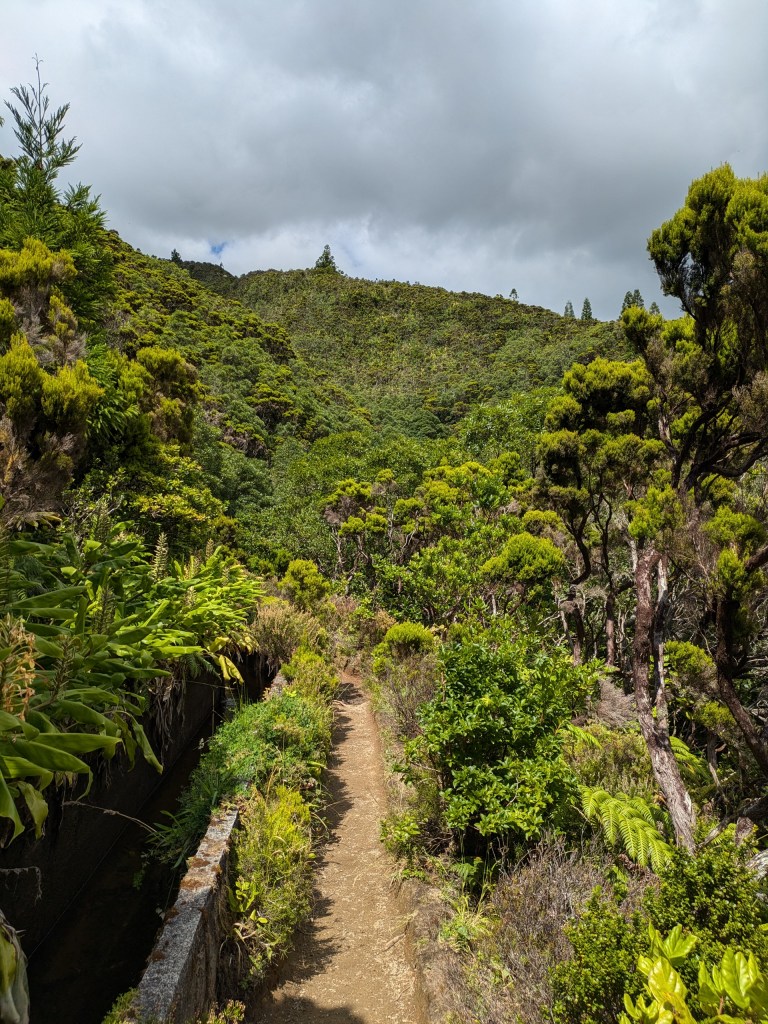
The Lagoa do Fogo trail is an 11 km roundtrip hike, which takes about 4 hours. Starting from the trailhead near Água d’Alto, the hike takes you through farmlands, dense forests of Japanese Cedar, and offers panoramic views of the Ribeira da Praia valley.
The hike involves about 300 meters of elevation gain, and the steep paths require caution, especially on muddy sections. Every part of the hike offers something unique, and the breathtaking views make it well worth the effort.

Miradouro de Santa Iria:
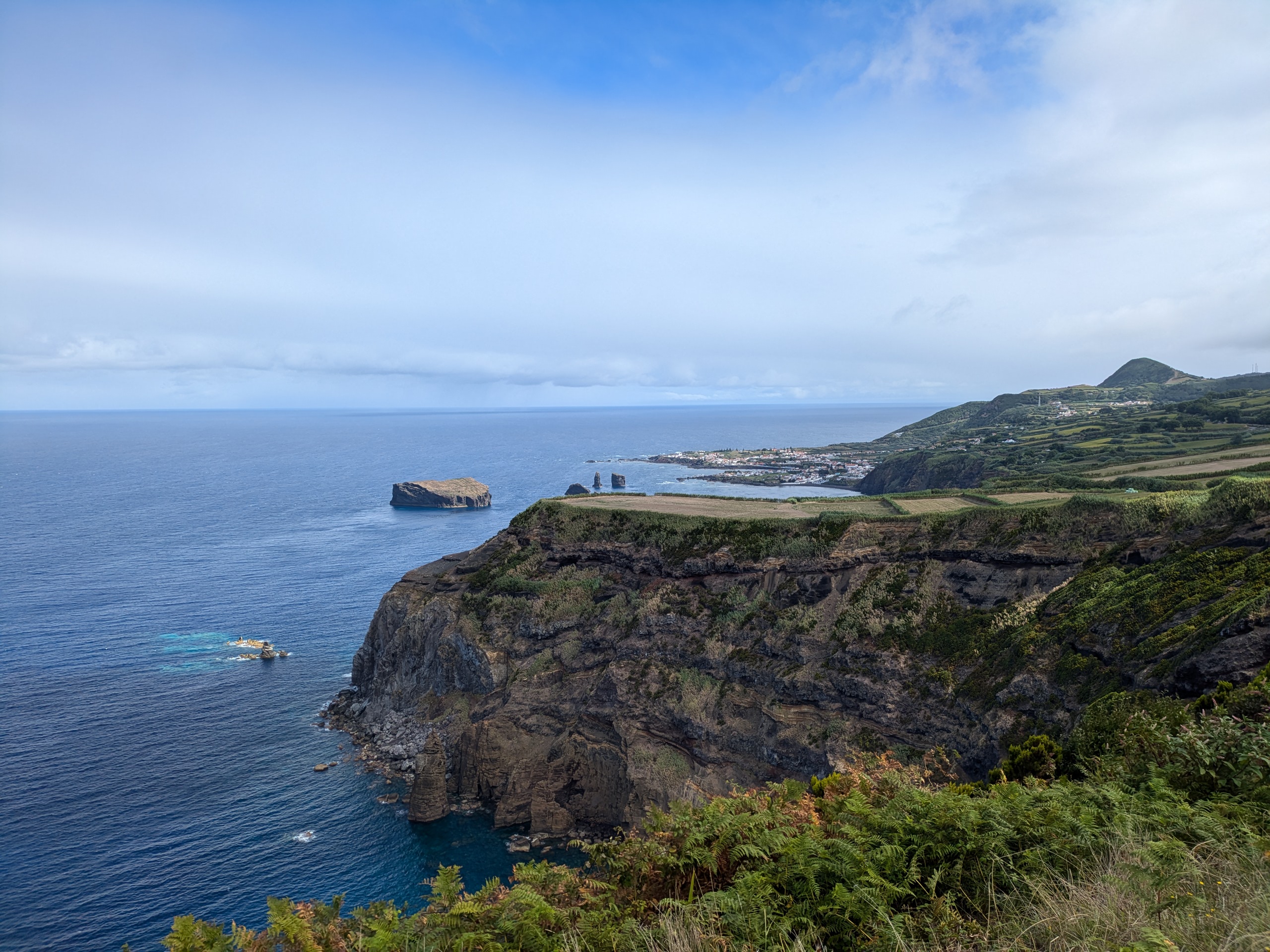
This viewpoint offers stunning views of the coast and provides picnic and BBQ spots, making it an ideal lunch stop. It’s easily accessible by car.
Furnas:
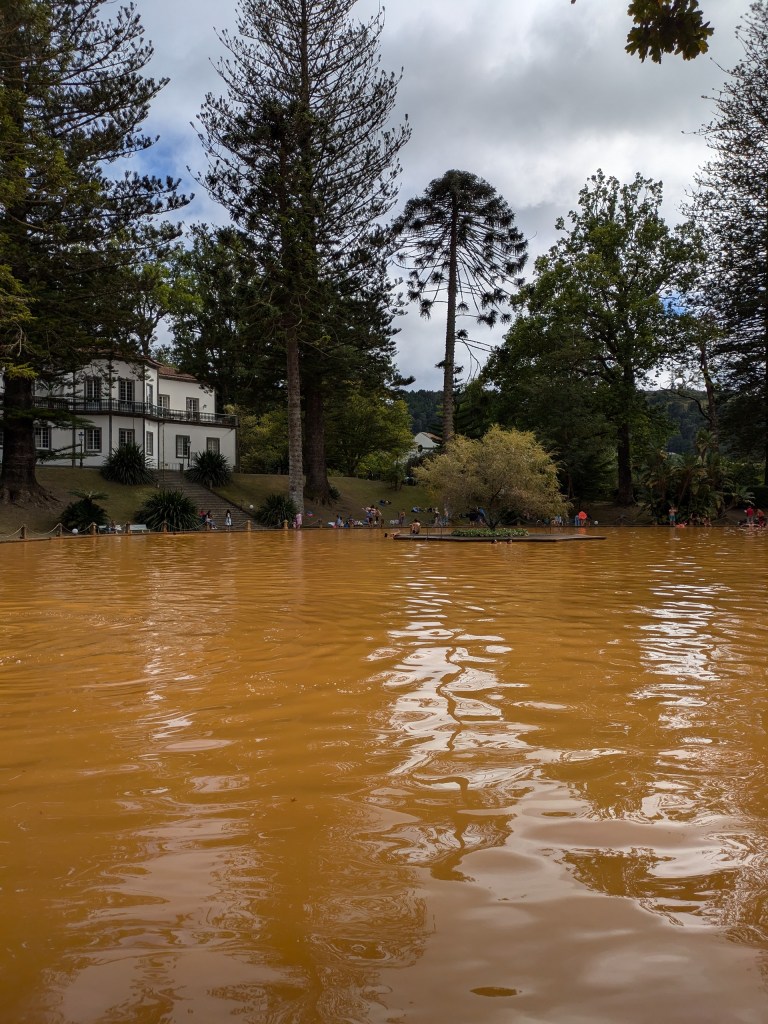
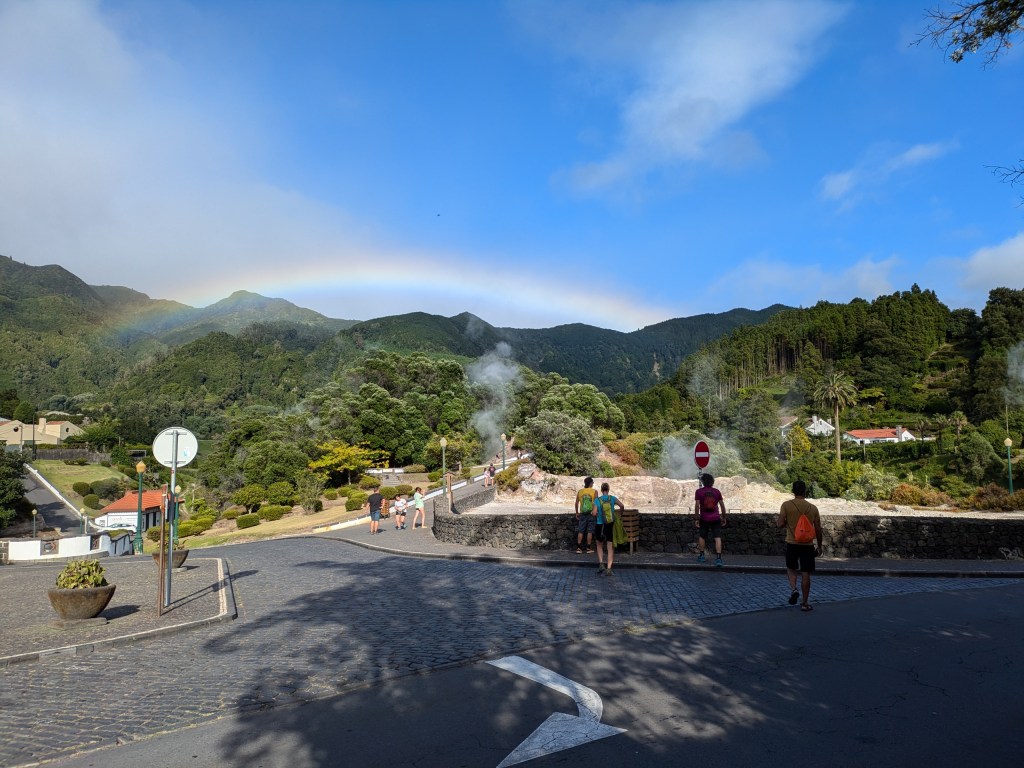
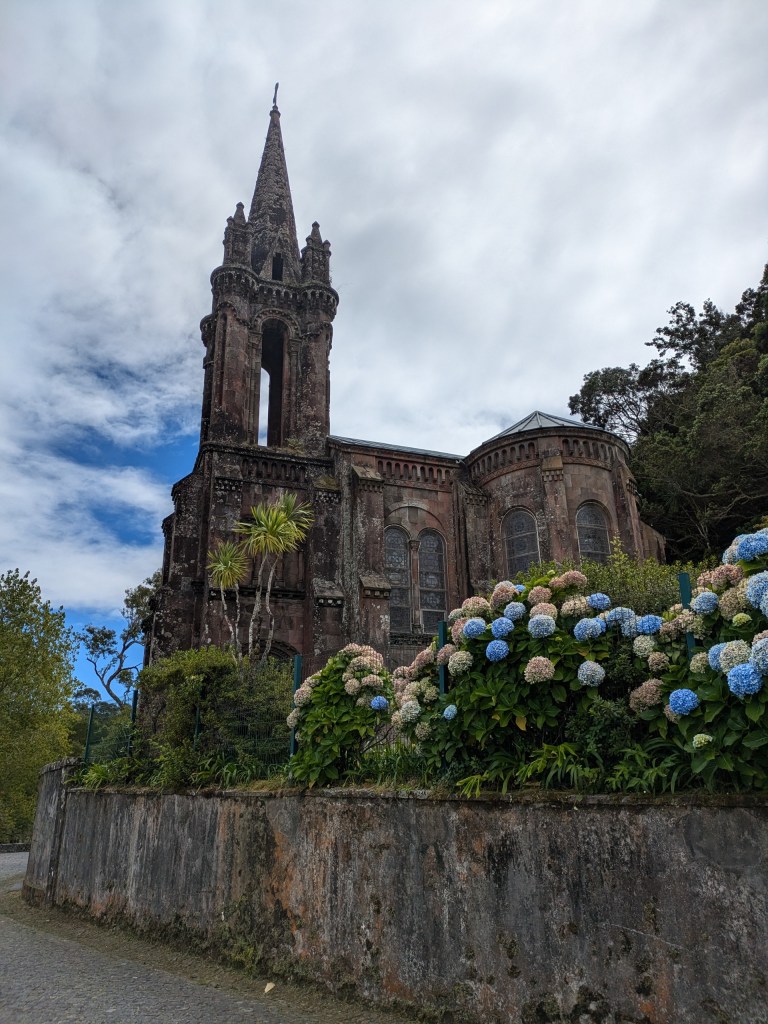
At Parque Terra Nostra, you can enjoy the famous botanical gardens and hot springs. For a different experience, visit Poca da Dona Beija at night (reservations recommended) for a relaxing dip under the stars. Don’t miss the Caldeiras geothermal area for traditional “Cozido” stew, cooked underground.
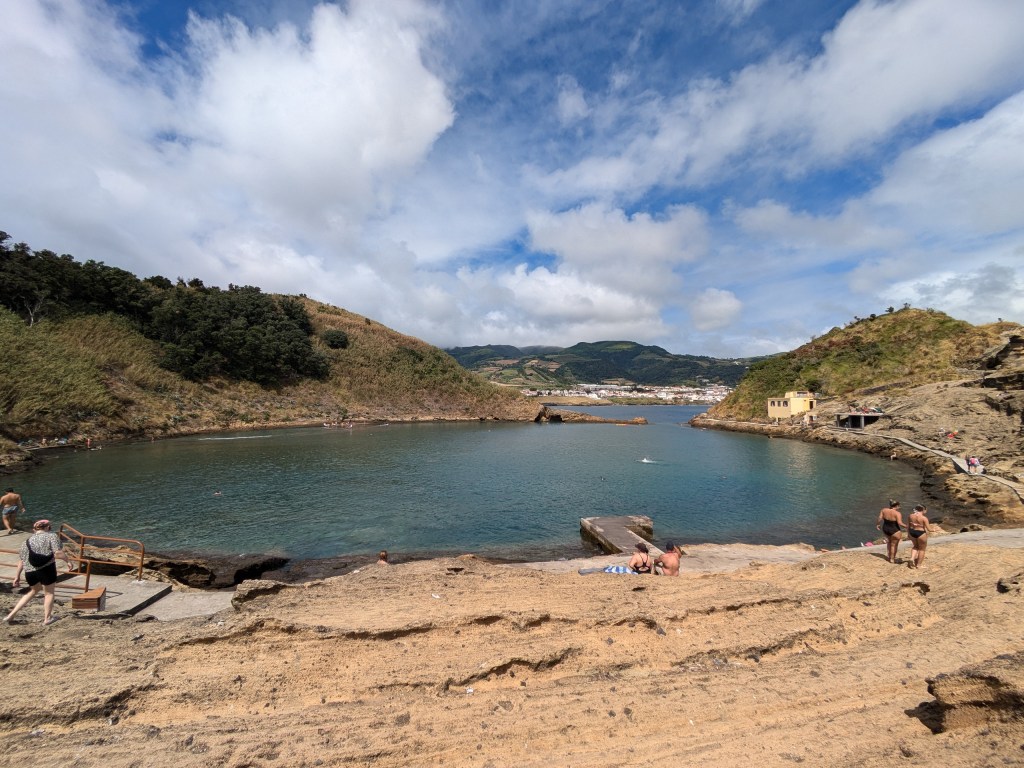
Ilhéu de Vila Franca do Campo: This volcanic islet near Vila Franca do Campo is known for its clear waters and natural lagoon, perfect for swimming and snorkeling. The islet is accessible via a boat ride from the marina in Vila Franca, with a maximum of 400 visitors allowed daily. You can book your boat trip through the official site: https://bilheteira.cnvfc.net/. It’s an ideal half-day escape for those seeking a peaceful nature experience.
East São Miguel
The eastern region of São Miguel offers a quieter, more secluded experience compared to other parts of the island, making it ideal for those seeking tranquility and scenic beauty.
- Miradouro do Salto da Farinha:
- A beautiful viewpoint leading to a waterfall. The full hike is rewarding, but it’s best to check if the waterfall is flowing before hiking all the way down, as it can be dry at times.
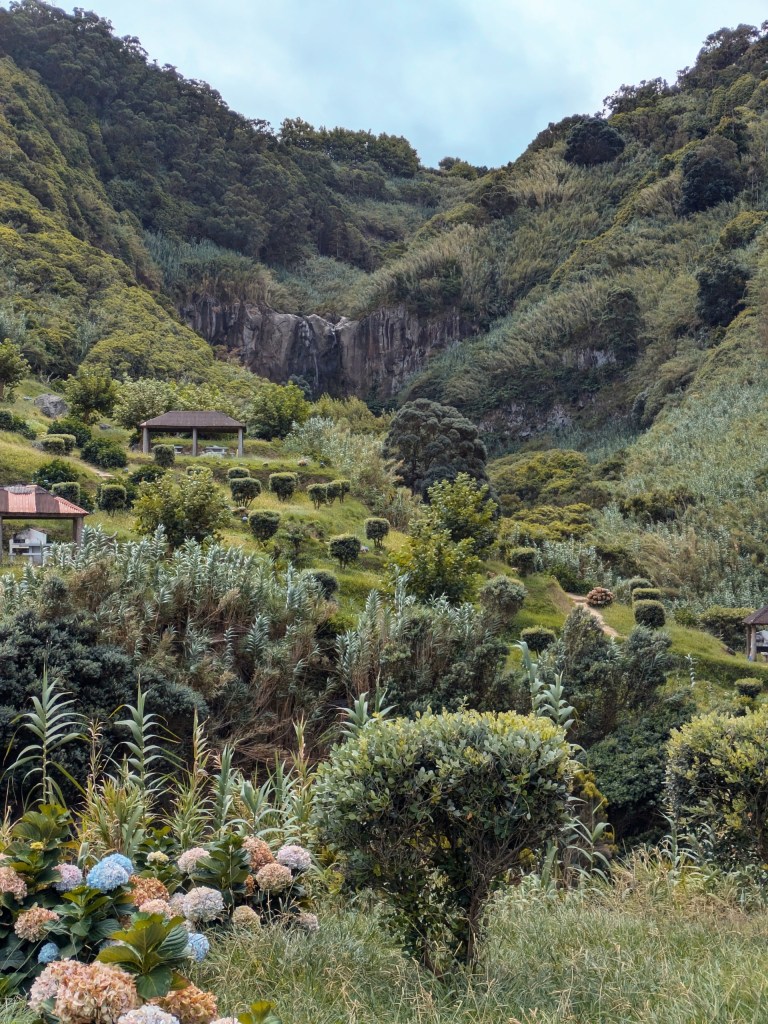
- Cascata da Ribeira dos Caldeirões:
- This spot is a bit busier but has a beautifully maintained garden and easy access. It’s perfect for a short, scenic stop.
- Praia do Lombo Gordo:
- A hidden, deserted beach accessible by a 10-minute steep hike down from the road. It’s a great spot to relax in peace, especially on a sunny day.
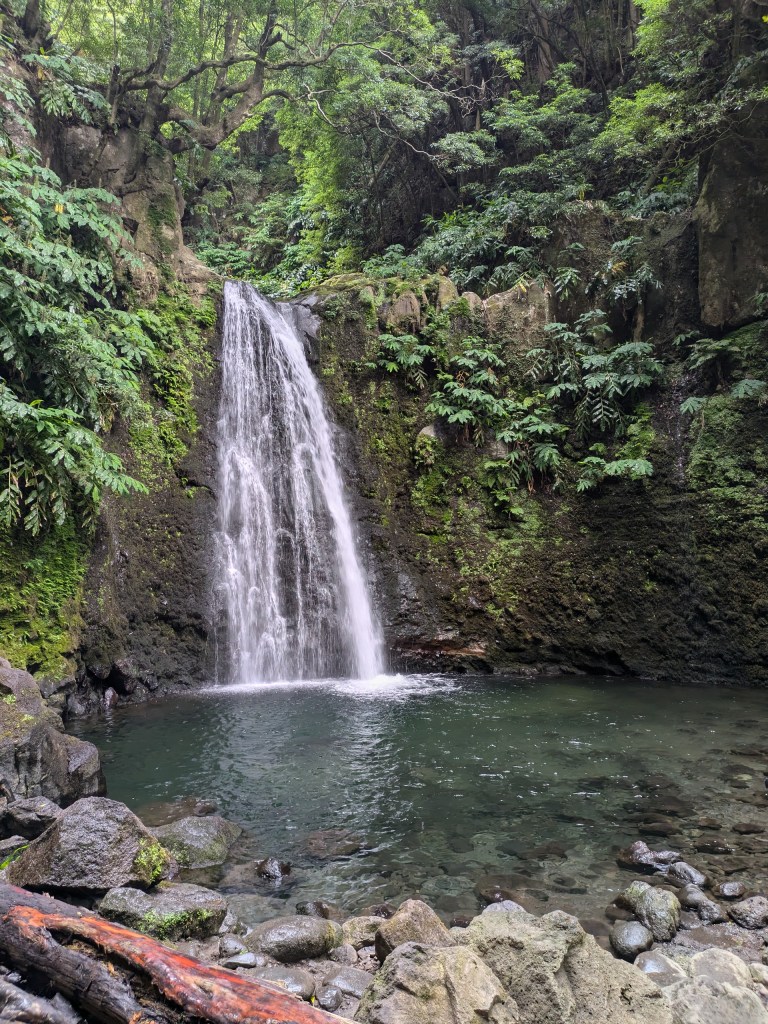
- Salto do Prego:
- A 4.5 km (roundtrip) hike that takes about 2 hours through lush forest to reach the popular Salto do Prego waterfall. Along the way, you might encounter wild chickens, so it’s a fun idea to bring some old bread to feed them. You’ll pass through the village of Faial da Terra, and the trail involves 250 meters of elevation gain.

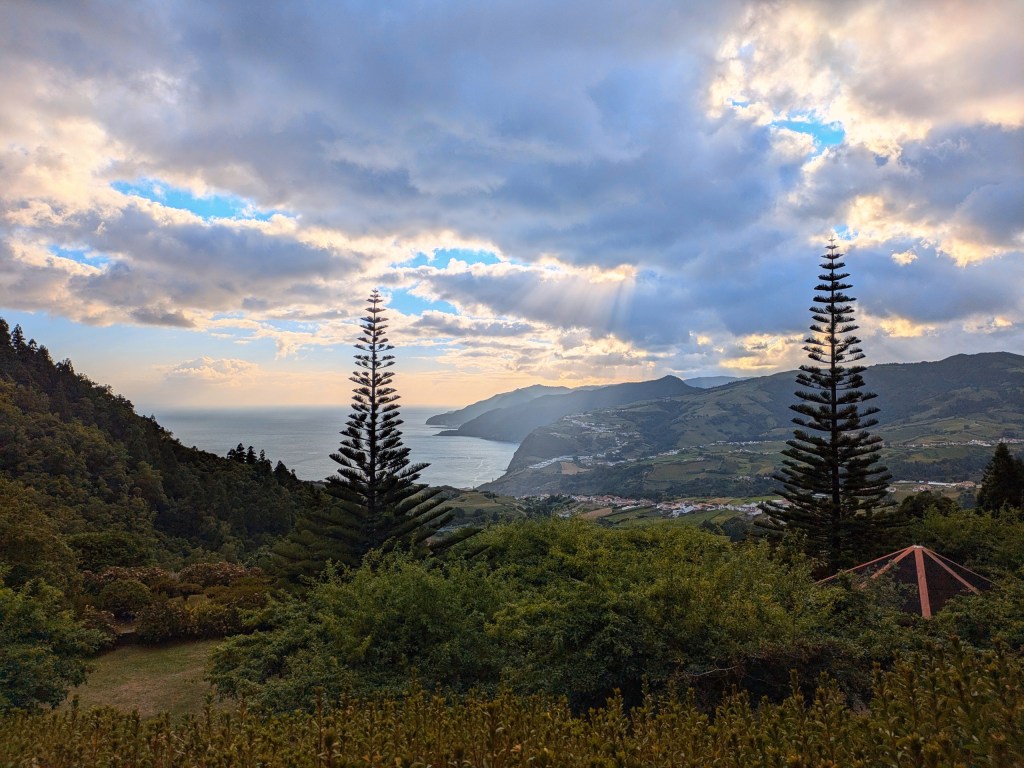
West São Miguel
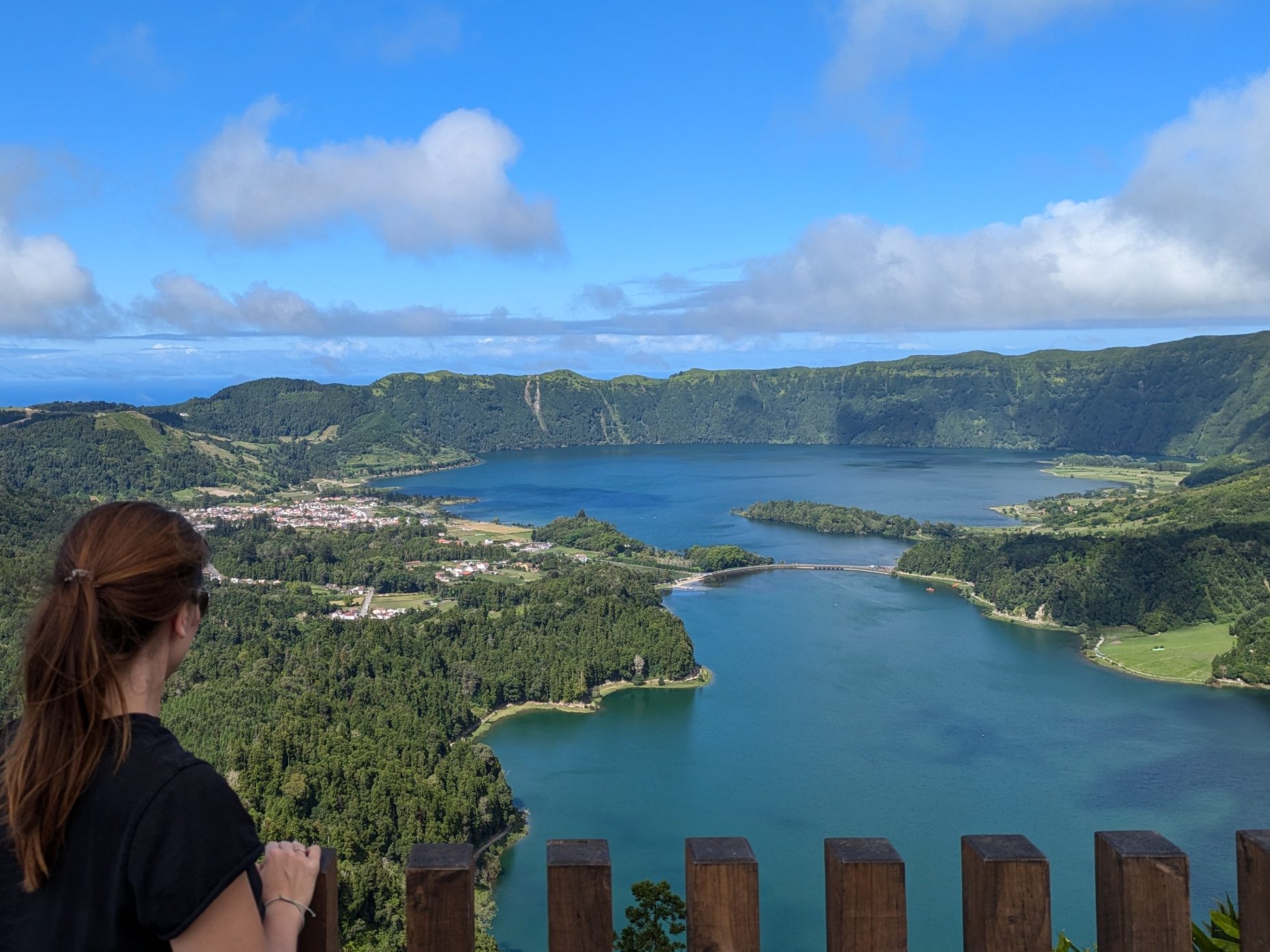
The western region of São Miguel is home to some of the island’s most iconic landscapes, most notably the famous twin lakes of Sete Cidades. This area is perfect for exploring lush volcanic craters, dramatic coastlines, and picturesque villages.
Miradouro da Vista do Rei: This viewpoint offers the classic, postcard-perfect view of the twin lakes—one blue, one green—set in the massive volcanic caldera. It’s the most famous viewpoint in São Miguel and a great spot for photos.
Hike the Sete Cidades Loop (PR3SMI): This popular hike loops around the caldera and provides breathtaking views of the twin lakes—Lagoa Azul and Lagoa Verde. It’s a moderate hike of about 12 km and takes around 3-4 hours to complete. The elevation gain is about 350 meters, making it accessible but still rewarding. Along the way, you’ll pass several viewpoints like Vista do Rei and Miradouro da Boca do Inferno, with stunning views over the volcanic crater and lakes.
- Pro tipp: If the top at Vista do Rei is clouded just wait 1 hour. Weather changes quickly.
King’s Abandoned Hotel: Located near Miradouro da Vista do Rei, this abandoned hotel offers both a unique historical site and stunning panoramic views. Visitors can explore the eerie ruins of the hotel while soaking in the surrounding scenery.
Lagoa de Santiago: Just a short drive from Sete Cidades, this lesser-known lake is nestled within a crater and is surrounded by lush forest. It’s a serene spot for a peaceful walk or a picnic away from the more crowded areas.
- For a shorter option, consider a combination of Lagoa de Santiago and the trail to Vista do Rei. This route is more relaxed and offers great views with less strenuous effort. You’ll enjoy the serene surroundings of Lagoa de Santiago, followed by a panoramic view from Vista do Rei. The trail is roughly 6 km and takes about 2 hours.
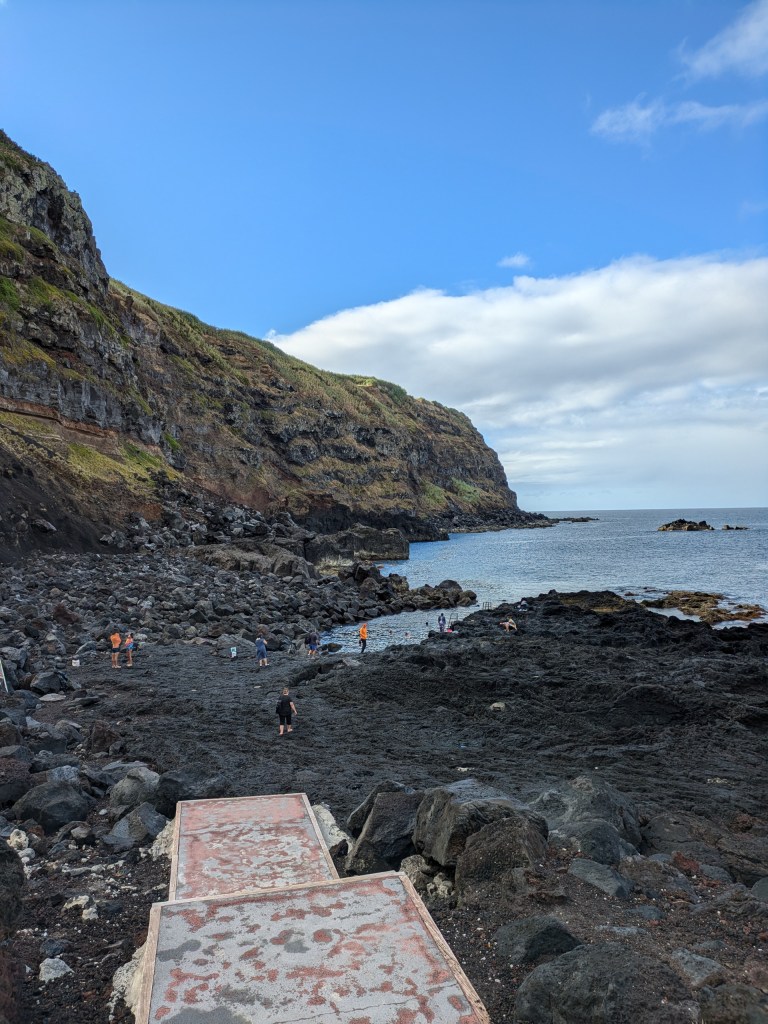
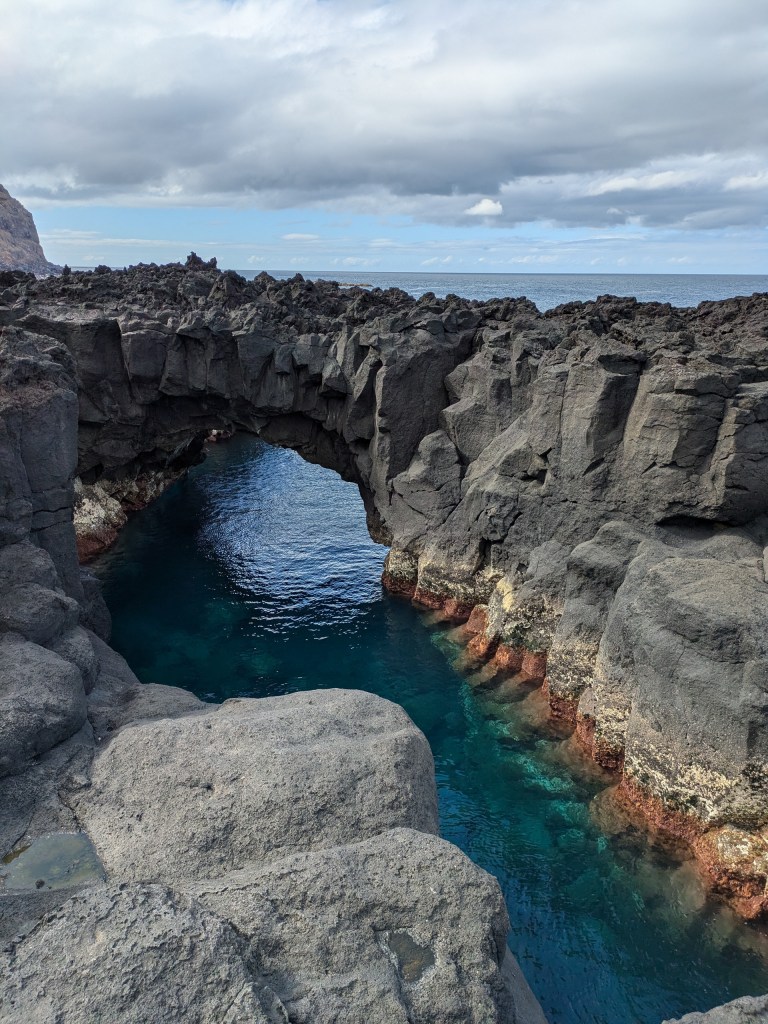
Ponta da Ferraria: Though slightly farther west, Ferraria is a must-visit spot. Here, you can take a dip in the natural thermal pools, which are heated by volcanic activity. Make sure to visit at low tide when the temperature is just right for a soak.
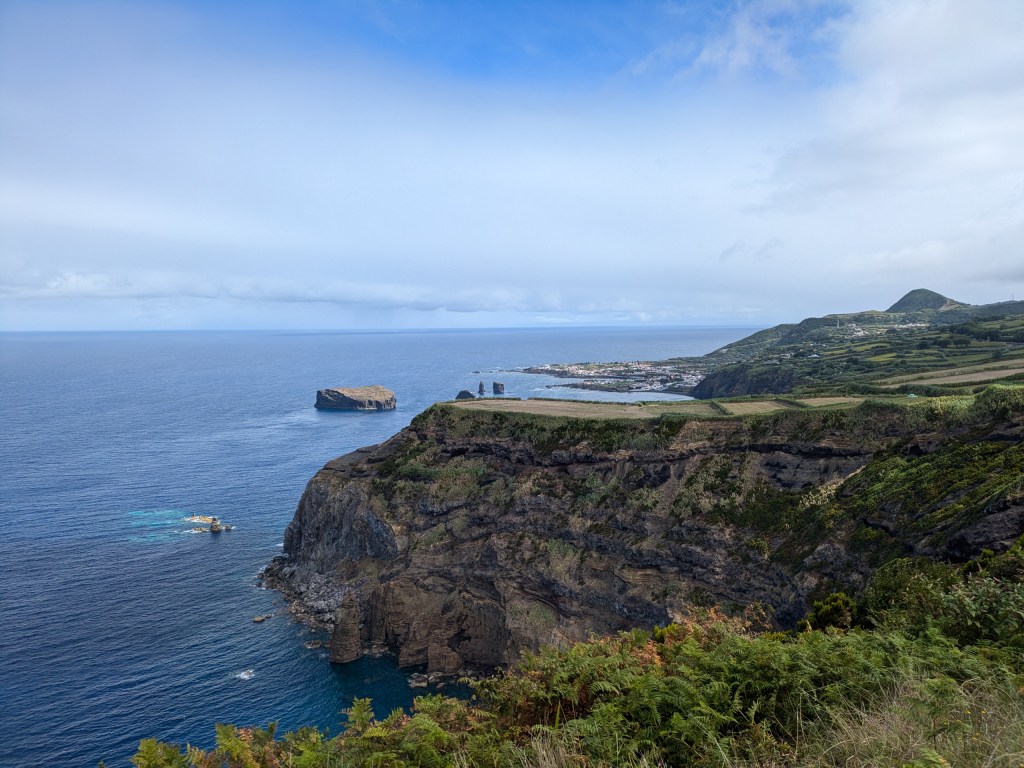
The center: best combination of living and working
For me, staying centrally in São Miguel is the best way to live and work. You’re never far from a café or coworking space in Ponta Delgada, but you also have easy access to nature and the island’s many miradouros (viewpoints). It’s perfect for digital nomads who want the best of both worlds.
Best times to travel Azores
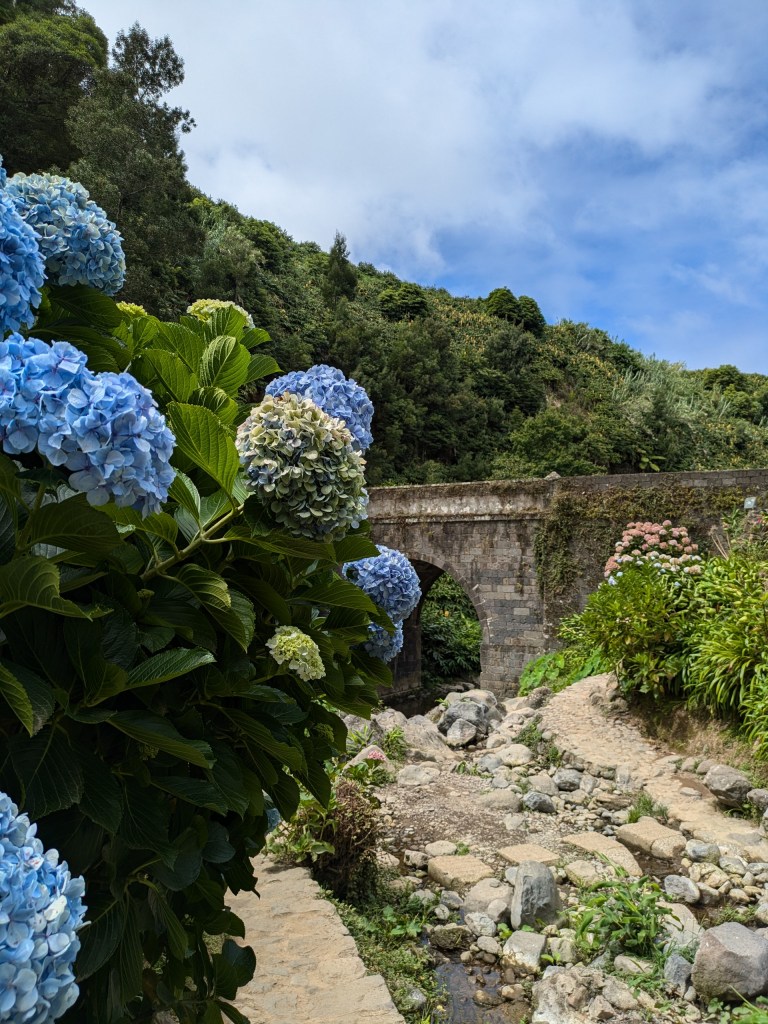
September is my favorite time to visit São Miguel. The weather is sunny with mild temperatures, and the island is quieter as the summer tourist season winds down. The evenings are cooler, so pack a sweater. If you’re traveling in August, expect more tourists, but you’ll also see the beautiful hydrangeas in full bloom.
- High season: June to August – hot and busy, but with long daylight hours.
- Shoulder season: April to May, September to October – fewer tourists and comfortable temperatures.
- Low season: November to March – cooler with occasional rain, but still beautiful.
Top 10 tourist attractions on other Azores islands
The Azores archipelago offers a wide variety of stunning tourist attractions across its nine islands, each with unique landscapes and activities. From volcanic craters and underground caves to tranquil coastal villages, these must-see spots showcase the diverse beauty and culture of the Azores.
- Mount Pico (Pico Island): The highest peak in Portugal at 2,351 meters, offering a challenging but rewarding climb with spectacular views.
- Algar do Carvão (Terceira Island): A volcanic cave with stalactites and a stunning underground lake, perfect for exploring geological wonders.
- Fajã da Caldeira de Santo Cristo (São Jorge Island): A beautiful coastal plain with natural lagoons, ideal for hiking and surfing.
- Capelinhos Volcano (Faial Island): A lunar-like landscape formed by a 1957 eruption, with a nearby museum that explains its history.
- Gruta das Torres (Pico Island): The longest lava tube in the Azores, stretching over 5 km, where you can walk through ancient volcanic formations.
- Maroiços (Graciosa Island): Unique stone pyramids scattered across the landscape, offering an unusual cultural and historical experience.
- Fajã dos Cubres (São Jorge Island): A scenic village nestled by the sea, known for its calm beauty and great hiking opportunities.
- Poço da Ribeira do Ferreiro (Flores Island): A breathtaking spot featuring lush green cliffs and cascading waterfalls.
- Caldeirão (Corvo Island): A large volcanic crater with twin lakes, perfect for quiet hikes and birdwatching.
- Baía de São Lourenço (Santa Maria Island): A picturesque bay surrounded by vineyards and cliffs, great for swimming and relaxing.
Local secrets on São Miguel
- Poço Azul (Ribeira Grande): A hidden blue lagoon tucked away in the forest near São Miguel’s north coast, accessible via a short hike. It’s an ideal spot for those seeking a peaceful swim in crystal-clear waters away from the crowds.
- Salto do Cabrito Waterfall: While it’s not as well-known as other falls on the island, Salto do Cabrito offers a more secluded hiking experience through lush forests, ending with a stunning waterfall where you can cool off after the trek.
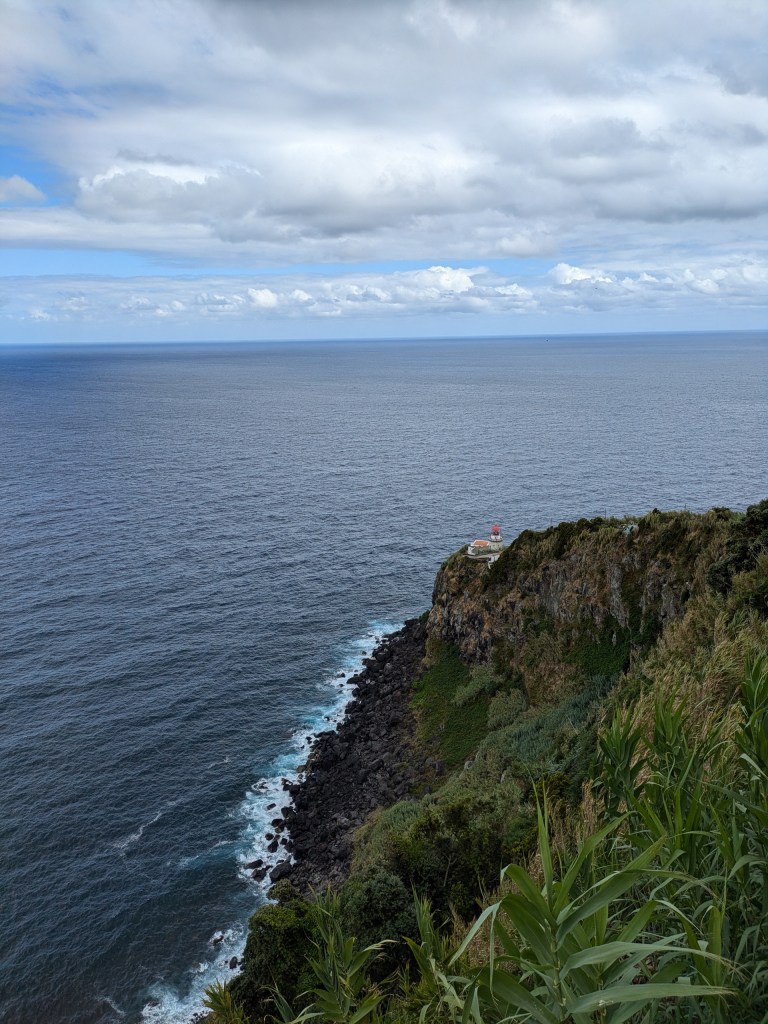
- Ponta da Madrugada (Nordeste): One of the best-kept secrets for watching the sunrise in total solitude. This eastern viewpoint offers unparalleled views of the ocean and cliffs, perfect for early risers who want to enjoy a peaceful morning in nature.
Getting there
Flying into Ponta Delgada (PDL) is the easiest way to reach São Miguel. Ryanair offers direct flights from Brussels Charleroi that take about four hours. If you can, book a window seat on the left side of the plane for incredible views of the island’s cliffs during landing.
Getting around locally
Renting a small car (streets are narrow in towns) or a scooter with a strong engine (mountains are steep) is essential for exploring São Miguel. Car rentals start at around €25 per day, and scooters are a great option for solo travelers. The roads are not busy and are in good condition, so even someone like me, who doesn’t drive often, would feel comfortable driving here.
A public bus system that connects the main towns and some tourist spots. The bus services are primarily operated by AzoBus and Varela, which run routes between key locations like Ponta Delgada, Furnas, Ribeira Grande, and Sete Cidades.
A typical fare is around €1-3 depending on the distance. If you’re staying in larger towns, using buses can be a budget-friendly option, but planning ahead is essential to ensure you don’t miss out on destinations further from the main routes.
Visa: Digital nomad Portugal
If you’re visiting São Miguel as a tourist or digital nomad and hold a passport from outside the EU, the Schengen visa allows you to stay in Portugal (including the Azores) for up to 90 days within a 180-day period. This visa covers travel across the 26 Schengen countries, making it ideal for digital nomads who might want to explore other parts of Europe during their stay. For more information visit: https://aima.gov.pt/pt
Local food and vegetarian options
São Miguel offers a variety of traditional dishes, with Cozido das Furnas, a geothermal stew, being a local specialty. Restaurants like Caldeiras e Vulcões and Azores Essentials in Furnas cater to vegetarians, though reservations are necessary.
- Queijadas da Vila (São Miguel): Sweet cheese tarts originating from Vila Franca do Campo, made with fresh cheese and a flaky pastry crust.
- Bolos Lêvedos (São Miguel): Sweet, fluffy flatbreads from Furnas, often enjoyed with butter or cheese, or served alongside local stews.
- Queijo do Pico: A famous soft cheese from Pico Island, made from raw cow’s milk and known for its creamy texture and tangy flavor.
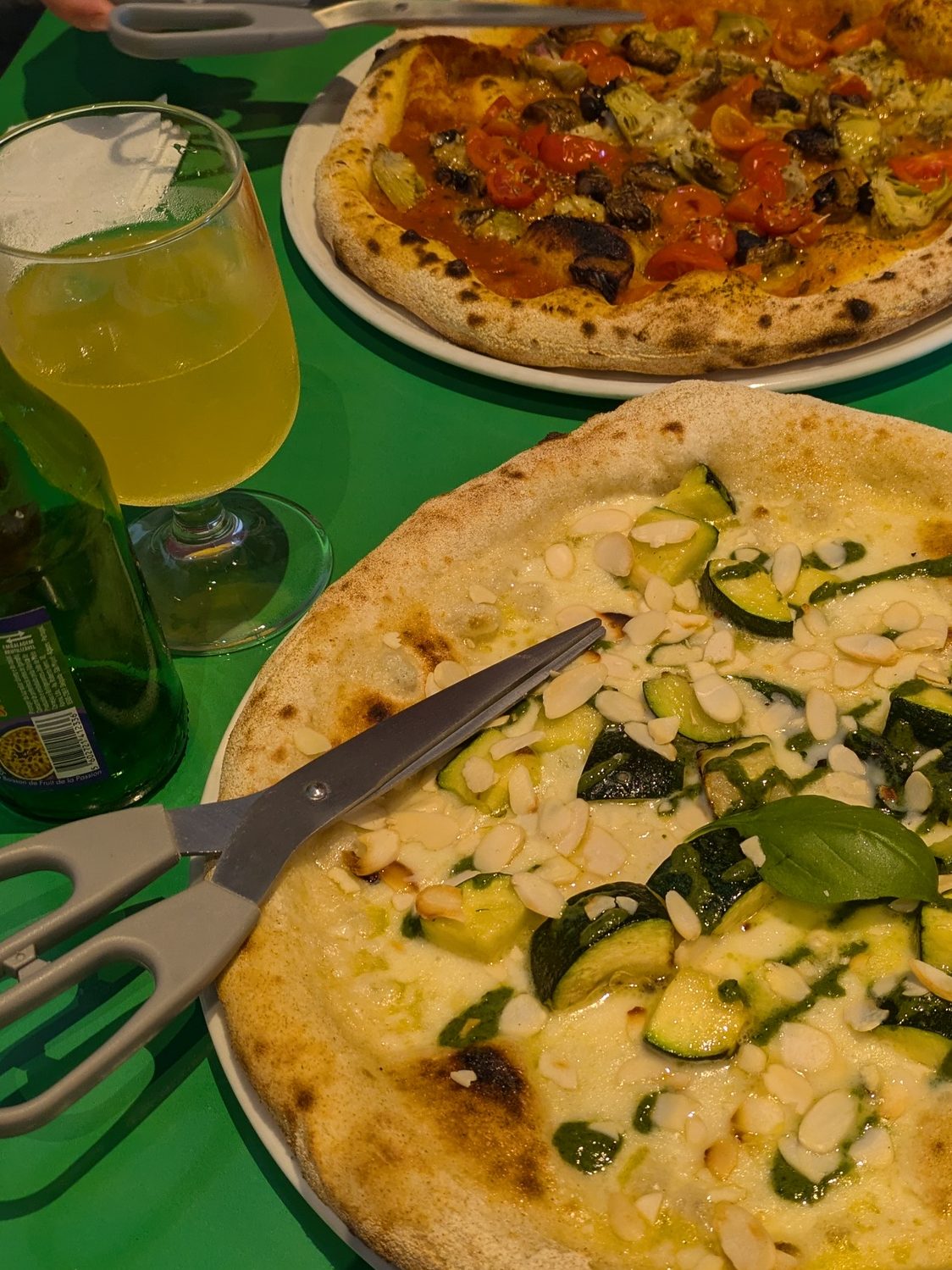
- Pizza at Nonna’s Teeth (Ponta Delgada): Known for its wood-fired pizzas with fresh, locally sourced ingredients, this restaurant is a favorite. Their vegetarian options, topped with seasonal vegetables, are a must-try for pizza lovers.
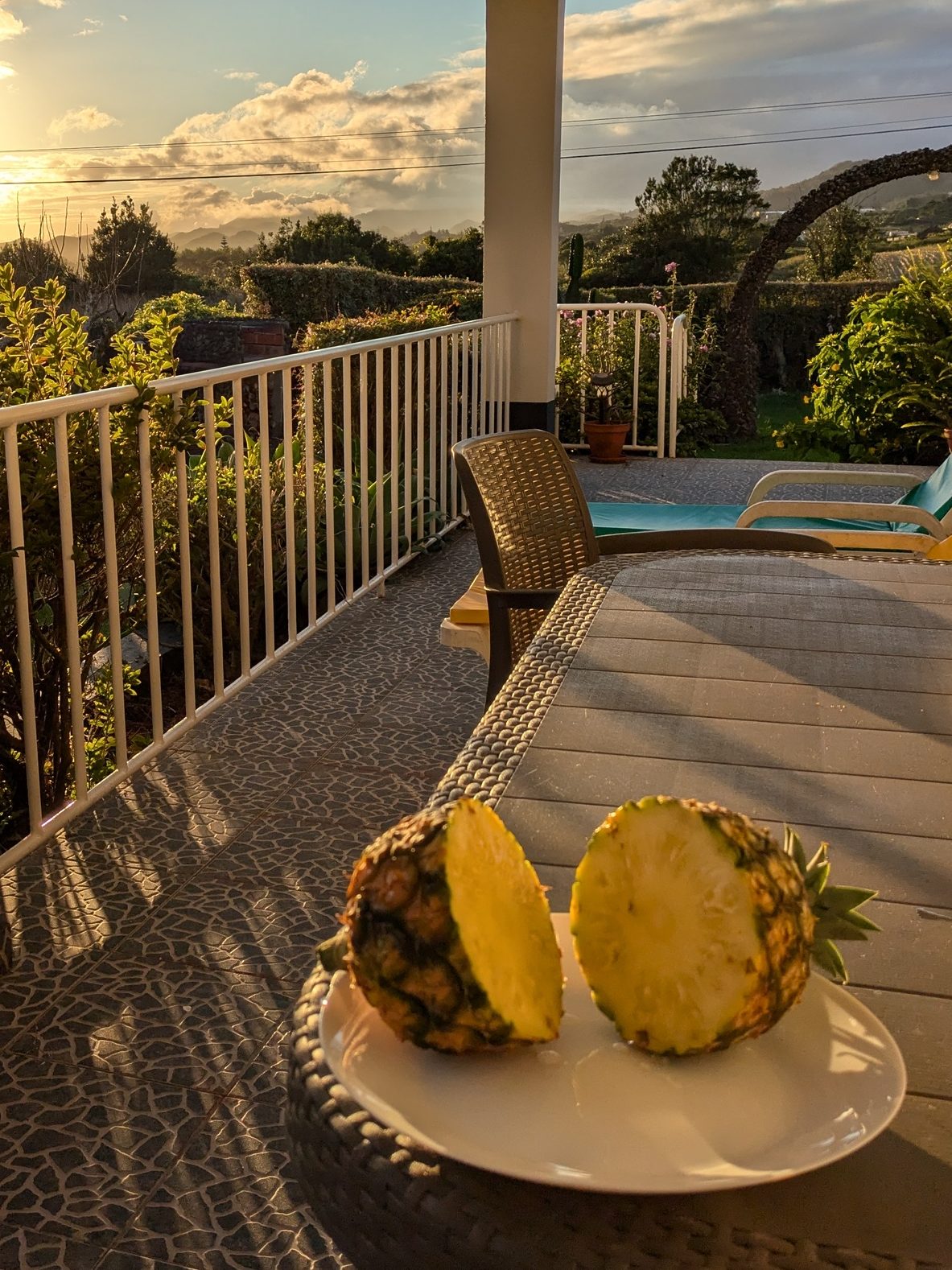
- Azorean Pineapple: Unique to the islands, the Azorean pineapple is sweet and fragrant, though it can be pricey at around €10. It’s a refreshing treat and often served as a snack or dessert in local restaurants.
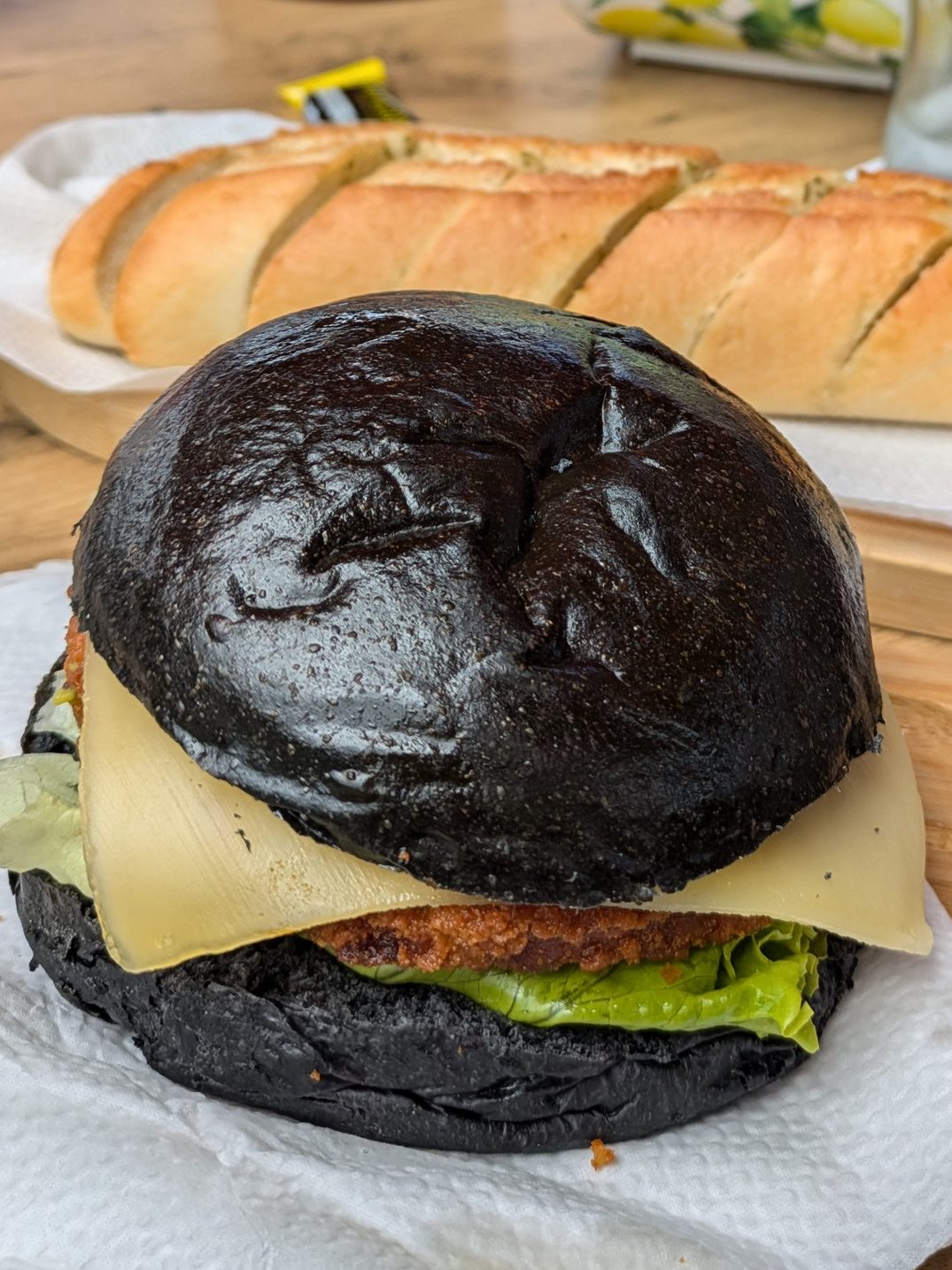
- Burger at Quiosque Pé da Areia (Mosteiros): Located by the beach in Mosteiros, this café offers a distinctive black burger with fresh ingredients, even as vegan option available and only 5 Euros.
- Nor Coffee (Nordeste): For a more tranquil café experience, Nor Coffee in Nordeste is a hidden gem. Known for its quality coffee and cozy atmosphere.
- Cozido das Furnas: This traditional meat and vegetable stew is cooked underground using geothermal heat in Furnas. Vegetarian versions are available in some restaurants, making it accessible to all.
Sustainable travel in Azores
The Azores are committed to sustainability. The Azores Green Tourism initiative encourages responsible travel, such as reducing plastic waste and supporting local wildlife. You can also join beach cleanups organized by groups like Sea Shepherd Portugal, which help protect the marine environment.
What experiences have you had in Azores? Share them in the comments below!
Continue reading
Living the dream life on the beach, sipping mango juice, needs to be funded. Even though the cost of living in Southeast Asia is cheaper than in many Western countries, you still need to cover the travel expenses to get there.

Maybe you already have a dream destination in mind, which makes the decision easy. However, there are a few prerequisites you should check before booking your flights. I’ve summarized the most important ones here.
Not every job can be done from abroad. Even for roles that are fully computer-based, some employers still prefer their employees to work from the office. Here’s what I’ve learned along the way!
 Solo Nomad Travels
Leave a comment