Backpacking as a woman has been empowering, pushing me beyond my comfort zone with challenges that became lessons. I’ve learned to travel smart and stay safe. This guide blends personal insights and practical advice to inspire confidence in your journey.
What you’ll find in this guide
- Destinations where women feel safe – Insights on regions where I’ve felt most secure while traveling.
- Smart accommodation choices – Tips for finding safe, comfortable places to stay and connecting with fellow travelers.
- Starting small for confidence – How short trips or traveling with a friend can ease you into backpacking.
- Sharing your location for safety – Simple practices to ensure peace of mind while on the road.
- Packing smart as a woman – My minimalist packing philosophy for stress-free travel.
- Health and hygiene on the road – Essentials for staying clean, healthy, and eco-conscious.
- Staying nourished and healthy – Overcoming dietary challenges and finding healthy food options.
- Footwear and comfort – Choosing the right shoes for your travel style.
- Coping with travel anxieties – Managing nerves and difficult moments with practical advice.
- Staying positive and empowered – Reflections on how solo backpacking fosters growth and confidence.
Destinations where women feel safe
Feeling safe while backpacking as women is essential for a fulfilling trip, and my experiences have taught me which regions I felt most at ease in:
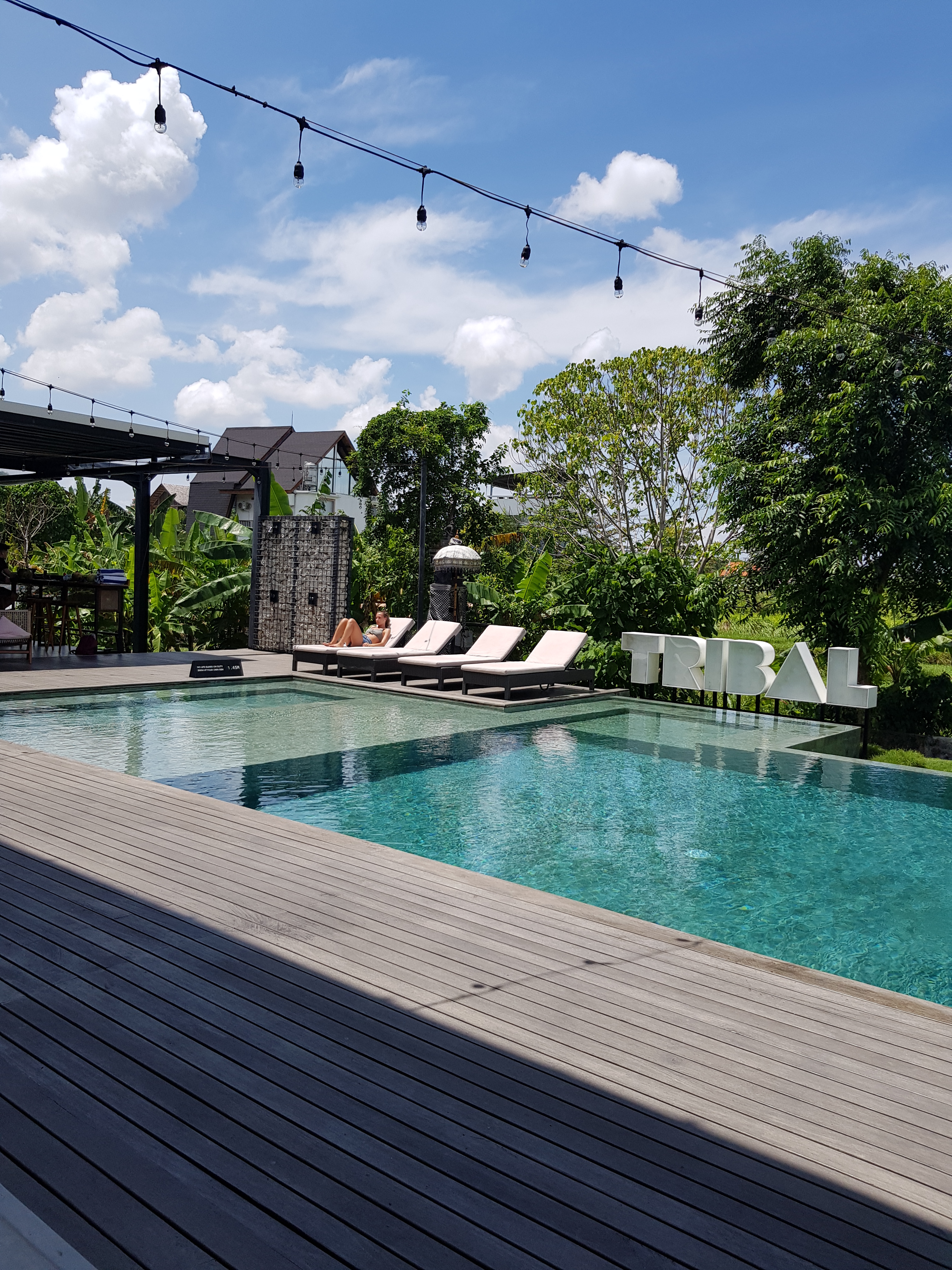
- Southeast Asia – The welcoming locals, low prices and strong backpacker community make this region a favorite.
- Australia – Easy to navigate, with excellent infrastructure and a laid-back vibe. If you go on a Working Holiday Visa you even get the chance to top up your travel fund.
- Northern Europe – Extremely safe with efficient public transport and friendly people.
- Southern Europe – Vibrant culture and plenty of backpackers, though petty theft can be an issue in touristy areas.
- South America – A mix of safety levels; research is key, and staying in the right areas makes all the difference.
- USA – Varies widely; cities can feel less safe at night, but national parks are incredible.
- Central America – Beautiful destinations but often requires extra vigilance in some countries. Cat calling is an issue.
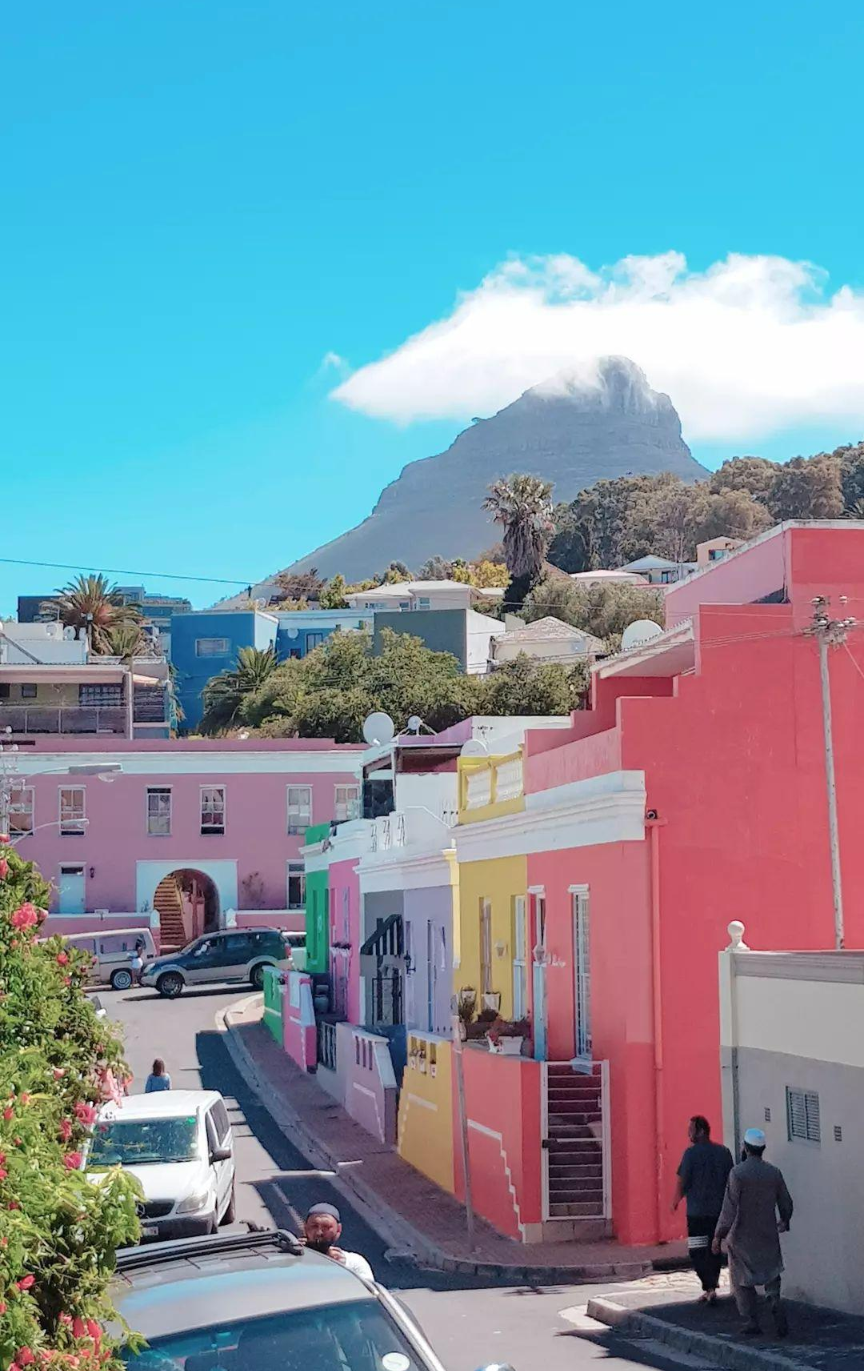
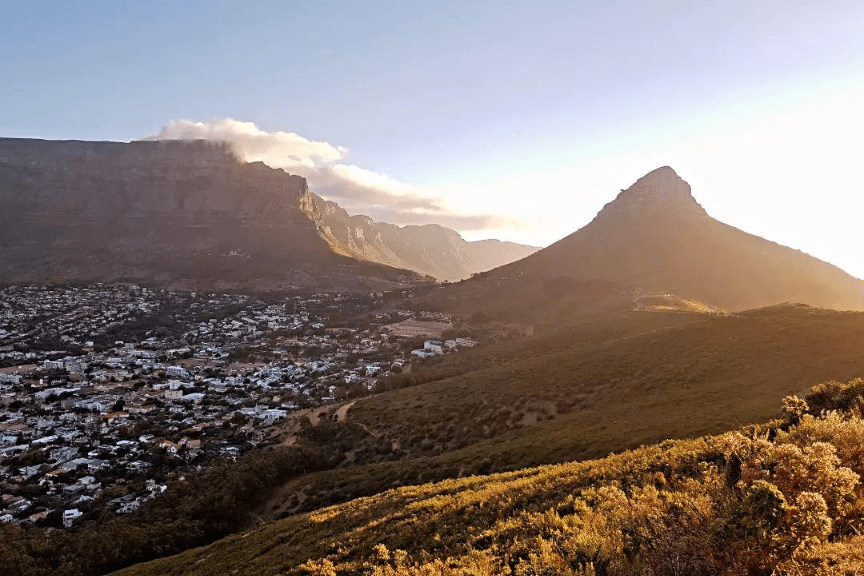
- South Africa – Amazing for nature lovers, but safety concerns mean planning is essential. Never ever walk outside alone in the dark
Check out this page to find out how to choose the best destination for your needs.
Smart accommodation choices for backpacking women
Whenever I arrive in a new country, I make it a rule to book a nicer, slightly more expensive hostel for my first two nights. Reviews on platforms like Booking.com or Hostelworld are lifesavers—other travelers’ experiences help me choose places with great safety ratings and a central location.
I always opt for female-only dorms, which have been invaluable for connecting with other women. It’s not unusual to meet someone with a similar travel plan and end up exploring together. Hostel staff are also a great resource; I often ask them about safety in the surrounding area.
Starting small for confidence
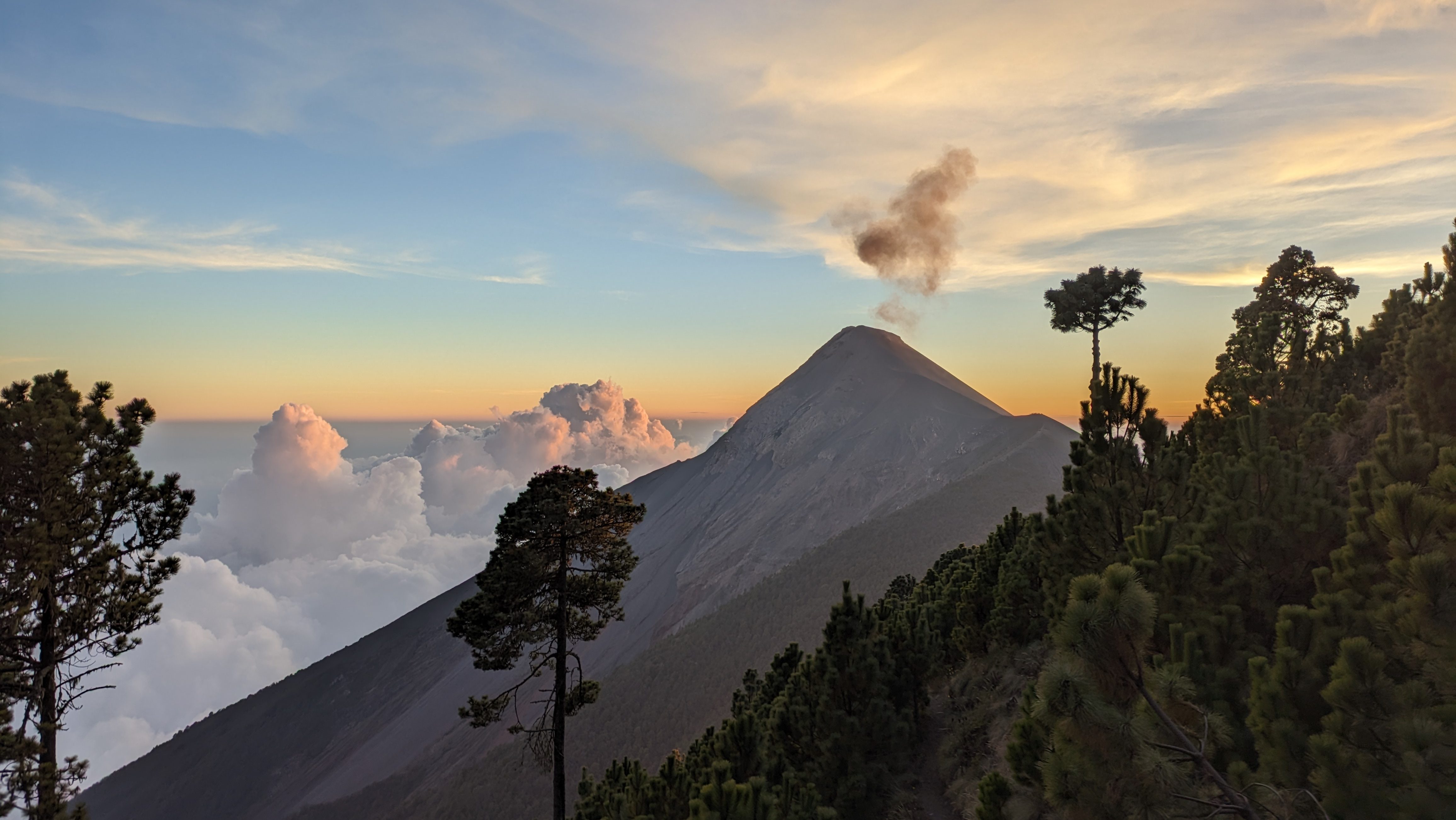
If you’re new to backpacking, consider starting with short trips or traveling with a friend. My first solo trip was nerve-wracking, but the confidence I built from smaller adventures prepared me for longer journeys. Ease into it—there’s no rush to go all-in on your first try.
Sharing your location for safety
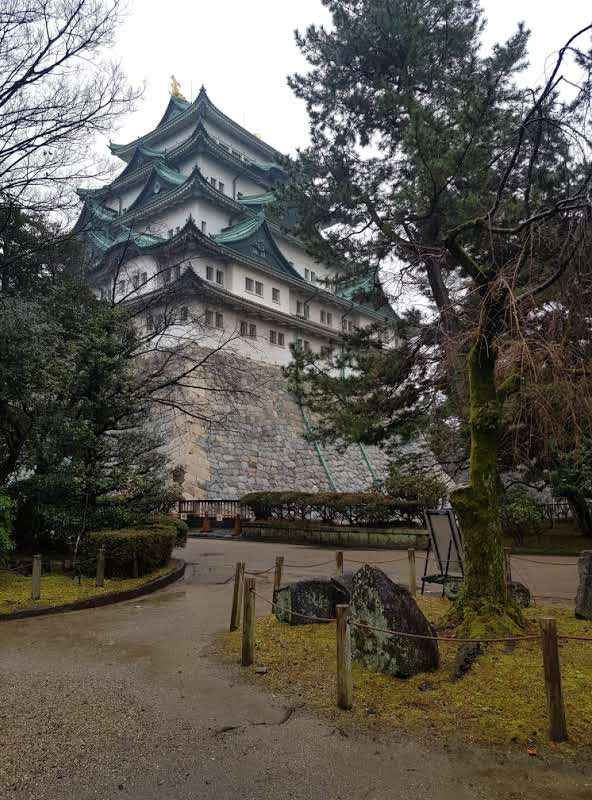
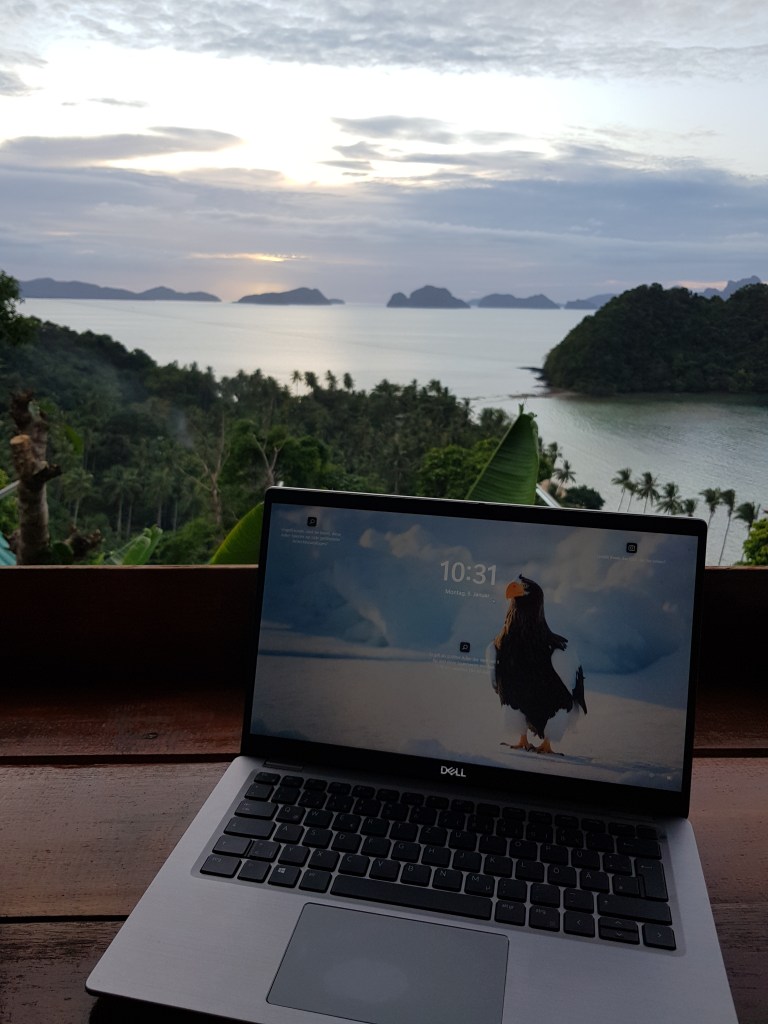
When I’m in a place where I don’t feel entirely safe, I make it a habit to send my accommodation’s location to someone at home every night. It’s a small step that provides peace of mind for both me and my loved ones.
It’s both frustrating and deeply saddening that an article about backpacking for women has to include so much focus on safety. The reality is that safety concerns remain a significant part of traveling as a woman.
While these tips are essential for staying secure, it’s disheartening that such precautions are even necessary. Unfortunately, that’s the world we live in—but it shouldn’t stop anyone from experiencing the freedom and empowerment that backpacking can bring.
Packing smart as a woman backpacker
Traveling with only a carry-on has completely transformed how I move from one place to another. My minimal packing list works just as well for a week as it does for months on the road. With fewer items to manage, I can focus more on the journey itself rather than worrying about lugging around heavy bags.
You’d be surprised how little you actually need. Over time, I’ve perfected my packing list with each trip, learning from both mistakes and successes. Here are a few key lessons:
- What I thought I needed but never used:
- A snorkel set and fins that stayed untouched in my bag.
- What I didn’t bring but should have:
- A waterproof bag—not just for wet boat rides but also for sudden rain when there’s no café to wait it out in.
I also focus on multi-purpose items to save space and weight:
- A sarong that serves as a beach towel, blanket, or privacy curtain.
- A compact laundry kit for quick washes, which means I don’t need to pack as many clothes.
Minimalist packing isn’t just about space—it’s about making travel easier and freeing yourself from unnecessary burdens. The less you carry, the more you can focus on enjoying the adventure ahead. You can find my minimal packing list here.

Health and hygiene on the road
For personal hygiene, I rely on washable pads—an eco-friendly and cost-effective solution. My first-aid kit is basic but includes everything I need to get through common issues until I can reach a pharmacy or doctor.
I also never travel without my stainless-steel water bottle. Not only can I refill it across Southeast Asia and Central America, but it also doubles as a hot water bottle when it gets cold or for period cramps.
Staying nourished and healthy
Eating well while backpacking as women can be tricky, especially as a vegetarian. That’s why I pack vegan protein powder to supplement my diet. In some countries, even finding fresh vegetables can be a challenge, so I often visit markets and prepare simple meals at hostels.
When I need a break, hipster cafes are my go-to. They often serve healthy bowls and cater to plant-based diets, which keeps me energized for long days of exploring.

Footwear and comfort
While hiking boots are essential for adventurous trips involving rugged trails, I stick to runners for my usual backpacking style. They’re comfortable for long walks in cities, lightweight, and take up far less space in a carry-on (obviously, you wear them on the plane when you’re just moving from one city to the next, you might want to pack them into your backpack). Choosing footwear for backpacking isn’t just about comfort—it’s about versatility.
Here’s what I’ve learned about picking the right shoes:
- Stick to the essentials: Unless you’re specifically planning long and extensive hikes, you likely won’t need bulky hiking boots. A good pair of runners or walking shoes can handle most terrains, including uneven streets or light trails.
- Break them in: New shoes can ruin your trip if they cause blisters. Always break them in before traveling to ensure they’re comfortable for long days of exploring (bring blister patches just in case).
- Consider weather and activities: In colder destinations, I add a pair of woolen socks.
- Choose Multi-Purpose Shoes: For beach trips, pack waterproof sandals that can double as shower shoes. Neutral colors are a bonus if you want something stylish enough for dining out.
- Pack Smart: Use your shoes’ interior space to store smaller items like socks or toiletries when packing to save room in your bag.
Ultimately, comfort is key. The right footwear ensures that long walks, unexpected treks, or a full day of sightseeing won’t leave you sore or regretting your choice. Always prioritize function over fashion when it comes to backpacking.
Coping with travel anxieties
It’s normal to feel nervous before a trip, even for experienced travelers. You’re stepping out of your comfort zone, and that’s a big deal.
During tough moments—whether it’s feeling lonely, getting sick, or losing something important—I remind myself that these feelings are temporary. I find comfort in good food, a solid night’s sleep, and giving myself time to reevaluate.
Don’t start questioning the entire trip in those moments. You’ll feel differently about it the next day – promise.
Staying positive and empowered
Backpacking as a woman has taught me resilience, independence, and the importance of trusting myself. There will be challenges, but each one is an opportunity to grow. The vulnerability of solo travel is what makes it so transformative.
If you’re considering a trip, know that it’s normal to feel unsure at first. With preparation and a willingness to adapt, you’ll find that the world is more welcoming than it seems.
Find me on Instagram for more travel tips: https://www.instagram.com/solonomadtravels?igsh=MTAyZWJyMTRxY3l1bQ==
More questions? Share them in the comments below!
Continue reading
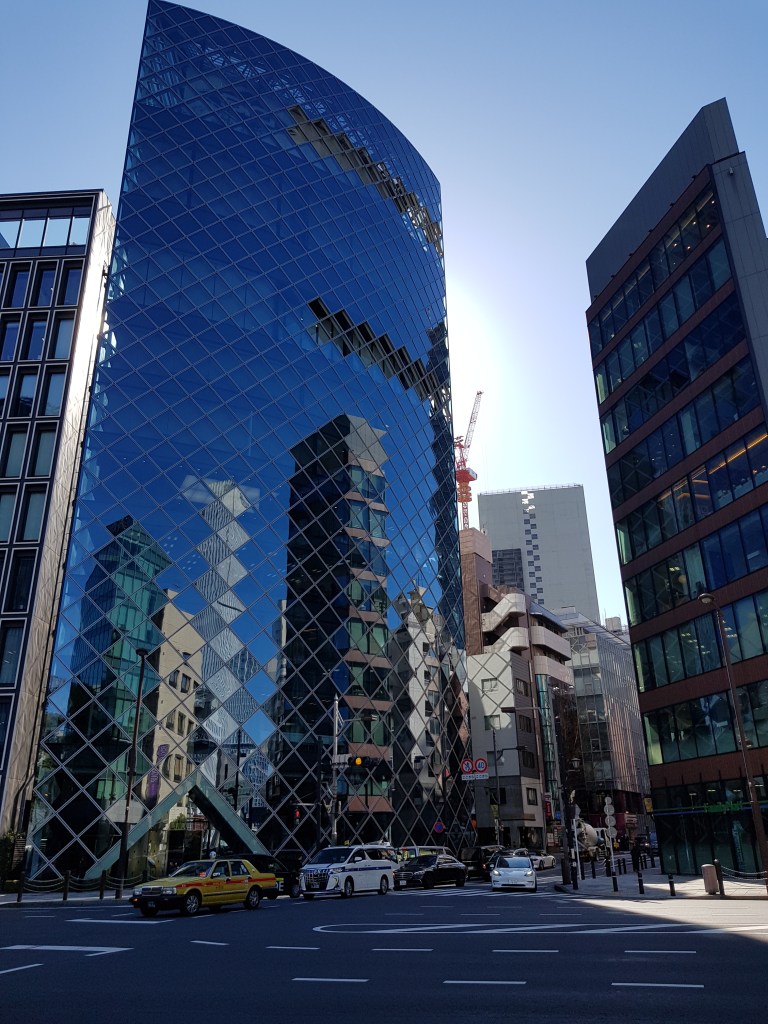
Living the dream life on the beach, sipping mango juice, needs to be funded. Even though the cost of living in Southeast Asia is cheaper than in many Western countries, you still need to cover the travel expenses to get there.

Maybe you already have a dream destination in mind, which makes the decision easy. However, there are a few prerequisites you should check before booking your flights. I’ve summarized the most important ones here.
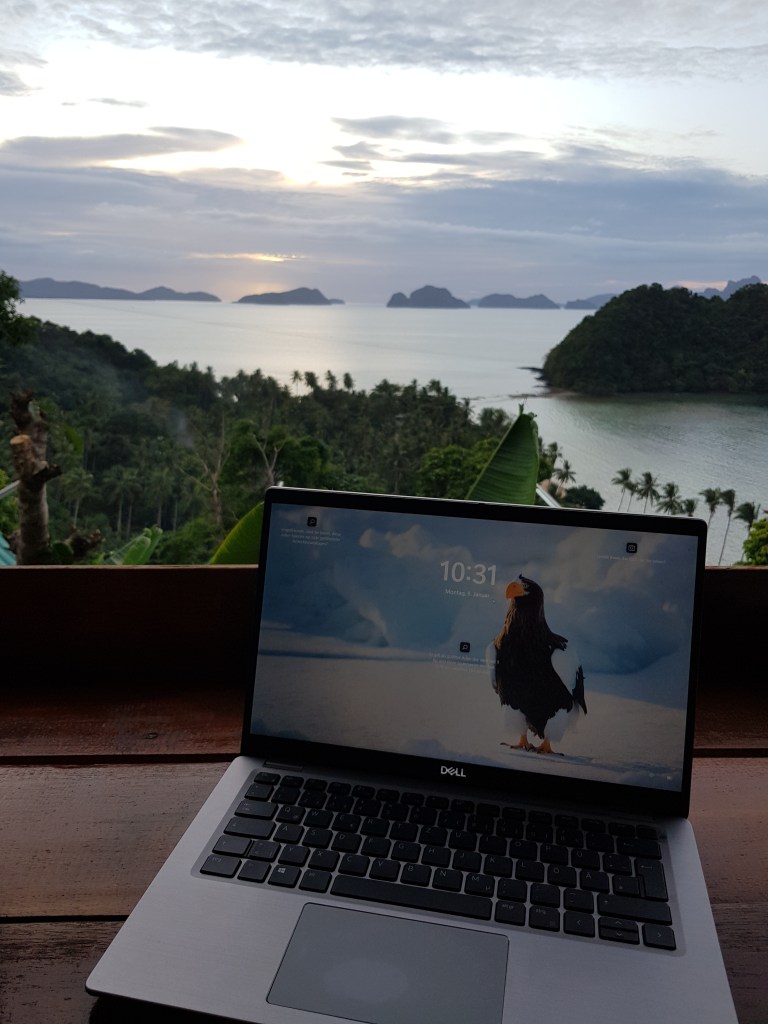
Not every job can be done from abroad. Even for roles that are fully computer-based, some employers still prefer their employees to work from the office. Here’s what I’ve learned along the way!
 Solo Nomad Travels
Leave a comment