Backpacking is an incredible experience, but it comes with challenges. From budget issues to language barriers, unexpected obstacles can test even the most seasoned traveler. The good news? Most struggles have simple solutions if you know what to expect. Here are the most common backpacking problems and how to handle them.

1. Backpacking problem: Overpacking
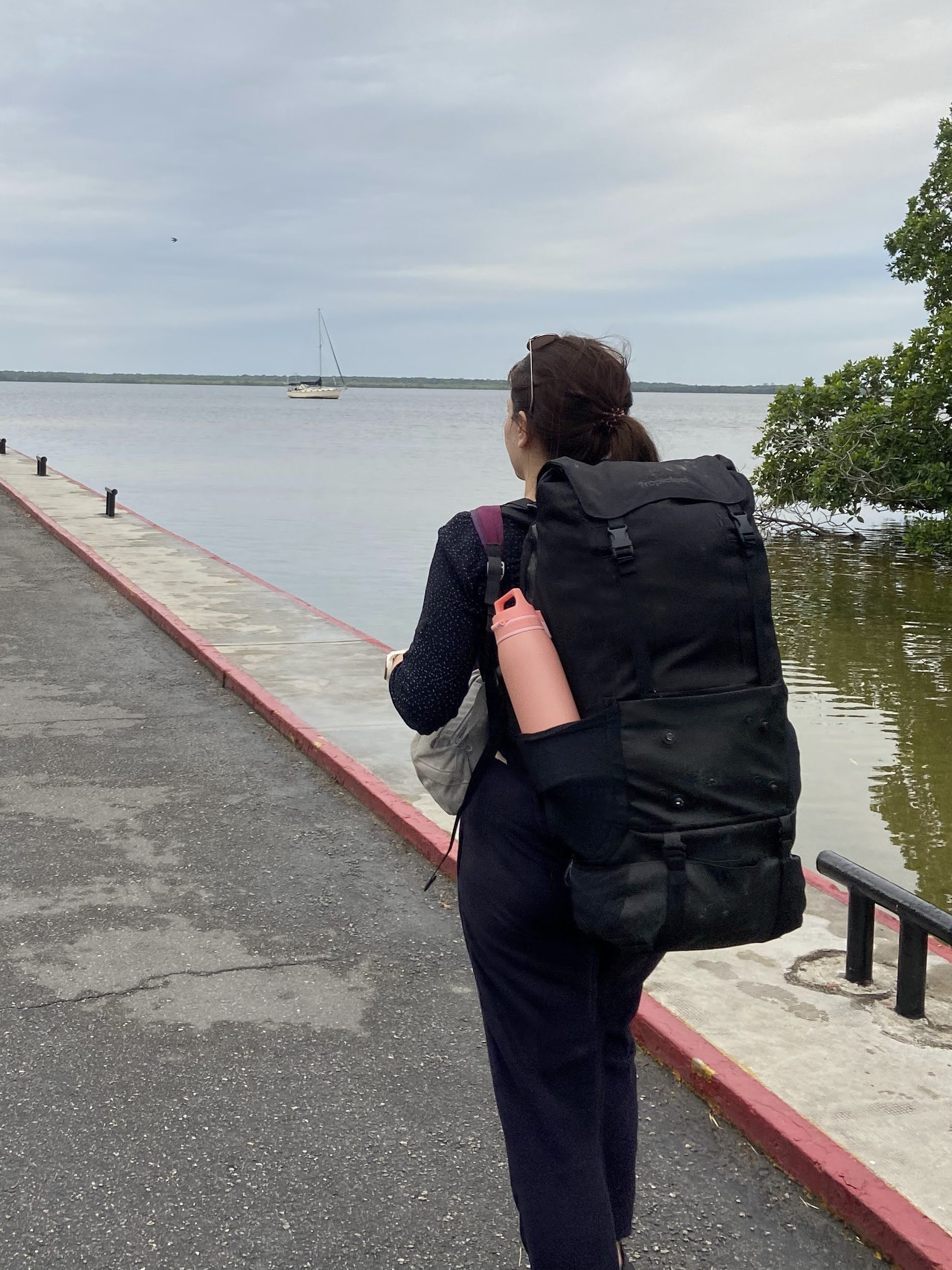
Why it happens? Packing too much is one of the biggest mistakes new backpackers make. The fear of not having the right clothes, toiletries, or gear leads to stuffing a backpack with “just in case” items. The result? A heavy load that makes every step exhausting.
Consequences
- Back pain and discomfort from carrying too much weight.
- Extra baggage fees on flights.
- Struggling to find space for souvenirs or essentials picked up along the way.
Solution
- Pack light – If I won’t use it every few days, I leave it behind.
- Use a packing list – Check out this guide on minimalist packing to stay organized.
- Choose versatile clothing – Neutral colors and lightweight fabrics make mixing and matching easy.
- Pack early – I lay everything out two weeks before the trip and remove one unnecessary item each day.
- Buy things at my destination – I only bring essentials for the first couple of days. Things like moisturizer or toothpaste can be bought locally.
- Hostel money-saving tip – Many backpackers leave behind items they no longer need. I’ve found everything from half-full shampoo bottles to barely used travel adapters—sometimes, it feels like Christmas!
Carrying less makes travel easier, and my back thanks me for it..
2. Finding reliable WiFi
Why it’s a problem: For most travelers, bad WiFi is just an inconvenience. But when you’re working remotely, slow speeds, constant disconnections, and unreliable networks can ruin your productivity. Nothing is more frustrating than a video call dropping in the middle of a meeting or waiting hours for a simple file to upload.
Where It happens most
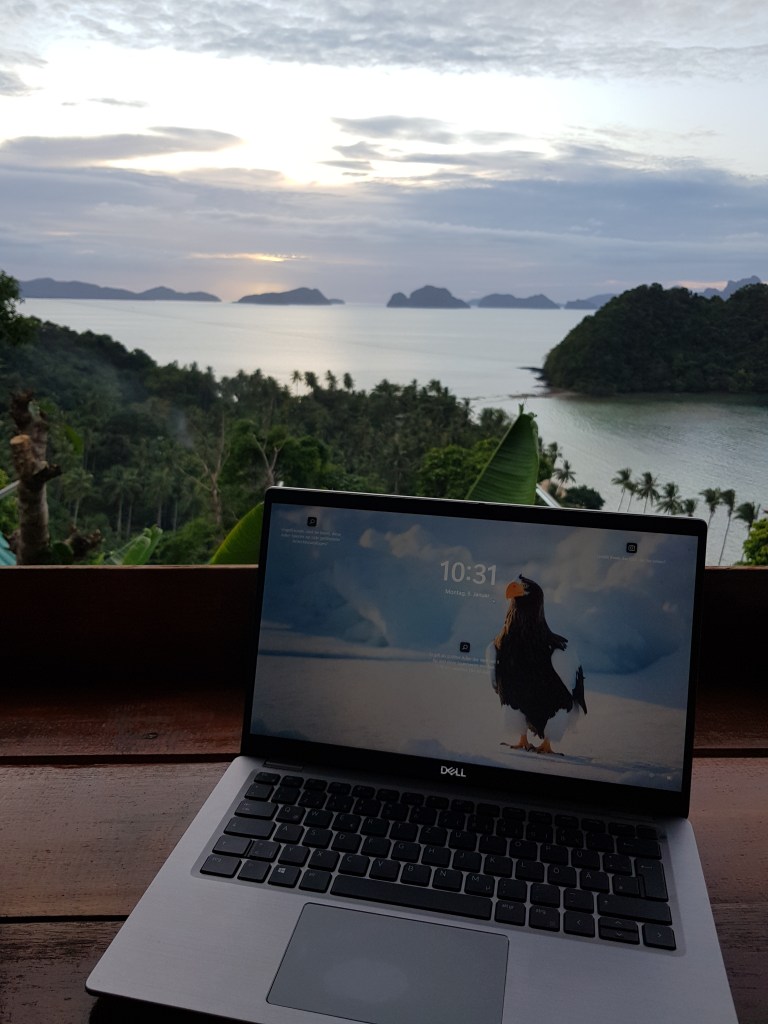
WiFi struggles are common in remote areas, small towns, and budget accommodations. Some countries, like the Philippines, are notoriously unreliable when it comes to internet speeds. Even in big cities, guesthouses and hostels often promise “fast WiFi” that barely loads an email.
Solution: To avoid WiFi nightmares, I always plan ahead:
- Local SIM cards – A backup mobile hotspot is essential.
- Portable WiFi devices – Great for locations with weak networks.
- Coworking spaces – A lifesaver when accommodation WiFi is bad.
- Proper research beforehand – I check NomadList, Facebook groups, and hostel reviews for internet reliability.
- Always staying near coworking spaces – If my accommodation’s WiFi is terrible, I have a backup plan. Plus, it’s a great way to meet people who are working rather than just partying.
Reliable WiFi can make or break a work-travel experience, so I never leave it to chance.
Check out this page to find out how to choose the best destination for your needs.

3. Budgeting issues
Why It Happens: Even with a well-planned budget, unexpected expenses can throw everything off.
- ATM fees add up, especially if you forget to decline the bank’s conversion rate (always say no!).
- Currency confusion can make prices seem cheaper than they are.
- Moving too fast—taking frequent flights or changing locations often—eats away at savings.
- Then there’s the best and worst budget challenge: meeting new people and changing plans to travel with them. Totally worth it, but it can mess up financial planning.
How It impacts the trip
- Running out of money leads to shorter stays than planned.
- Constant financial stress takes the fun out of traveling.
- Tight budgets mean missing out on activities.
Solution
I’ve learned to be more intentional with money while still enjoying the trip:
- Expense tracking apps – Apps like Trail Wallet or TravelSpend help keep spending in check.
- Setting a daily budget – Knowing how much I can spend per day keeps me from burning through cash too fast.
- Emergency fund – Always have backup cash for unexpected situations.
- Smart country planning – If I’m visiting multiple countries, I do expensive activities in the cheaper ones. For example, in Central America, cloud forests in Guatemala are much cheaper to explore than in Costa Rica.
A little planning goes a long way in making sure I can travel longer without financial stress.
4. Safety concerns
Common Risks
Safety is a major concern, especially for solo travelers. Theft, scams, and unsafe areas can turn a great trip into a nightmare. This is even more important for women—read this article here for specific safety tips.
Example: A Popular Scam
In many European and South American cities, someone might “accidentally” spill something on you and offer to help clean it up—while an accomplice picks your pockets. In Southeast Asia, taxi drivers might insist their meter is broken and charge five times the normal fare.
Solution
- Anti-theft bags – Slash-proof, lockable bags make pickpocketing harder.
- Don’t flash valuables – I avoid wearing expensive jewelry (leave it at home) or using my phone in crowded places.
- Avoid risky areas at night – Especially in unfamiliar cities.
- Keep valuables in a waist bag – I never take it off, even when eating at restaurants (no hanging it over a chair!).
- Separate money and credit cards – I never keep everything in one place. My ID and some emergency cash stay tucked in my phone case—just in case my passport and wallet get stolen.
Being cautious doesn’t mean being paranoid. A few smart habits make all the difference.

5. Food and dietary restrictions
Struggles for vegetarians, vegans, or those with allergies
Finding food that fits dietary needs can be a challenge, especially in countries where meat-heavy dishes dominate. In some places, “vegetarian” still means fish or chicken broth. For those with allergies, miscommunication can lead to serious risks.
Example: Explaining dietary needs in a foreign language
Ordering food in a country where I don’t speak the language has led to some interesting surprises. Once, I asked for a vegetarian meal and got a dish with tiny shrimp—because “it’s not meat.”
Solution
- Learn key food phrases – A few words in the local language can prevent surprises.
- Use HappyCow – This app helps find vegetarian- and vegan-friendly restaurants.
- Book accommodations with kitchens – Cooking my own meals is often the safest and cheapest option.
- Bring vegan protein powder – I mix it with oats to ensure I get at least one nutritious, protein-rich meal per day.
- Look for restaurants serving veggies – Even in meat-heavy cultures, there’s usually a way to find plant-based options.
With a little planning, eating well while traveling is totally possible.

6. Language barriers
Why it’s a problem: Not speaking the local language can make even simple tasks—like ordering food, asking for directions, or handling emergencies—frustrating. In some places, English isn’t widely spoken, making communication even harder.
Personal Story: Lost in translation
I once tried to order a vegetarian meal in a tiny restaurant in rural Vietnam. After some back-and-forth with the owner and a lot of nodding, I was sure I had communicated my request. Ten minutes later, I got a bowl of soup—with a whole chicken foot floating in it.
Solution
- Google Translate – A lifesaver for menus, signs, and conversations. The offline mode is essential.
- Learning basic phrases – “No meat,” “Where is the bus station?” and “How much does this cost?” go a long way.
- Using body language – Pointing, miming, and even drawing pictures can work surprisingly well.
Language struggles are part of the adventure. With patience and creativity, most situations can be solved.

7. Loneliness and homesickness
Why it happens: Solo travel is freeing, but it can also get lonely. Cultural differences and constantly meeting new people without forming deep connections can be exhausting. Some days, I love the independence—other days, I miss familiar faces.
Common Triggers
- Holidays – Celebrating alone while everyone back home is together can feel isolating.
- Being sick – Nothing makes me want to teleport home faster than a bad cold in a foreign country.
- Staying in private accommodations – While nice for a break, too many nights alone can feel isolating.
Solution
I’ve found a few ways to stay connected without feeling homesick:
- Staying in hostels – The best way to meet people, even if I book a private room.
- Attending group activities – Walking tours, coworking spaces, or group hikes help me find like-minded travelers.
- Keeping in touch with family and friends – I call them regularly to make up for not meeting in person. FaceTime on my iPad over a coffee almost feels like meeting up at home.
Travel is amazing, but having a support system—even virtually—makes all the difference.
8. Transport hassles
Why it happens: Public transport isn’t always straightforward. Missed buses, confusing routes, and overpriced last-minute flights can turn a simple journey into a stressful mess. In some places, taxis overcharge tourists, and figuring out the right bus or train can feel like solving a puzzle.
Personal story: Sleeping at the Airport
I once booked a late-night flight, assuming I’d just grab a bus from the airport to the city. Turns out, public transport had already stopped running, and taxis were charging ridiculous prices. With no other option, I curled up on an airport bench and waited for sunrise. Lesson learned: always check transport options in advance.
Solution
- Research in advance – I check routes, schedules, and ticket prices before arriving.
- Use public transport apps – I mention the best ones in each country article, so check out the destination guides!
- Plan buffer time – I never assume everything will run on time.
- Use Grab or Uber instead of taxis – If available, ride-hailing apps are the safest way to avoid scams.
A little planning can save a lot of stress—and unnecessary airport sleepovers.

9. Weather challenges
Why it’s a problem
Weather can be unpredictable. Sudden rain, extreme heat, unexpected cold snaps, or even natural disasters can disrupt travel plans. One day it’s sunny, the next a downpour cancels everything.
How It affects travel
- Cancelled activities – No one wants to hike in a storm.
- Unsuitable clothing – Being too hot, too cold, or drenched makes everything miserable.
- Health risks – Heatstroke, hypothermia, or slipping on wet surfaces can turn into real dangers.
Solutions
- Check forecasts – Before heading out, I always check for rain, extreme heat, or storms.
- Pack smart layers – Lightweight clothes that I can adjust for different temperatures.
- Have a backup plan – Indoor activities or alternative routes in case the weather ruins my original plans.
- Bring an umbrella in hot countries – A raincoat is too sweaty, but an umbrella keeps me dry without overheating.
- Pack a raincoat for cooler hikes – If I’m trekking in 20-degree weather, a raincoat is a must.
- Wear shoes with grip – Slippery sidewalks and wet trails can be dangerous.
Being prepared for the weather keeps the trip enjoyable—no matter what happens.

10. Visa and border issues
Why it’s a problem: Visas can be confusing. Overstaying, unexpected entry fees, or even being denied entry can turn a simple border crossing into a stressful experience. Some countries have strict rules that travelers don’t always expect.
Example: A “Fun” Stamp Could Get You Denied Entry
Apparently, some immigration officers take passport stamps very seriously. There have been cases where travelers were questioned—or even denied entry—because of unofficial stamps, like the Machu Picchu souvenir stamp. Most officers don’t care, but if you get the wrong one on a bad day, it can be a problem.
Solution
- Research visa requirements – Every country is different, and rules can change.
- Track expiration dates – Overstaying a visa, even by accident, can lead to fines or bans.
- Always carry documents – A printed visa confirmation, proof of onward travel, or extra passport photos can save time at immigration.
Borders can be unpredictable, but being prepared avoids unnecessary headaches.

Backpacking problems: Why they happen and how to handle them
Backpacking is an incredible experience, but it’s not always smooth sailing. Overpacking, bad WiFi, budget issues, safety concerns, and unexpected visa problems can make travel stressful—but with the right preparation, most issues are easy to handle.
The reality is, something will go wrong at some point. But that’s part of the adventure. Learning to adapt, stay flexible, and have a backup plan makes all the difference. Problems don’t have to ruin a trip—they just make for good stories later.
What’s the biggest challenge you’ve faced while backpacking? Share your experience in the comments!
Find me on Instagram for more travel tips: https://www.instagram.com/solonomadtravels?igsh=MTAyZWJyMTRxY3l1bQ==



More questions? Share them in the comments below!
Continue reading

Living the dream life on the beach, sipping mango juice, needs to be funded. Even though the cost of living in Southeast Asia is cheaper than in many Western countries, you still need to cover the travel expenses to get there.

Maybe you already have a dream destination in mind, which makes the decision easy. However, there are a few prerequisites you should check before booking your flights. I’ve summarized the most important ones here.
Not every job can be done from abroad. Even for roles that are fully computer-based, some employers still prefer their employees to work from the office. Here’s what I’ve learned along the way!
 Solo Nomad Travels
Leave a comment