A paradise for digital nomads
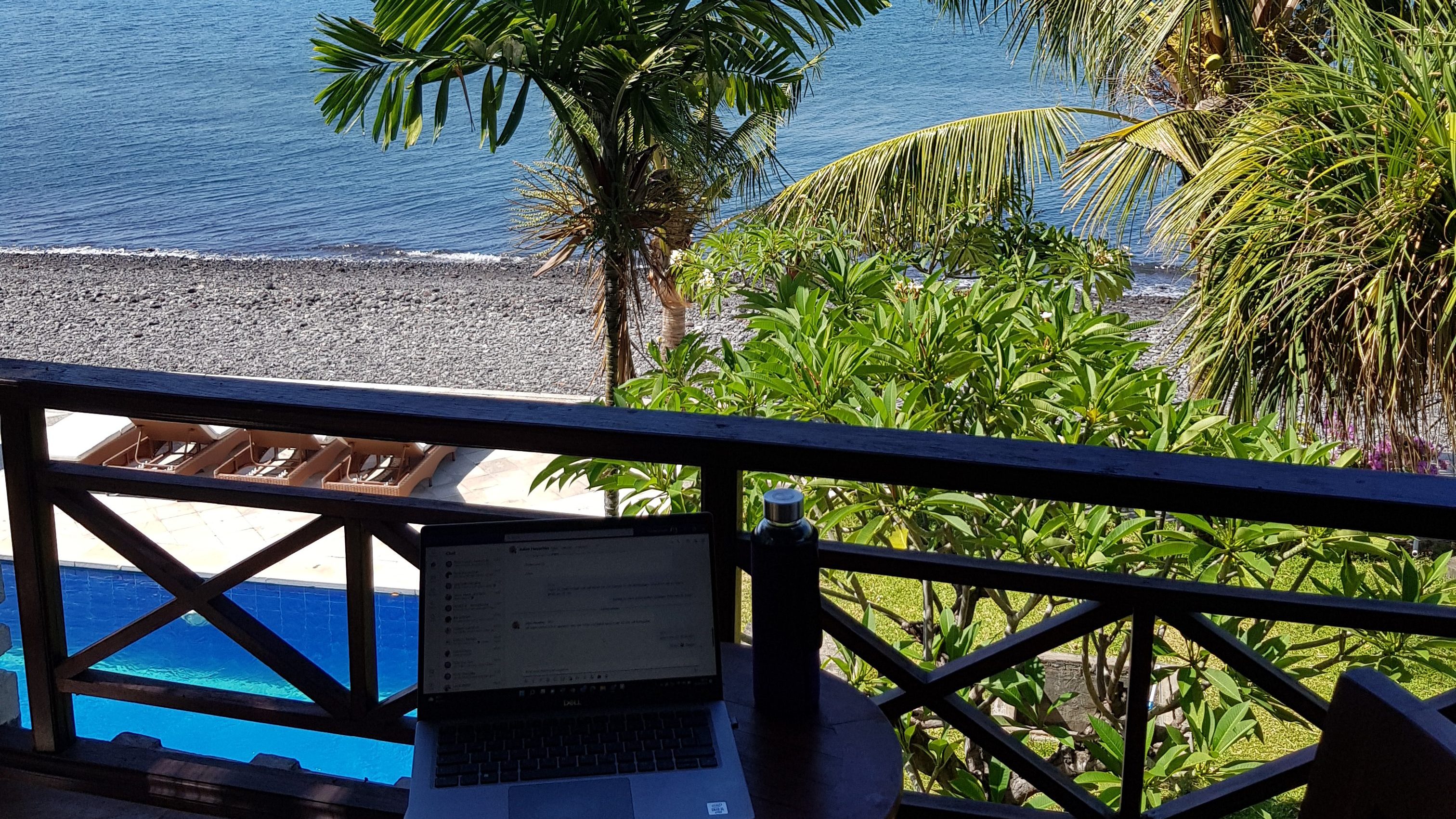
Dreaming of working as a digital nomad under palm trees with a stunning ocean view? Bali is your perfect paradise. I’ll show you why Bali is a must-visit for digital nomads, despite its growing tourism.
Find out the top spots to work, thrilling activities, travel tips, and advice on sustainable travel. Get ready to fall in love with Bali’s unique culture and beautiful landscapes, and start planning your next adventure!
Why Bali?
Indonesia, especially Bali, is a top dream destination for digital nomads, and it’s easy to see why. For me, Bali is a place of comfort and serenity. Maybe it’s the unique vibe from the volcano, as a local once told me.
But it’s more than just the stunning scenery; it’s the friendly and open culture that makes Bali stand out. The island’s rich mix of Hinduism, Buddhism, and animist traditions creates a unique atmosphere. The population is a colorful blend of Balinese, Javanese, Chinese, and Western expats. Tourism has been booming since the 1980s, drawing travelers from all over the globe.
Bali’s reputation draws in many like-minded people, but you get all sorts here. For many Australians, Bali is an affordable, nearby beach getaway – especially around Kuta, which can feel like the party spots in Europe.
Where to stay, work and party?
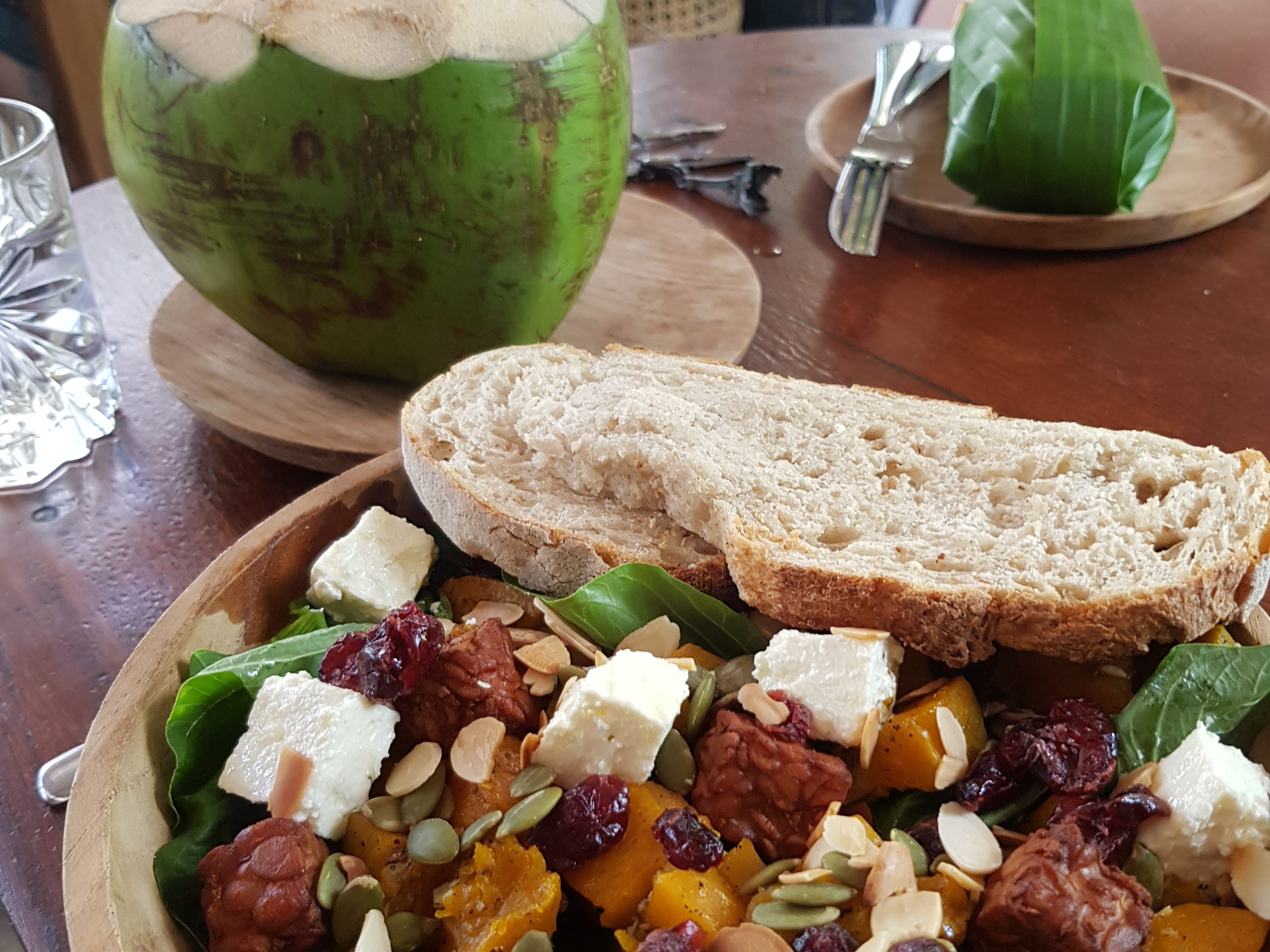
In recent years, the influx of digital nomads to Bali has had a significant impact: prices for food and accommodations have skyrocketed, especially in popular areas like Canggu and Seminyak. However, the internet here is incredibly fast and reliable. You can live with Western standards at a lower cost than back home. You’ll find parties, matcha lattes, fancy bowls, and avocado toast – just as you’d imagine.
Although Bali has become quite crowded, I still love returning and now seek out quieter spots. Which place is best for you? It really depends on what you’re looking for.
My Personal Favorite: Northern Bali
I was looking for tranquility, an affordable spot with ocean views, a reef for diving and snorkeling right at my doorstep, and reliable internet along with some cafes offering bowls and pumpkin cheesecake. That’s why I chose Northern Bali. For a peaceful stay, try Lovina Beach or Amed. Plus, it’s a great base to hop on boats to the Gili Islands.
Gili islands: An adventure awaits
I spent some time on Gili Air for diving and working. During the Wet Season, there are frequent power outages, making the internet unreliable. But on the upside, prices are lower and Bali is less crowded. It usually rains for a few hours a day, and it’s always humid – that’s the same in the Dry Season since we’re near the equator. It also gets dark around 6 PM.
The Gili Islands have three main spots: Gili Trawangan (Gili T), known for its lively nightlife and parties; Gili Meno, the smallest and quietest, perfect for relaxation; and Gili Air, which offers a mix of fun and peace.
-
Best time to visit Bali
The Wet Season in Bali runs from November to March. Expect daily short, heavy showers, high humidity, and warm temperatures. The upside? Fewer tourists and lower prices. The landscape is lush and green, perfect for nature photographers and hikers.
The Dry Season lasts from April to October. The weather is dry and sunny, ideal for beach days, surfing, and outdoor activities. The temperatures are pleasant, and the humidity is lower. However, more tourists mean higher prices and busier beaches. No matter when you visit, Bali always has something to offer..
A note on Nusa Penida
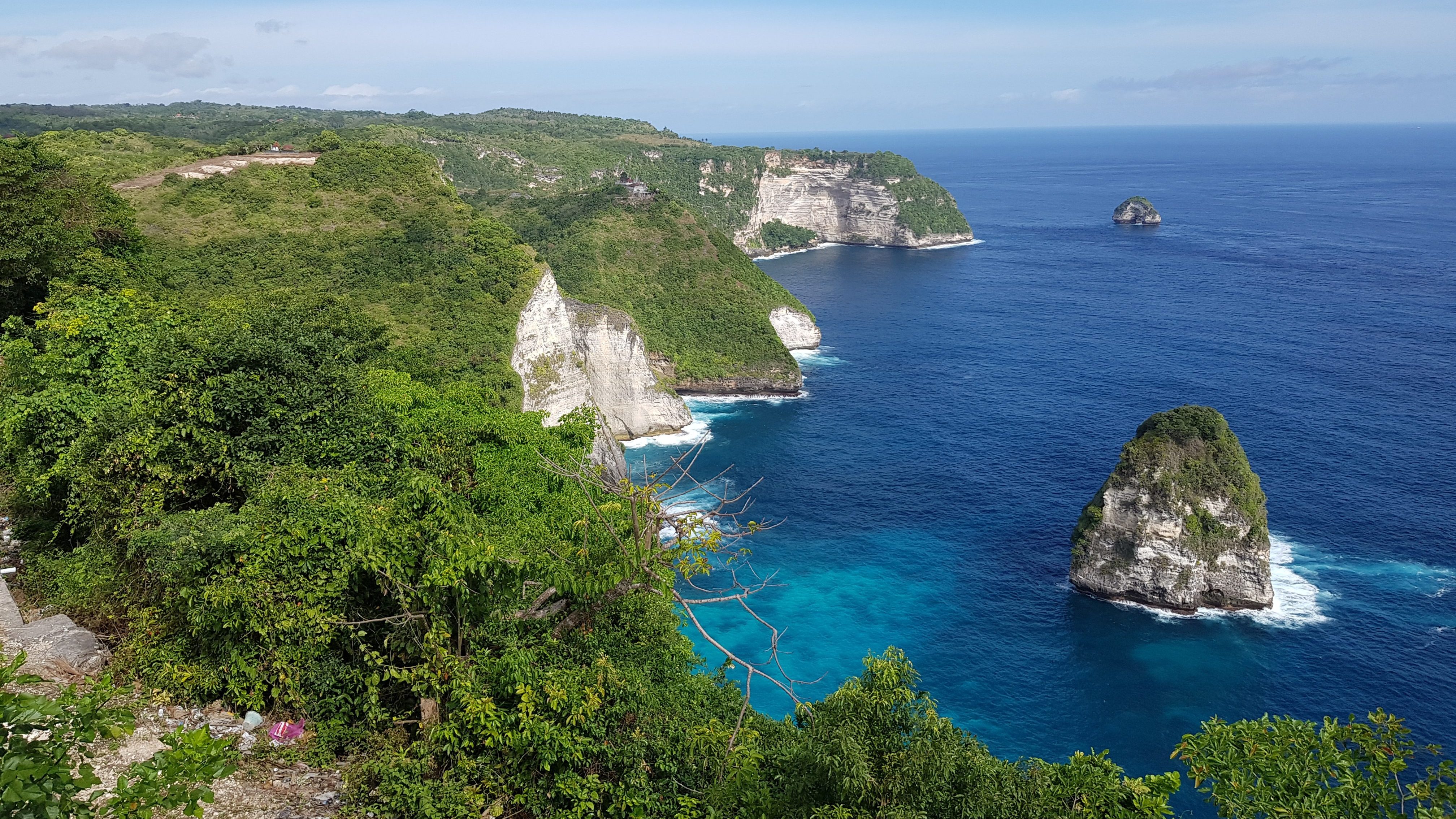
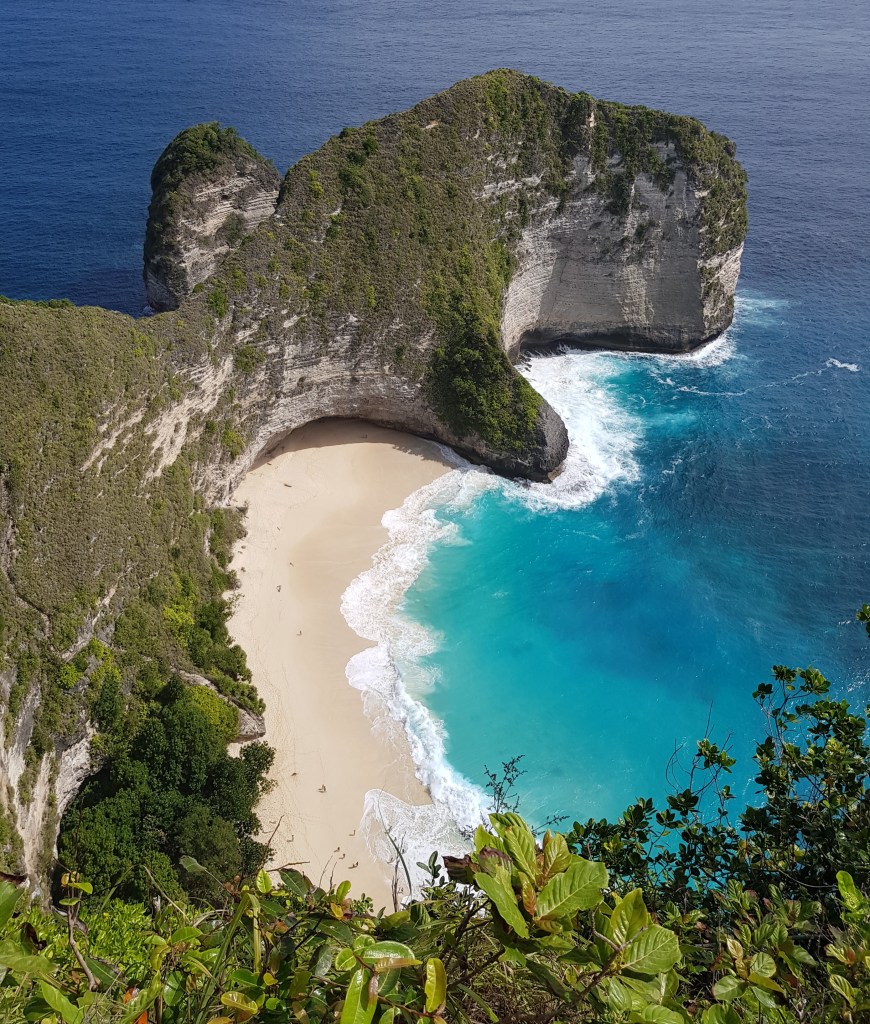
Nusa Penida is famous for its stunning Kelingking Beach and great snorkeling spots. You won’t find “group tours” here. Sounds like perfect individual tourism, right? Unfortunately, no. Every couple or small group ends up in their own car, leading to hours of traffic jams and, ultimately, all end up at the same places.
-
Tours and Instagram hotspots
Bali is a favorite among digital nomads and influencers, brimming with instagrammable spots and guided tours to the best photo ops. Whether it’s the famous swing over the rice fields or the temple that looks like you’re standing on water, Bali has it all. I saw these photos on Instagram and couldn’t resist visiting.
Pro tip: read Google reviews first
Take, for example, the “Water Temple” (Penataran Agung Lempuyang Temple). Despite its name, there’s no actual water there. For the iconic Insta-photo, you pay an entrance fee, stand in line, and a photographer uses a mirror to create the illusion of water.
- Tirta Empul Temple: A sacred temple famous for its holy spring and purifying baths.
- Ubud Monkey Forest: A sanctuary and nature reserve home to over 700 free-roaming monkeys.
- Tegallalang Rice Terraces: Stunning, tiered rice fields perfect for photography and leisurely walks.
- Tanah Lot Temple: One of Bali’s most famous temples, spectacularly perched on a rock in the sea.
- Nusa Penida: An island with breathtaking beaches like Kelingking Beach and many snorkeling spots.
- Mount Batur: An active volcano that you can hike to watch the sunrise.
- Besakih Temple: Known as the Mother Temple of Bali, this is an impressive religious site.
- Sekumpul Waterfall: One of Bali’s most beautiful waterfalls, set in lush greenery.
- Jatiluwih Rice Terraces: A UNESCO World Heritage site with expansive rice fields.
- Goa Gajah (Elephant Cave): A historic archaeological site with a mysterious ambiance.
Ubud – Bali’s cultural heart
Ubud is a unique and popular spot for digital nomads. Due to its higher elevation, it rains more often, resulting in lush, green landscapes. Recently, Ubud has become quite touristy, with large crowds and increased street begging, showing some of the negative impacts of tourism.
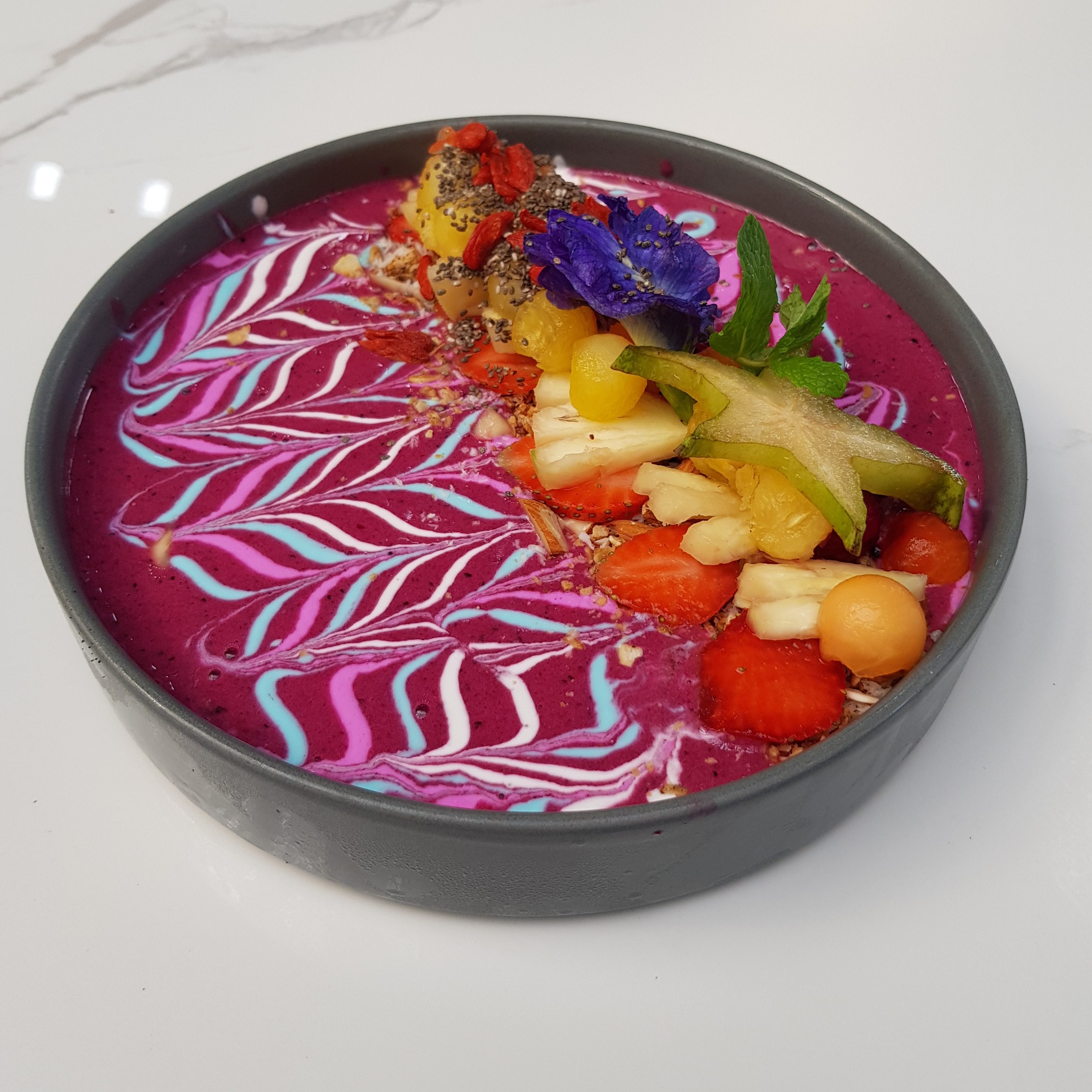
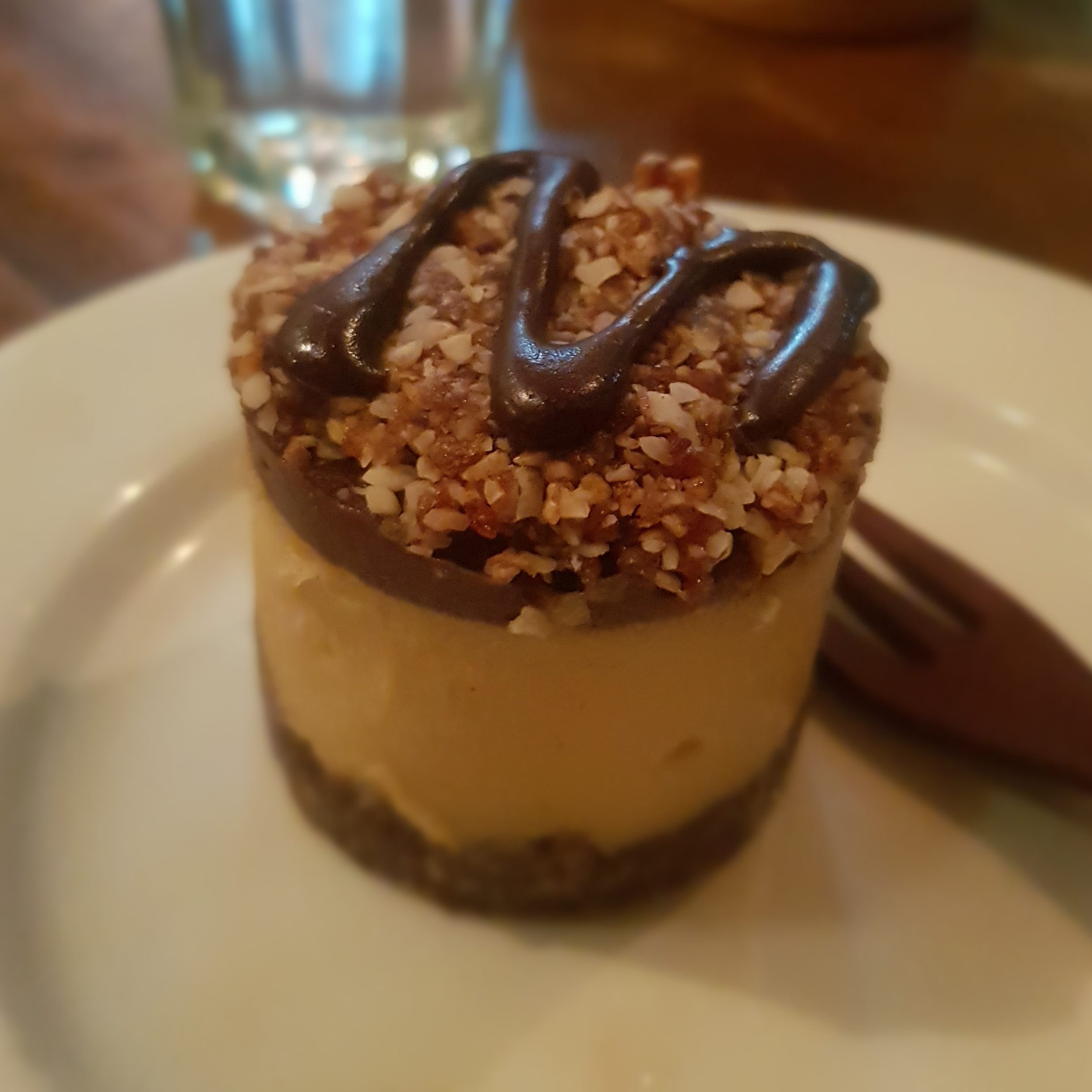
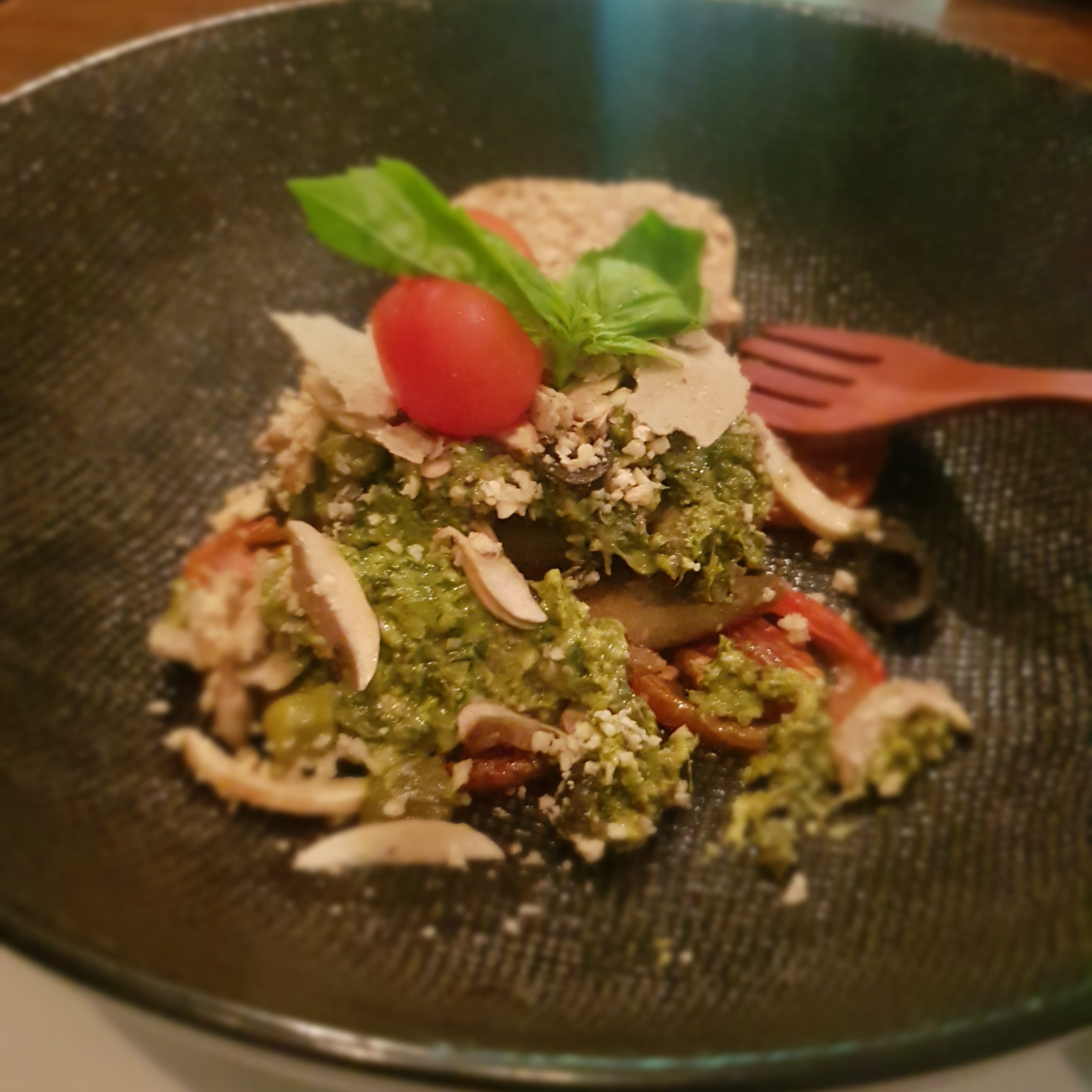
Despite this, Ubud is a foodie paradise. Restaurants like Room4Dessert offer amazing desserts and culinary experiences. The food scene in Ubud is diverse, mixing traditional Balinese cuisine with international dishes. There are plenty of vegan and vegetarian options, making it a popular spot for food lovers.
I highly recommend visiting Ubud. Recently, I spent a foodie weekend there, but I suggest staying outside the main center and visiting the city selectively. There’s so much to try in Ubud. I got a professional dental cleaning – it was time and much cheaper than back home. I also visited a healer to have my Eat-Pray-Love experience. More on that in another blog post!
What to visit in Ubud
Ubud is packed with incredible sights and experiences. Here are some must-visit spots:
Sacred Monkey Forest Sanctuary: A beautiful sanctuary home to hundreds of playful monkeys. It’s a great place to experience nature and wildlife up close.
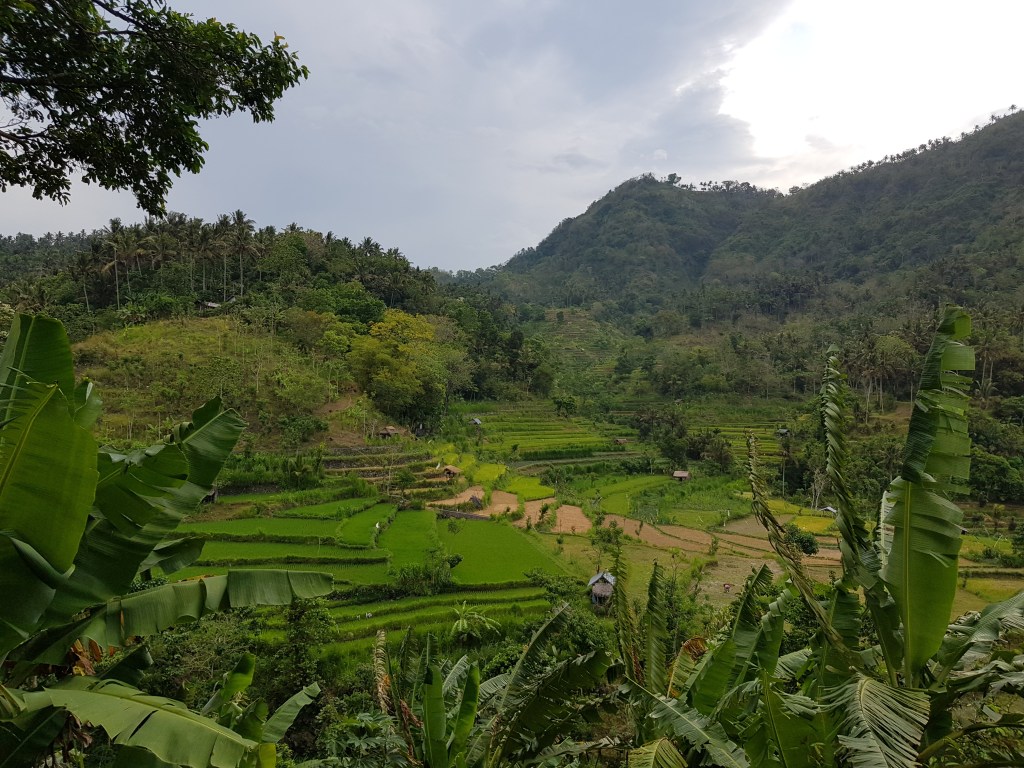
Tegallalang Rice Terraces: These iconic, terraced rice paddies offer stunning views and are perfect for a leisurely walk or some fantastic photos.
Ubud Palace: The historical palace in the heart of Ubud, where you can explore traditional Balinese architecture and often catch cultural performances.
Campuhan Ridge Walk: A scenic trekking route offering breathtaking views of the lush Ubud countryside, perfect for a peaceful morning walk.
Goa Gajah (Elephant Cave): An archaeological site with historical significance and impressive rock carvings, ideal for history buffs.
Yoga Barn: One of the most famous yoga studios in Bali, offering various classes and workshops in a serene environment.
-
Ubud Art Market: A vibrant market where you can buy handcrafted goods, souvenirs, and art from local artisans.
Whether you’re passionate about exploring nature, delving into rich cultural experiences, or immersing yourself in wellness activities, Ubud offers a diverse range of attractions that cater to all interests, ensuring a memorable and enriching experience for every visitor.
Making the time difference work
Everyone needs to figure out how much of a time difference they can manage, especially if they depend on clients or a job back home. Make sure to communicate clearly with them to set expectations about your availability.
I found Bali’s time zone perfect for working on a German schedule. Starting work at 2 PM meant I could sleep in, meditate, have breakfast on the beach, snorkel (or get some exercise with a view), meet my dive buddies for lunch, cool off in the pool, and then start my workday back home in a great mood.
Dinner time in Bali is around lunchtime in Germany. Since I’m not into hitting bars on weekdays, it worked out great for me to get some extra work done after dinner. Think about what kind of routine suits you best as a digital nomad in Bali and plan accordingly.
Co-working in Canggu
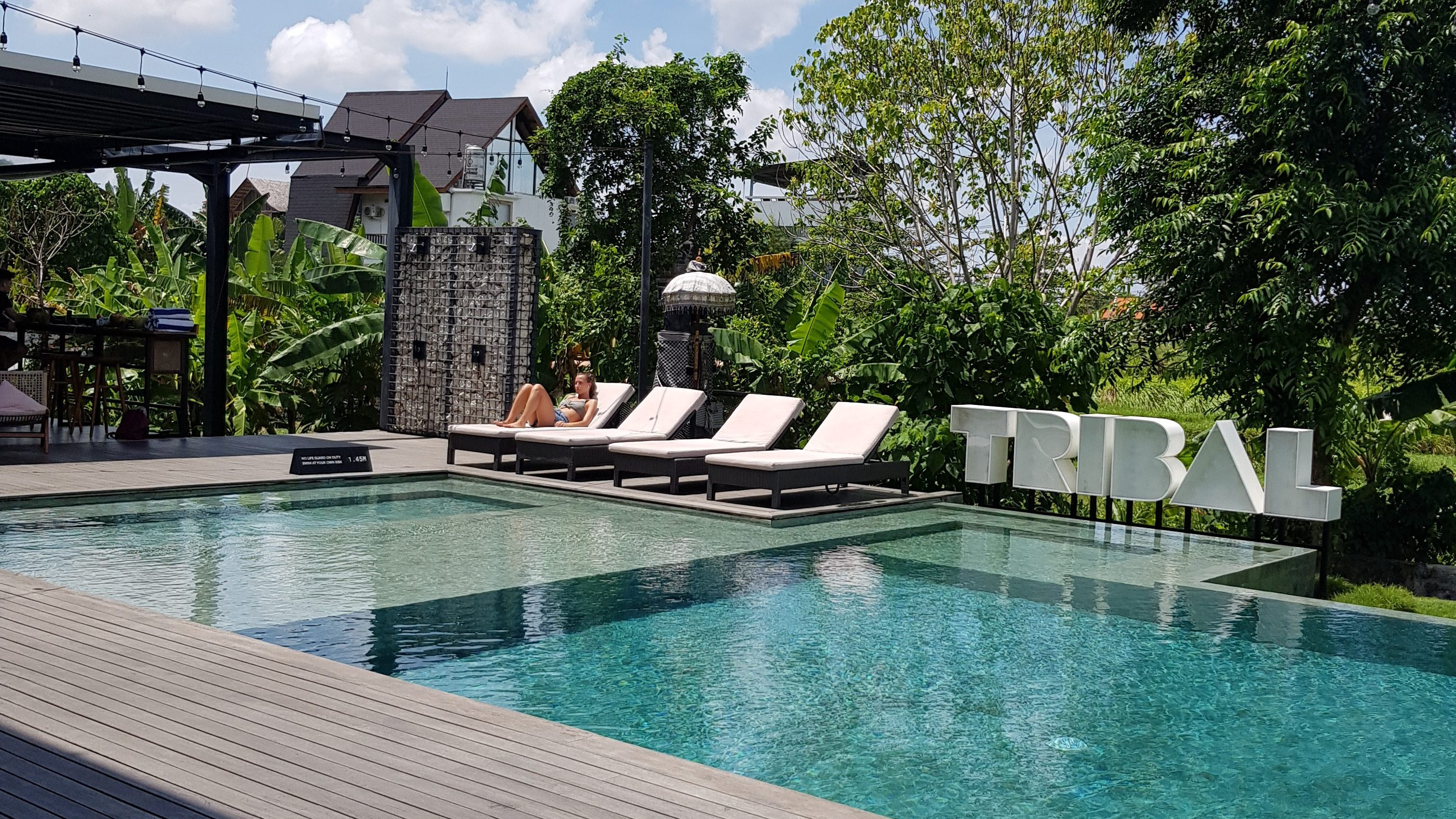
I kicked off my Bali stay at TRIBAL Coworking in Canggu to guarantee reliable internet from the get-go. The place offered fast internet, tasty food, and a pool. However, the dorms were pretty tight and noisy since the sliding doors opened to the café area, which was buzzing with external guests. My tip: If you want dependable internet and can splurge a bit, go for a private room.
-
Entry and visa
You’ll need a visa to enter Bali. I stayed for six weeks and opted for a tourist visa, which required an extension after 30 days.
To keep things simple, I hired Bali Legals to handle it. They started the process, and I just had to show up to pay and sign. Two weeks later, my passport was returned with the new stamp.
For reliable information about visa requirements and conditions, visit the official Indonesian immigration website at Imigrasi Indonesia.
Digital nomads visa Bali
Right now, Indonesia doesn’t have a dedicated visa for digital nomads. Most opt for the tourist visa, which is good for 30 days and can be extended for another 30. After that, you need to leave the country and come back to reset the visa.
Another option is the Social-Cultural Visa, which allows for a longer stay but has to be applied for before you arrive. There are talks about introducing a specific digital nomad visa, but nothing official yet. For the latest info, check the official Indonesian immigration website at Imigrasi Indonesia.
Sustainable and responsible travel
For me, Bali is still a must-visit for digital nomads. It’s laid-back, relaxed, and feels like paradise – even though, more often than not, you might find black volcanic sand instead of white beaches. While they’re still beautiful, sadly, these beaches can be quite littered, but initiatives like Bali’s Biggest Clean Up, Trash Hero Indonesia, and Bye Bye Plastic Bags are making a difference. I always bring a net bag when I go snorkeling to collect trash.
You can help too: avoid plastic straws, disposable cups, and plastic bags at the supermarket. Support local businesses and respect the local culture. Get involved in environmental initiatives and help keep Bali beautiful.
Got questions or suggestions?
I’d love to hear from you! Drop your thoughts, questions, or experiences in the comments. Let’s share the best tips and tricks for living the digital nomad life in Bali!
Subscribe for travel updates
Enter your email to stay informed.
 Solo Nomad Travels
Leave a comment