In 2025, over 60 countries now offer tailored programs for digital nomads, making it easier than ever to explore the world while staying productive. I’ll tell you what the digital nomad visas are about, why they exist and for which countries they are available.
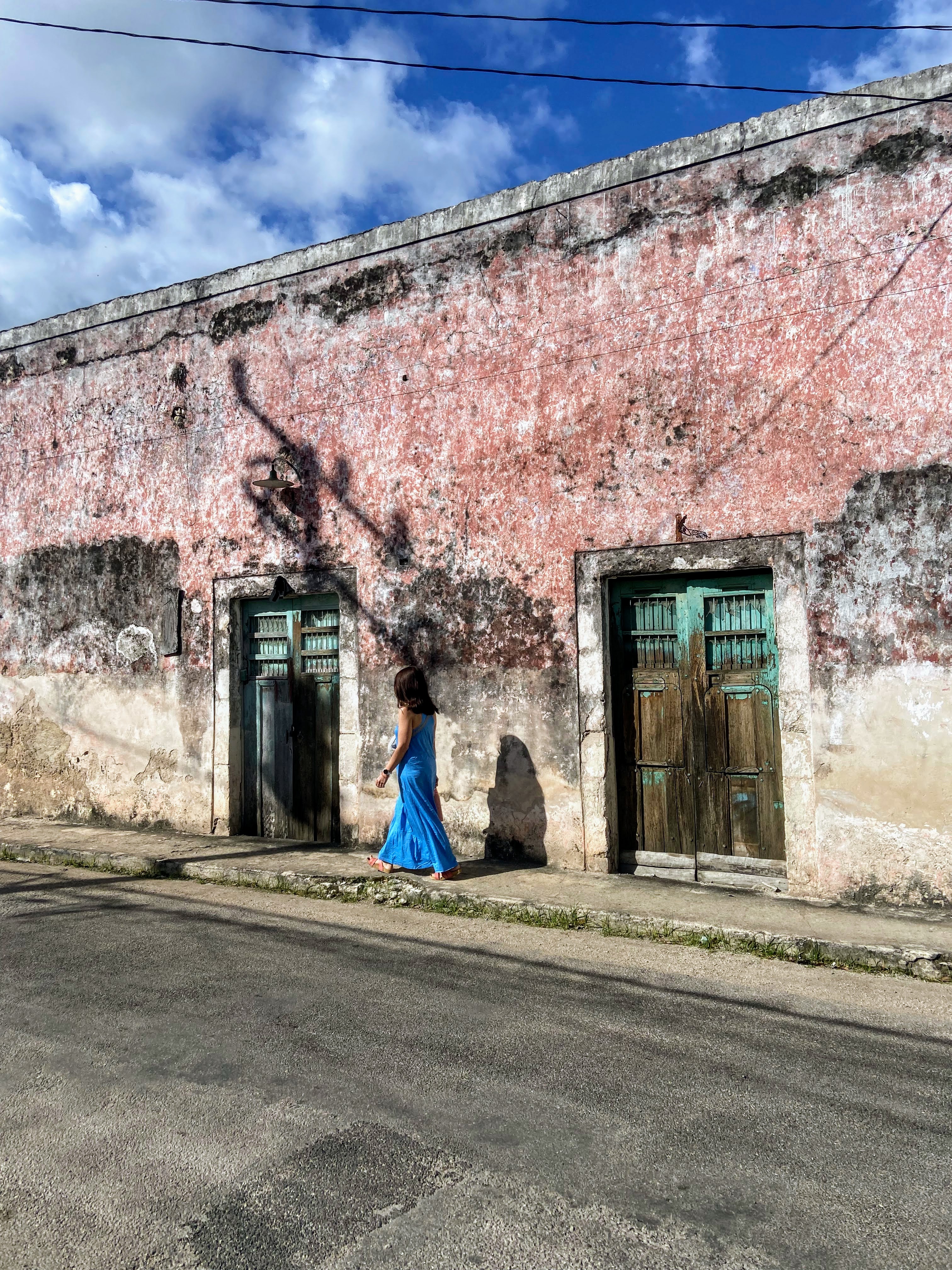

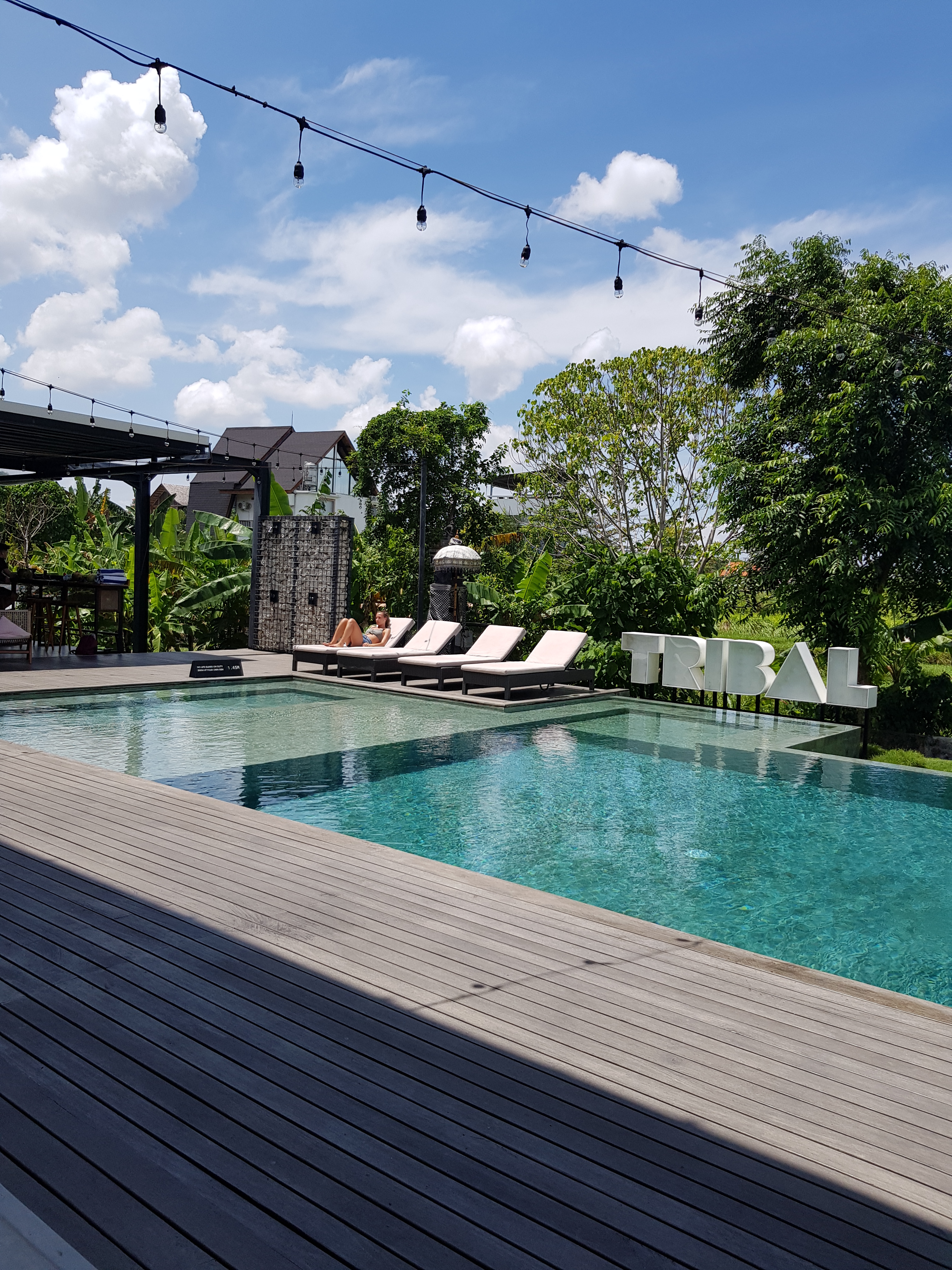
What I love about being a digital nomad?
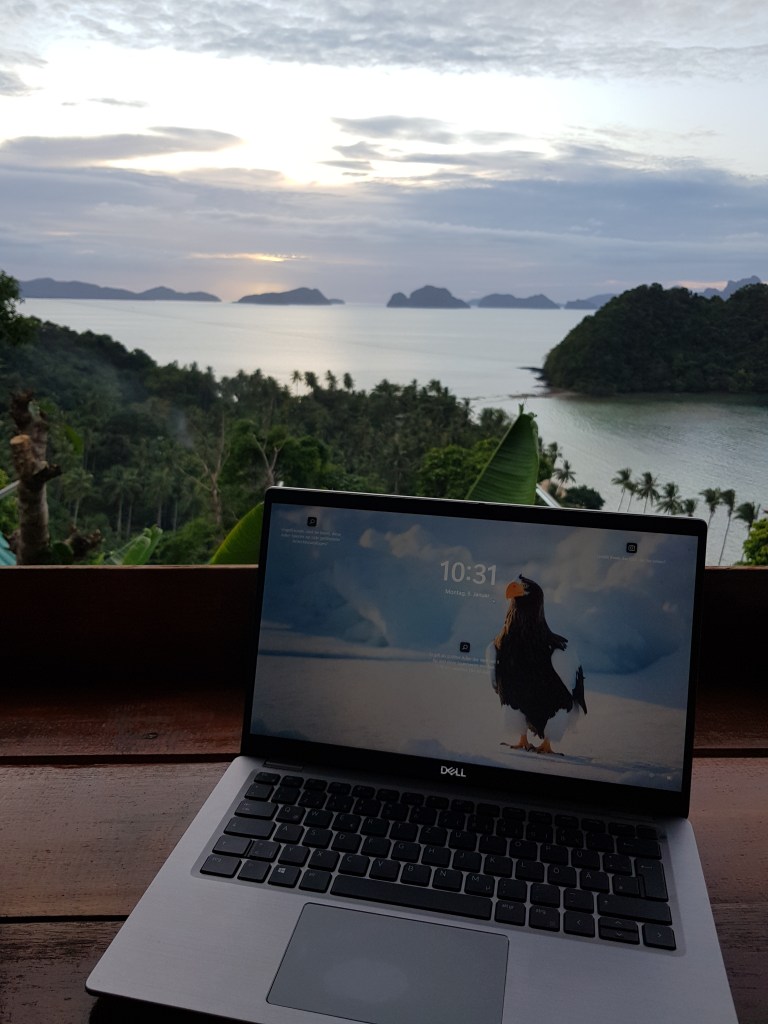
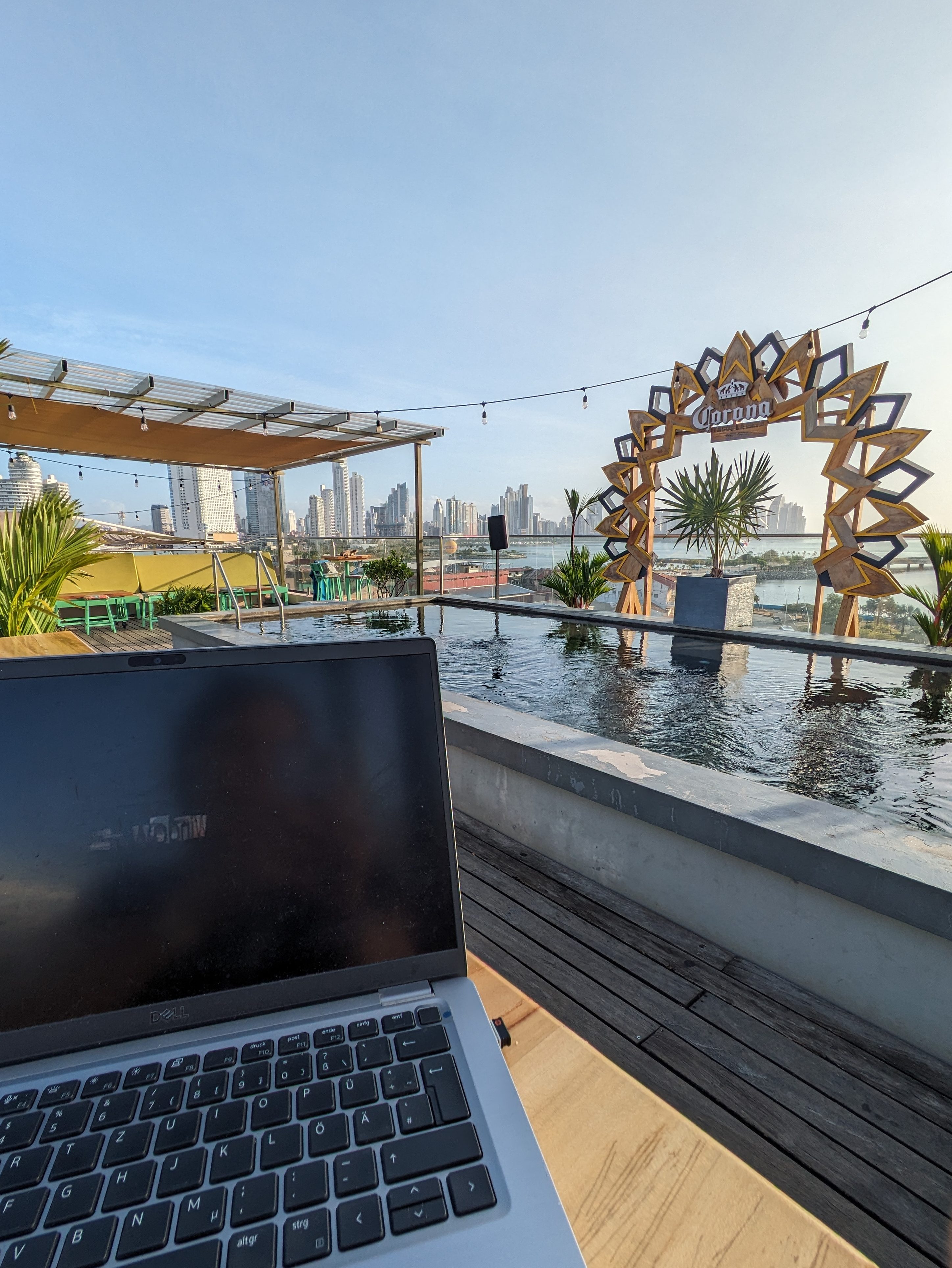
Being a digital nomad has completely changed how I live and work. It’s more than remote work—it’s my way to enjoy life Monday through Sunday.
- Travel isn’t limited to annual holidays.
- I can explore local spots during breaks.
- Weekends sometimes mean a new country.
- Mondays don’t feel like Mondays anymore.
- Snorkeling before work? Yes, please.
- Life abroad can even cost less than home.
For me, it’s all about freedom, discovery, and making the most of every day..

Understanding digital nomad visas
Digital nomad visas are specialized permits that allow remote workers to live in a country while working online for employers or clients abroad. These visas offer a structured way to reside legally, often for extended periods, compared to tourist visas.
Why do host countries offer digital nomad visas?
For many countries, digital nomad visas are more than just a way to attract visitors—they’re a strategic investment:
- Economic boost: Long-term stays mean consistent spending on housing, dining, transportation, and local services, injecting money into the economy.
- Visa fees generate revenue: Many digital nomad visas come with application fees ranging from $100 to $2,000, depending on the country. This creates a steady stream of income for governments while ensuring only serious applicants apply.
- Promoting tourism: Digital nomads often explore beyond major cities, supporting off-the-beaten-path destinations.
- Cultural exchange: By bringing in global talent, countries encourage knowledge sharing and diversity in local communities.
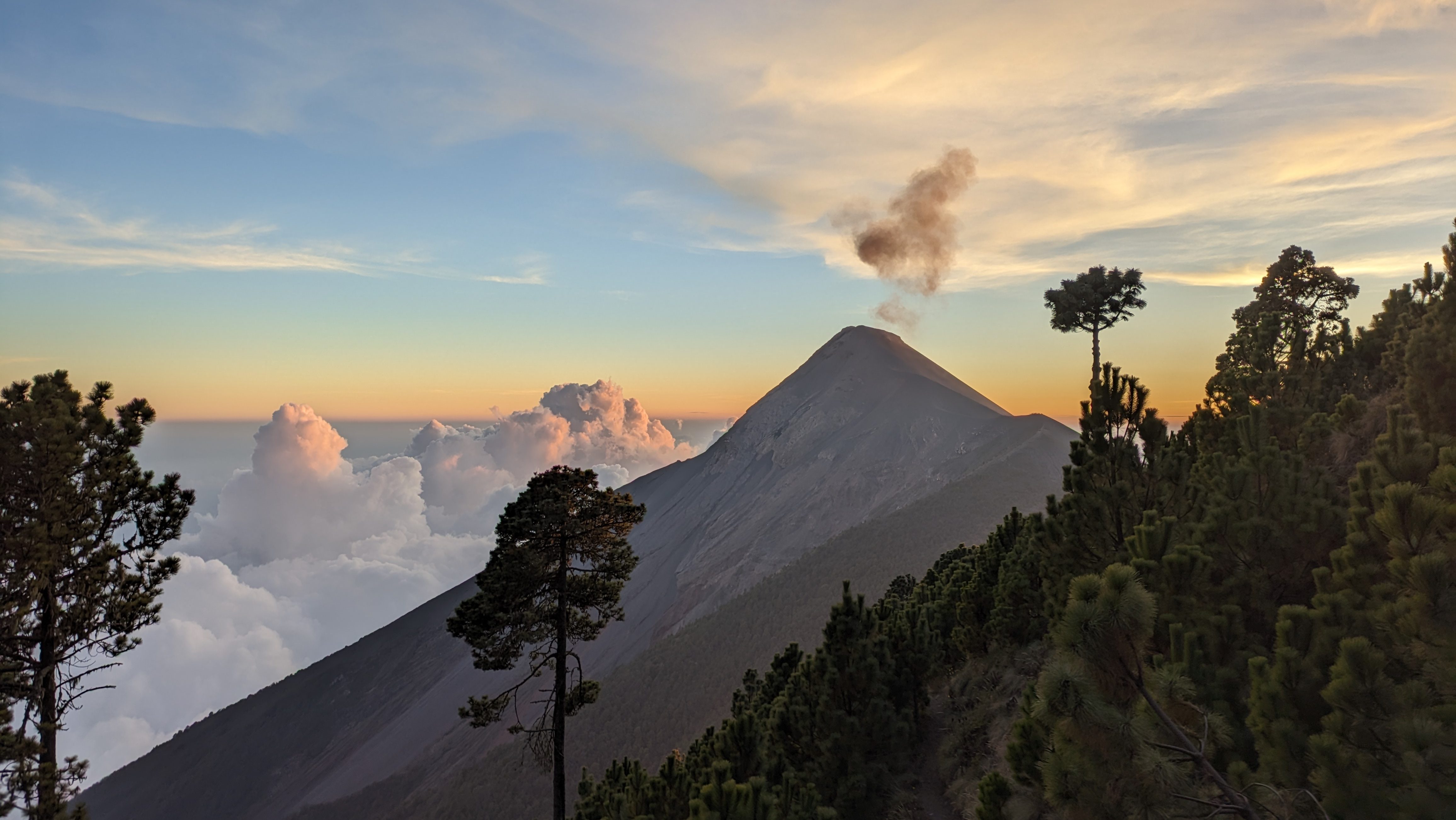
Why should nomads consider these visas?
Digital nomad visas are beneficial for remote workers who want to live abroad while staying compliant with local laws:
- Stay legally: Unlike tourist visas, digital nomad visas legitimize remote work, protecting you from legal issues.
- Longer stays: Many tourist visas only allow 30-90 days, while digital nomad visas typically grant stays of 6-12 months or longer.
- Access to perks: In some cases, digital nomad visas come with benefits like tax incentives, access to healthcare, or eligibility for national services.

Taxes on digital nomad visas: What to expect?
Whether you pay taxes depends on the country and your tax residency status.
1. When taxes may apply
- Short Stays: Many countries exempt you from taxes if your stay is under 183 days in a calendar year (e.g., Croatia, Georgia).
- Long stays: Exceeding 183 days may trigger tax residency, requiring you to pay local taxes (e.g., Spain, Portugal).
- Flat tax options: Some countries impose a fixed rate for nomads regardless of income (e.g., Greece with a 7% flat tax for up to seven years).
2. Countries that don’t tax nomads
Some countries explicitly waive taxes for digital nomads earning income abroad:
- Barbados (Welcome Stamp)
- Georgia (Remotely from Georgia Program)
- Cayman Islands
3. Avoiding Double Taxation
Tax treaties between countries can help ensure you’re not taxed twice. Check with a tax advisor to navigate these agreements.
In short, you may not owe taxes in your host country, but it’s vital to verify local rules and consider your home country’s tax obligations.

Can you just work while on a tourist visa?
Technically, no. That’s why, when going through immigration, you’ll get asked what your purpose of travel is: Tourism or work? Most countries prohibit working on a tourist visa, even if you’re doing remote work for a company abroad. Here’s why it’s risky:
- Legal issues: Working without the correct visa could result in fines, deportation, or travel bans.
- Peace of mind: Having the right visa ensures you can focus on work without worrying about breaking local laws.
- Support local economies: Nomad visas are designed to contribute to the economy, making you a welcomed guest instead of a gray-area traveler.
Applying for a digital nomad visa is a win-win—it helps host countries thrive and allows you to live and work abroad legally and comfortably.

Countries with digital nomad visa – by region
Europe for digital nomads
Europe feels like a second home to many digital nomads because of its mix of modern amenities and cultural depth. Every country has its own rhythm, and you’ll find something that matches your pace. But be prepared to pay for it – life isn’t as cheap as in Asia, but definitely less expensive than the States.
- Estonia: A pioneer with its Digital Nomad Visa, offering up to 12 months of stay.
- Portugal: Features a residence visa for remote workers.
- Spain: Provides a digital nomad visa for non-EU citizens.
- Croatia: Allows stays of up to one year with its Digital Nomad Visa.
- Greece: Requires proof of income for its digital nomad visa.
- Estonia: A pioneer with its Digital Nomad Visa, offering up to 12 months of stay.
- Malta: Offers a nomad residence permit.
- Iceland: Features a long-term visa for remote workers.
- Hungary: Introduced the White Card for digital nomads.
- Latvia: Provides a digital nomad visa for remote workers.
- Romania: Introduced a digital nomad visa with specific criteria.
- Norway: Offers a remote worker visa for digital nomads.
- Cyprus: Provides a digital nomad visa for non-EU citizens.
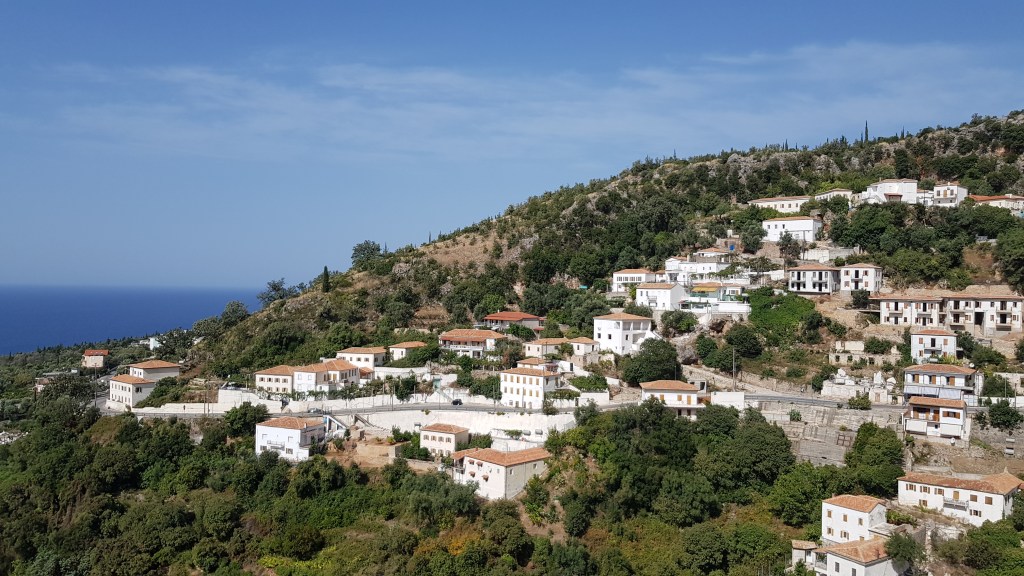
- Albania: Offers a unique permit for digital nomads and foreign business owners.
- Andorra: Provides a digital nomad visa with specific requirements.
- North Macedonia: Offers a digital nomad visa with specific criteria and low costs.


Central America for digital nomads
Working in Central America allows digital nomads to experience a blend of vibrant cultures, diverse landscapes, and reliable connectivity. With low prices making it an attractive destination for remote work.
- Mexico: Offers a Temporary Resident Visa suitable for digital nomads.
- Belize: Provides the “Work Where You Vacation” program.
- Bahamas: Introduced the BEATS program for digital nomads.
- El Salvador: Offers a digital nomad visa.
- Bermuda: Provides the Work from Bermuda Certificate.

Caribbean
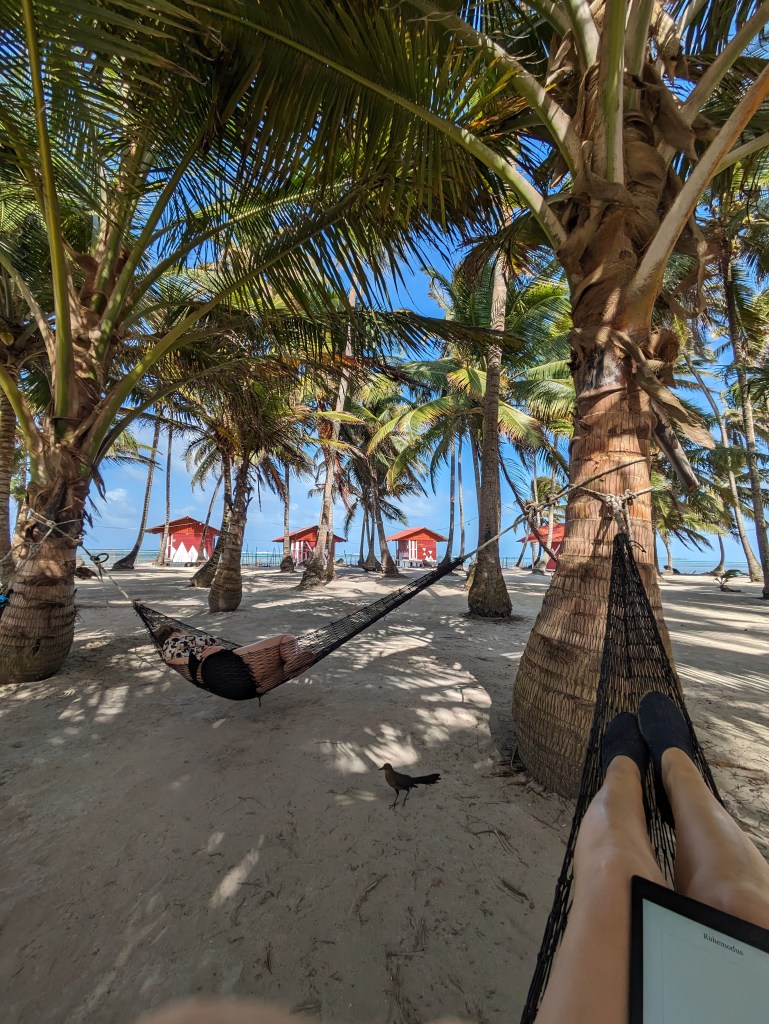
The Caribbean is where I go when I want to combine work with a slower lifestyle. Life feels simpler here, and the scenery is unbeatable.
- Barbados: Offers the Welcome Stamp visa for remote workers.
- Bermuda: Provides the Work from Bermuda Certificate.
- Bahamas: Introduced the BEATS program for digital nomads.
- Curaçao: Offers the @Home in Curaçao program.
- Dominica: Provides the Work in Nature visa.
- Antigua and Barbuda: Offers the Nomad Digital Residence visa.
- Anguilla: Provides the Work from Anguilla certificate.
- Montserrat: Introduced the Remote Worker Stamp permit.
- Saint Lucia: Offers the Live It program for remote workers.
- Grenada: Provides a digital nomad visa under the Remote Employment Act.
- Cayman Islands: Offers the Global Citizen Concierge Program visa.
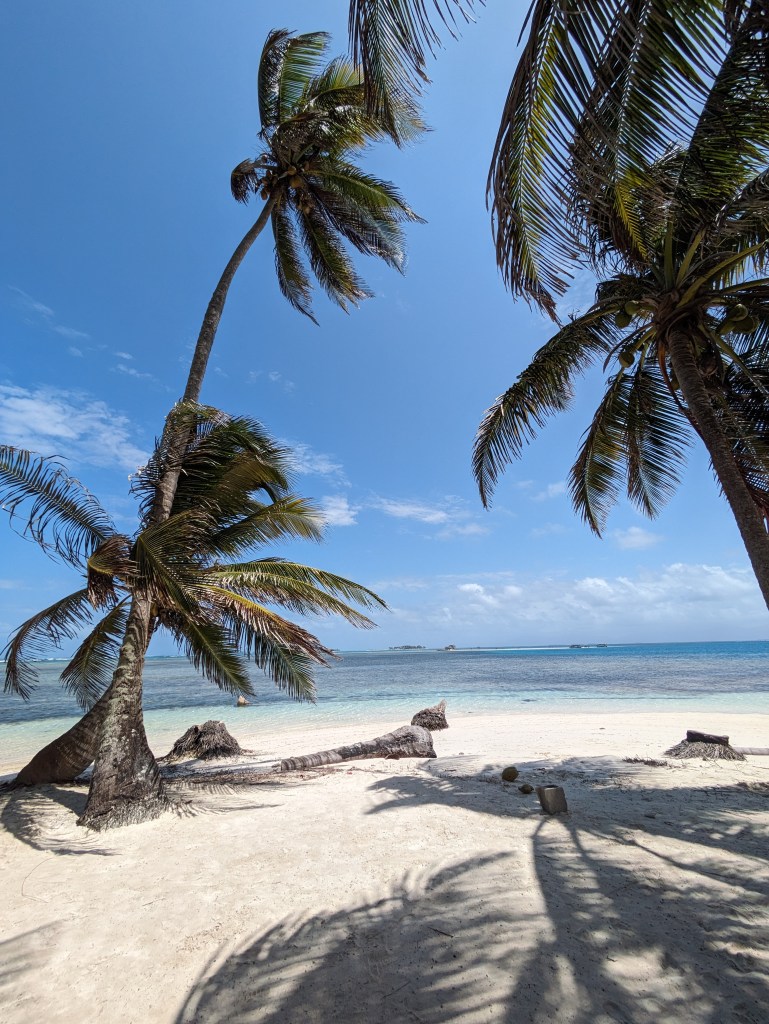
South America
I’ve always loved South America for its diversity and affordability. It’s a region where your money goes further, and you can experience so many different cultures without traveling far..
- Brazil: Provides a digital nomad visa for remote workers. Working in Brazil means enjoying its lively culture and natural wonders.
- Argentina: Introduced a digital nomad visa valid for six months. The affordable cost of living and café culture in cities like Buenos Aires stand out.
- Colombia: Offers a digital nomad visa with a two-year validity. Its mix of urban life and natural escapes keeps workdays balanced.
- Ecuador: Provides a digital nomad visa for remote workers. The proximity to both the Andes and the Galápagos makes Ecuador special.
- Uruguay: Offers a provisional identity card for digital nomads. Uruguay’s safety and high quality of life are reassuring for long stays.

Africa
Africa’s digital nomad scene is growing. The unique landscapes and affordable costs are drawing more remote workers every year. December to February in Cape Town was the best “summer” of my life – thanks to the temperatures, people, landscape and activities.
- Mauritius: The Premium Visa is valid for one year. Mauritius combines good internet with island life—it’s easy to find focus here.
- Namibia: The six-month visa is perfect for working with a backdrop of stunning deserts and wildlife.
- Cape Verde: The Remote Working Program offers flexibility. It’s a peaceful place for those who want to slow down.
- South Africa: The Remote Work Visa allows stays of up to one year.



Asia and the Middle East
Asia’s affordability and culture have made it popular among remote workers. There’s a mix of busy cities and quiet escapes depending on your mood.
- Thailand: The long-term resident visa is a solid option. I’ve loved working from Chiang Mai, with its affordable living and great coworking spaces.
- Indonesia (Bali or Lombok): Plans for a five-year digital nomad visa are in progress. Bali’s beaches and coworking scene make it a classic choice.
- Malaysia: The DE Rantau Nomad Pass is straightforward. Kuala Lumpur is modern, and you’re never far from nature.
- United Arab Emirates (Dubai): Their virtual working program offers top-notch infrastructure.
- Japan: Introduced in April 2024, Japan’s Digital Nomad Visa allows remote workers to live and work in the country for up to six months. Applicants must have an annual income of at least 10 million Japanese yen and be citizens of specified countries.
- South Korea: Set to launch in mid-2023, South Korea’s digital nomad visa will permit remote workers to stay for one year, with the possibility of a one-year extension.
- Taiwan: Taiwan offers a digital nomad visa, allowing remote workers to live and work in the country.
- Sri Lanka: Sri Lanka has announced a six-month pilot program providing free 30-day tourist visas to travelers from 35 countries, including the US, UK, and India, starting October 1, 2024, through April 2025.
- Armenia: Offers a one-year residence permit for digital nomads who register as sole proprietors. Renewable and family-inclusive.
- Georgia: The “Remotely from Georgia” program allows stays of up to one year, requiring proof of remote work and income of at least $2,000/month.
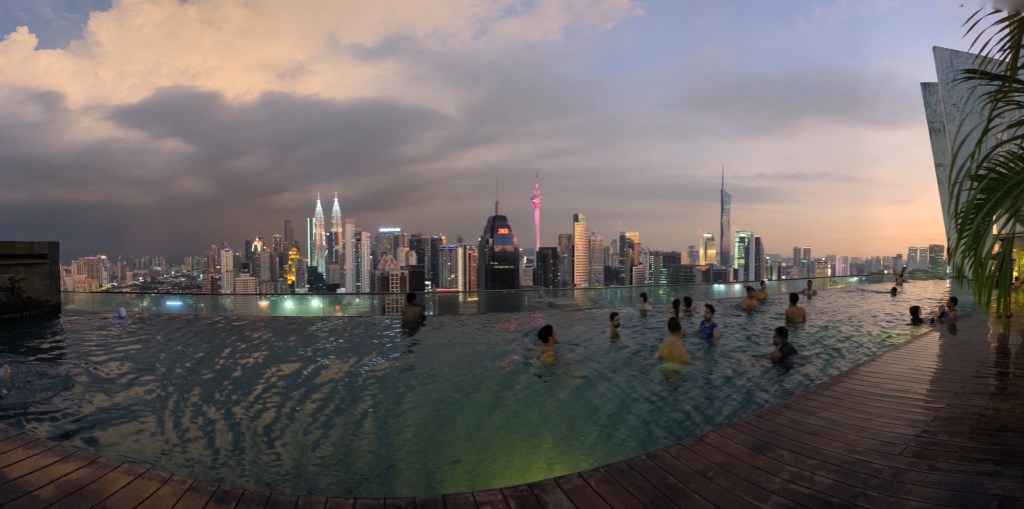

The Best Destinations for Digital Nomads in 2025
Finding the perfect destination as a digital nomad means balancing reliable internet, affordability, and vibrant communities. Here are the top spots for 2025 that combine work-friendly environments with unforgettable experiences.
- Chiang Mai, Thailand: Affordable, welcoming, and equipped with fast internet.
- Bali, Indonesia: A tropical paradise with vibrant coworking communities. One of the hotspots, but for good reason.
- Medellín, Colombia: Great weather, modern amenities, and a growing digital nomad scene.
- Lisbon, Portugal: Historic charm meets high-speed internet and excellent quality of life.
- Tbilisi, Georgia: Low cost of living, friendly locals, and visa-free stays for many countries.
Looking for the ideal destination to match your digital nomad lifestyle and budget? Check out this page to find out how to choose the best destination for your needs.

How to live frugally to get nomad life started?
Check out tips here, on how to save as a digital nomad.
More questions? Share them in the comments below!
Continue reading

Living the dream life on the beach, sipping mango juice, needs to be funded. Even though the cost of living in Southeast Asia is cheaper than in many Western countries, you still need to cover the travel expenses to get there.

Maybe you already have a dream destination in mind, which makes the decision easy. However, there are a few prerequisites you should check before booking your flights. I’ve summarized the most important ones here.
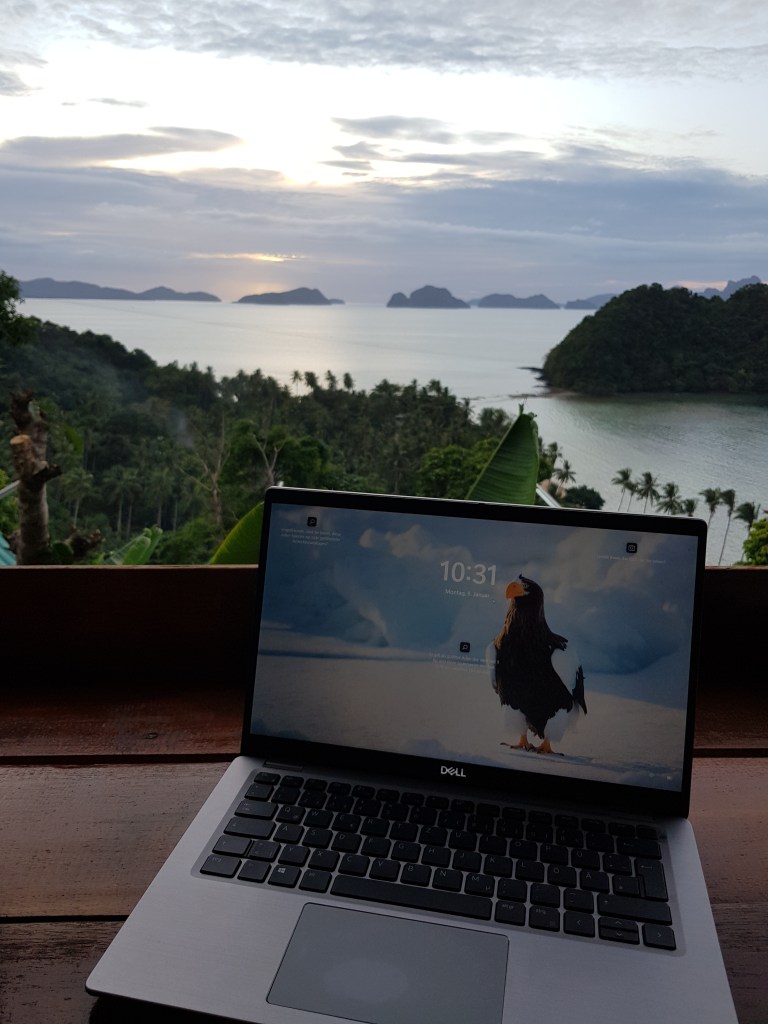
Not every job can be done from abroad. Even for roles that are fully computer-based, some employers still prefer their employees to work from the office. Here’s what I’ve learned along the way!
 Solo Nomad Travels
Leave a comment