Tenerife, the largest of Spain’s Canary Islands, offers an incredible mix of affordability, natural beauty, and a vibrant digital nomad community. It’s definitely my favourite place in Europe to escape winter.

Key aspects for digital nomads
From its laid-back surf towns to charming local villages, the island provides endless opportunities to balance work and leisure. Whether you’re seeking quiet coworking spaces, lush green hikes, or pristine beaches, Tenerife has it all.
Overview of Digital Nomad Life in Tenerife
- Cost of living: €1,500–€2,500 per month, including rent.
- WiFi reliability: High-speed internet in most areas, cafés, and coworking spaces.
- Language: Spanish; English widely spoken in tourist areas.
- Food: Excellent vegetarian options and local specialties.
- Accommodation costs: Dorms from €20; private Airbnb options from €40.
- Getting there: Flights to Tenerife South (TFS) and Tenerife North (TFN).
- Getting around: Efficient bus network (TITSA); affordable car rentals.
- People: Friendly and laid-back.
- Gyms: Indoor and outdoor options in urban areas.
- Visa: Schengen visa for 90 days; long-stay visa options available.
- Personal recommendation: Great for digital nomads who enjoy outdoor activities, cultural experiences, and quiet work-friendly spaces.
Best places to live, work, and explore
Balancing work and play in Tenerife is easy, with locations tailored to every preference. Whether you’re drawn to surf-town vibes, cultural hubs, or scenic coastal retreats, the island offers something unique in every corner.
Working in Santa Cruz de Tenerife
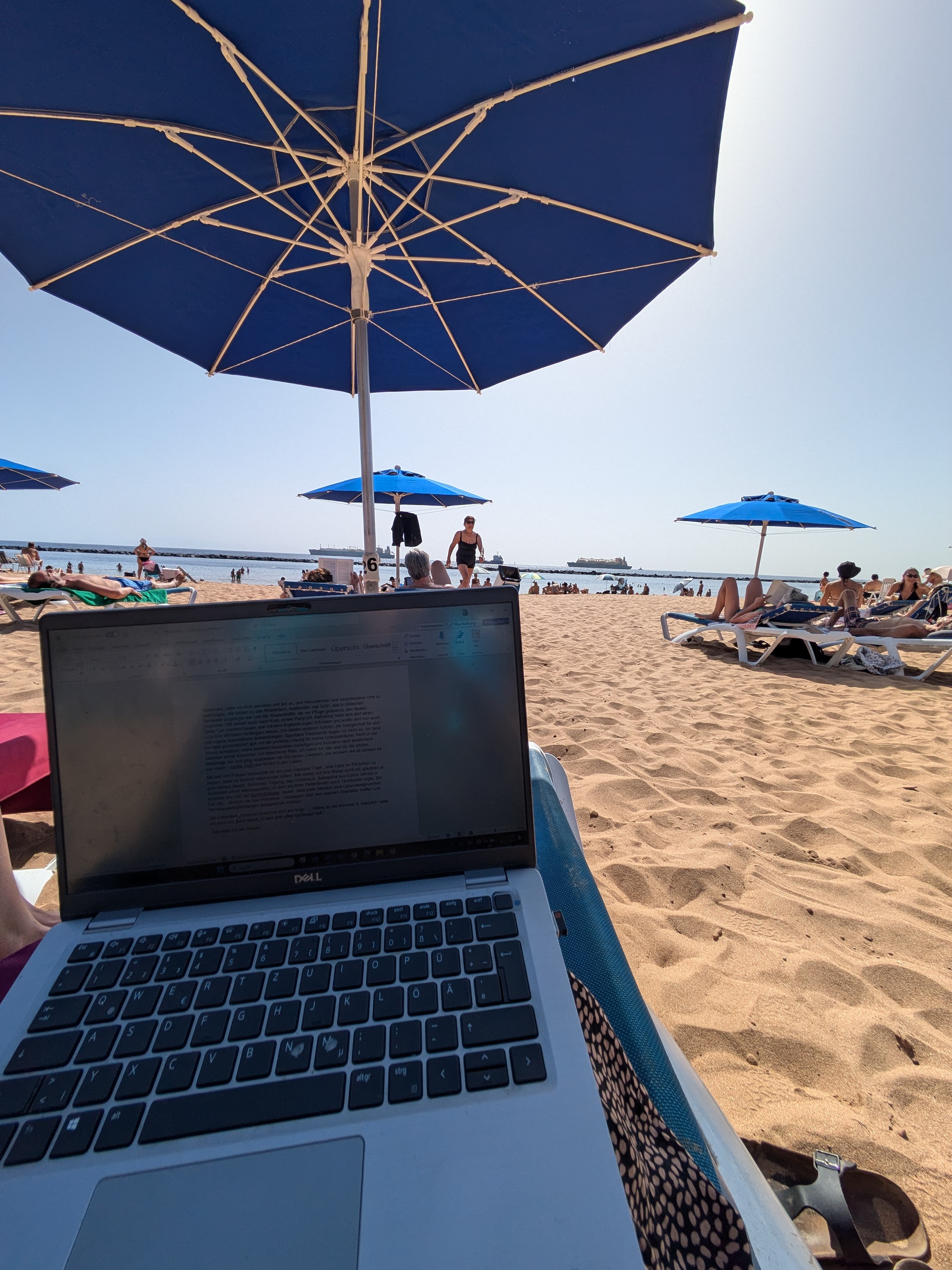
Santa Cruz, Tenerife’s capital, combines a bustling city vibe with rich culture and history. It’s moderately priced and features excellent transport links, shopping, and a white-sand beach.
- Café recommendation: Cafeteria Figueroa for coffee and a productive atmosphere.
- Accommodation: Urban Hostel offers affordable stays with coworking spaces.
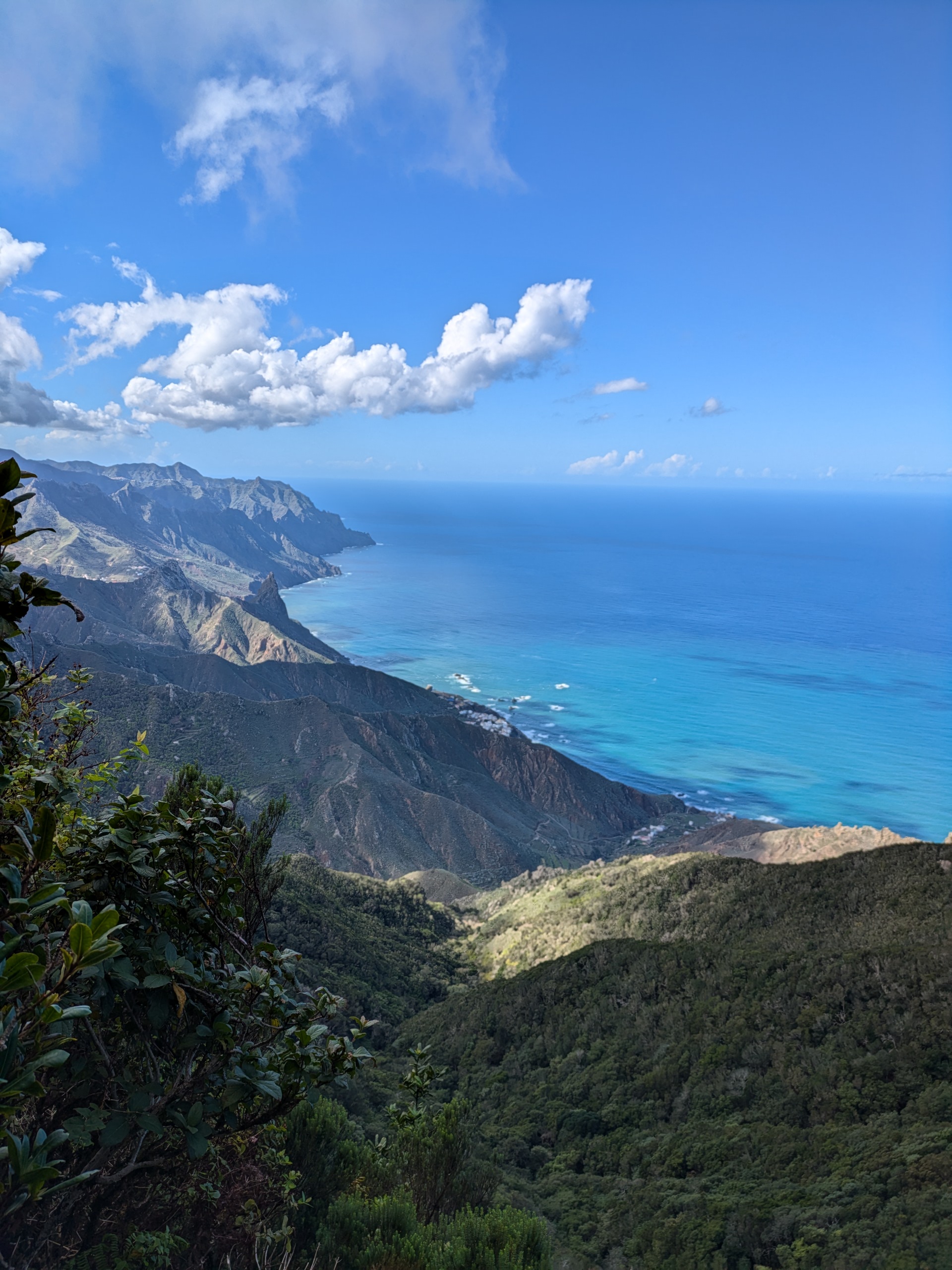
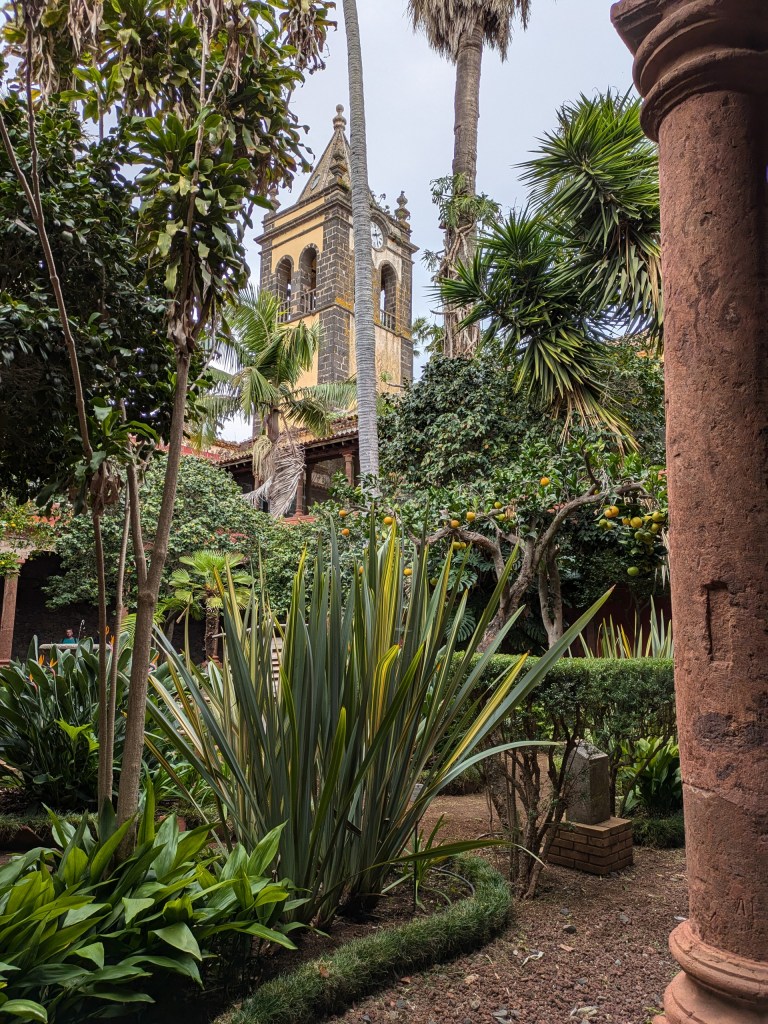
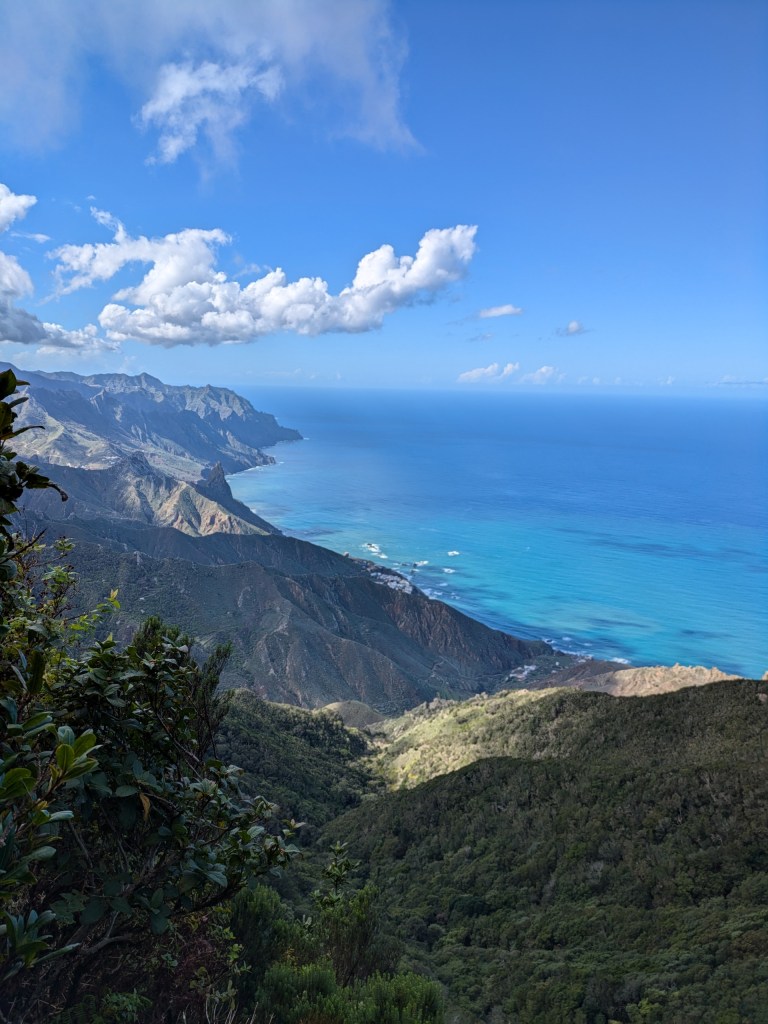
- Things to do: Relax at the white-sand beach Las Teresitas, one of Tenerife’s few beaches with golden sand. Visit the nearby town of San Cristóbal de La Laguna, known for its stunning historic architecture. For nature lovers, explore hiking trails in the lush, green Anaga mountains.
Working in Candelaria
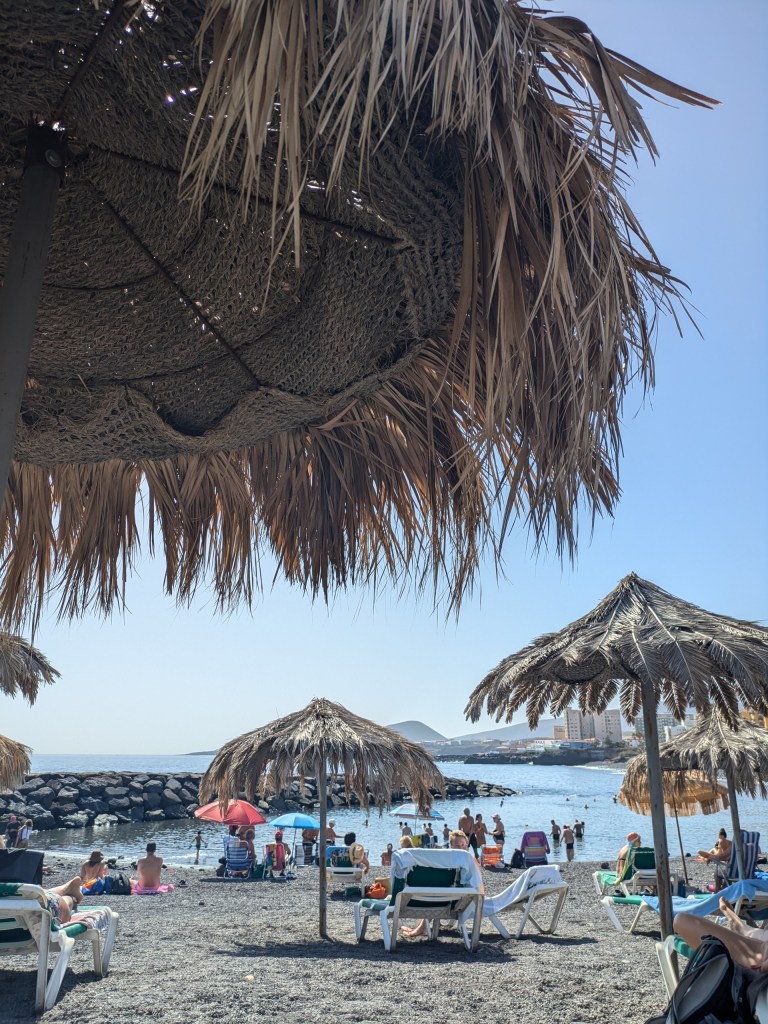
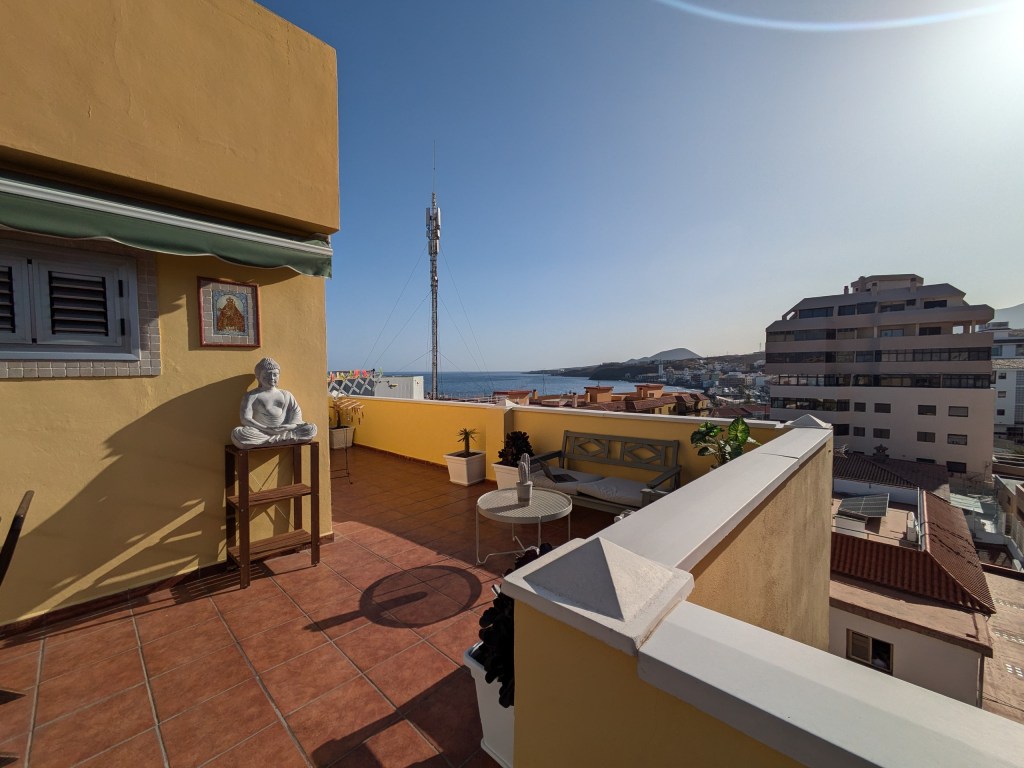
Coastal living with stunning ocean views. More expensive, but the scenic location is worth it. Enjoy the Sea Point Promenade or hike Lion’s Head.
- Café recommendation: Ducí Cafetería Pastelería Heladería Artesanal (pistachio heaven).
- Accommodation: Affordable Airbnbs with rooftop terraces make for a cozy and productive stay.



Working in in El Médano
El Médano is a surfer’s paradise with a relaxed beach town vibe. Its barren yet beautiful surroundings make it ideal for those seeking tranquility and water sports.
- Café recommendation: Bliss Café, a top spot for remote workers (great vegetarian burger).
- Accommodation: Day Dream Co-Living offers modern spaces tailored for digital nomads.
- Day trip idea: Stay in town for great coworking opportunities at Bliss Café or explore the local beach scene.
Working in Los Cristianos
Los Cristianos is known for its golden beaches, vibrant nightlife, and excellent dining options, it offers plenty of opportunities to unwind after a productive day..
- Café recommendation: Chill Out Café offers a relaxing atmosphere with reliable WiFi and great coffee.
- Accommodation: The Woodstock Hub.
- Day trip idea: Take a ferry to La Gomera, a nearby island ideal for hiking and exploring
Working in Garachico
Garachico is a charming and quiet town on Tenerife’s northwest coast, ideal for digital nomads who prefer a peaceful and reflective environment.
- Café recommendation: Try Café Mirador de Garachico, which offers stunning views and a quiet space to work.
- Accommodation: Consider a stay at a boutique guesthouse like Hotel La Quinta Roja, which combines comfort with historic charm.
- Day trip idea: Explore the nearby Masca Village, a scenic mountain retreat with hiking trails, or visit the Teno Lighthouse for breathtaking coastal views. Both destinations are accessible by car or a combination of buses.

Personally, I prefer Candelaria for its balance of local charm, affordability, and accessibility. The small beach, rooftop terraces, and peaceful atmosphere make it perfect for focused workdays and relaxed evenings.
A perfect day trip: Canderlaria to the western side
- Icod de los Vinos
- Garachico
- La Orotava
- Puerto de la Cruz
Explore Tenerife’s western gems with ease using the TITSA bus network and a Ten+ card.
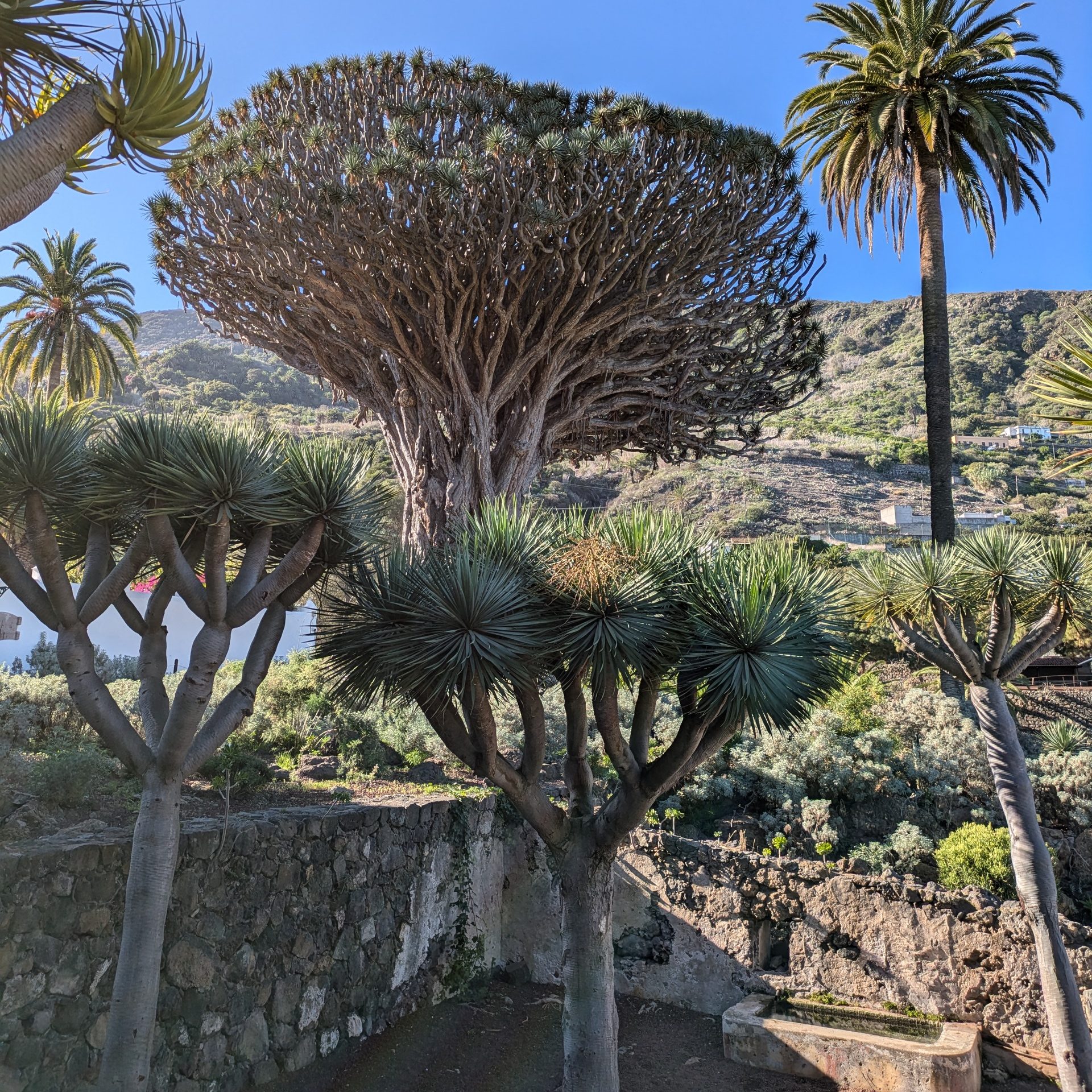
Head to Santa Cruz: From there take a 1.5-hour bus ride to Icod de los Vinos, known for the ancient Drago Milenario. Admire it from the church plaza (no need to buy a ticket) and enjoy a vino in this quaint town.
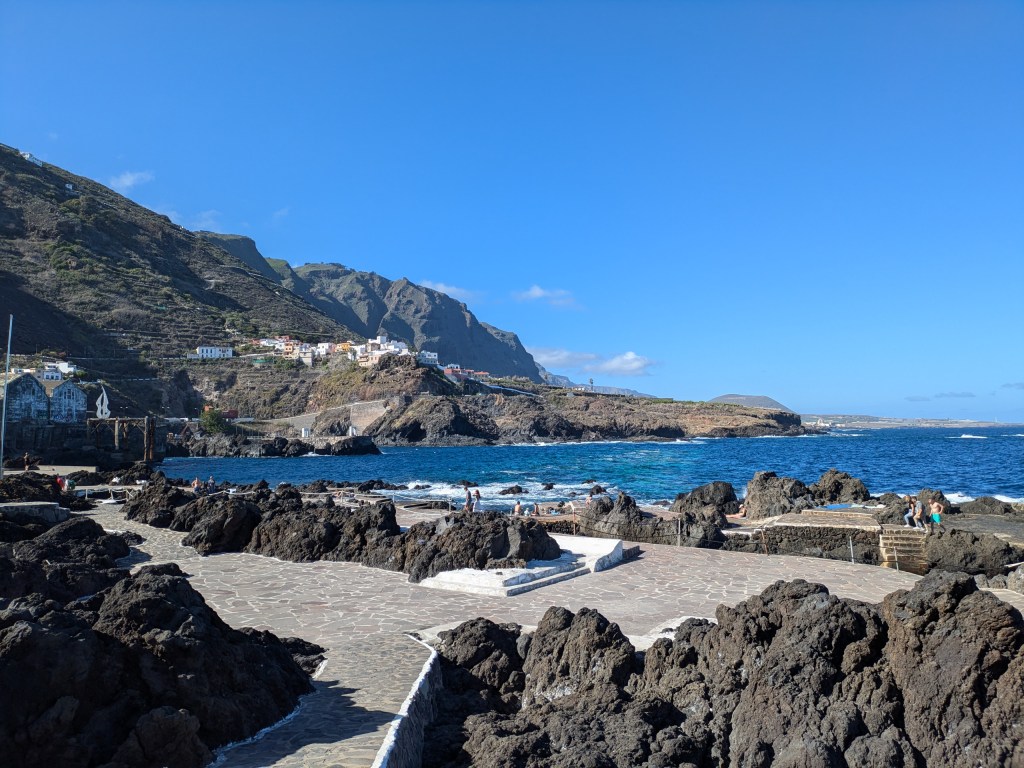
Next Stop – Garachico: A 15-minute bus ride brings you to this charming seaside village with lava pools and cobblestone streets. Dip in the pools or savor ice cream at a local café.

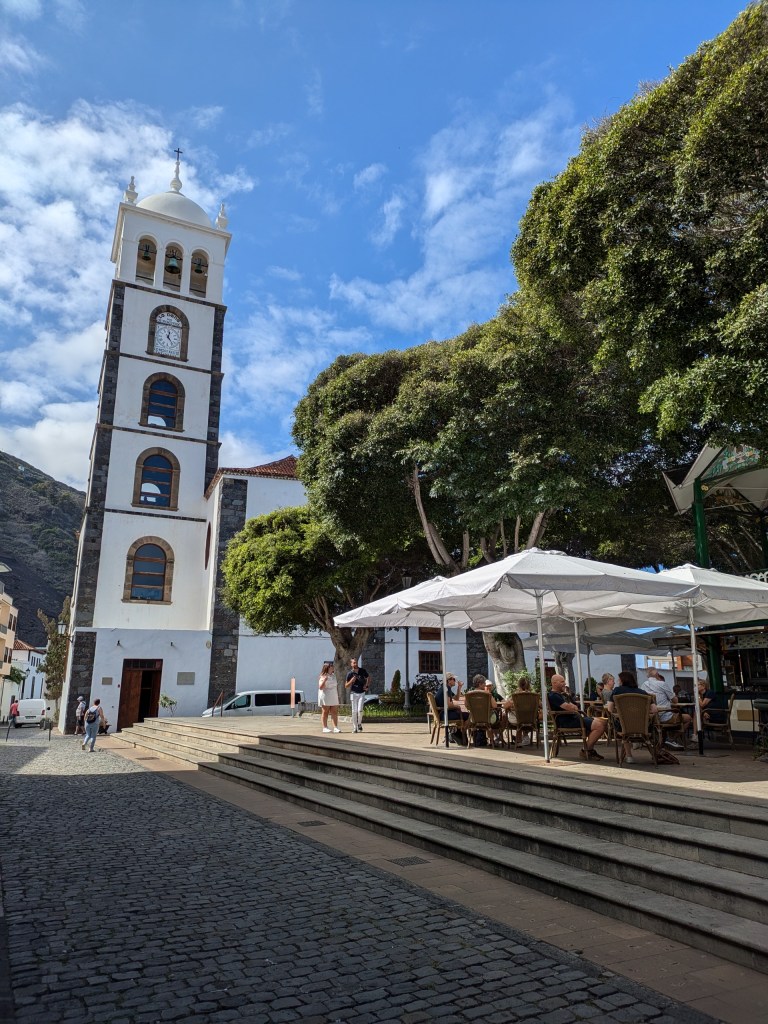
Final Stop – La Orotava: A 60-minute bus ride leads to one of Tenerife’s most beautiful old towns. Wander its colonial streets, visit Plaza de la Constitución, and enjoy a barraquito at Café Breslau, a work-friendly spot.
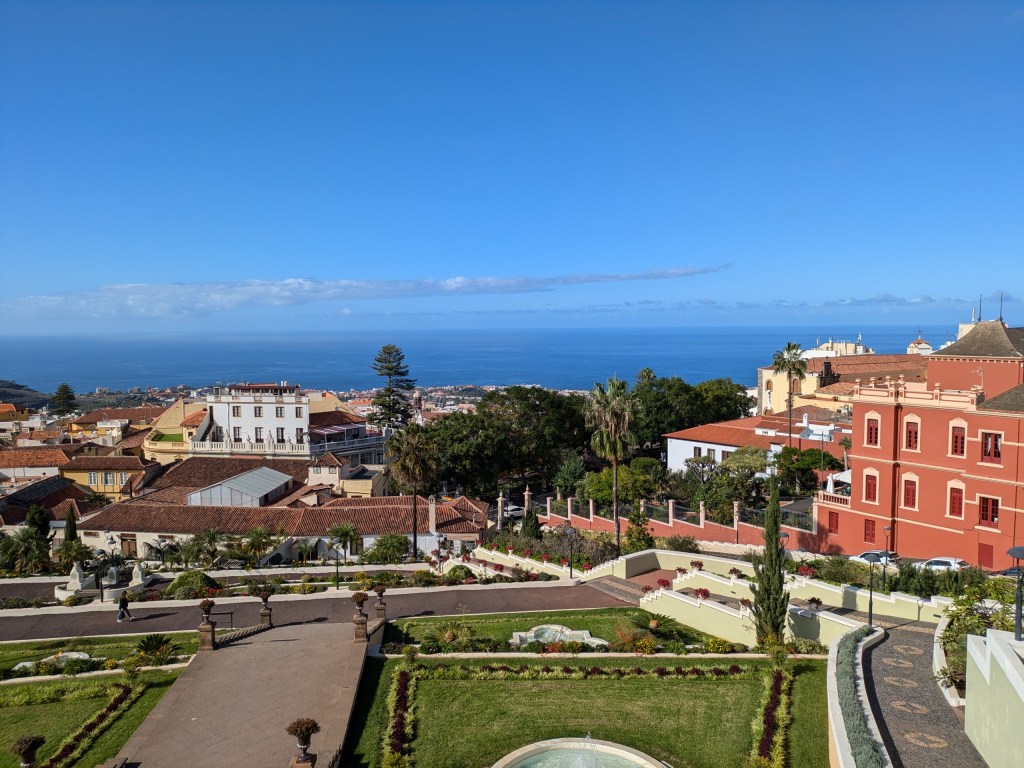

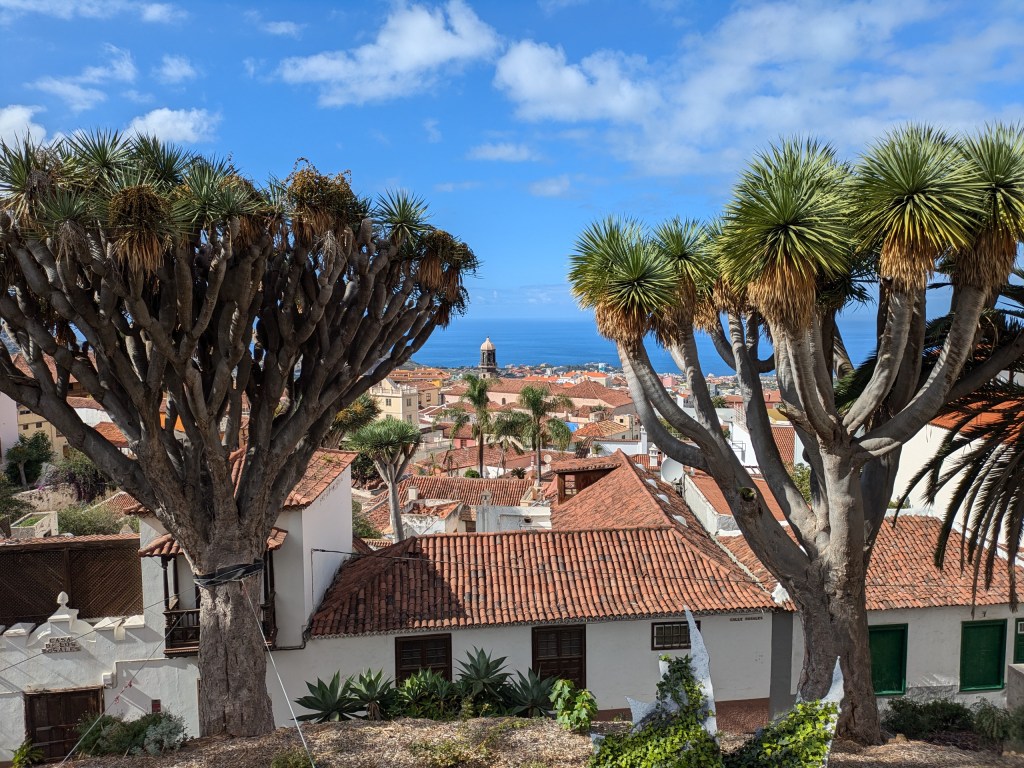
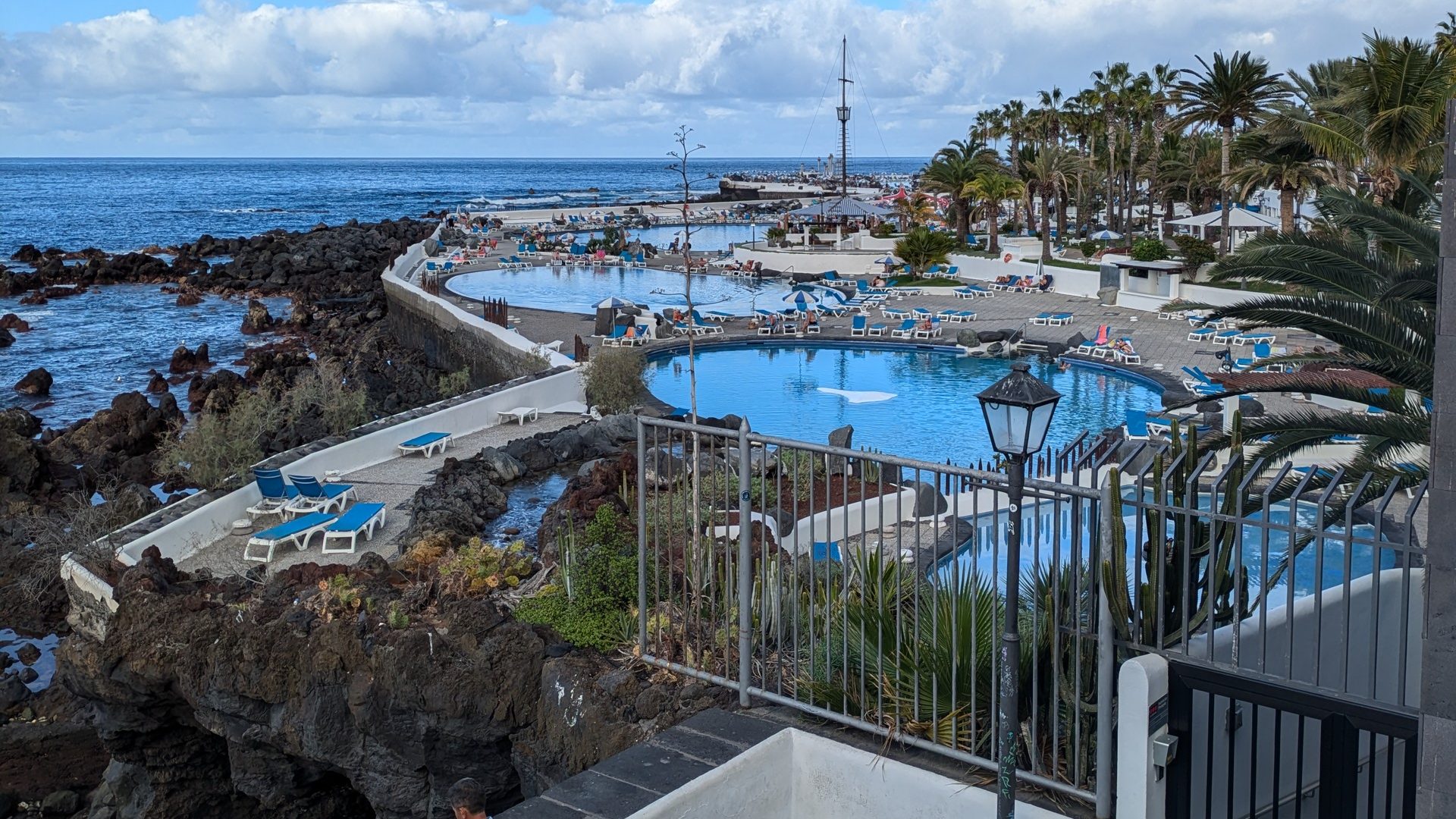
Optional: End in Puerto de la Cruz for volcanic beaches and botanical gardens, just 20 minutes from La Orotava. Puerto de la Cruz is quite touristy, especially in central areas, but it retains pockets of local charm and a more relaxed vibe compared to southern resorts.
Best times to travel Tenerife
Tenerife’s mild climate makes it a year-round destination, but the spring months of March to May offer the best balance of pleasant weather and fewer crowds.
September to November is another great time, with warm days and quieter towns. For winter escapes, December to February provides mild temperatures, though some areas are busier. Don’t miss a sunset star tour at Mount Teide, which is magical no matter the season.
Top 10 tourist attractions in Tenerife
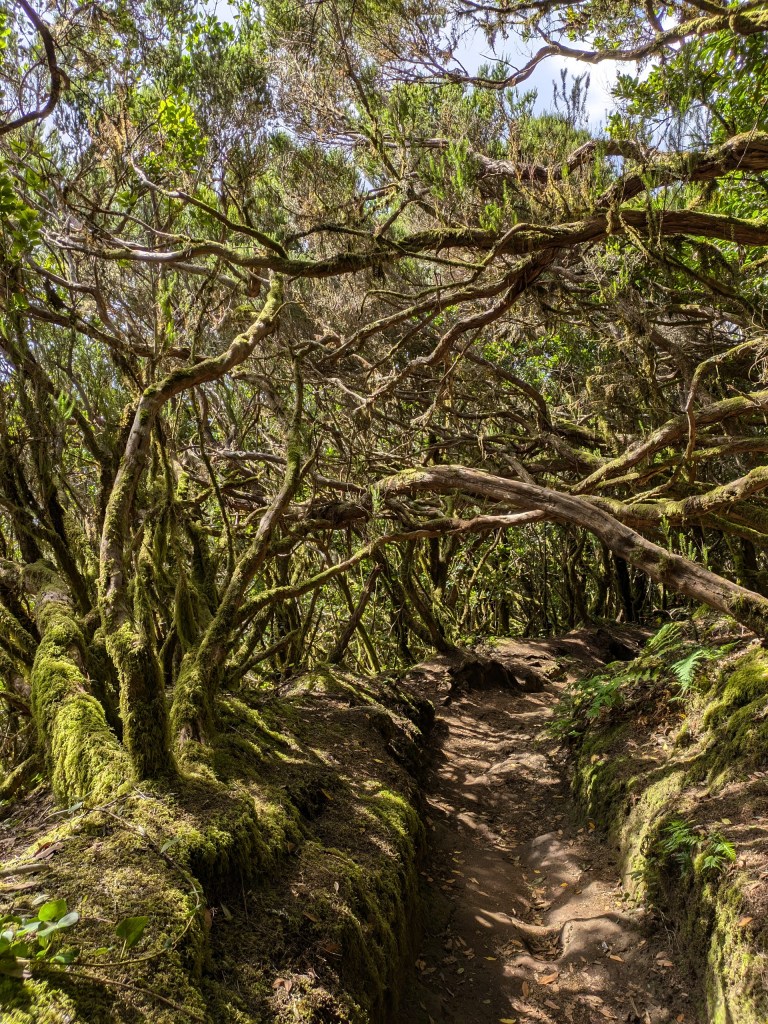
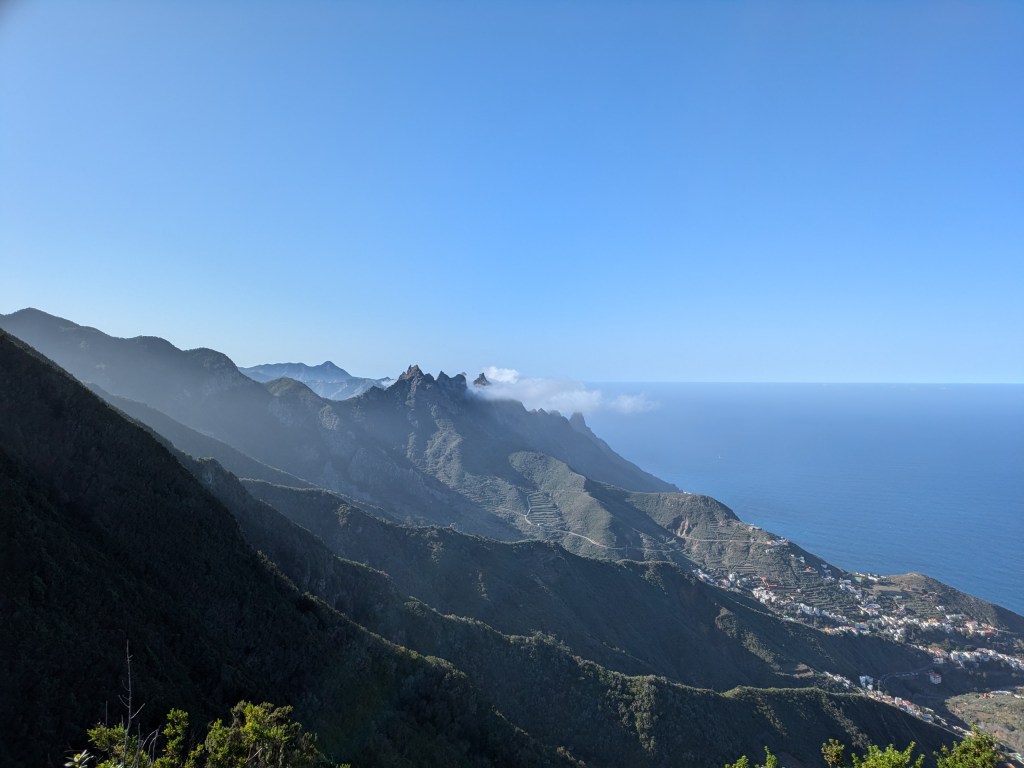
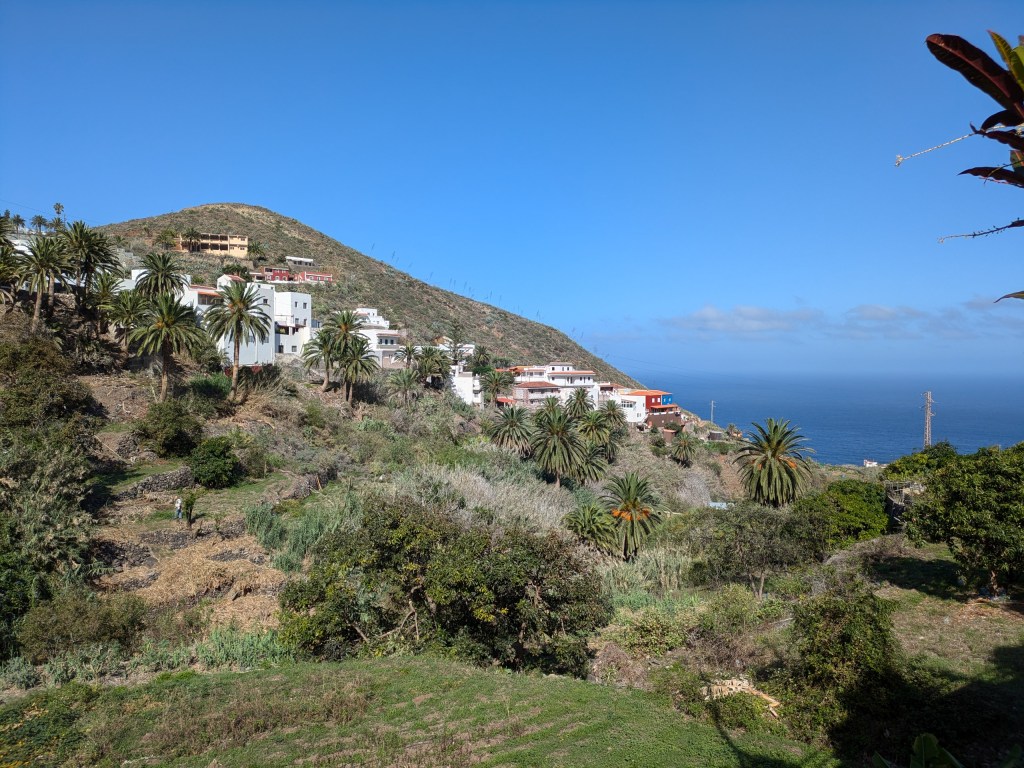
I loved hiking in Anaga because of its peaceful trails, vibrant greenery, and stunning views that made it feel like an escape into nature. You can find great trails on Komoot. Beware: for some of them you need a permit.
- Mount Teide National Park: Stunning views and stargazing with no light pollution. Accessible by car or bus.
- Anaga Rural Park: Lush green hiking trails starting in Taganana. Reachable by bus from Santa Cruz.
- Garachico: Natural pools and historic charm. Ideal for a day trip by bus.
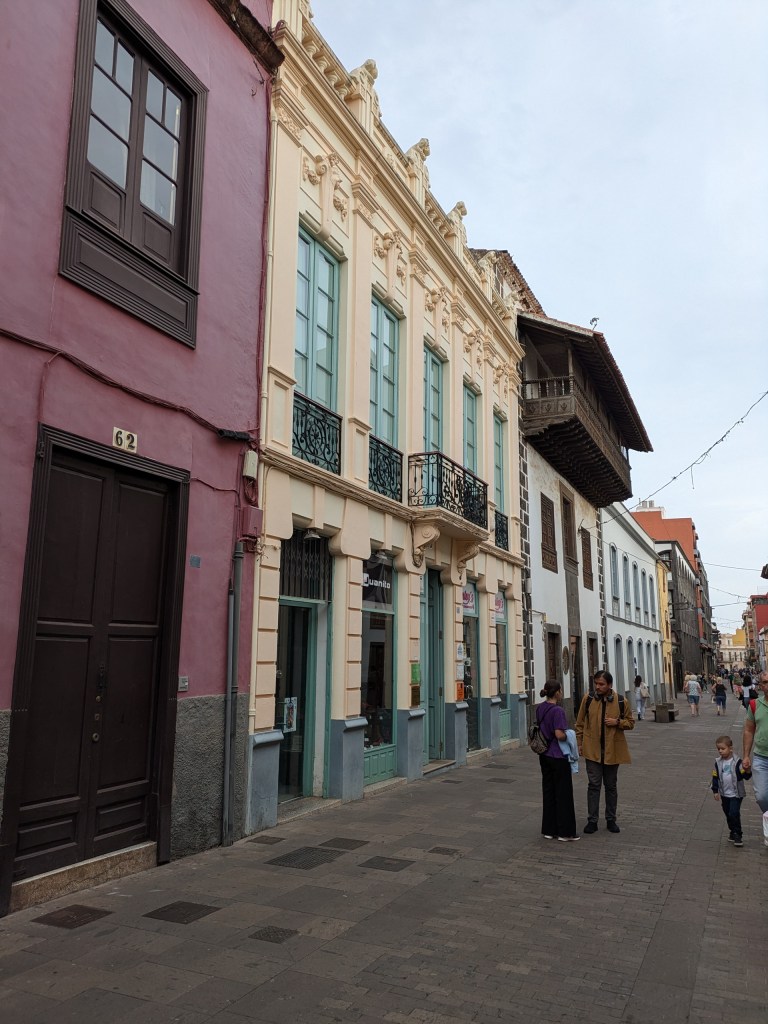
- La Orotava: Beautiful old town with colonial architecture. A must-see for history lovers.
- Playa de las Teresitas: White sand and calm waters near Santa Cruz.
- Los Gigantes Cliffs: Dramatic sea cliffs, accessible by bus or car.
- Icod de los Vinos: Famous for the Drago tree and lovely local streets.
- Masca Village: A picturesque mountain village with incredible hiking.
- Playa Bollullo: A serene black-sand beach near Puerto de la Cruz.
- Cueva del Viento: Explore Tenerife’s unique lava tube caves.
- San Cristóbal de La Laguna: A UNESCO World Heritage Site, this historic town boasts stunning colonial architecture and a lively local culture. Easily reachable by tram from Santa Cruz.


Local secrets
- Taganana Hikes: Start in this village and discover some of the island’s most stunning trails with mystical forests.
- Punta de Teno: The westernmost point of Tenerife, offering jaw-dropping sunset views. Reachable by car or limited bus services.
Getting there
Tenerife is easily accessible through two main airports:
- Tenerife North (TFN): Ideal for regional and some European routes.
- Tenerife South (TFS): Best for international flights.
Getting around locally
Obviously, you’re flexible with a rental car. But if you’re on budget or don’t enjoy driving in other countries, the bus is a great option in Tenerife because it’s affordable, reliable, and connects even remote areas like Anaga and coastal towns.
- TITSA bus network: Affordable and efficient with a Ten+ card.
- Car rentals: Best for remote areas and flexibility.
- Cycling and scooters: Convenient for shorter distances.
Things to Know About the Ten+ Card in Tenerife:
- Convenience: No need to carry exact change; simply preload and travel seamlessly.
- Cost: The card itself costs €2 and can be topped up with any amount starting from €5.
- Discounts: Offers discounted fares for buses and trams compared to single tickets.
- Where to buy: Available at TITSA bus stations, tram stops, and authorized kiosks and at the airport.
- Usage: Tap the card when boarding and exiting to ensure the correct fare is deducted.
- Compatibility: Valid for buses and trams across the island, including connections to remote areas like Anaga.
- Refunds: Unused balances can typically be refunded at TITSA stations.
- Day pass: If you’re planning to follow my suggested day trip, the €10 day pass is the best choice for unlimited bus and tram travel.
Visa: Digital nomad Spain
Digital nomads can stay for 90 days on a Schengen visa or apply for Spain’s Digital Nomad Visa, valid for one year and extendable up to five years. Proof of income and health insurance are required. Details here.
Local food and vegetarian options
Tenerife offers a mix of fresh seafood, traditional dishes like papas arrugadas with mojo, and plenty of vegetarian-friendly options like gofio escaldado. Candelaria’s pistachio treats are a must-try.

Sustainable travel in Tenerife
- Avoid attractions like Loro Parque, which has raised ethical concerns.
- Participate in beach clean-ups or support eco-tourism through organizations like Canary Green.
- Use public transport and stay in eco-conscious accommodations.
What experiences have you had in Tenerife? Share them in the comments below!
Continue reading

Living the dream life on the beach, sipping mango juice, needs to be funded. Even though the cost of living in Southeast Asia is cheaper than in many Western countries, you still need to cover the travel expenses to get there.

Maybe you already have a dream destination in mind, which makes the decision easy. However, there are a few prerequisites you should check before booking your flights. I’ve summarized the most important ones here.
Not every job can be done from abroad. Even for roles that are fully computer-based, some employers still prefer their employees to work from the office. Here’s what I’ve learned along the way!
 Solo Nomad Travels
Leave a comment