During my travels in Finland, I discovered an enchanting blend of advanced technology and timeless charm. Meeting fellow travelers in Helsinki’s cozy cafes led to unforgettable experiences, showing me that Finland is a hidden gem for digital nomads.

Key aspects for digital nomads
Finland offers a balanced lifestyle for digital nomads, combining modern infrastructure with natural beauty. Here are some key aspects to consider:
- Cost of living: €1000-€2000 per month excluding rent.
- WiFi reliability: High-speed and reliable in urban areas.
- Language: Finnish; English widely spoken in cities.
- Food: Plenty of veggie-friendly options.
- Accommodation costs: Dorms from €25, private rooms from €50.
- Getting there: Well-connected by international flights and ferries.
- Getting around: Efficient public transport; rental bikes and cars.
- People: Welcoming and friendly.
- Gyms: Available in all major cities.
- Visa: Schengen visa for 90 days; options for longer stays.
- Personal recommendation: Ideal for those who appreciate nature, technology, and a balanced lifestyle.
Best places to live, work, and party
Finland’s cities offer a great mix of work-friendly environments and vibrant social scenes. Here are some of the best places to consider. Fun fact: Distances are far in Finland but working on intercity trains is easily possible thanks to reliable WIFI, meeting rooms and telephone booths!
Working in Helsinki
The capital city, known for its design and modernity. Helsinki is relatively expensive for digital nomads but offers the best nightlife with numerous bars, clubs, and events happening throughout the year. Visit the Suomenlinna Fortress or the Seurasaari Open-Air Museum on weekends, both accessible by ferry or bus.
- Café recommendation: Café Regatta for a cozy, work-friendly atmosphere.
- Accommodation: Eurohostel offers affordable dorms and private rooms with a coworking area.
Working in Tampere
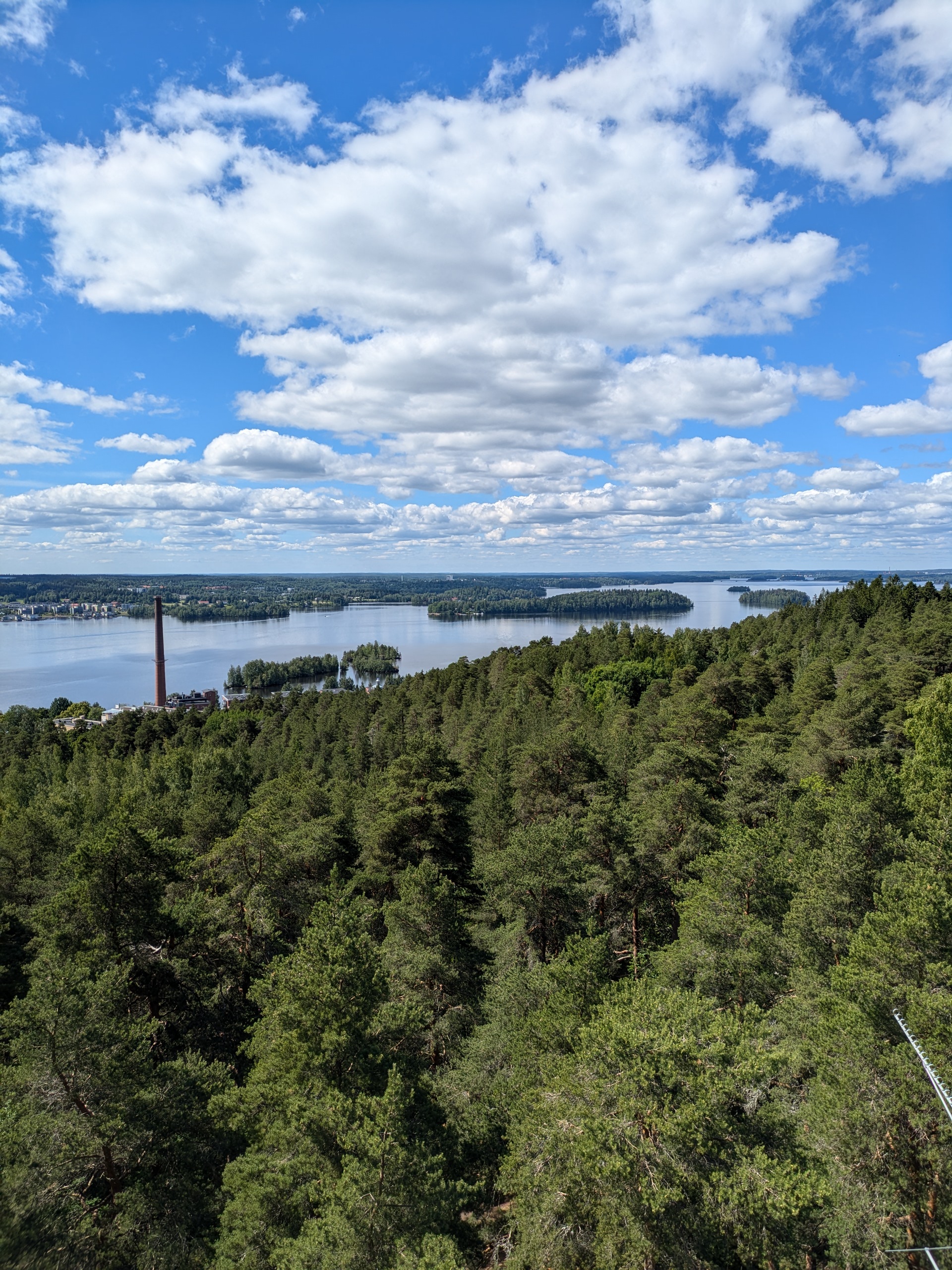
A hub of innovation and industry. Tampere is moderately priced for digital nomads. Explore the Pyynikki Observation Tower or the Moomin Museum, both reachable by bus and ideal for an afternoon visit.
- Café recommendation: Pella’s Café for great coffee and a laid-back vibe.
- Accommodation: Dream Hostel & Hotel with dorms, private rooms, and a coworking area.
Working in Turku
A city with historical charm and vibrant student life. Turku is moderately priced for digital nomads. Visit the Turku Castle or Ruissalo Island for nature hikes, both accessible by bus and perfect for an afternoon trip.
- Café recommendation: Café Art for a picturesque work setting.
- Accommodation: Laivahostel Borea with unique shipboard accommodation and coworking spaces.
Working in Espoo
A high-tech hub with stunning natural beauty. Espoo is relatively affordable for digital nomads. Explore the Nuuksio National Park or the Haltia Nature Center on weekends, both accessible by bus.
- Café recommendation: Karhusaari Café for a serene work environment.
- Accommodation: Forenom Hostel Espoo Otaniemi offering both dorms and private rooms with a coworking space.
Working in Rovaniemi
Known as the gateway to the Arctic and home to Santa Claus Village. Rovaniemi is relatively affordable for digital nomads. Visit the Arktikum Museum or take a trip to the Northern Lights spots, both accessible by bus and great for weekend trips.
- Café recommendation: Café & Bar 21 for a cozy atmosphere and work-friendly environment.
- Accommodation: Hostel Café Koti with affordable options, a kitchen, and a coworking area.
Helsinki: best combination of living and working
For me, Helsinki strikes the perfect balance between productivity and leisure. The city offers a high standard of living with numerous coworking spaces and cafes ideal for work. Additionally, Helsinki’s vibrant nightlife, cultural events, and close proximity to nature provide ample opportunities to unwind.
Best times to travel Finland
I recommend visiting Finland in the summer. The warm weather and long daylight hours give you more time to enjoy outdoor activities and people are generally happier. The cities are vibrant with festivals, markets, and plenty of events, making it an ideal time for both work and leisure.
- June to August: Warm with temperatures between 15-25°C. Long days and vibrant city life.
- September to November: Cool temperatures and beautiful autumn scenery.
- December to February: Cold with picturesque snowy landscapes and Northern Lights.
- March to May: Blooming nature and mild weather.
Top 10 tourist attractions
Many of the following sites can be visited during weekends, lunch breaks, or after work, providing a perfect balance of work and leisure.
- Suomenlinna Fortress: A historic sea fortress offering stunning views, easily accessible from Helsinki by ferry.
- Pyynikki Observation Tower: Known for its panoramic views and delicious doughnuts, it’s a short bus ride from Tampere.
- Turku Castle: A medieval castle with fascinating exhibitions, reachable by bus from Turku.
- Nuuksio National Park: Perfect for hiking and enjoying nature, just a bus ride away from Espoo.
- Santa Claus Village: A magical spot to meet Santa and explore the Arctic, accessible by bus from Rovaniemi.
- Lake Saimaa: Ideal for boating and exploring the largest lake district in Finland, best visited by car from Tampere.
- Olavinlinna Castle: A stunning medieval castle on an island, accessible by bus from Turku.
- Levi Ski Resort: Great for skiing and winter sports, reachable by plane from Rovaniemi.
- Porvoo Old Town: Famous for its charming wooden houses and cobblestone streets, a bus ride away from Helsinki.
- Koli National Park: Known for its breathtaking views and hiking trails, best accessed by car from Tampere.
Local secrets
- Seurasaari Island: An open-air museum and peaceful retreat, easily reachable by bus from Helsinki.
- Rajaportti Sauna: Finland’s oldest public sauna, a short bus ride from Tampere.
- Ruissalo Island: A natural oasis for hiking and relaxing, accessible by bus from Turku.
Sauna culture in Finland
Sauna culture is deeply ingrained in Finnish life and is a must-experience for any visitor. Nearly every home, apartment building, and hotel in Finland has a sauna. Saunas are places for relaxation, socializing, and even business meetings. Typically, you heat up in the sauna for 10-15 minutes, then cool off by taking a cold shower or a dip in a lake, and repeat the process several times. Nudity is common, but some public saunas require swimwear, especially during mixed-gender sessions. Saunas are generally quiet places, and it’s important to shower before entering.
In most saunas, you are expected to bring your own towel to sit on, although some provide a small paper sheet for hygiene. In Helsinki, Löyly offers stunning sea views, while Kotiharjun Sauna provides a traditional experience. Tampere’s Rajaportti Sauna is Finland’s oldest, and Kaupinoja Sauna offers a lakeside setting.


Midsummer in Finland
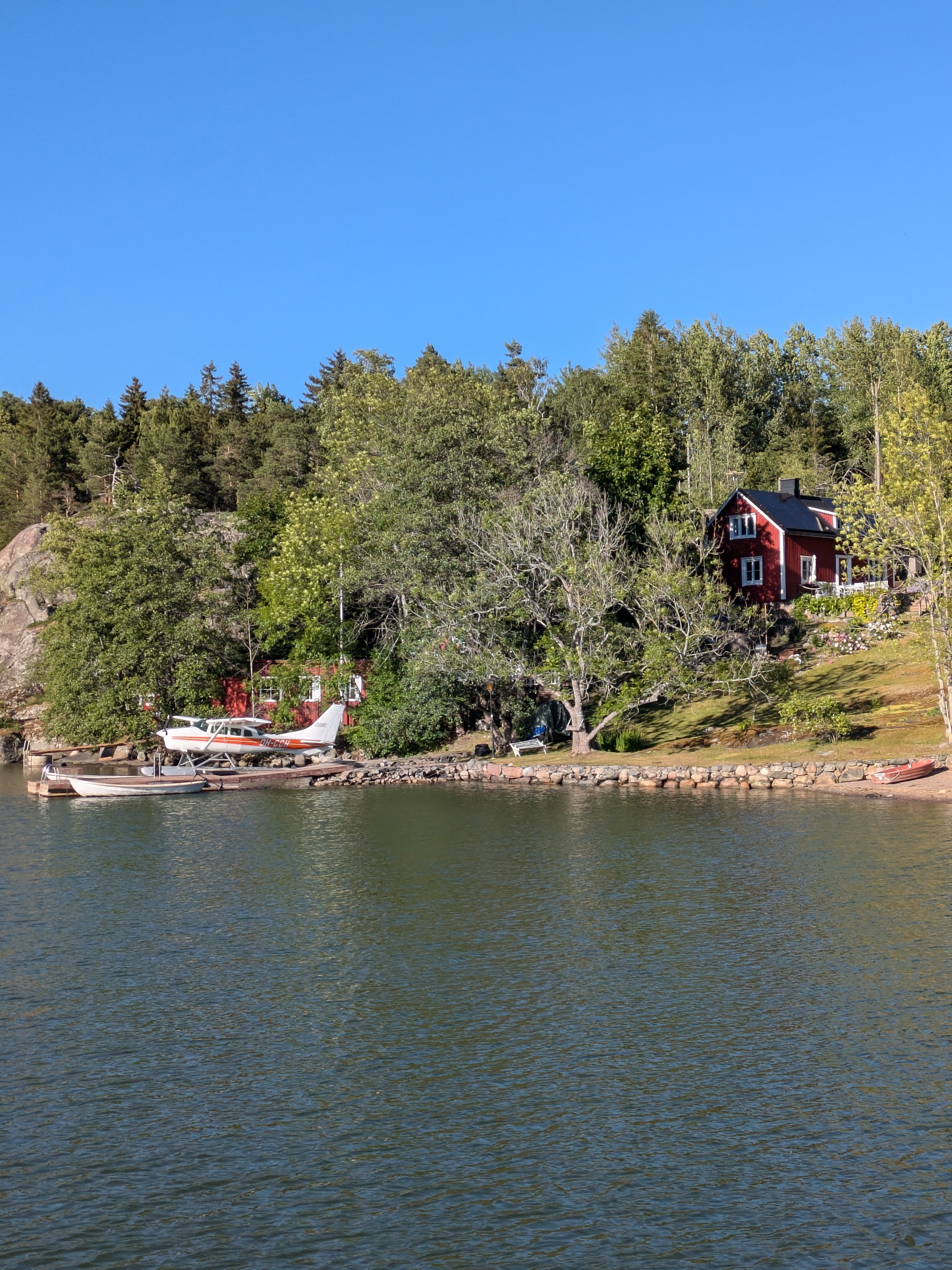
Midsummer, known as “Juhannus,” is one of the most celebrated holidays in Finland, marking the time when the sun never sets. It usually takes place around the summer solstice in late June. During this time, Finns celebrate by heading to summer cottages, lighting bonfires, and enjoying traditional food and drinks. Cities often become quiet as many people leave for the countryside. Popular celebration spots include lake areas and coastal regions like those around Helsinki and Turku.
Experiencing the midnight sun is surreal, as daylight lasts through the night, creating a magical atmosphere. But: All stores and many businesses close during this period, so it’s important to plan ahead. If you’re travelling by yourself it can be difficult to connect with locals and celebrate as they do because they’re all at their cottages. My idea for next time: Meet finnish friends before going to Finland for midsummer.
Getting there
Reaching Finland is straightforward, with multiple international connections. Finland is accessible via major airports in Helsinki, Turku, and Tampere, as well as ferries from neighboring countries.
Getting around locally
Once in Finland, getting around is easy and efficient:
- Train: Efficient and well-connected. Tickets start at €20, book via VR website/app. Prices rise closer to departure. Consider a VR commuter pass for frequent travel.
- Bus: Reliable with extensive routes. Tickets start at €10, book via Onnibus or Matkahuolto. Prices stable, with discounts for advance booking. Matkahuolto travel card offers savings.
- Rental Car/Bike: Flexible for remote areas. Car rentals from €40/day, bike rentals from €15/day. Available at airports and city centers.
- BlablaCar: Affordable ridesharing between cities. Often cheaper than trains or buses, ideal for meeting locals.
- Best Option for Digital Nomads: Use a combination of trains and buses. Book tickets in advance through VR and Onnibus. For frequent intercity travel, a travel card or commuter pass is recommended. For daily city travel, trams, buses, and city bikes are convenient and affordable, with tickets starting at €3.
Visa: Digital nomad Finland
- EU citizens: No visa required. As an EU citizen, I appreciated the ease of moving around without visa concerns.
- Non-EU citizens: 90-day Schengen visa, long-term visa options available. Friends from outside the EU found the 90-day Schengen visa straightforward, with options for extending their stay.
- Digital Nomad Visa: As of now, Finland does not offer a specific digital nomad visa.
Local food and vegetarian options
Finland’s culinary scene caters to all tastes, including vegetarians. Here are some highlights:
- Traditional dishes: Try Karjalanpiirakka (Karelian pasty), Ruisleipä (rye bread), and Kalakukko (fish pie).
- Vegetarian options: Traditional vegetarian dishes include Hernekeitto (pea soup), Perunamuusi (mashed potatoes), and Karjalanpiirakka (Karelian pasty without the egg butter). Other options include Ruisleipä (rye bread) and Mustikkapiirakka (blueberry pie). In major cities, you’ll also find plenty of choices like falafel, veggie burgers, and hearty salads.
Sustainable travel in Finland
Finland is a global leader in sustainability and offers numerous initiatives to support eco-friendly practices. Here are some key facts and options for travelers to participate in sustainable activities:
- Protected areas: Nearly 10% of Finland’s land area is protected, including numerous national parks and nature reserves. These areas are maintained to preserve biodiversity and offer eco-friendly tourism opportunities.
- Use public transport: Opt for trains, buses, trams, and city bikes to reduce your carbon footprint.
- Recycle: Use public recycling bins and return bottles and cans for refunds.
- Stay in eco-friendly accommodations: Choose green-certified lodgings. For example, the Nolla Cabin in Helsinki is an eco-friendly option, focusing on minimal environmental impact.
- Join local initiatives: Participate in activities like beach clean-ups with organizations such as Pidä Saaristo Siistinä (Keep the Archipelago Tidy).
- Visit National Parks: Explore parks like Nuuksio and Koli, following “leave no trace” principles.
What experiences have you had in Finland? Share them in the comments below!
Continue reading
Living the dream life on the beach, sipping mango juice, needs to be funded. Even though the cost of living in Southeast Asia is cheaper than in many Western countries, you still need to cover the travel expenses to get there.

Maybe you already have a dream destination in mind, which makes the decision easy. However, there are a few prerequisites you should check before booking your flights. I’ve summarized the most important ones here.
Not every job can be done from abroad. Even for roles that are fully computer-based, some employers still prefer their employees to work from the office. Here’s what I’ve learned along the way!
 Solo Nomad Travels
Leave a comment