I was drawn to Guatemala for its affordability and rich cultural experience, and I wasn’t disappointed. Whether you’re working from a colonial town like Antigua or near the stunning Lake Atitlan, Guatemala has a charm that’s hard to resist.
Key aspects for digital nomads
Guatemala is an underrated gem for digital nomads, offering vibrant culture, affordability, and incredible landscapes.
- Cost of living: $1,000 to $1,500 per month depending on the location.
- WiFi reliability: Generally reliable in Antigua and Guatemala City (10-15 Mbps); spotty in rural areas.
- Language: Spanish is spoken widely, but English is common in tourist hubs.
- Food: Vegetarian options are widely available, especially in Antigua and Lake Atitlan.
- Accommodation costs: Dorms from $10, private rooms from $30 per night. Monthly rents from $500.
- Getting there: International flights to Guatemala City; connections via shuttles and buses.
- Getting around: Shared (uncomfortable) shuttles, chicken buses, tuk-tuks, and Ubers (in some cities).
- People: Warm and welcoming, with a growing expat and digital nomad community.
- Gyms: Available in major cities like Guatemala City and Antigua.
- Visa: 90-day tourist visa with an option to extend. No specific digital nomad visa.
- Personal recommendation: Ideal for nomads who enjoy culture, nature, and affordability with a flexible work schedule.
Best places to live, work, and party
In Guatemala, balancing work with exploring this vibrant country is easy, especially with the variety of coworking spaces and scenic spots.
Working in Antigua
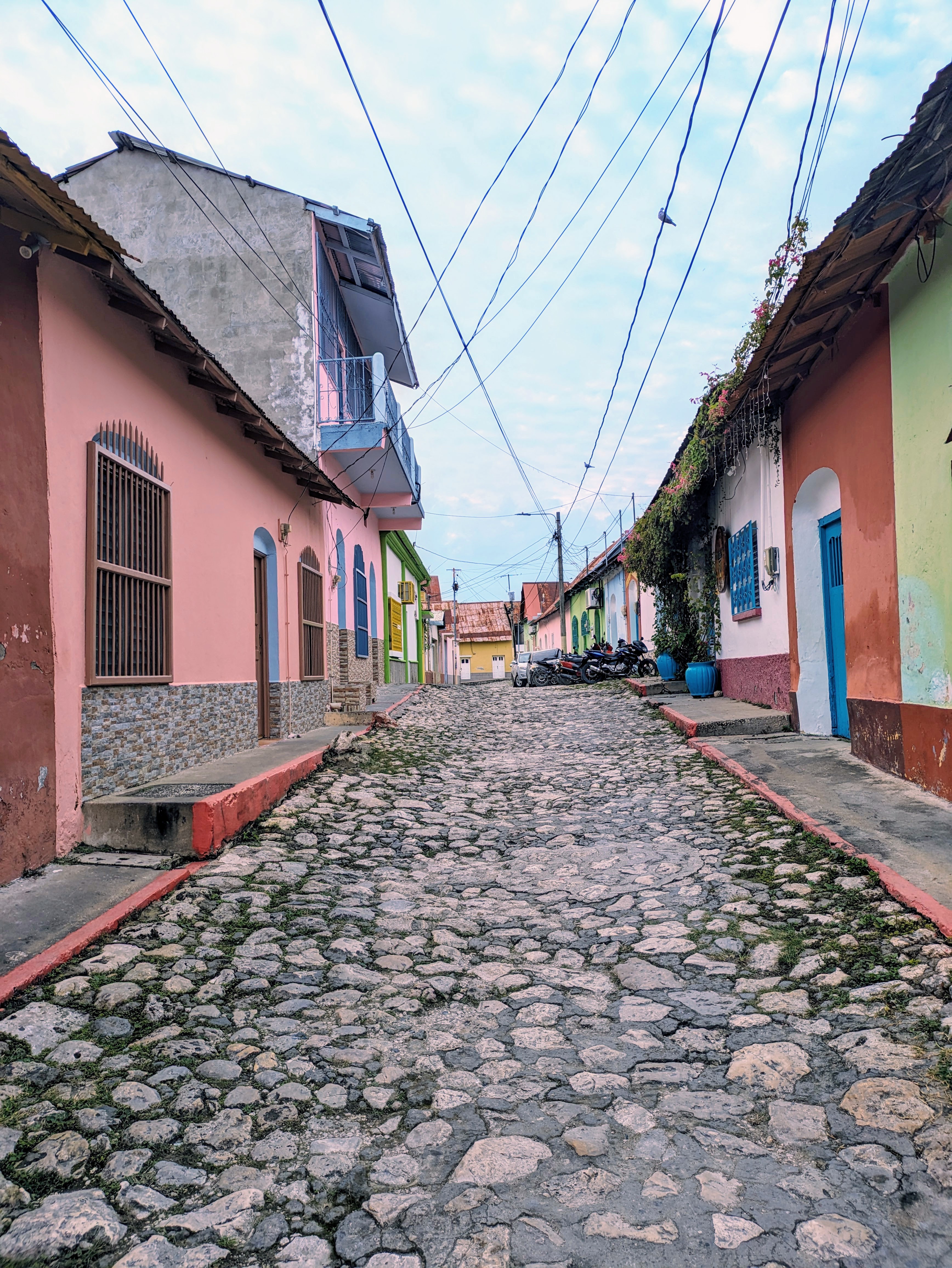
Antigua offers a charming colonial vibe with cobblestone streets and a vibrant digital nomad scene. It’s more expensive compared to rural Guatemala but still affordable by global standards. Visit: Hike up Acatenango Volcano on a weekend (overnight).
- Café recommendation: Fat Cat Coffee House – cozy with great coffee and WiFi.
- Accommodation: Selina Antigua offers coworking spaces and comfortable stays.

Working in Lake Atitlan
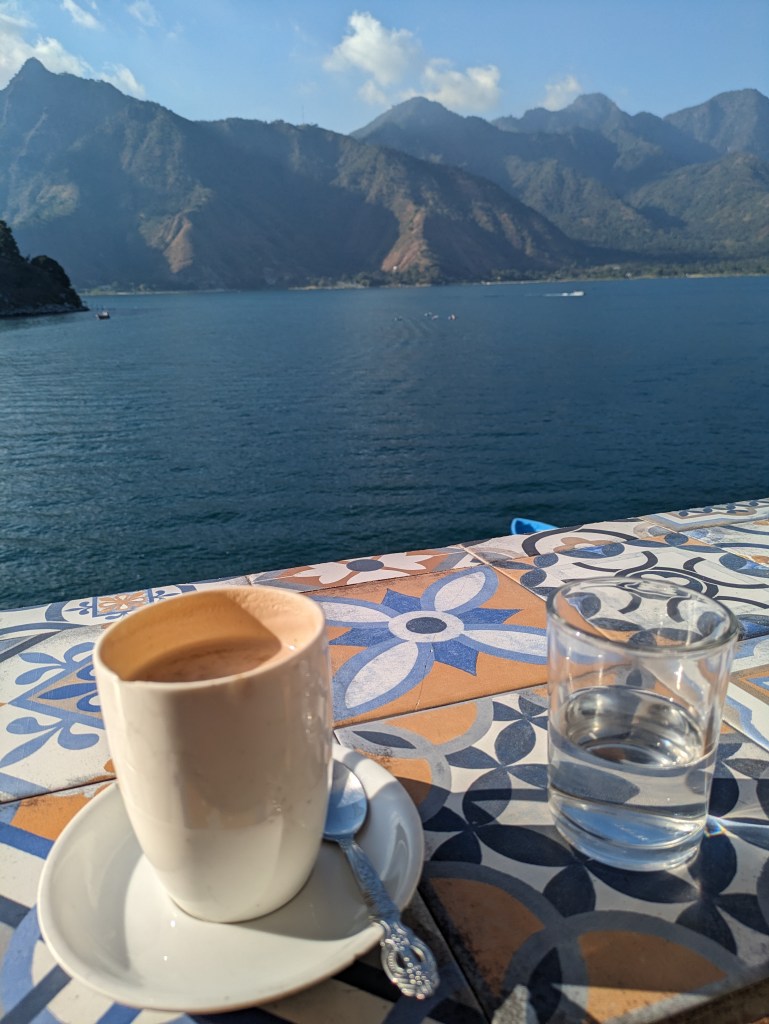
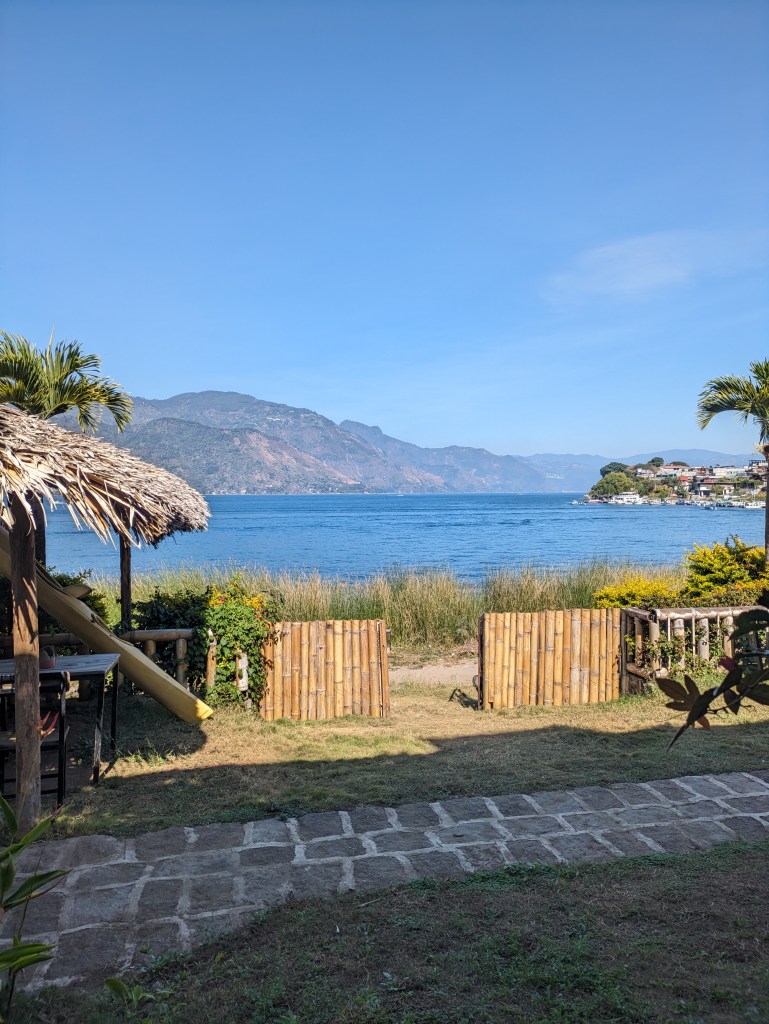
Serene lakeside living surrounded by volcanoes. Very affordable but with spotty WiFi depending on location and accommodation. Take boat trips to nearby villages or hike San Pedro Volcano.
- Café recommendation: Cafe El Artesano in San Marcos La Laguna – quiet with stunning lake views.
- Accommodation: JungleLab, a rustic co-living and coworking space, perfect for nature lovers.
Working in Guatemala City
The bustling capital offers modern amenities with a slightly higher cost of living. Explore Zona 1’s historic district or take a trip to the nearby Mayan ruins at Kaminaljuyu.
- Café recommendation: Rojo Cerezo – known for its excellent coffee and quiet work atmosphere.
- Accommodation: Zona 10 has affordable Airbnb options close to coworking spaces like Serendipity Lab.
Working in Flores
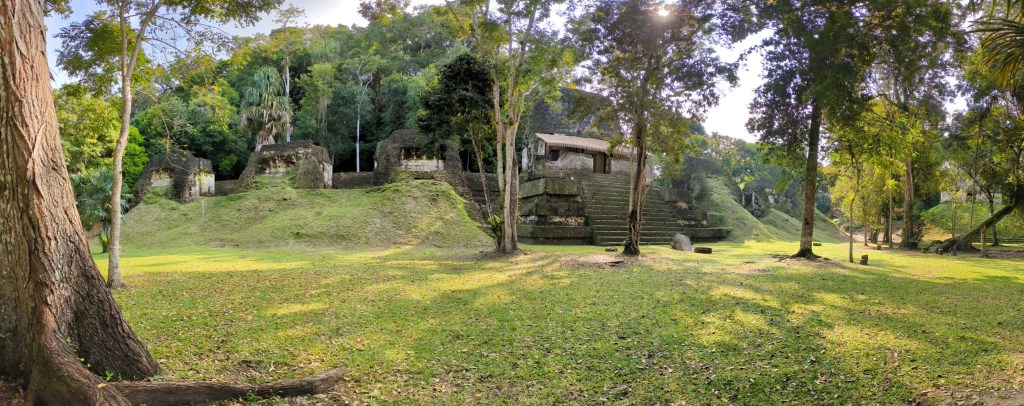
Flores, located on an island in Lake Petén Itzá, is very affordable with basic amenities. Explore Tikal National Park or relax by the lake.
- Café recommendation: Cool Beans Cafe – laid-back with great views of the lake.
- Accommodation: Hostal Don Cenobio offers affordable rooms and WiFi.
Working in El Paredon
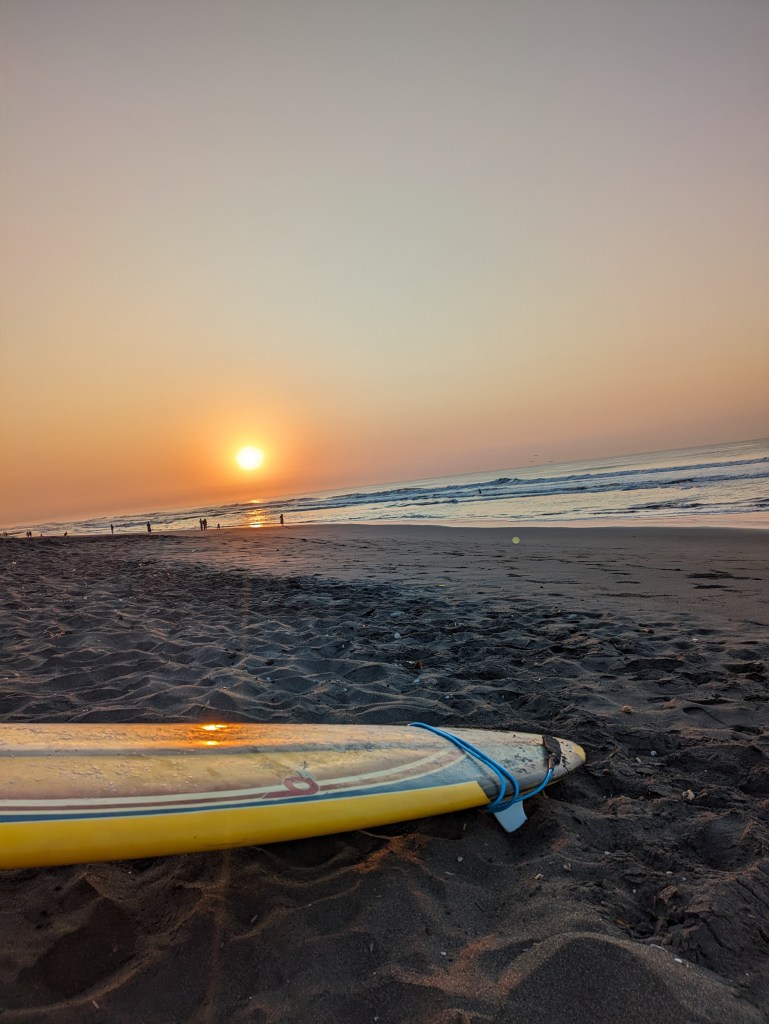
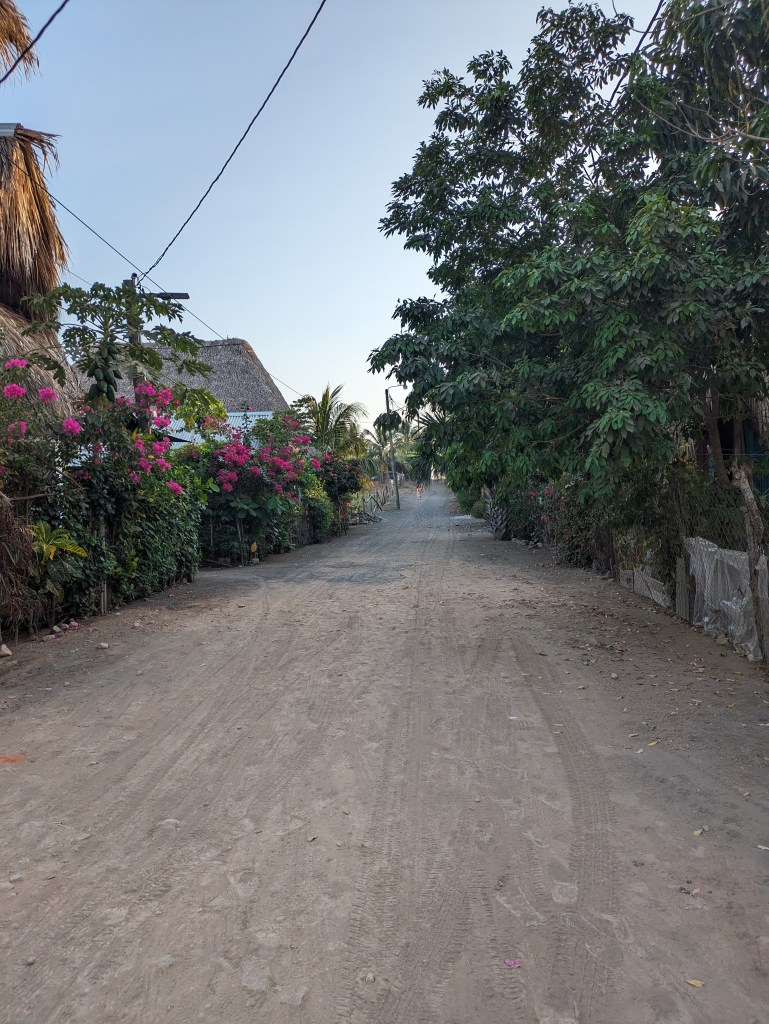
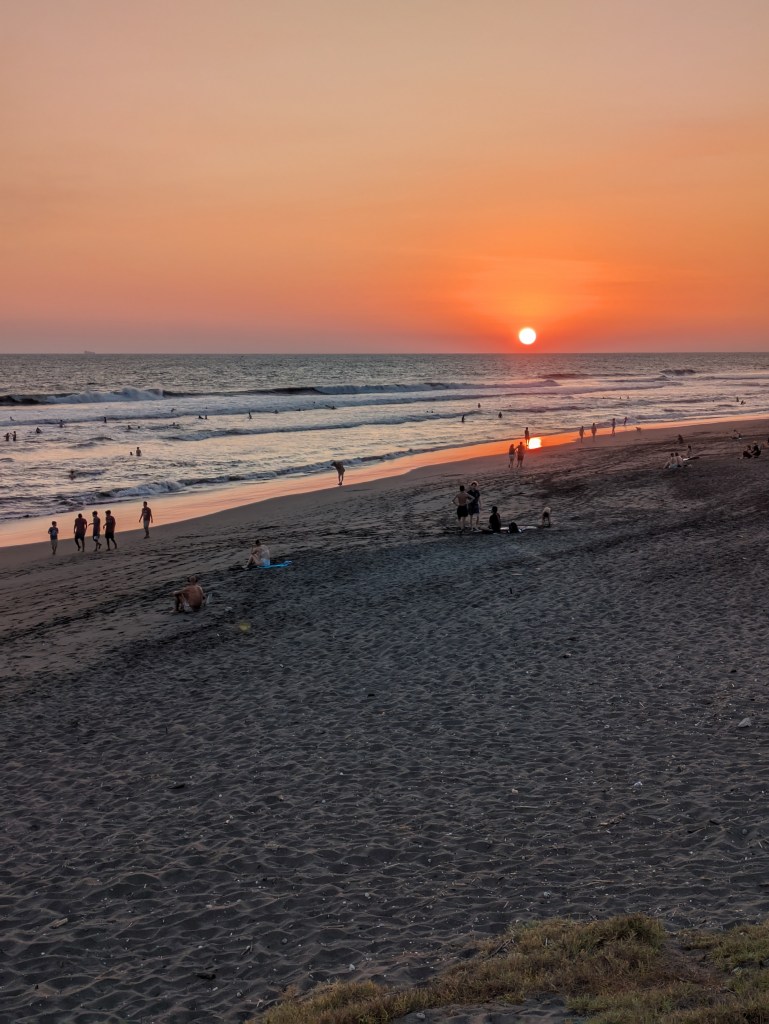
A beach town perfect for surfers and those seeking a relaxed vibe. Limited amenities but very budget-friendly. Surf on El Paredon’s beaches or join a turtle conservation tour. Super hot and WiFi can be spotty.
- Café recommendation: The Driftwood Surfer Hostel – a hostel and coworking space right by the beach.
- Accommodation: Cocorí Lodge offers beachfront bungalows with WiFi and coworking options. For a cheaper option stay at Mellow Hostel.
Antigua: best combination of living and working
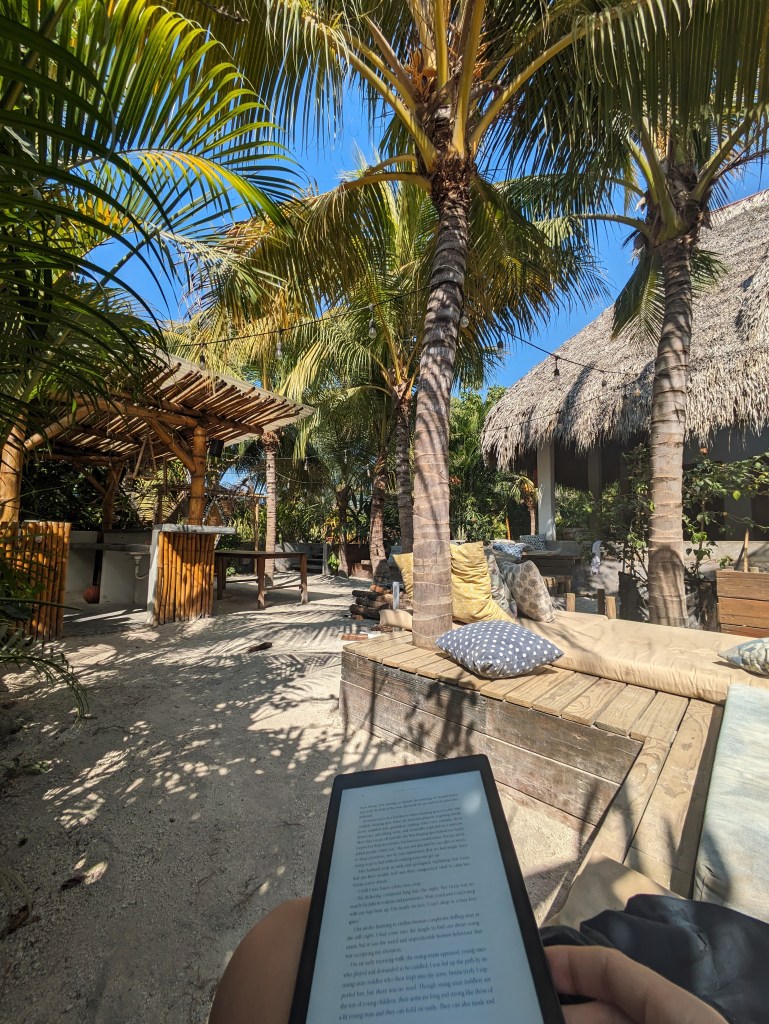
Antigua stands out as the best place for balancing work and exploration. It has a great digital nomad community, reliable WiFi, and is close to many must-see destinations. The elevation makes the climate really pleasant (working out at the open air gym is a good option).
Best times to travel Guatemala
I found the dry season from November to April the best time to enjoy Guatemala. With pleasant temperatures and clear skies, it’s ideal for exploring and working comfortably. It’s also busy. Book ahead if you want to make sure you get a nice and affordable accommodation.
Avoid the rainy season from May to October, when travel and outdoor activities can be disrupted by heavy rainfall
Top 10 tourist attractions
Its mix of ancient history and modern conveniences makes it a unique destination for remote workers.
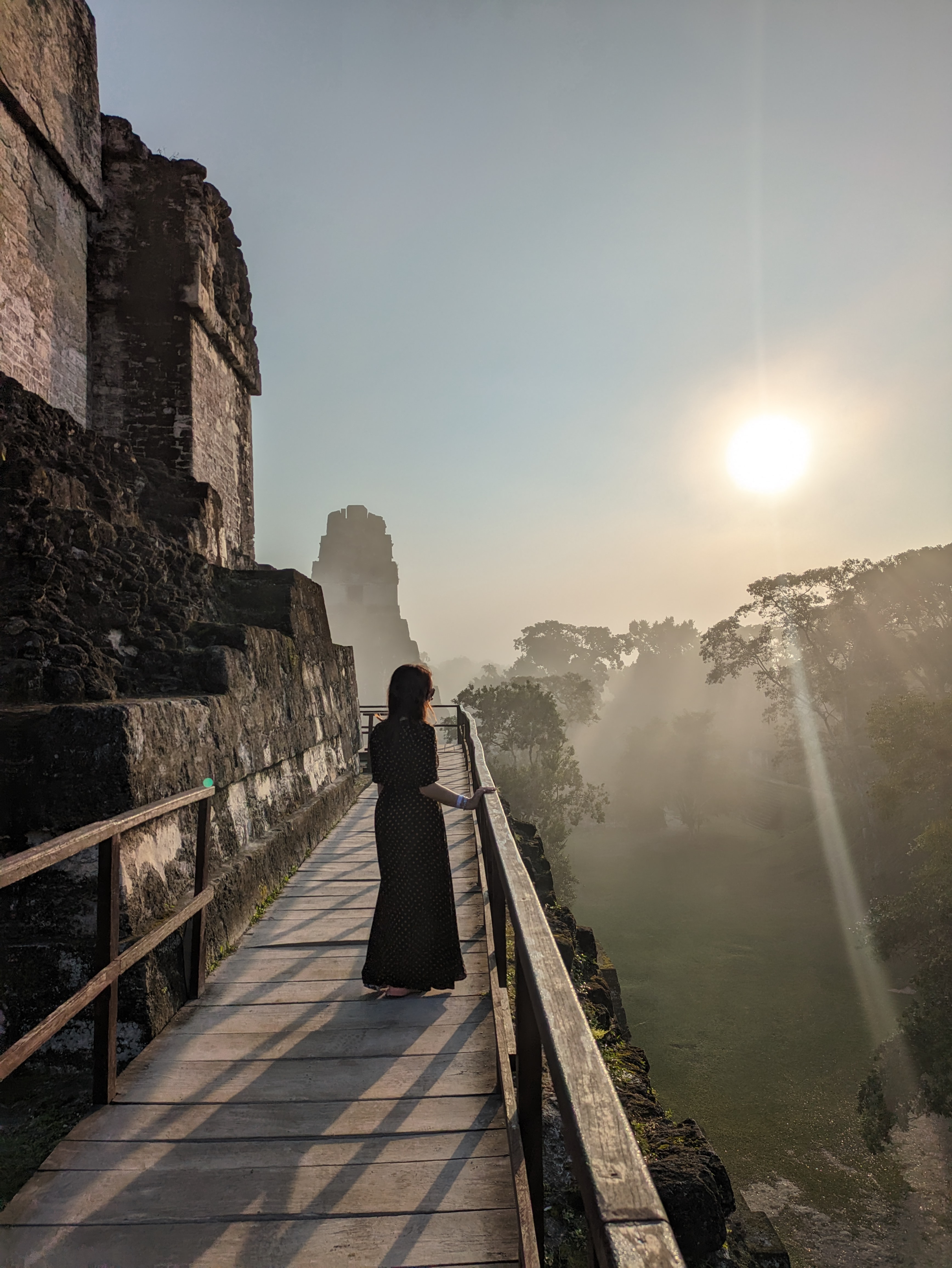
- Tikal National Park: Stunning ancient Mayan ruins hidden deep in the jungle. Personally, I found them far more captivating than Chichen Itza in Mexico. Best reached from Flores.
- Lake Atitlan: Stunning volcanic lake surrounded by villages. Best from Panajachel or San Pedro(
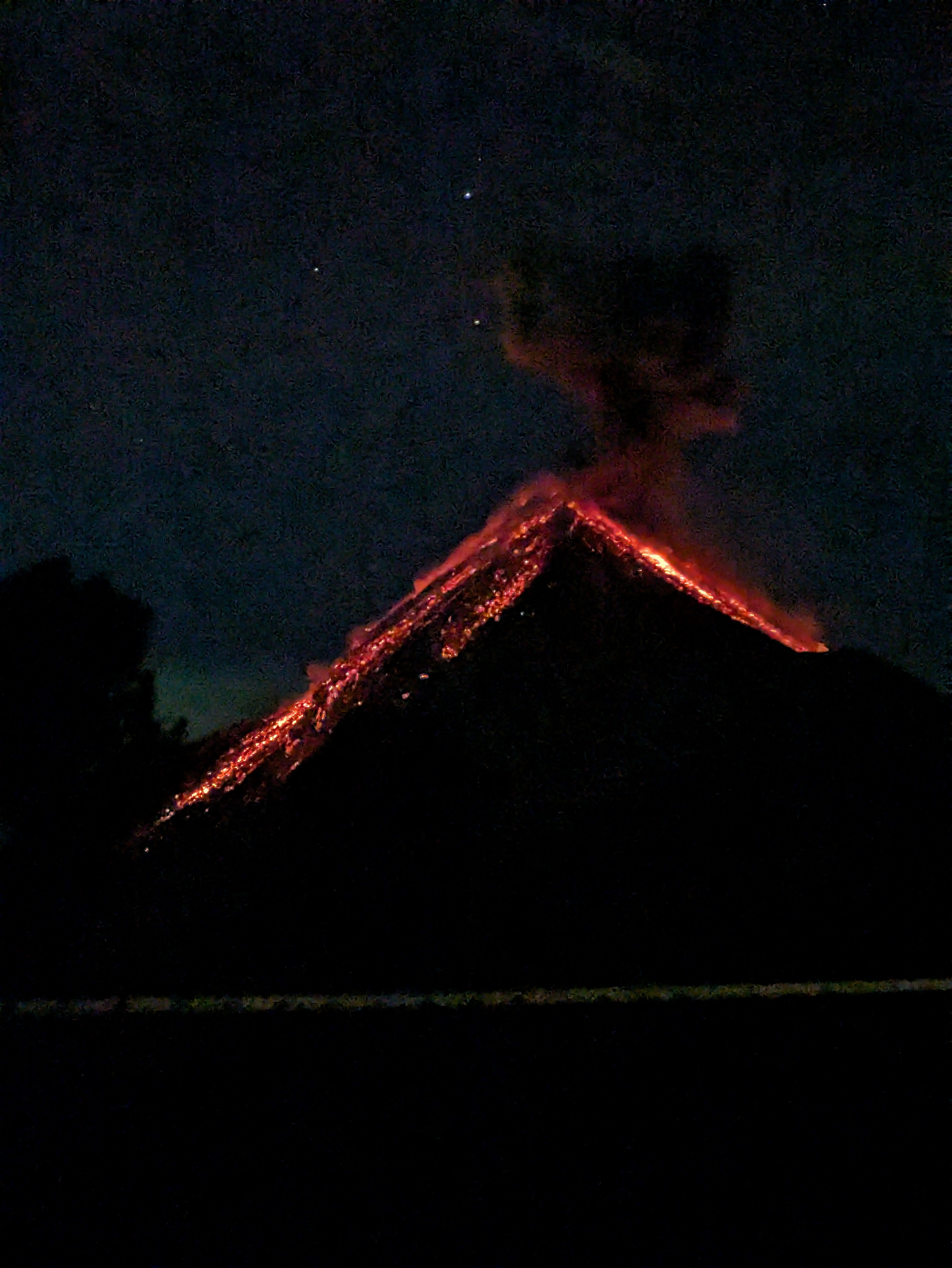
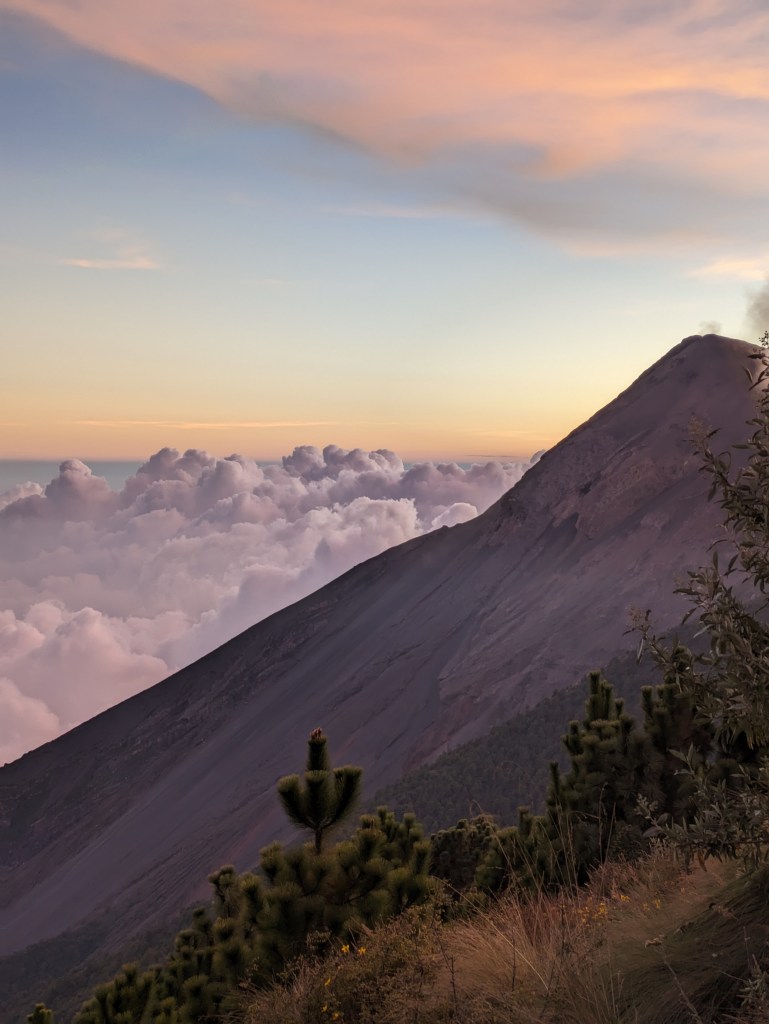
- Hiking Acatenango to watch Pacaya Volcano’s lava flows is one of the hardest yet most rewarding experiences I’ve ever had. It’s best done from Antigua, and I highly recommend booking with Lava Trails. Be sure to reserve in advance during high season for a spot.
- Chichicastenango Market: Colorful indigenous market. Best from Antigua or Guatemala City.
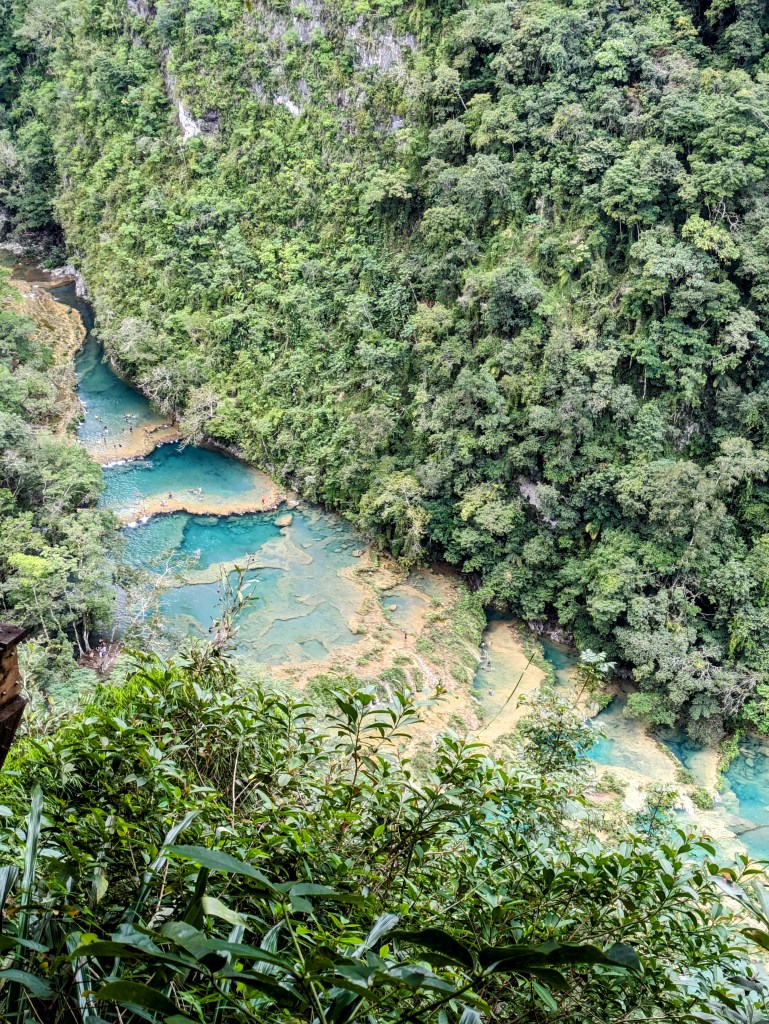
- Semuc Champey: Natural limestone pools and caves near Cobán are stunning and well worth a visit. Although the journey from Flores or Antigua is long, the beauty of the area and its accommodations make staying for a few days highly recommended.
- Monterrico: Black sand beaches and turtle conservation. Best from Guatemala City.
- Rio Dulce: Scenic river with hot springs. Best from Flores or Puerto Barrios
- El Mirador: Remote Mayan ruins accessible via multi-day hikes. Best from Floreser of Durres, easily walkable.
- Great to visit on a bike tour – without going all the way to the floodgates
Local secrets
- Hobbitenango (Antigua): A quirky eco-village with hobbit-style houses. Accessible via tuk-tuk or short hike
- San Marcos La Laguna (Lake Atitlan): Known for its spiritual retreats and yoga centers, a more peaceful alternative to touristy villages.
- Finca El Pilar (Antigua): A hidden gem for hiking and birdwatching, just a short drive from the city

Getting there
Guatemala is well connected internationally via La Aurora International Airport in Guatemala City. It offers direct flights from major cities across North and South America, making it easy to access for digital nomads from various parts of the world. Additionally, low-cost airlines frequently service routes from the United States and Mexico, making it an affordable destination to fly into.
For those traveling through Central America, international buses connect Guatemala with neighboring countries like Mexico, El Salvador, and Honduras. Popular companies like Tica Bus and Hedman Alas offer reliable routes, making it convenient for digital nomads on the Central America trail.
Getting around locally
Traveling within Guatemala offers a range of options, depending on your destination and budget:
- Shared Shuttles: These are the most convenient and commonly used by travelers and digital nomads. They connect popular tourist destinations like Antigua, Lake Atitlan, and Flores, and are easy to book through hostels or tour agencies
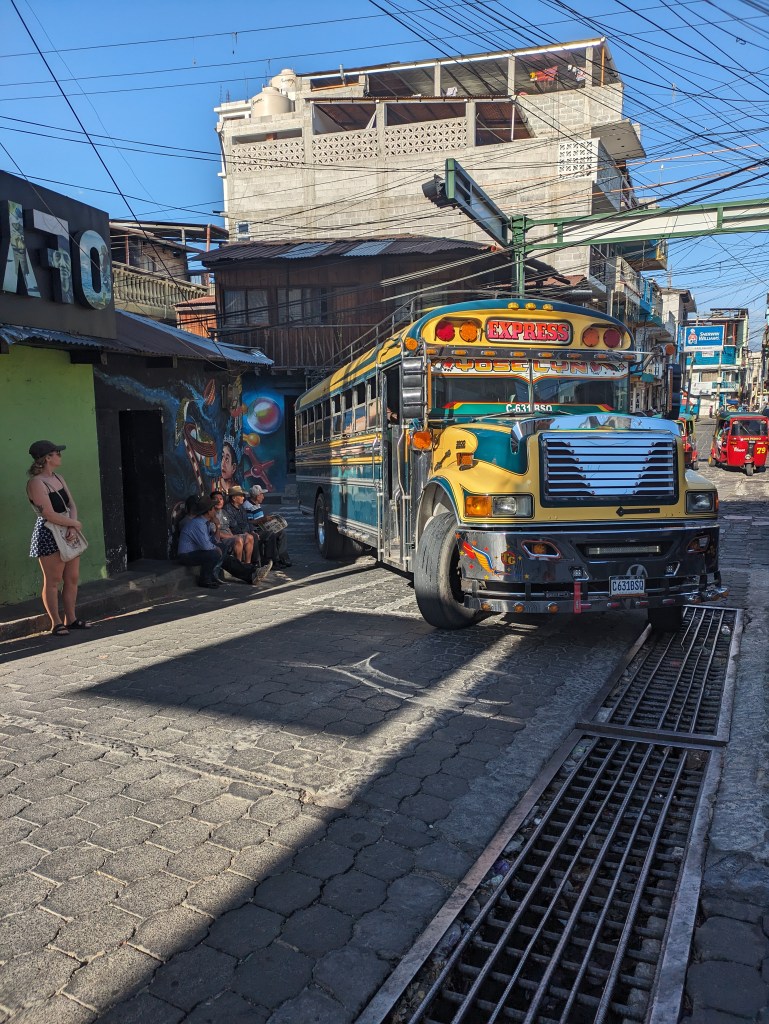
- Chicken Buses: These repurposed school buses are a colorful and iconic way to travel like a local. They are cheap but can be crowded and less comfortable for long journeys
- Tuk-Tuks: Ideal for short distances within towns like Antigua and Lake Atitlan. Be prepared to haggle for a fair price.
- Uber: Available in larger cities like Guatemala City and Antigua, offering a safer and more reliable alternative to taxis
- Overland Buses: For longer routes, overland coaches offer a more comfortable option with air conditioning and sometimes entertainment, though service quality can vary
Visa: Digital nomad Guatemala
Tourist Visa: Albania offers visa-free entry for many nationalities, allowing stays of up to 90 days or one year for certain countries like European and the U.S. This is ideal for short-term stays. It’s visa on arrival and super easy whether you arrive by plane or crossing over from neighbouring countries.
For further details, you can visit the official Guatemalan Immigration website.
Local food and vegetarian options
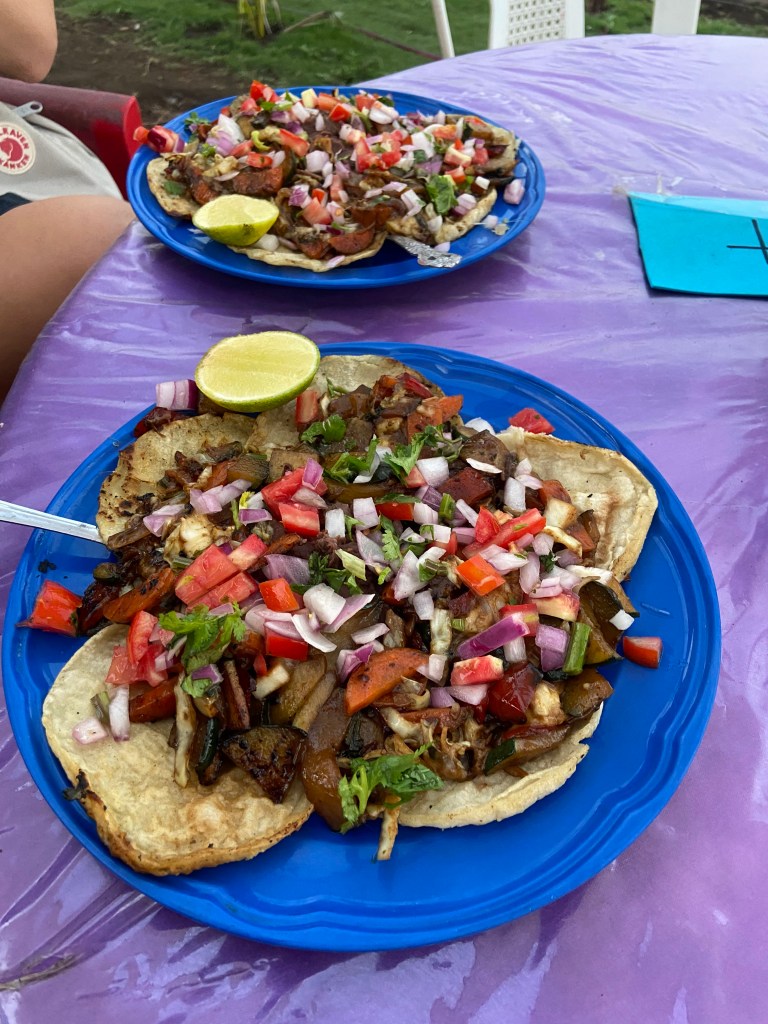
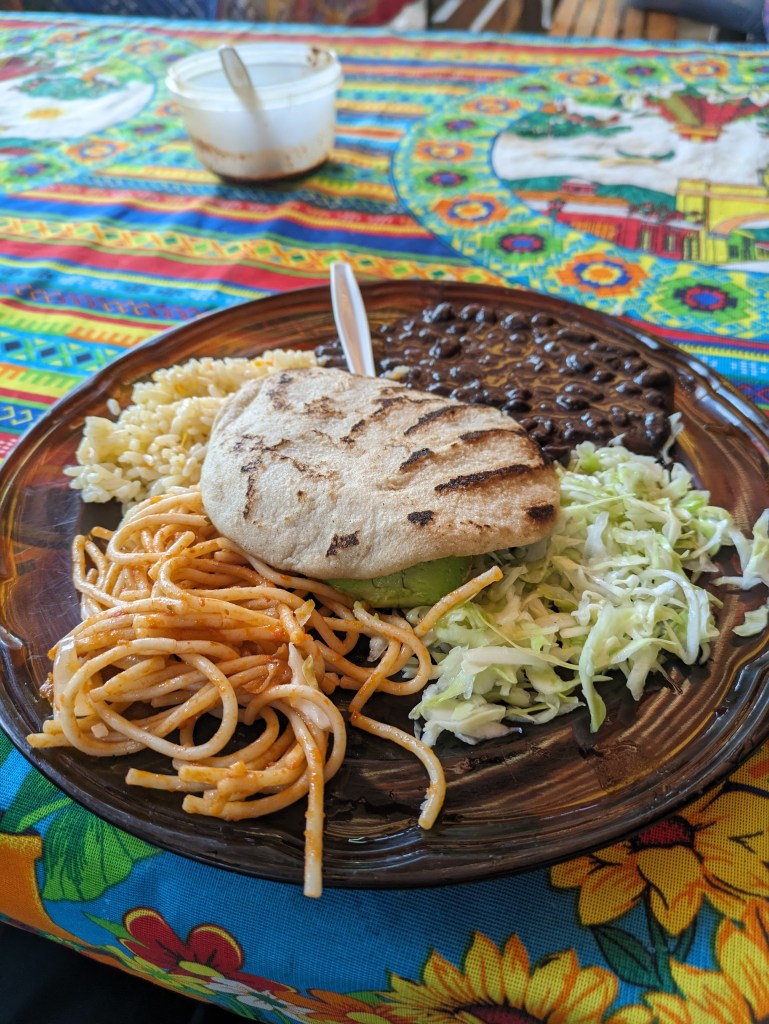
- Guatemala’s cuisine is rich in traditional flavors, with staples like corn, beans, rice, and tamales. Pepián, a spiced meat or vegetable stew, is a must-try. Guatemalan tacos, often filled with grilled meats and fresh salsa, are popular street food.
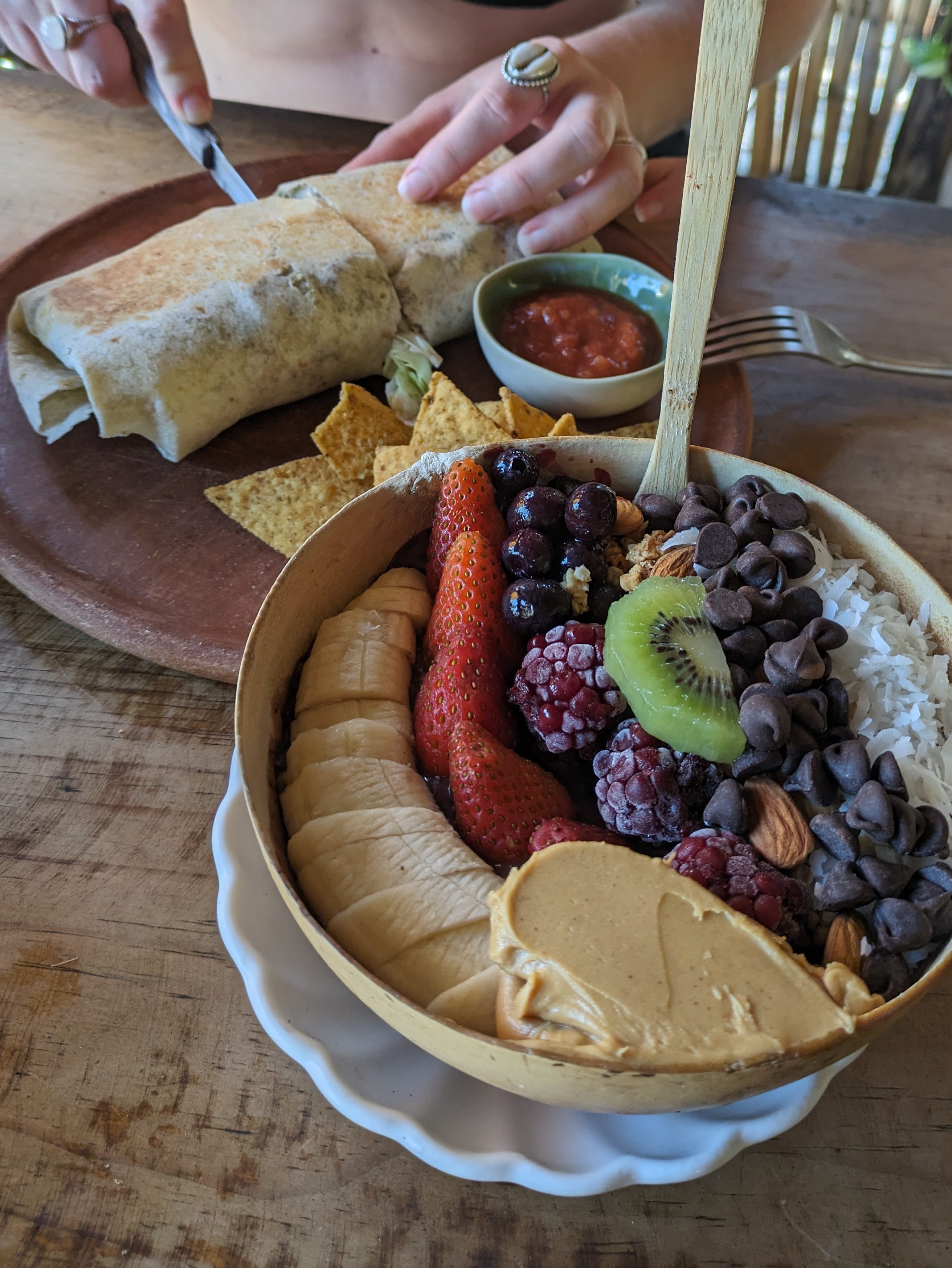
- Vegetarians will find plenty of options, especially in places like Antigua and Lake Atitlan. Dishes like Pepián de Vegetales and Rellenitos de Plátano (sweet plantains stuffed with beans and chocolate) are common. Many eateries also focus on organic, locally sourced ingredients..

Sustainable travel in Guatemala
The widespread use of single-use plastics, limited recycling infrastructure, and deforestation are major issues. Additionally, while some areas have made strides in eco-tourism, there is still a need for greater awareness and action to protect the environment across the country. Sustainable practices are growing, but much more needs to be done to address these shortcomings.
Caoba Farms in Antigua promotes organic farming and farm-to-table dining, supporting sustainable agriculture. Another notable initiative is ARCAS, a wildlife rescue and conservation organization that also runs beach clean-ups in Monterrico.
What experiences have you had in Guatemala? Share them in the comments below!
Continue reading
Living the dream life on the beach, sipping mango juice, needs to be funded. Even though the cost of living in Southeast Asia is cheaper than in many Western countries, you still need to cover the travel expenses to get there.

Maybe you already have a dream destination in mind, which makes the decision easy. However, there are a few prerequisites you should check before booking your flights. I’ve summarized the most important ones here.
Not every job can be done from abroad. Even for roles that are fully computer-based, some employers still prefer their employees to work from the office. Here’s what I’ve learned along the way!
 Solo Nomad Travels
Leave a comment