During my travels in Sicily, I met the most amazing travel mate in a hostel. Despite her being from Australia and me from Germany, we’ve gone on two more trips together since then and more are lined up. Italy’s charm lies in its delectable food, the “dolce vita” lifestyle, and the way people spend their lives outdoors in the squares, creating a lively and vibrant atmosphere.

Key aspects for digital nomads
- Cost of Living: €900-€1500 per month excluding rent.
- WiFi Reliability: Reliable in urban areas; slower in rural and island regions.
- Language: Italian; English widely spoken in tourist areas.
- Food: Veggie-friendly options widely available.
- Accommodation Costs: Dorms from €20, private rooms from €30.
- Getting There: Well-connected by flights and buses.
- Getting Around: Buses and trains are reliable; rental cars offer flexibility.
- People: Friendly and welcoming.
- Gyms: Available in larger cities.
- Visa: 90-day Schengen visa; digital nomad visas available.
- Personal Recommendation: Ideal for those who enjoy a mix of history, culture, and outdoor life – and good food, obviously.
Best places to live, work, and party
Italy offers a perfect blend of productivity and leisure, with cities that cater to both work and exploration.
Working in Rome
Vibrant city life, with excellent coworking spaces. Rome is a bit pricier compared to other cities, but it’s worth it for the historical and cultural experience. Visit nearby Tivoli on weekends to see the stunning Villa d’Este and the ancient ruins of Pompeii on weekends.
- Café recommendation: Barnum Café for great coffee and a work-friendly environment.
- Accommodation: Beehive Hostel offers both dorms and private rooms with a communal kitchen.
Working in Florence
Art and culture hub with a relaxed atmosphere. Florence is moderately priced. It’s a great location for visiting the Chianti wine region or the picturesque town of Lucca on weekends. Great destination to explore nearby towns like Pisa or Cinque Terre – a beautiful must-see.
- Café recommendation: Ditta Artigianale for specialty coffee and a laid-back vibe.
- Accommodation: Plus Florence Hostel offers both dorms and private rooms with a pool, gym, and coworking area.
Working in Milan
Fashion and business center with a sophisticated vibe. Milan is one of the pricier cities, but it offers a high standard of living. Take a weekend trip to Lake Como for stunning landscapes and charming towns.
- Café recommendation: Gogol & Company for a cozy bookstore café experience.
- Accommodation: Ostello Bello Grande offers a vibrant atmosphere with excellent amenities and a coworking space.
Working in Naples
Coastal living with rich culture and history. Naples is quite affordable compared to northern cities. Visit the Amalfi Coast or the ruins of Pompeii on weekends.
- Café recommendation: Gran Caffè Gambrinus for a historic café experience.
- Accommodation: Hostel of the Sun offers affordable options with a friendly atmosphere and coworking facilities.
Working in Sicily
Relaxed lifestyle with beautiful landscapes. Sicily is generally affordable.
- Palermo: Good Airbnb options. Explore the nearby town of Monreale and its stunning cathedral on weekends. Spend a beach day in Cefalu.
- Café recommendation: VERA coffice break.
- Accommodation: A Casa di Amici Hostel, offering both dorms and private rooms with a coworking area.
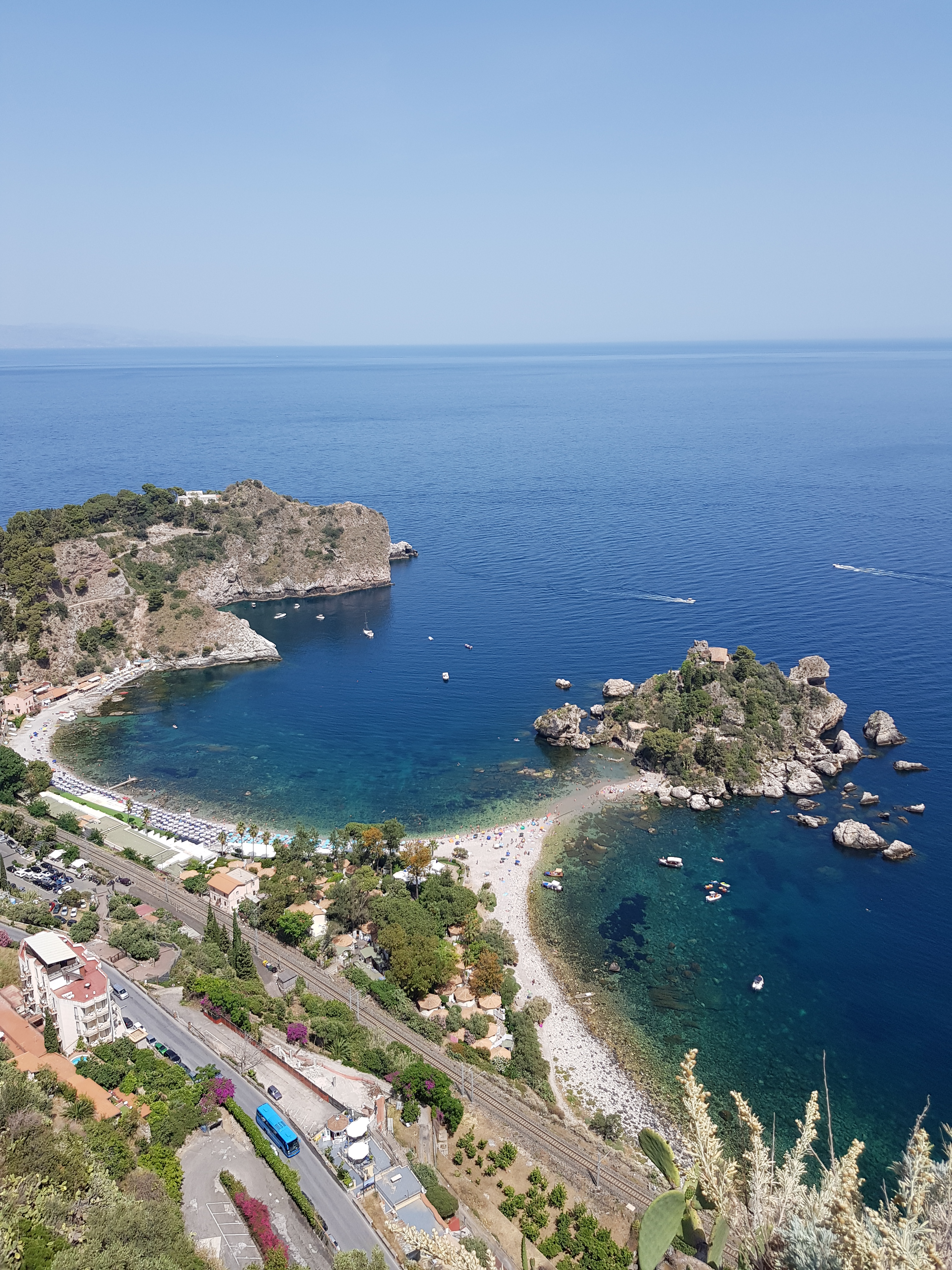
- Catania: Great for going out in the evening – not so much for beach life. Visit Mount Etna for hiking and breathtaking views and Taromina for a beautiful costal destination.
- Café recommendation: Chiosco Sicilia Seltz for a unique local experience.
- Accommodation: The Yard Hostel offers comfortable accommodations with a coworking space.
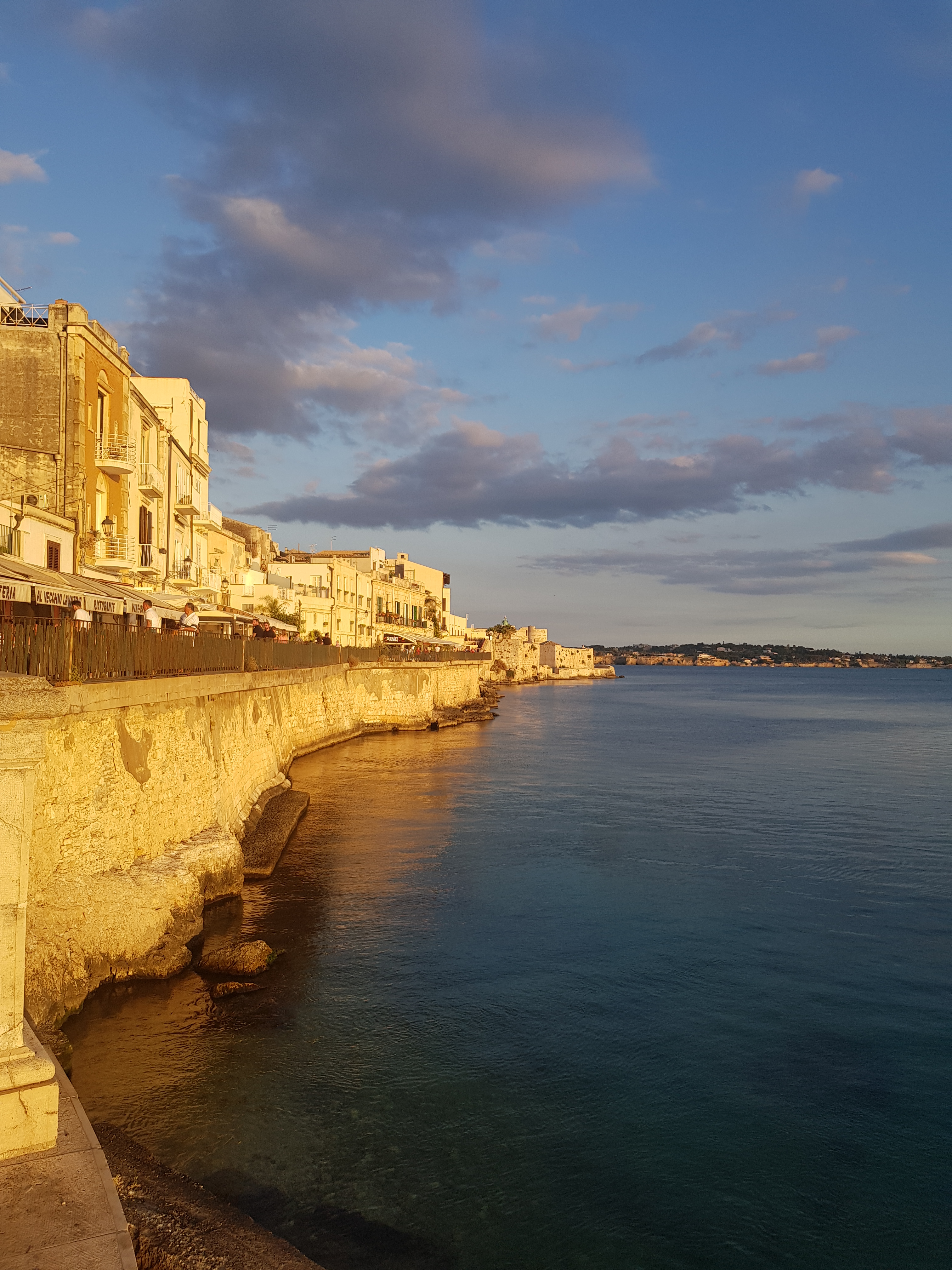
- Syrakus: Amazing old town perfect for evening walks. Take a day trip to the beautiful beaches of Vendicari Nature Reserve.
- Café recommendation: Caffè Apollo for a relaxing environment and great coffee.
- Accommodation: LoL Hostel Siracusa provides a vibrant atmosphere with decent (little noisy) working space.
Sicily: best combination of living and working
Sicily: For me, this island strikes the perfect balance between affordable living, beautiful beaches, and good infrastructure. The relaxed vibe makes it easy to focus on work while also enjoying your free time.
Best times to travel Italy
I recommend visiting Italy in the spring and fall. The warm weather and long daylight hours give you more time to enjoy outdoor activities. The cities are vibrant with festivals, markets, and plenty of events, making it an ideal time for both work and leisure.
- June to August: Warm with temperatures between 25-35°C. The sun sets around 21:00, and there’s a lot happening in the cities.
- September to November: Mild temperatures and beautiful scenery.
- December to February: Cold with picturesque landscapes.
- March to May: Blooming nature and pleasant weather.
Top 10 tourist attractions
Many of the following sites can be visited during weekends, lunch breaks, or after work, providing a perfect balance of work and leisure.
- Cinque Terre: Picturesque coastal villages. A full-day trip is recommended, best explored on foot or by train.
- Colosseum, Rome: Historic gladiator arena. Takes about two hours to explore, easily reachable by metro.
- Florence Cathedral: Architectural marvel. Can be explored independently in a few hours.
- Amalfi Coast: Stunning coastal views. Ideal for a weekend visit, accessible by bus or car.
Local secrets
- Rome: Visit the Appian Way, an ancient Roman road with beautiful scenery and historic ruins. Explore the Aventine Keyhole for a unique view of St. Peter’s Basilica.
- Florence: Check out the Rose Garden (Giardino delle Rose) for a peaceful retreat with stunning views of the city. Visit the Brancacci Chapel for lesser-known but incredible frescoes.
- Milan: Explore the Navigli District’s hidden courtyards and vibrant street art. Visit the Monumental Cemetery for its impressive sculptures and peaceful atmosphere.
- Naples: Discover the underground Napoli Sotterranea, a series of tunnels and ancient ruins beneath the city. Visit the Parco Vergiliano for beautiful views and a quieter atmosphere.
- Sicily:
- Palermo: Wander through the Capo Market for an authentic local experience and fresh produce.
- Catania: Visit the Castello Ursino, a 13th-century castle with a museum inside. Perfect for history buffs and a quieter outing.
- Syrakus: Explore the Latomia dei Cappuccini, ancient stone quarries turned into lush gardens.
Getting there
Italy is well-connected internationally, with major airports in Rome, Milan, Naples, and other cities. There are numerous flight options from various parts of the world, as well as extensive bus networks for regional travel.
Getting around locally
- Train: High-speed trains like Frecciarossa, Frecciargento, and Italo connect major cities.
- Tickets are cheaper when booked early and get progressively more expensive as the departure date approaches (Savvy Backpacker) (Seat61).
- For example, a high-speed train from Rome to Florence can cost as little as €20 if booked in advance but can be up to €60 if booked on the day of travel. Regional trains are more flexible and generally maintain consistent pricing.
- Bus: Affordable with good WiFi. Overnight buses to various cities are convenient.
- Rental car: Offers flexibility for exploring remote areas.
- BlablaCar: A popular ridesharing option in Italy, BlaBlaCar offers an affordable and flexible way to travel between cities. Prices are generally lower than trains and vary depending on the route and demand.
Visa: Digital nomad Italy
- EU citizens: No visa required. As an EU citizen, I appreciated the ease of moving around without visa concerns.
- Non-EU citizens: 90-day Schengen visa, long-term visa options available. Friends from outside the EU found the 90-day Schengen visa straightforward, with options for extending their stay.
- Digital Nomad Visa: Italy does not currently offer a specific digital nomad visa.
Local food and vegetarian options
- Traditional dishes: Must-try dishes include arancini (rice balls), panelle (chickpea fritters), sfincione (Sicilian pizza), cannoli (sweet ricotta-filled pastry), cassata (traditional Sicilian cake), and traditional Italian ice cream.
- Vegetarian options: Wheather it’s pizza or past, I was pleased to find numerous vegetarian options that were both delicious and traditional. In Syrakus, a restaurant was serving vegan Spaghetti Carbonara.
- Foods to try in Sicily: Arancini (fried rice balls), panelle (chickpea fritters), cannoli (sweet ricotta-filled pastry), sfincione (Sicilian pizza), pasta alla Norma (pasta with eggplant), Caponata (eggplant-tomato dish), granita (semi-frozen dessert), and obviously traditional Sicilian ice cream.
Sustainable travel in Italy
- Use public transport: Buses and trains are eco-friendly and efficient. I preferred public transport to reduce my carbon footprint.
- Recycle: Many cities have recycling systems. Participating in local recycling programs was easy and made me feel more integrated.
- Local organizations: WWF Italy has regional projects, including coastal conservation and urban biodiversity programs. Website: WWF Italy Campania
What experiences have you had in Italy? Share them in the comments below!
Continue reading
Living the dream life on the beach, sipping mango juice, needs to be funded. Even though the cost of living in Southeast Asia is cheaper than in many Western countries, you still need to cover the travel expenses to get there.

Maybe you already have a dream destination in mind, which makes the decision easy. However, there are a few prerequisites you should check before booking your flights. I’ve summarized the most important ones here.
Not every job can be done from abroad. Even for roles that are fully computer-based, some employers still prefer their employees to work from the office. Here’s what I’ve learned along the way!
 Solo Nomad Travels
Leave a comment