Japan has always fascinated me with its blend of ancient traditions and cutting-edge technology. As a digital nomad, Japan offers an inspiring environment where you can easily merge work with exploration, making it an excellent destination for those seeking a unique experience.
Key aspects for digital nomads
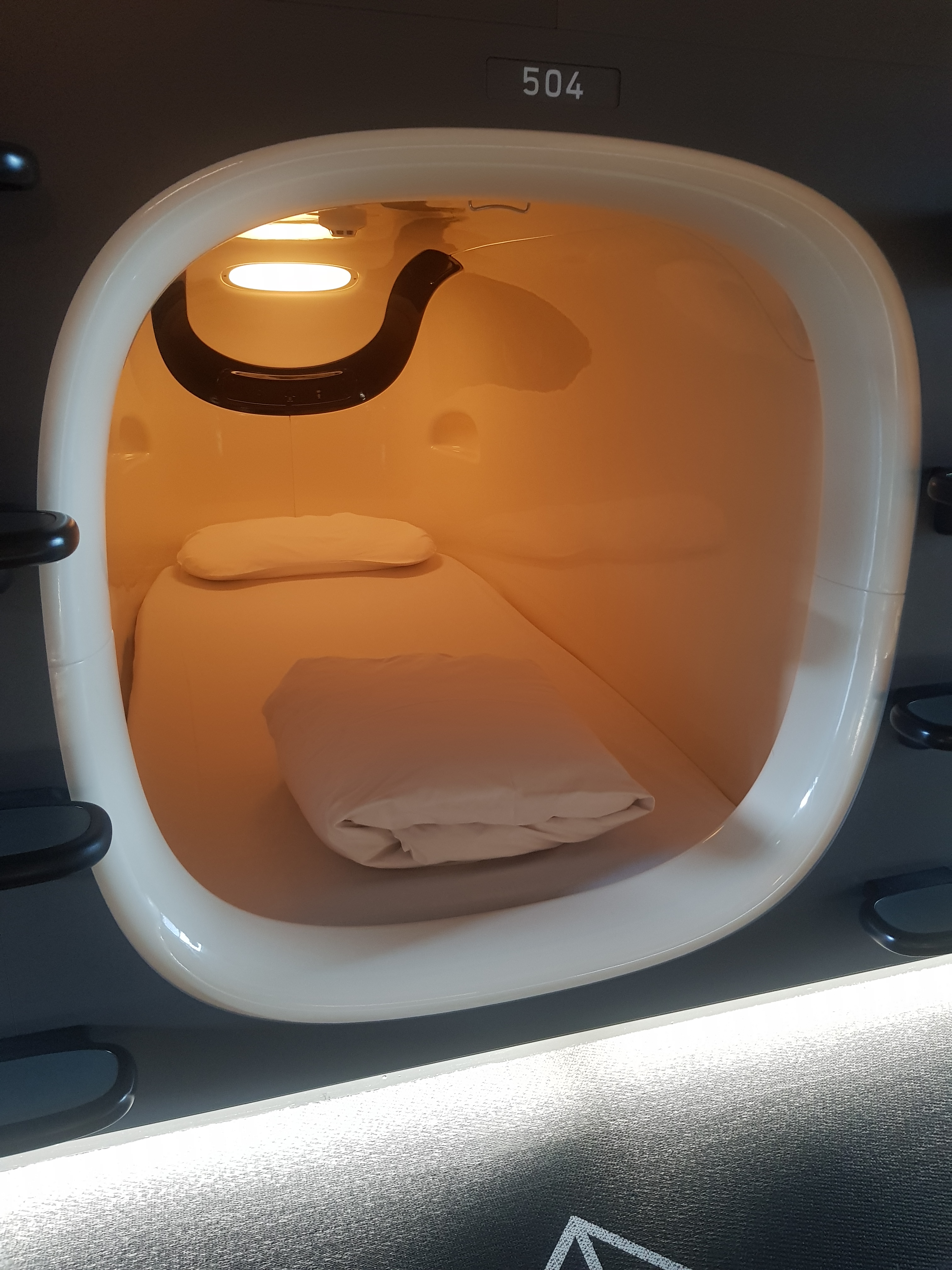
I was surprised to find Japan quite friendly for backpackers. With very quiet dorms costing between $20-$30 per night (gender-segregated dorms are standard), some even featuring Japanese saunas, it’s easy to live comfortably on a budget. While English proficiency is limited, the people are incredibly polite and respectful, especially in public transport.
- Cost of living: $1500-$3000 per month, excluding rent.
- WiFi reliability: High-speed and reliable across the country.
- Language: Japanese; English is spoken in major cities.
- Food: Numerous veggie-friendly options.
- Accommodation costs: Dorms from $30, private rooms from $60.
- Getting there: Well-connected by international flights.
- Getting around: Efficient public transport; rental bikes and cars available.
- People: Quiet and respectful. Not too easy to get in touch with.
- Gyms: Day passes available, averaging $10-$20.
- Visa: Working holiday visa available; tourist visa for 90 days.
- Personal recommendation: Ideal for those who appreciate culture, technology, and a structured lifestyle.
Best places to live, work, and party
Japan’s diverse cities offer various options for digital nomads to work, live, and enjoy.
Working in Tokyo
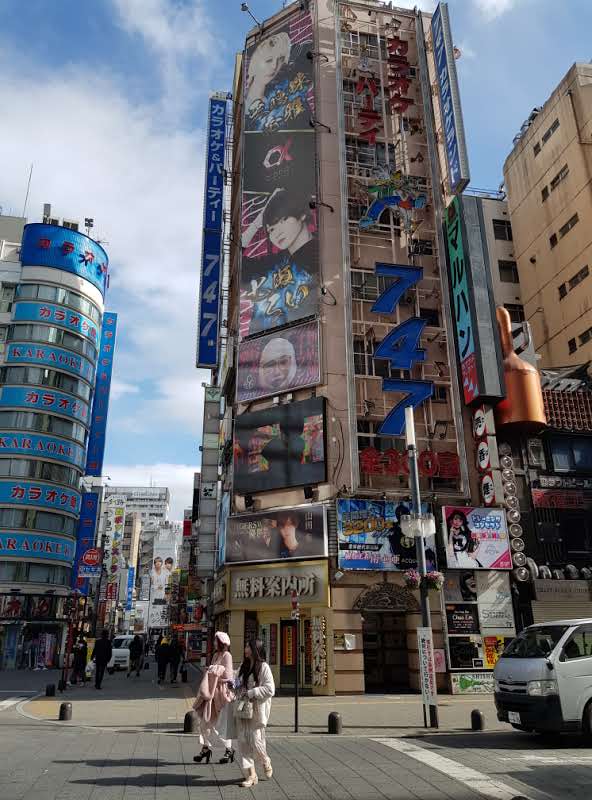
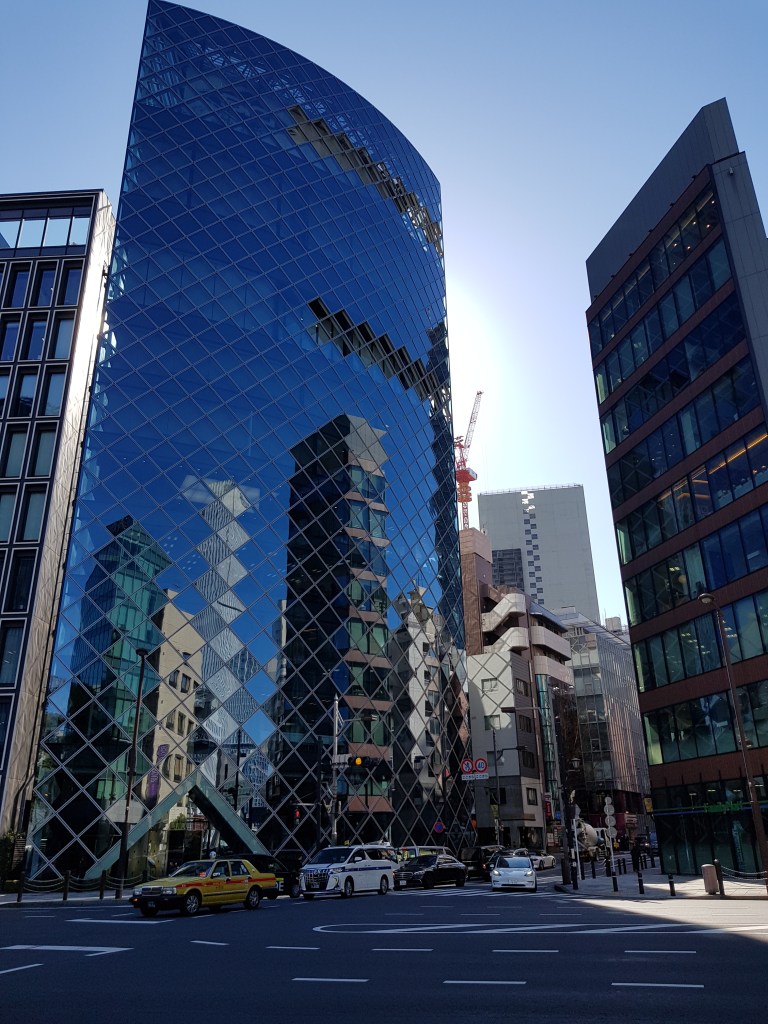
Tokyo is a bustling metropolis with a dynamic atmosphere. While it can be expensive, it offers countless coworking spaces and cafes for digital nomads. Visit the historic Asakusa or take a day trip to Mount Fuji.
- Café recommendation: Lattest Omotesando Espresso Bar for excellent coffee.
- Accommodation: Wise Owl Hostel with a communal work area.
Working in Kyoto
Kyoto is renowned for its historic temples and serene gardens. It is more affordable than Tokyo and provides a tranquil working environment. Explore Fushimi Inari Shrine or Arashiyama Bamboo Grove.
- Café recommendation: % Arabica Kyoto for a scenic work spot.
- Accommodation: K’s House Hostel with coworking facilities
Working in Osaka
Osaka is known for its vibrant nightlife and delicious street food. It is relatively affordable and offers plenty of coworking spaces. Visit Universal Studios Japan or Osaka Castle.
- Café recommendation: Micasadeco & Café for a cozy work environment.
- Accommodation: J-Hoppers Osaka with shared workspaces.
Working in Fukuoka
Fukuoka offers a more relaxed atmosphere and is known for its friendly locals. It is one of the more affordable cities in Japan for digital nomads. Explore Ohori Park or visit the nearby Dazaifu Tenmangu Shrine.
- Café recommendation: Manu Coffee for a laid-back work vibe.
- Accommodation: Guesthouse Nakaima with a communal area for working.
Working in Nagoya
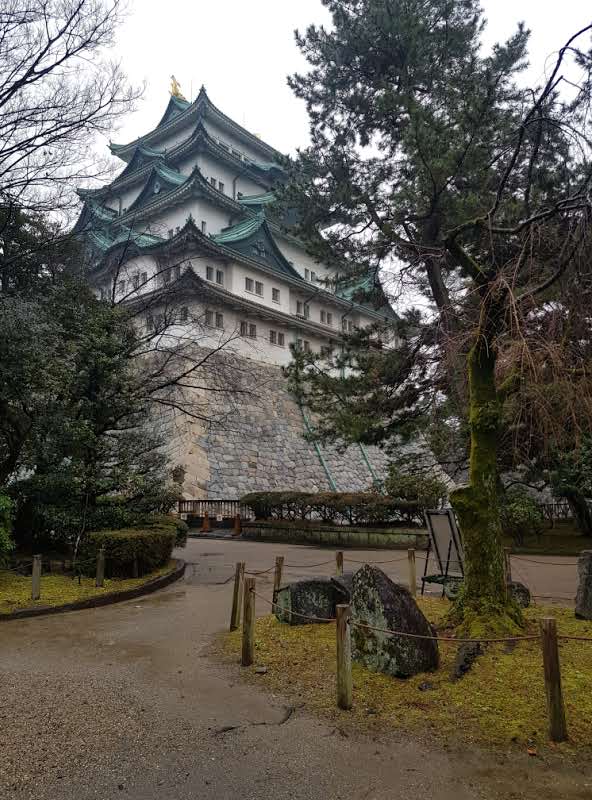
Balanced city life with fewer tourists and a strong local community. More affordable than Tokyo and Osaka. Great location to visit snowy villages like Shirakawa-go.
- Café recommendation: Komeda’s Coffee for a traditional café experience. Try the Shiro Noir dessert.
- Accommodation: 9 hours Nagoya station, super clean and quiet with a small co-working area overlooking the city.
Kyoto: best combination of living and working
Personally, I find Kyoto the best city for digital nomads in Japan. Its perfect blend of tranquility, culture, and affordability makes it an ideal place to balance work and leisure.
Best times to travel Japan
Japan’s best travel seasons are spring (March to May) and autumn (September to November). I prefer spring for the cherry blossoms and pleasant weather. Summer (June to August) can be hot and humid, while winter (December to February) is perfect for skiing enthusiasts.
Top 10 tourist attractions
Japan is packed with attractions easily accessible during weekends or after work:
- Tokyo Tower: Iconic symbol of Tokyo, best reached by metro.
- Kyoto’s Kiyomizu-dera: Historic temple, a short bus ride from the city center.
- Universal Studios Japan in Osaka: Home to the Wizarding World of Harry Potter, accessible by subway. Don’t miss the Osaka free walking tour to explore the city’s hidden gems.
- Hiroshima Peace Memorial Park: Historical significance, reachable by train.
- Nara Park: Famous for free-roaming deer, a short train ride from Kyoto.
- Mount Fuji: Stunning views and hiking, accessible by bus from Tokyo.
- Fushimi Inari Shrine: Renowned for its torii gates, in Kyoto, reachable by train.
- Shirakawa-go: Traditional gassho-zukuri farmhouses, a scenic bus ride from Nagoya, bookable via GetYourGuide.
- Nabana no Sato: Spectacular flower park with winter illumination, accessible by bus from Nagoya.
- TeamLab Planets Tokyo: Cutting-edge exhibits and immersive digital art, accessible by metro in Tokyo.
Local secrets
- Golden Gai in Tokyo: A maze of tiny bars offering unique nightlife experiences, reachable by metro.
- Kurama in Kyoto: Hidden gem for hiking and hot springs, accessible by train.
- Yanaka Ginza in Tokyo: A quaint shopping street with a retro feel, accessible by metro.
Getting there
Japan is well-connected internationally through major airports like Narita (Tokyo) and Kansai (Osaka). Flights from the US, Europe, and Asia are frequent and competitive.
Getting around locally
Japan boasts an efficient public transport system, including trains, buses, and domestic flights. The Japan Rail Pass is a cost-effective option for long-term travelers. Renting bikes or cars is also convenient for exploring rural areas.
- Trains: The Shinkansen and local trains connect cities quickly. The Japan Rail Pass offers unlimited JR travel for 7, 14, or 21 days.
- Buses: Long-distance and local buses are affordable. Companies like Willer Express offer comfortable routes.
- Subways: Cities like Tokyo, Osaka, and Kyoto have extensive subway systems with day passes available.
- Bikes: Cities offer bike rentals for eco-friendly exploration.
- Rental Cars: Ideal for rural areas; requires an International Driving Permit (IDP).
- Domestic Flights: Quick travel for long distances with airlines like ANA and JAL.
- Taxis and Ridesharing: Available but expensive. Best for short trips.
Personal Notes on Transportation
I meticulously planned my trip, so the Japan Rail Pass wasn’t cost-effective for me. You can calculate costs in advance using Hyperdia. However, I highly recommend experiencing the Shinkansen at least once. Google Maps is incredibly convenient for metro travel, showing exactly where to board for the fastest transfer times and providing accurate fare information for each route.
Visa: Digital nomad Japan
- Tourist Visa: 90 days for many nationalities.
- Digital Nomad Visa: No specific visa, but options for long-term stays like the Working Holiday Visa for eligible countries.
- Application: Visit Japan Visa Website for detailed information.
Local food and vegetarian options
Vegetarian options can be challenging to find due to the common use of fish stock. That’s why I often opted for vegan restaurants.
- Traditional dishes: Sushi: Vinegared rice with seafood. Ramen: Noodles in a meat or fish broth. Tempura: Battered and fried seafood or vegetables. Soba: Buckwheat noodles, hot or cold.
- Vegetarian options: Tofu Dishes: Agedashi tofu, hiyayakko, and yudofu. Vegetable Tempura: Sweet potato, eggplant, and bell pepper. Onigiri: Rice balls with fillings like pickled plum and seaweed. Shojin Ryori: Traditional Buddhist cuisine, entirely vegetarian.
- Must-try desserts: Dorayaki: Pancake-like patties filled with sweet azuki bean paste.).
Sustainable travel in Japan
Japan promotes eco-friendly travel with its extensive public transport system and eco-certified hotels. As a responsible traveler, consider the following tips to minimize your impact:
- Use public transport: Take advantage of Japan’s efficient trains, subways, and buses.
- Reduce plastic use: Carry reusable bags and bottles to avoid single-use plastics.
- Animal welfare concerns: Many visitors are unaware that some animal cafés, like owl and hedgehog cafés, may use sedation to make the animals more docile. Japan’s understanding of animal rights can be limited, with reports indicating a lack of comprehensive animal welfare laws and enforcement. Avoiding these attractions helps discourage practices that harm animals.
What experiences have you had in Japan? Share them in the comments below!
Continue reading
Living the dream life on the beach, sipping mango juice, needs to be funded. Even though the cost of living in Southeast Asia is cheaper than in many Western countries, you still need to cover the travel expenses to get there.

Maybe you already have a dream destination in mind, which makes the decision easy. However, there are a few prerequisites you should check before booking your flights. I’ve summarized the most important ones here.
Not every job can be done from abroad. Even for roles that are fully computer-based, some employers still prefer their employees to work from the office. Here’s what I’ve learned along the way!
 Solo Nomad Travels
Leave a comment