The Philippines, with its stunning beaches, affordable cost of living, and vibrant culture, is a dream destination for digital nomads. Here’s why you should consider it for your next work and travel adventure.
Most important facts
- General cost of living: Affordable compared to Western countries, with budget options available.
- Internet connection: not very reliable
- Language: English is widely spoken, easing communication.
- Food: A lot of fried chicken, but veggie options available
- Accomodation: you can rent apartments for around ₱15,000 – ₱35,000 ($300 – $700) per month (I stayed in hostels for the ocean view)
- Massages: incredibly good and affordable (14 $US for 2 hours)
- Getting there: Cheap to fly into Manila or Cebu
- Getting around: Planes between islands are as cheap and frequent as busses in other countries
- People: Filipinos are known for their hospitality and friendliness.
- Tourist visa: Extendable up to 36 months.
- Recommendation: Yes, for people who are flexible enough to wait out internet problems
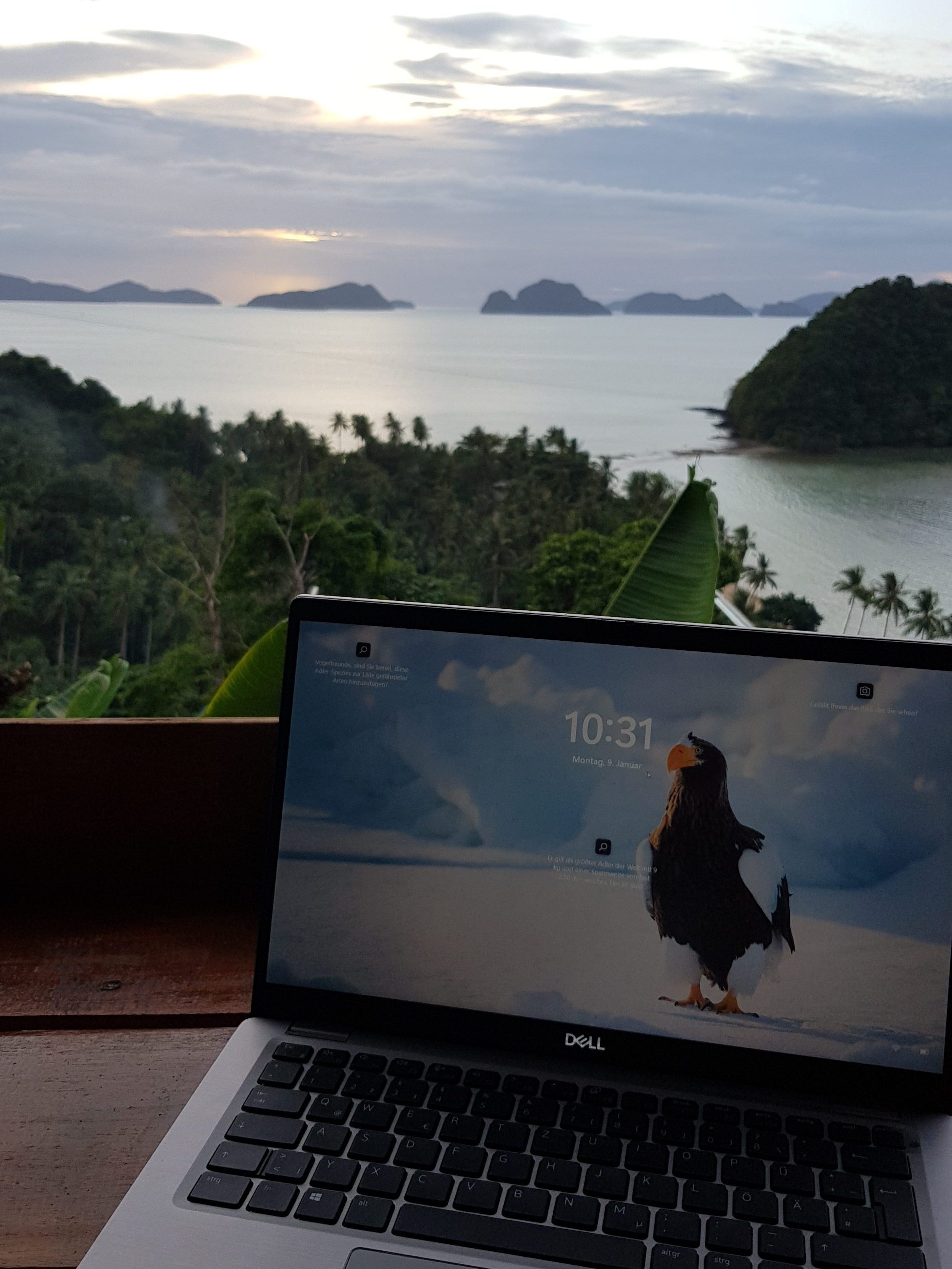
Why work and travel in the Philippines?
I’ve been exploring Southeast Asia for a while, and the Philippines stands out for its welcoming locals and prestine beaches.
Travelling: It’s just beautiful there. The beaches are some of the prettiest I’ve ever seen. People were in fact super welcoming – after a week in my hostel it felt like staying with a family. Diving and kayaking was amazing and affordable. I had a massage every second day and after looking around for a little while I found delicious vegetarian food options.
Working: For me, there’s nothing better than a Monday morning starts with a stroll at the beach. And if they are as picturesque as the ones in Philippines I was going to risk the unreliable wifi. And it was truely unreliable. Because I didn’t have many calls, I was able to make it work from Areas like Coron or Palawan. But I met people who left after a couple of days because of it.
Best places for digital nomads philippines
The best chances for reliable internet will be in the cities, like Manila, Cebu, Davao. It’s a safe option and you can still go and explore beaches on the weekend.
Working in Manila
When I first arrived in Manila, I was amazed by the blend of modern skyscrapers and historical landmarks. It’s a bustling city with a lot to offer.
- Highlights:
- Thriving co-working spaces: Co.Lab, Common Ground, and Acceler8.
- Districts like Makati and BGC offer co-living spaces, high-end malls, and cafes.
- Historical sites like Intramuros, the historic walled city.
- Cost of Living: ₱22,000 – ₱60,000 ($440 – $1,200) monthly rent.
- Personal Take: While busy and bustling, Manila offers a vibrant lifestyle and ample opportunities for networking and entertainment.
Working in Cebu
Cebu quickly became one of my favorite spots. It has the perfect mix of urban convenience and access to beautiful beaches.
- Highlights:
- Affordable living with access to beaches and mountains.
- Popular spots: The Company Cebu IT Park..
- Nearby beaches like Mactan Island.
- Cost of Living: ₱15,000 – ₱45,000 ($300 – $900) monthly rent.
- Personal Take: Cebu balances city life with easy access to nature, making it a versatile base for digital nomads.
- Best massage I got was in a shopping mall in the basement, which sounds like a no go, but I event went back for it (Forever Young Spa at Robinsons Galleria Cebu, where you’ll also find the immigration office for visa extensions)
Working in Davao
Davao is known for its safety and rich natural beauty. It’s a city that feels both serene and full of life.
- Highlights:
- Known for safety and natural beauty.
- Attractions: Mount Apo, Philippine Eagle.
- Co-working spaces like Dev Hub Davao and Dreamwork..
- Cost of Living: ₱12,000 – ₱30,000 ($240 – $600) monthly rent.
- Personal Take: Davao’s safety and natural attractions make it an appealing choice for a peaceful work environment.
Working in Baguio
Baguio offers a refreshing escape from the tropical heat with its cooler climate and scenic mountain views.
- Highlights:
- Cooler climate with scenic mountain views.
- Attractions: Burnham Park, local cafes like Cafe by the Ruins Dua.
- Cost of Living: ₱10,000 – ₱25,000 ($200 – $500) monthly rent.
- Personal Take: The refreshing climate and serene environment of Baguio offer a nice break from the tropical heat of the Philippines.
Philippines top beach destinations
I mentioned it before: the beaches were my highlights.
Siargao for surfing
If you’re into surfing, Siargao is the place to be. The island vibe is laid-back, making it perfect for work and relaxation. But the wifi is spotty.
- Highlights:
- Surfing spots like Cloud 9.
- Co-working hubs in General Luna and Santa Monica.
- Cost of Living: ₱8,000 – ₱18,000 ($160 – $360) monthly rent.
- Personal Take: Siargao’s laid-back vibe and surfing culture make it a unique and relaxed spot for digital nomads.
Palawan for diving
Palawan’s natural beauty is unparalleled. From crystal-clear waters to limestone cliffs, it’s a paradise for nature lovers.
- Highlights:
- Beaches, coral reefs, natural wonders, which you explore by yourself in a kayak or by going on a tour boat (with many other tourists).
- Popular areas: El Nido, Puerto Princesa.
- Cost of living: ₱15,000 – ₱35,000 ($300 – $700) monthly rent.
- I stayed at Lexias Hostel in El Nido (for the ocean view – which was stunning, and the dorm options were affordable IF you booked through their website. Via booking is was crazy expensive.)
- Personal take: The natural beauty of Palawan is unparalleled, though internet reliability can be a challenge.
-
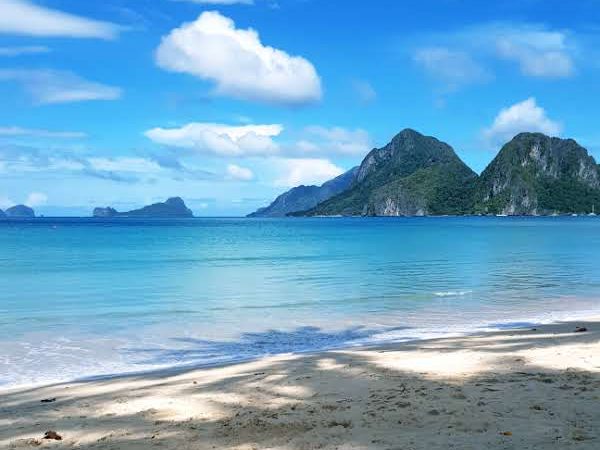
Boracay for nightlife
Boracay is famous for its white sand beaches and vibrant nightlife. It’s the perfect place to mix work and leisure.
- Highlights:
- Famous white sand beaches.
- Vibrant nighlife
- Cost of living: ₱25,000 – ₱50,000 ($500 – $1,000) monthly rent.
- Personal take: Boracay is perfect for those who want to mix work with beach leisure and nightlife.
Coron for tranquility
- Highlights: Diving, island hopping, and snorkeling.
- Cost of living: ₱15,000 – ₱30,000 ($300 – $600) monthly rent.
- Hostel: I stayed at the Hop Hostel (book through website)
- Wifi was great but no co-working area
- Personal take: Coron is less crowded than other tourist spots, making it perfect for those seeking tranquility.
- Boat trip: Consider the 3-day, 2-night boat trip from El Nido to Coron, staying on remote islands. I went with El Nido Paradise and was pleasantly surprised (I got my own little cabine and the views were breathtaking) or check Tao Philippines.
- Highlights:
-
When to visit – The Philippines
The Philippines has a tropical climate with distinct wet and dry seasons. Timing your visit can significantly impact your experience.
Wet Season (May to October): Characterized by heavy rains and occasional typhoons, but it’s also the best time for surfing, with fewer tourists and lower prices.
Dry Season (November to April): The best time to visit, with sunny days and minimal rainfall, perfect for beach activities and exploring the islands.
Safety tips
The Philippines is generally safe, but like anywhere, it’s essential to stay aware and cautious.
Weather Considerations: Especially important during the typhoon season (July to October).
General Safety: Stay aware of your surroundings, avoid high-crime areas, and be cautious in crowded places.
Some local boats and ferries aren’t particularly safe. Every now and then one of sinks. Even though I feel guilty when flying often, I would recommend it in the Philippens.
Visa requirements for the Philippines
When planning your stay in the Philippines as a digital nomad, it’s crucial to understand the visa requirements.
Tourist Visa
30-day visa-free entry Most nationalities can enter without a visa for up to 30 days. This is ideal for short-term visits or initial exploration trips.
- Requirements:
- Passport valid for at least six months beyond your stay.
- Proof of onward or return travel.
Visa Extension: If you wish to stay longer, you can extend your visa for an additional 29 days. Further extensions are possible, allowing a stay of up to 36 months in total.
- Process:
- Visit a Bureau of Immigration office.
- Fill out the visa extension form.
- Pay the extension fee, pick up passport later.
For more information on long-term visas for the Philippines, you can visit the official website of the Bureau of Immigration.
Sustainable and responsible travel
Sustainability is important to me, and it’s great to see that the Philippines has several initiatives to protect its environment.
- Reduce plastic use: Avoid single-use plastics.
- Support local businesses: Choose local shops and restaurants.
- Respect cultural norms: Engage respectfully with local customs and traditions.
The Philippines offers a diverse range of experiences for digital nomads, from bustling city life to serene beach retreats. With its affordable living, friendly locals, and beautiful landscapes, it’s no wonder the Philippines is becoming a top choice for remote workers. Plan your trip, immerse yourself in the local culture, and enjoy the unique blend of work and travel in this tropical paradise.
Got questions or suggestions?
I’d love to hear from you! Drop your thoughts, questions, or experiences in the comments. Let’s share the best tips and tricks for living the digital nomad life in the Philippines!
Subscribe for travel updates
Enter your email to stay informed.
 Solo Nomad Travels
Leave a comment