As a digital nomad, Thailand has always intrigued me with its vibrant culture, affordable living, and diverse landscapes. Whether you’re drawn to bustling cities or serene beaches, Thailand offers something for every type of remote worker.

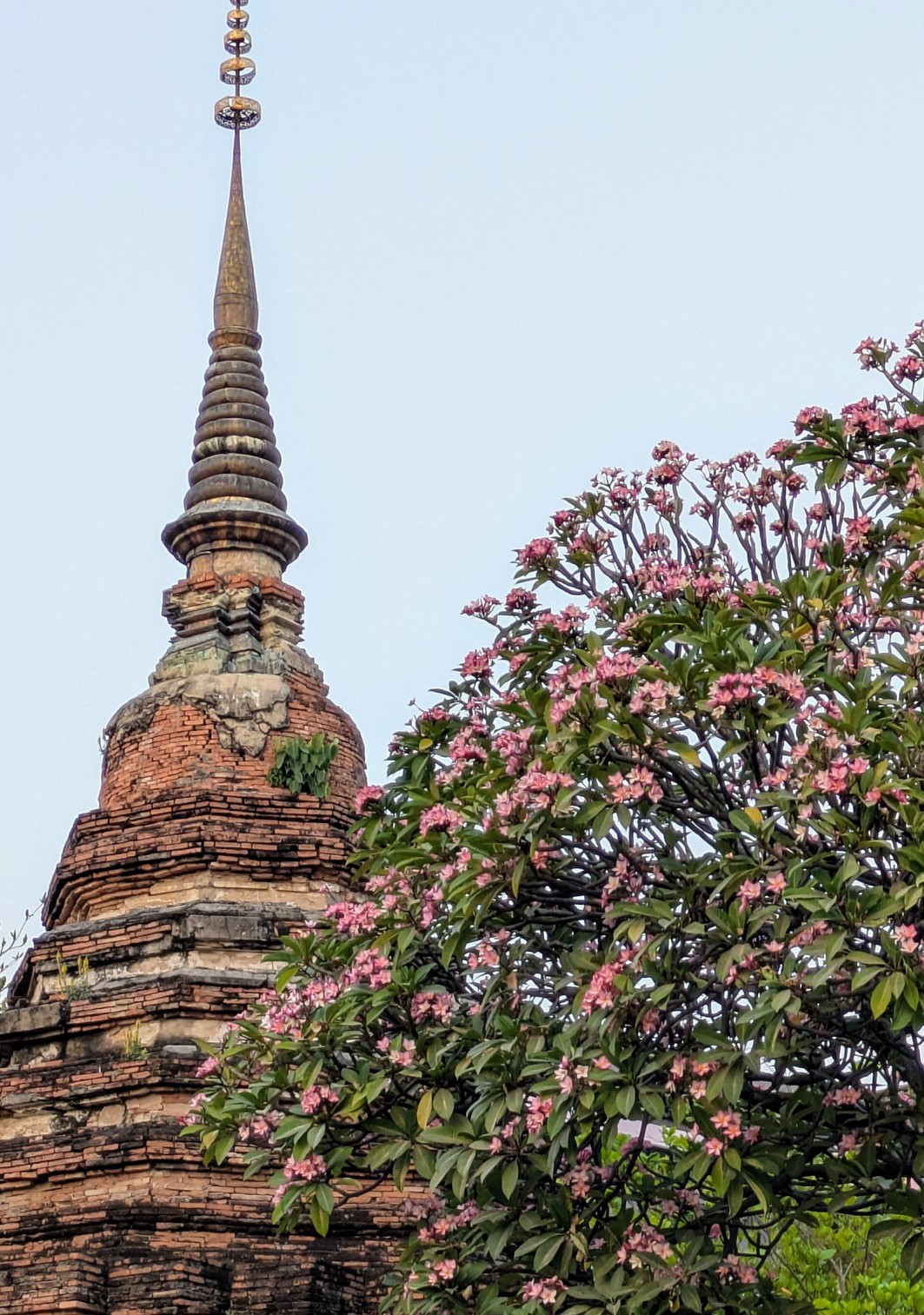
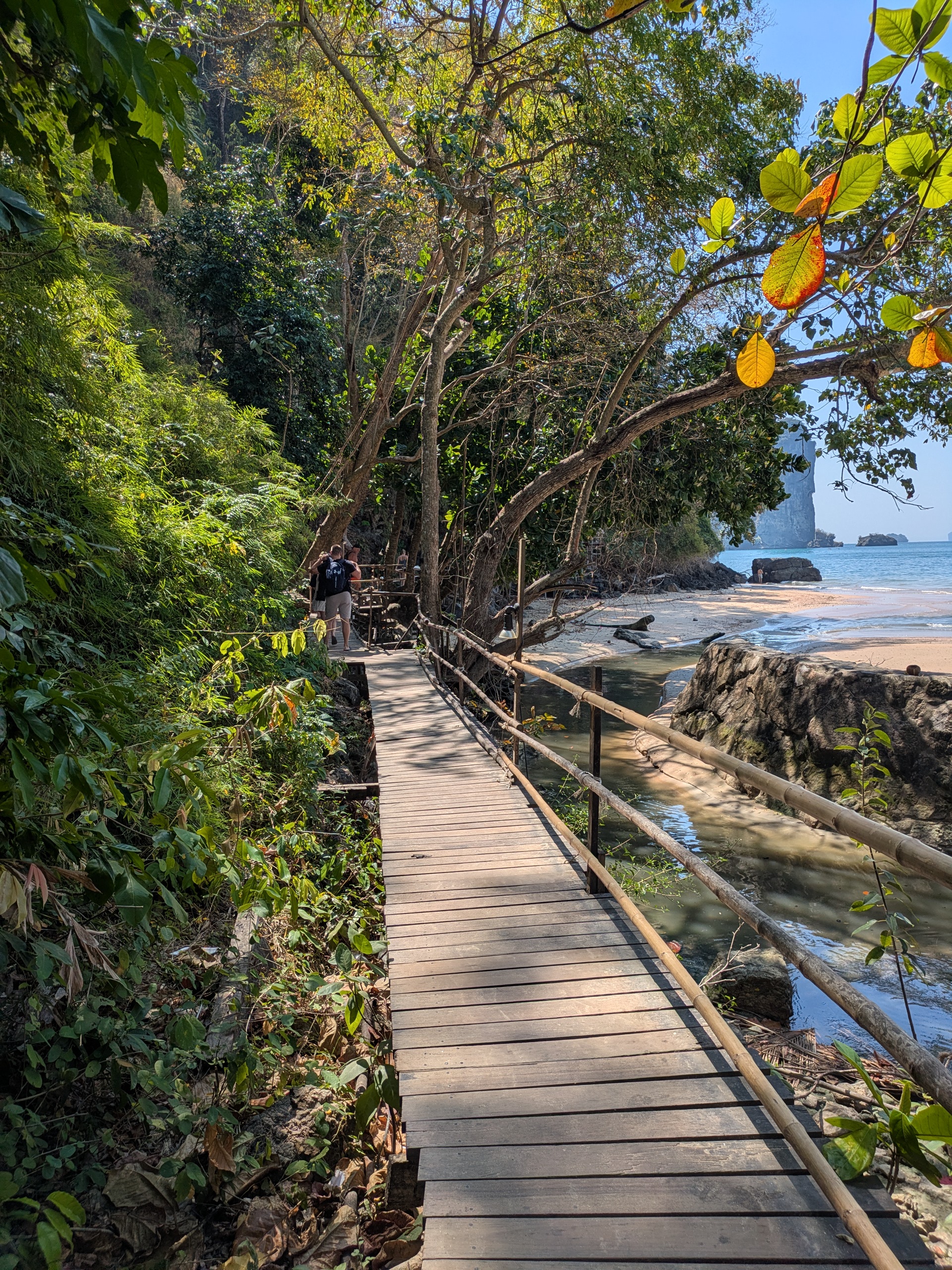
Key aspects for digital nomads
Thailand offers a balanced lifestyle for digital nomads, combining modern infrastructure with natural beauty. Here are some key aspects to consider:
- Cost of living: $800-$1500 per month in affordable cities like Chiang Mai, $1500-$3000 in Bangkok.
- WiFi reliability: High-speed internet widely available in urban areas.
- Language: Thai; English commonly spoken in tourist areas.
- Food: Diverse and veggie-friendly options.
- Accommodation costs: Dorms from $8, private rooms from $15 per night.
- Getting there: Well-connected by international flights.
- Getting around: Affordable public transport, motorbike rentals.
- People: Welcoming and friendly.
- Gyms: Day passes around $5-$10.
- Visa: New Destination Thailand Visa (DTV) for long-term stays.
- Personal recommendation: Ideal for those who love a mix of urban life and natural beauty.
Best places to live, work, and party
Exploring Thailand while maintaining productivity is achievable with the right balance. Here are the top cities for digital nomads in Thailand.
Working in Chiang Mai
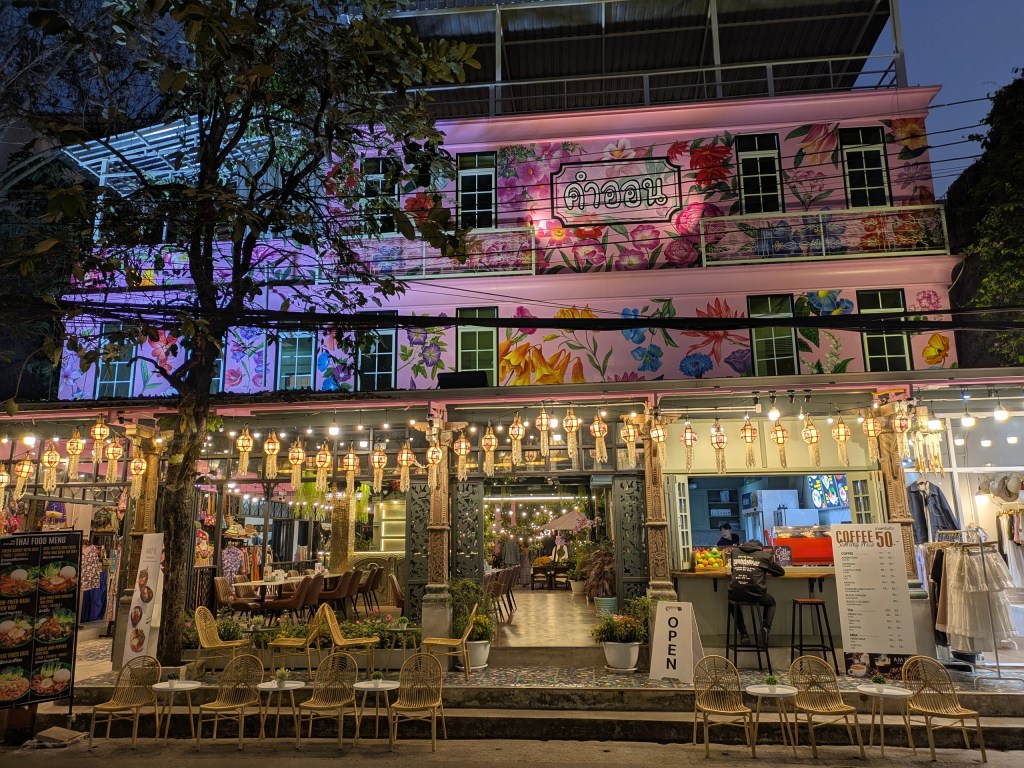
Chiang Mai is known for its affordable cost of living and strong digital nomad community and its many coworking spaces.
- Café recommendation: Ristr8to, known for their latte art.
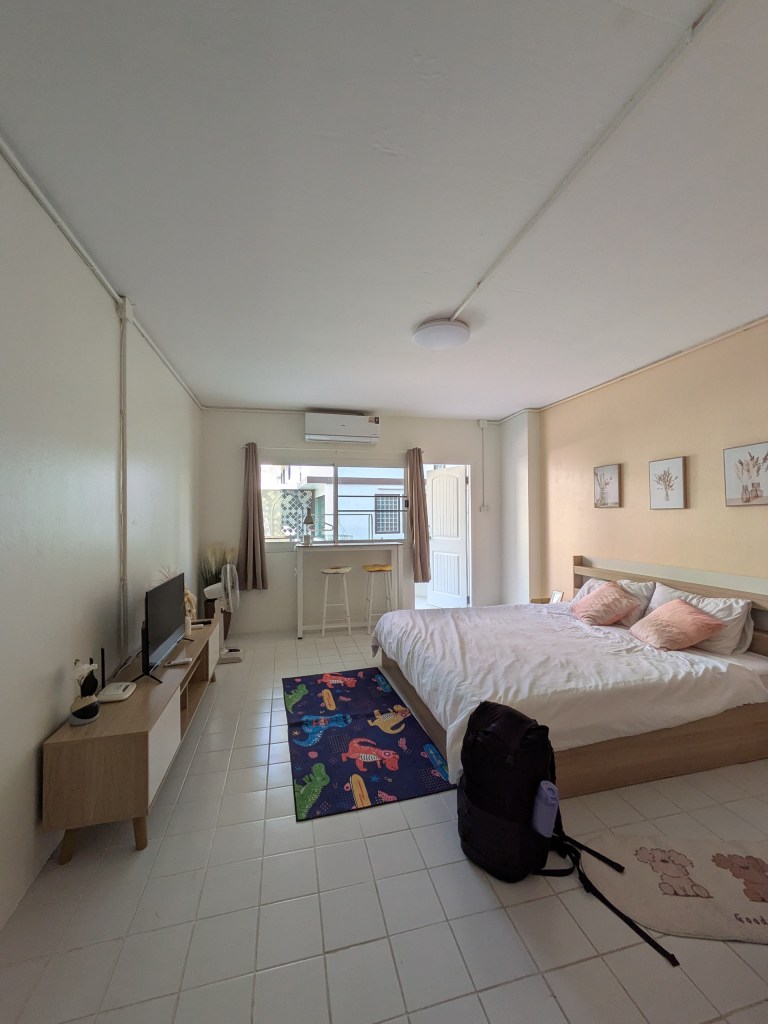
- Accommodation: The Social Club (in the old town) private rooms with balkcony, shared kitchen and coworking area. But there are many affordable AirBnBs around if you want more privacy.
- Area: I stayed in Nimman – the “new” area for digital nomads and felt very safe, loved the café options and smaller markets.
- Recommended season: From November-End of Feb – it’s hot but not as humid as elsewhere. (In Feb, burning season starts, meaning rice fields are being burned and air pollution gets unbearable. Most nomads leave for Vietnam then for 1-2 months.


Working in Bangkok
Vibrant city life with ample business opportunities. Bangkok is moderately priced for digital nomads. Visit the Grand Palace or Chatuchak Market; both easily accessible by public transport.
- Café recommendation: Roast Coffee & Eatery, try their cold brew coffee.
- Accommodation: Lub d Bangkok Silom offers affordable options with coworking spaces.
Working in Koh Lanta
Serene beaches and excellent diving spots. Koh Lanta is very affordable. Explore Mu Ko Lanta National Park or Klong Dao Beach; accessible by motorbike. Koh Lanta offers vibrant nightlife with beach bars and live music.
- Café recommendation: Drunken Sailors, try their fresh smoothies.
- Accommodation: Lanta Pearl Beach Resort with coworking spaces.
Working in Krabi
Krabi is a popular tourist destination with beautiful (yet crowded) beaches and lots of bars. I found it hard here to find a balance of work and leisure. Visit Railay beach (during off season) and stay outside of the city. I stayed in Krabi Town once, which is much quieter than Ao Nang beach.
- Café recommendation: Owl Café, try their signature flat white.
- Accommodation: For a short stay at Ao Nang, I’d recommend iRest Ao Nang. Dorms and privates, good wifi, decent breakfast included. Make sure to book in advance if you’re looking for an affordable and nice place.
- Nice areas:
- Railay beach (during off season)
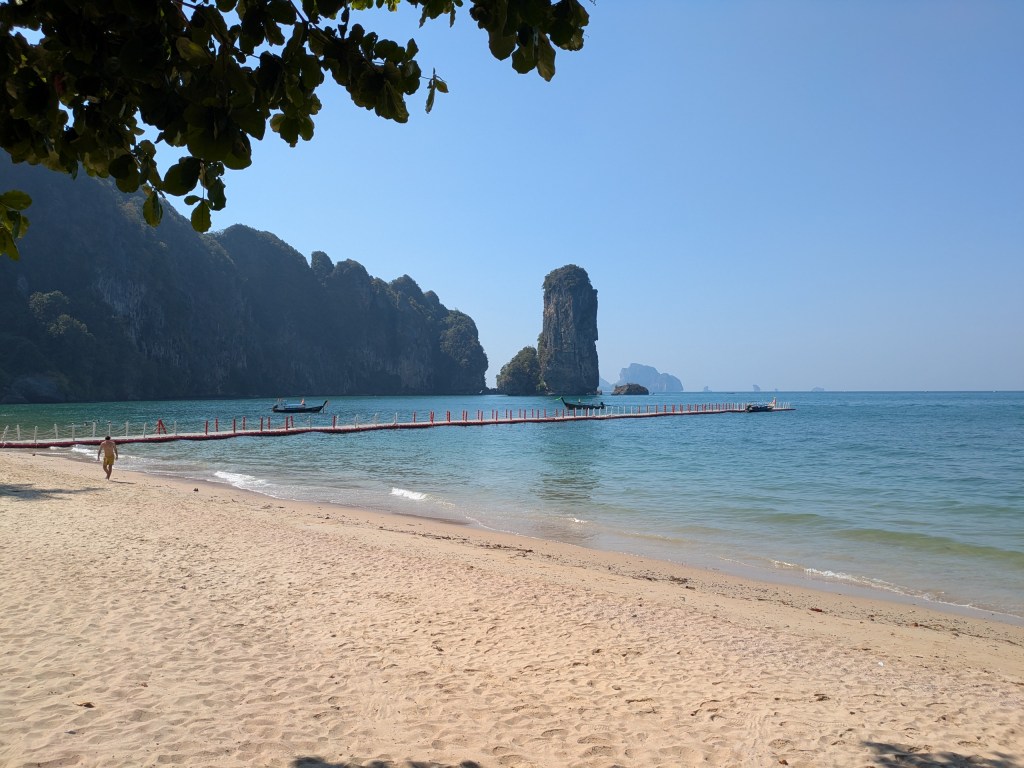
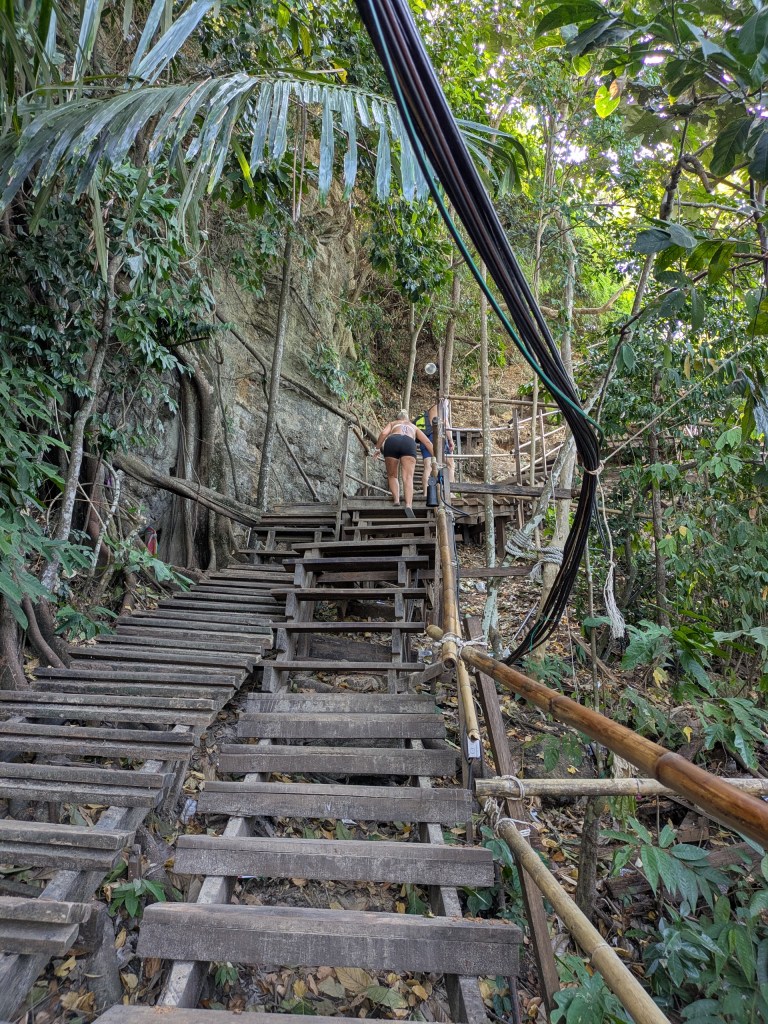
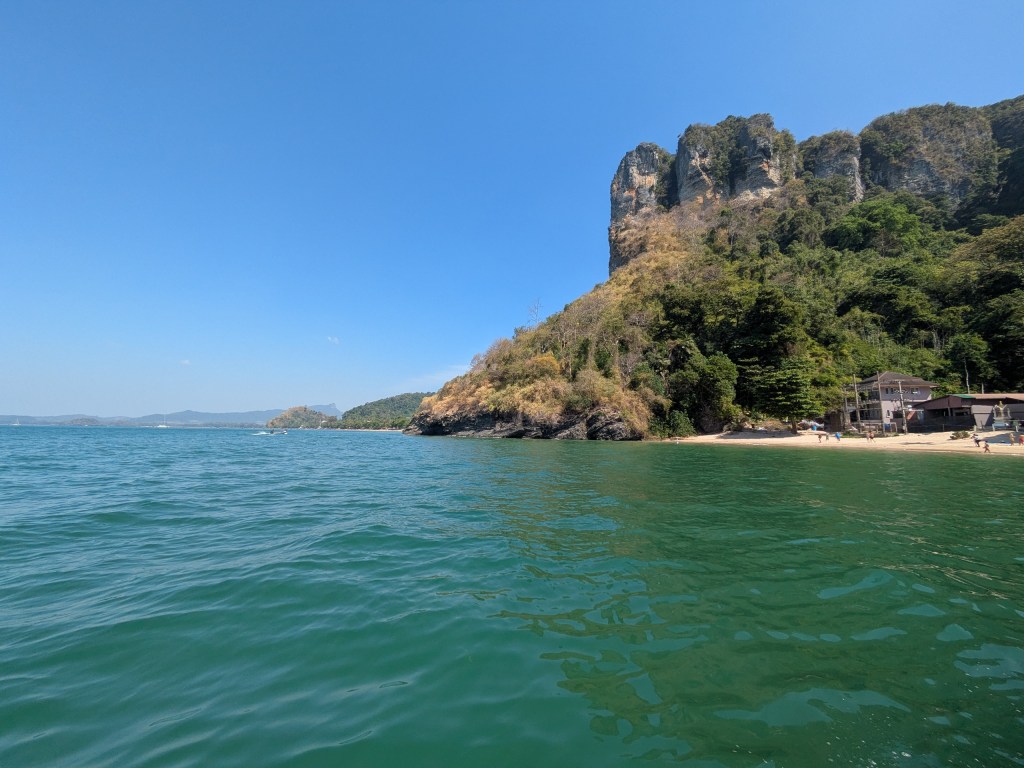
- Private beach: if you’re on the main beach in Ao Nang (with all the boats leaving for Railay and other beaches/island) keep walking left – toward that lime stone tower (when facing the sea) until you reach the end. There’s a trail, “guarded” by monkeys. When you follow that one up and down you reach a nice quiet private beach where you have to sign in (but not pay) and get to spend some time at a beach where you can acutally hear the waves (not just the motor boats).


Working in Koh Phangan
Relaxed vibe with famous Full Moon parties. Koh Phangan has moderate living costs. Visit Ang Thong Marine Park or Thong Sala Night Market; accessible by boat.
- Café recommendation: Bubba’s Coffee Bar, try their organic coffee.
- Accommodation: Baan Jai Dee Resort with coworking area.
Chiang Mai: best combination of living and working
I personally prefer Chiang Mai for its strong digital nomad community and affordable cost of living. The mix of work-friendly cafes and beautiful natural surroundings makes it ideal.
Best times to travel Thailand
I prefer traveling to Thailand from November to February. During these months, the weather is cool and comfortable, making it perfect for both work and exploration.
- Cool season: November to February, with comfortable temperatures and clear skies.
- Hot season: March to May, with higher temperatures and bustling cities.
- Rainy season: June to October, with frequent rains but lush landscapes.
Top 10 tourist attractions
Thailand offers a variety of attractions that are perfect for weekend trips or after-work explorations.
- Grand Palace (Bangkok): Iconic landmark easily accessible from central Bangkok.
- Wat Pho (Bangkok): Famous for the Reclining Buddha and massage school.
- Doi Suthep (Chiang Mai): Mountain temple with panoramic views.
- Elephant Nature Park (Chiang Mai): Ethical elephant sanctuary focuses on rescuing and rehabilitating elephants that have been abused or neglected.
- Phi Phi Islands (Phuket): Stunning beaches and snorkeling spots.
- Big Buddha (Phuket): Landmark with panoramic views of the island.
- Ang Thong Marine Park (Koh Phangan): Marine park with diverse wildlife.
- Thong Sala Night Market (Koh Phangan): Bustling market with local delicacies.
- Mu Ko Lanta National Park (Koh Lanta): Natural beauty and diverse wildlife.
- Klong Dao Beach (Koh Lanta): Relaxing beach with clear waters.
Local secrets
- Talad Rot Fai (Train Night Market, Bangkok): Vibrant night market with unique goods.
- Pha Chor (Chiang Mai): Grand Canyon-like rock formations.
- Lanta Animal Welfare (Koh Lanta): Rescue center where you can volunteer or visit, accessible by motorbike.
Getting there
Major airports: Suvarnabhumi Airport (Bangkok), Don Mueang International Airport (Bangkok), Chiang Mai International Airport, Phuket International Airport.
International connections: Frequent flights from major global cities.
Getting around locally
Once in Thailand, getting around is easy and efficient:
- Buses: Inexpensive and reliable, connecting major cities and towns. Prices range from $1 for city buses to $20 for long-distance routes.
- Trains: Comfortable and scenic routes, ideal for long-distance travel. Prices range from $5 for short trips to $30 for overnight journeys in sleeper cars.
- Motorbike rentals: Popular for short distances, affordable, and available everywhere. Prices start at $5 per day.
- Car rentals: Available for longer trips, offering convenience at a higher cost. Prices start at $25 per day.
- Domestic flights: Efficient for long distances; budget airlines offer competitive rates. Prices can range from $30 to $100 depending on the route.
- Public transport: Buses and trains are economical; city buses and tuk-tuks are common in urban areas. City bus fares are typically under $1, and tuk-tuk rides vary from $2 to $5 depending on the distance.
- Sustainable options: Consider using buses and trains for longer trips to reduce carbon footprint.
Visa: Digital nomad Thailand
Thailand offers several visa options for digital nomads and tourists.
- Visa exemption: 30 days on arrival for many nationalities, extendable by 30 days at an immigration office.
- Tourist visa: 60 days, extendable by 30 days. Must be obtained from a Thai embassy or consulate before arrival.
- Special Tourist Visa (STV): Up to 270 days, ideal for long-term stays.
- Smart Visa: For specific professions, valid up to 4 years.
- More info: Thai Embassy Visa Information
Local food and vegetarian options
Thailand boasts a variety of traditional dishes and vegetarian options.
- Traditional dishes: Have any questions or need more tips on being a digital nomad in Thailand? Feel free to reach out or leave a comment below! Your adventures await.
- Vegetarian options: Thai curries with tofu, vegetable stir-fries, fresh spring rolls.
- Must-try desserts: Mango sticky rice, coconut ice cream, Roti (Thai-style pancake).
Sustainable travel in Thailand
Sustainable travel is gaining traction in Thailand, with various initiatives promoting eco-friendly practices.
- Initiatives: Beach clean-ups, conservation projects for elephants and marine life.
- Individual actions: Avoid single-use plastics, support eco-friendly businesses.
- Organizations: Trash Hero Thailand (Trash Hero)
What experiences have you had in Thailand? Share them in the comments below!
Continue reading
Living the dream life on the beach, sipping mango juice, needs to be funded. Even though the cost of living in Southeast Asia is cheaper than in many Western countries, you still need to cover the travel expenses to get there.

Maybe you already have a dream destination in mind, which makes the decision easy. However, there are a few prerequisites you should check before booking your flights. I’ve summarized the most important ones here.
Not every job can be done from abroad. Even for roles that are fully computer-based, some employers still prefer their employees to work from the office. Here’s what I’ve learned along the way!
 Solo Nomad Travels
Leave a comment