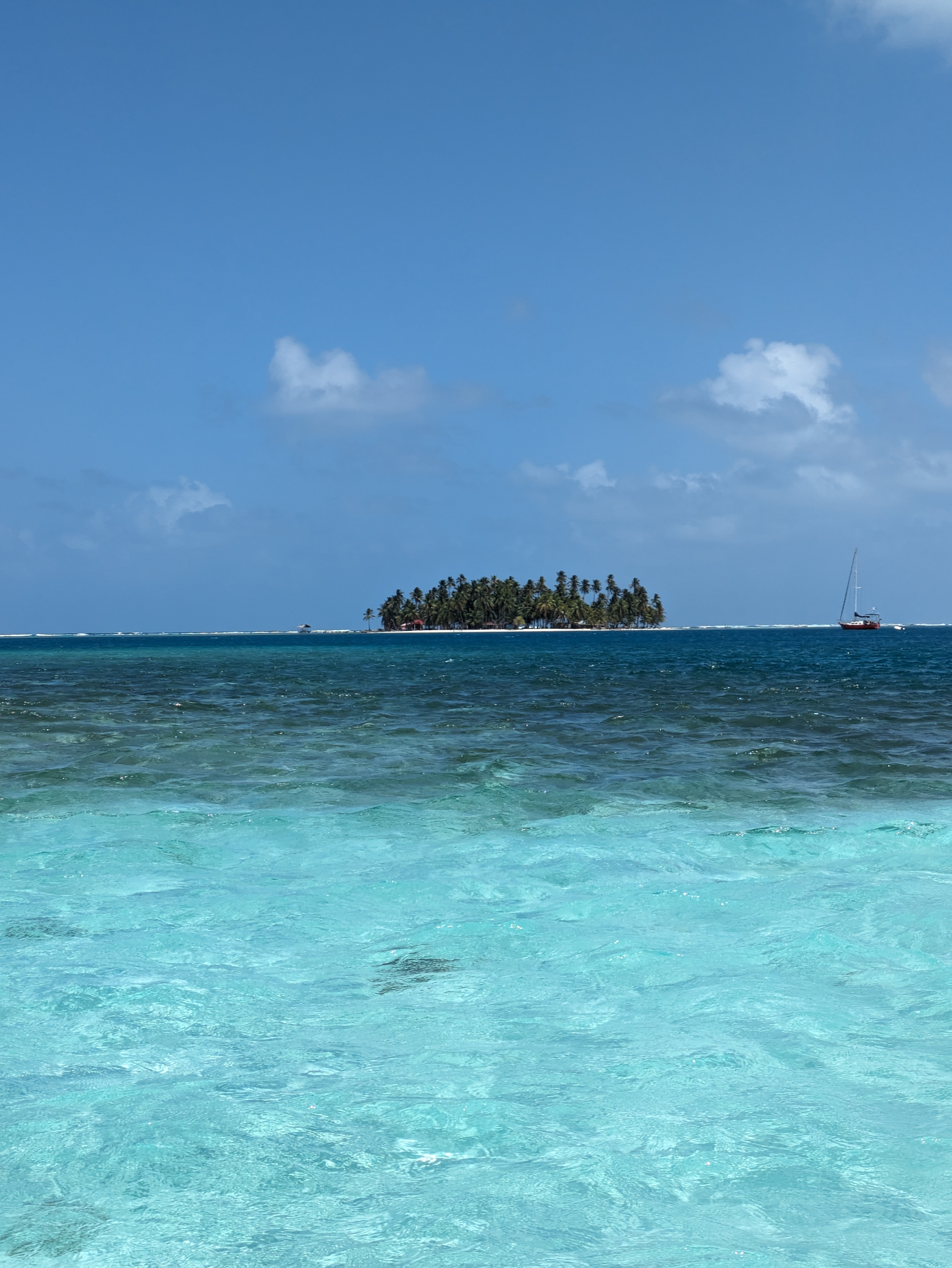
How to choose your perfect destination
Choosing the best place to live and work as a digital nomad depends on several factors, including the cost of living, quality of life, and the availability of reliable internet.
Choosing your travel destination
Either you already have a dream destination in mind, making the decision easy, or you know your travel dates and look for affordable flights to various parts of the world.
I use Google Flights or Skyscanner to find flights but prefer to book directly with the airlines. Although it might be slightly more expensive, resolving any issues is easier when dealing directly with the airline.
Check working conditions at your dream destination:
- Internet Coverage and Speed: For example, in the Baltics, you can easily travel by ferries, buses, and trains between countries while enjoying fast and free WiFi. In the Philippines, both WiFi and mobile data can be weak and unreliable, often cutting out.
- Power Outages: Frequent power outages can be an issue in some places. For instance, in South Africa, there are planned power outages known as “load shedding.” Co-working spaces and some private accommodations (like Airbnbs) have generators to handle these outages.
- Co-Working Spaces: Ensure there are co-working spaces near your accommodation. These are essential for stable internet, power backup, and social interaction.
Check cost of living: Accommodation
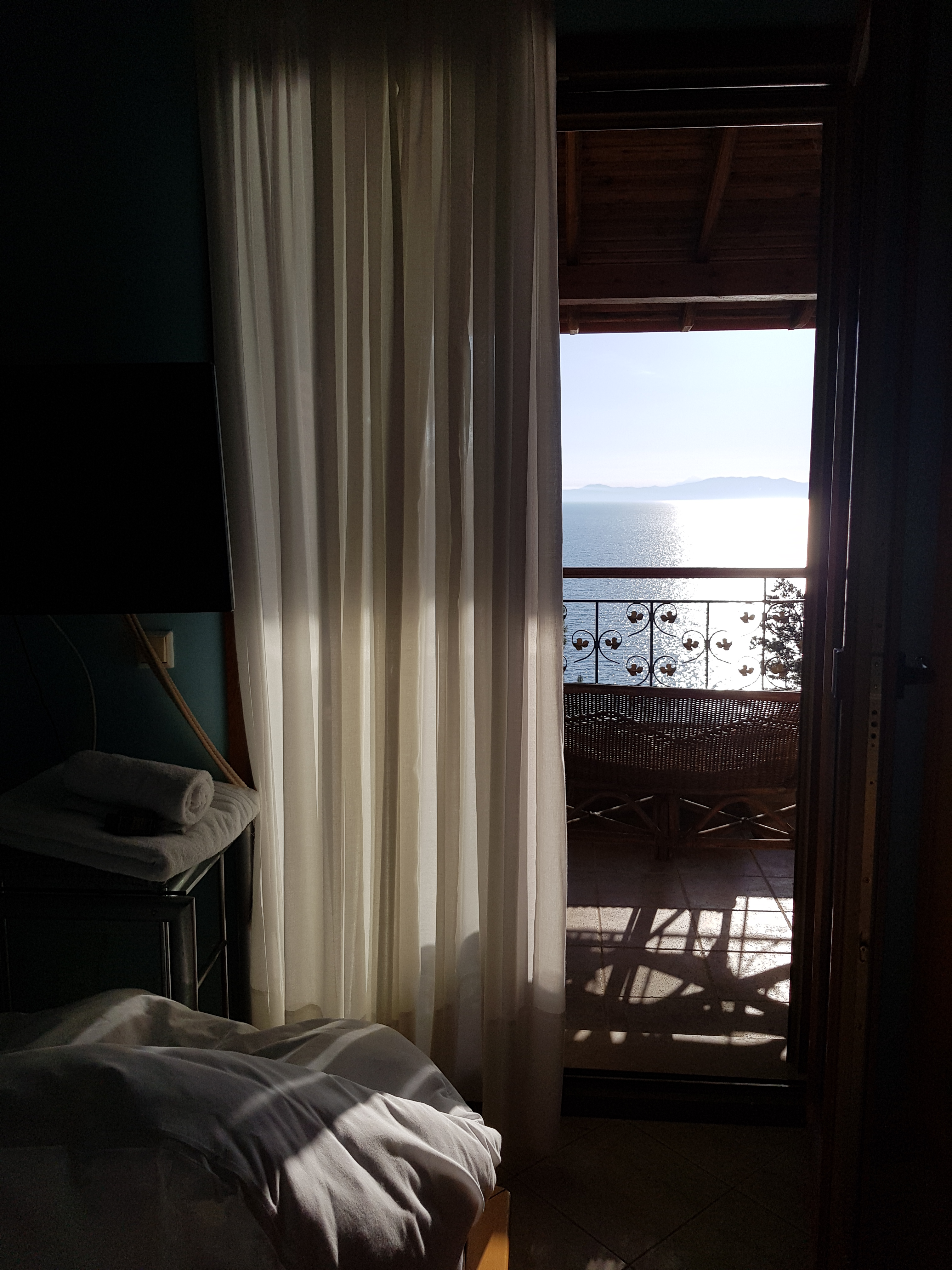
- To get an idea, check Booking.com and Airbnb for accommodation costs that meet your standards. How much are you willing to spend?
- I like to keep my accommodation costs low to spend more on activities. While I prefer a private room with a bathroom, I sometimes opt for hostels and dorms, depending on the destination. I used to think I was too old for dorms, but to finance longer trips, I changed my mindset. Plus, I’ve noticed more people in their mid-to-late 30s staying in hostels – as if millennials aren’t ready to “grow up.”
- A good mix for me is alternating between dorms and privates. When I want company, it’s easier to meet people in hostels.
- If choosing a dorm, I prefer “sleeping pods,” where your bed has walls around it and just one entrance that can be closed with a curtain, roller, or even a door. At the very least, a bed with a curtain for some privacy is essential. Avoid those metal-framed beds that aren’t even attached to the wall and shake when you or the person above you climbs the ladder.
- Kitchen facilities: When traveling for an extended period, having a kitchen where you can prepare your comfort food is invaluable. In Southeast Asia, eating out is often cheaper than cooking, so kitchens are rare. Initially, I enjoy the luxury of dining out, but after a month, I long for the convenience of making my own meals. A microwave for my baked oats is enough to make me happy.
It’s not easy to find everything you want at an affordable price. If the sea view is more important to me than having my own room, I’ll book a hostel for two weeks. Or, I might forgo having my own kitchen. What would you choose?
Check cost of living: Food
You might have an idea of whether dining out or grocery shopping is cheap or expensive in many countries. For some, you might not know, or you could be wrong. A quick check on Google Maps for a few restaurants or cafes can give you a good overview.
- For example, I expected dining out (and accommodations) in Central America to be similar in price to Southeast Asia, given the similar average incomes. Whether due to inflation or not, everything was more expensive than in Southeast Asia and often similar in price to Germany.
- Supermarkets in other countries still leave me in shock. Whether in Chile or South Africa, prices for most products are higher than in Germany. I didn’t realize how much food is subsidized in Germany until I traveled. How can bananas be more expensive in South Africa than in Cologne?
- Fruits and vegetables are cheap at markets in these countries.
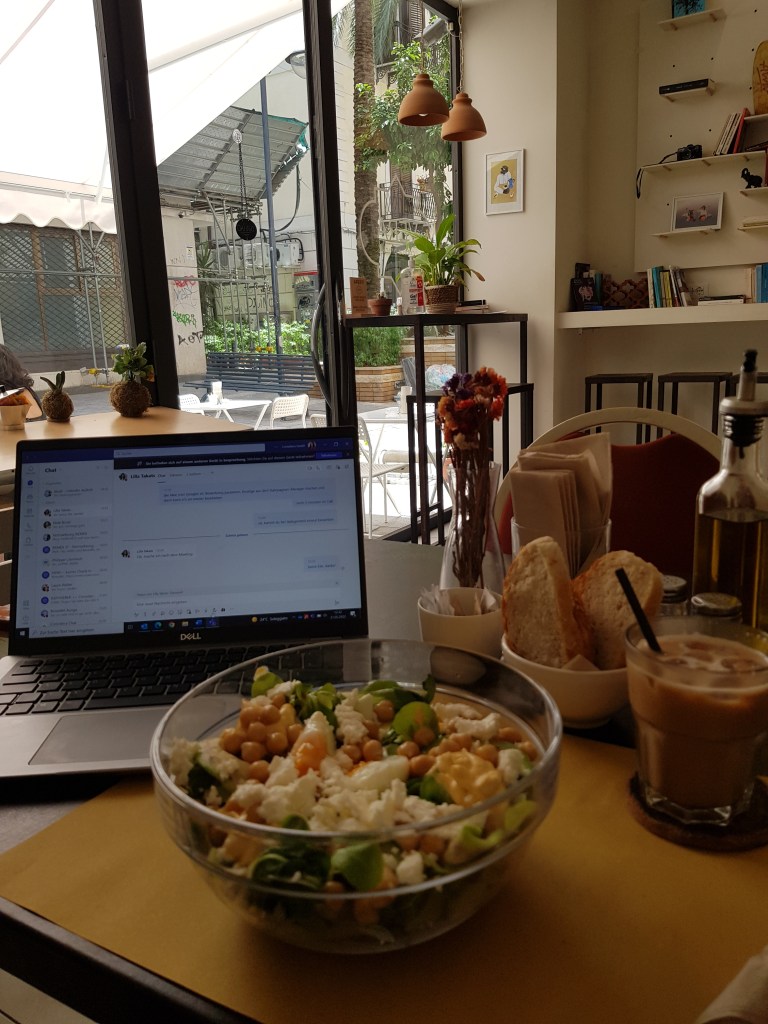
- In supermarkets, you often see only the wealthy locals and tourists.
- Check if vegetarian or vegan options are readily available. In Taiwan and Japan, I found it very difficult to eat healthily and wouldn’t want to struggle with that for a month or more.
Check Local Safety
You might have a general sense of whether a place is safe or not. But if you have any doubts, especially about safety for solo female travelers, do a quick Google search for other travelers’ experiences. It can greatly affect your quality of life if you can’t go out after dark (which can be as early as 6 PM near the equator) or if you always need to take a taxi.
Existing digital nomad scenes
- Knowing there’s already a scene for digital nomads is reassuring. It means I can work comfortably in a paradisiacal setting.
- When I don’t need to work, I can enjoy authentic experiences in the travel destination and forgo comfort for several weeks.
- During my workations, however, I want it to be as comfortable as home, just in a nicer place and at a cheaper price. Sue me 😉
Book your trip
Now that you know where you’d love to be, where the internet is stable enough to work, where you can afford to dine out and buy groceries, and where you still have enough money for excursions and activities, it’s time to book your flights.
I use Google Flights or Skyscanner to find flights but prefer to book directly with the airlines. Although it might be slightly more expensive, resolving any issues is easier when dealing directly with the airline.
More
Living the dream life on the beach, sipping mango juice, needs to be funded. Even though the cost of living in Southeast Asia is cheaper than in many Western countries, you still need to cover the travel expenses to get there.
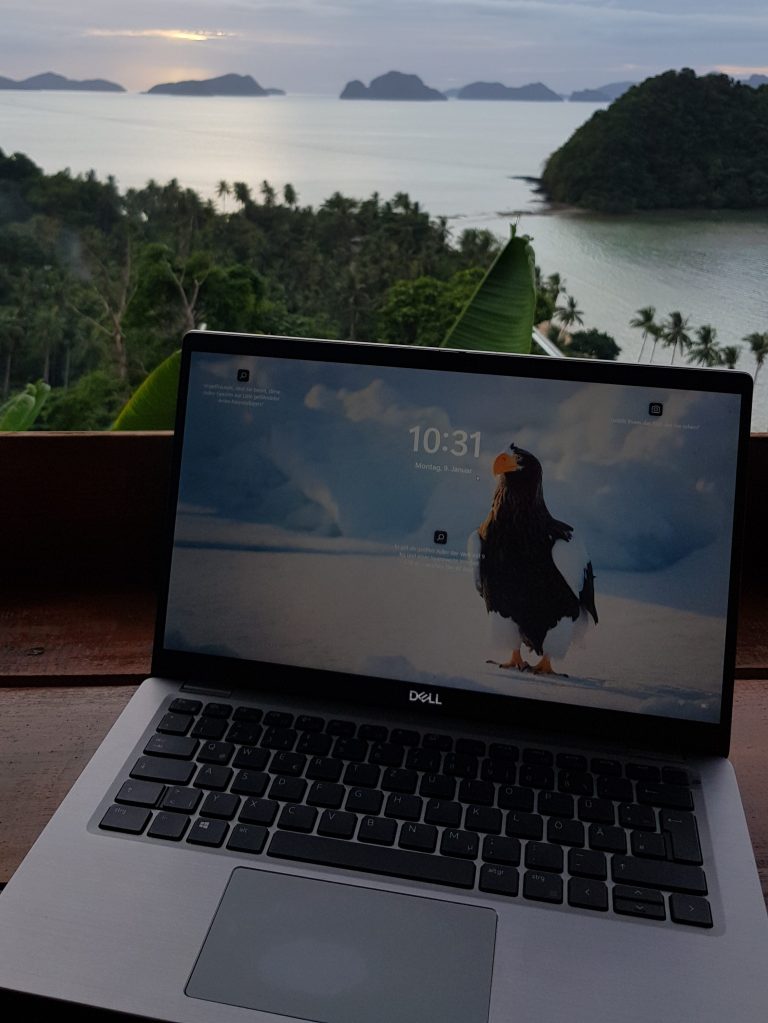
Not every job can be done from abroad. Even for roles that are fully computer-based, some employers still prefer their employees to work from the office. Here’s what I’ve learned along the way!

Your packing list will depend greatly on your destination. I prefer warm countries, but I also have valuable tips for combining a cold country with a warm one in your packing list.
 Solo Nomad Travels