Learning how to become a digital nomad is easier than it may seem. With the right mindset, preparation, and tools, you can turn your remote work dreams into reality. Here’s everything you need to know to get started.
What does it mean to become a digital nomad?
Simply put, a digital nomad works remotely while living or traveling in different locations. It’s about combining work with the freedom to explore the world. Want to dive deeper into what it means? Check out this guide to understanding digital nomads.
Step 1: Assess your skills and find remote work
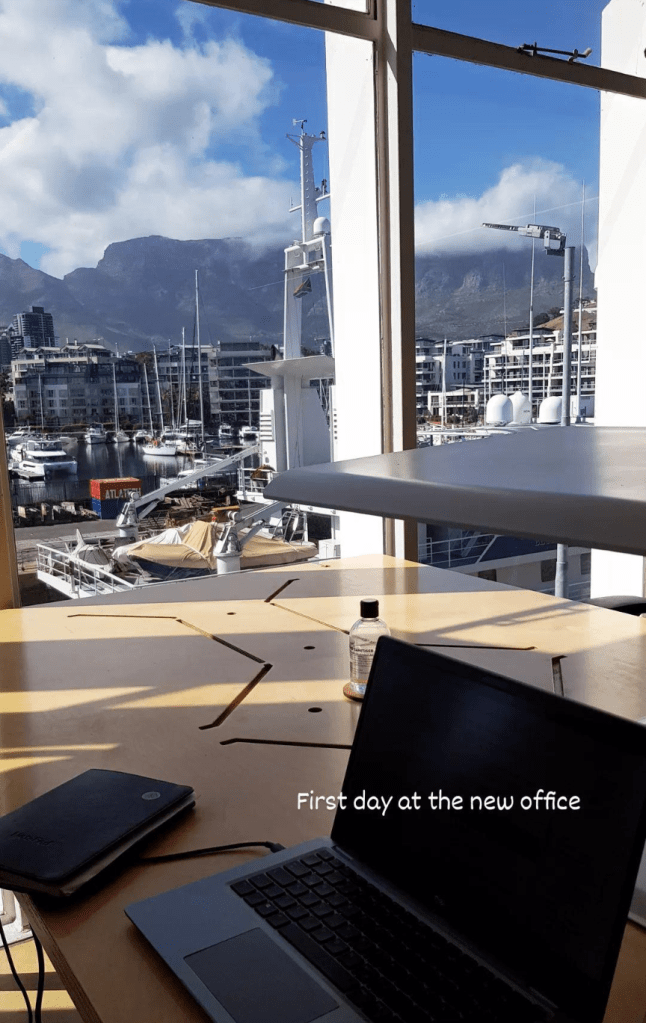
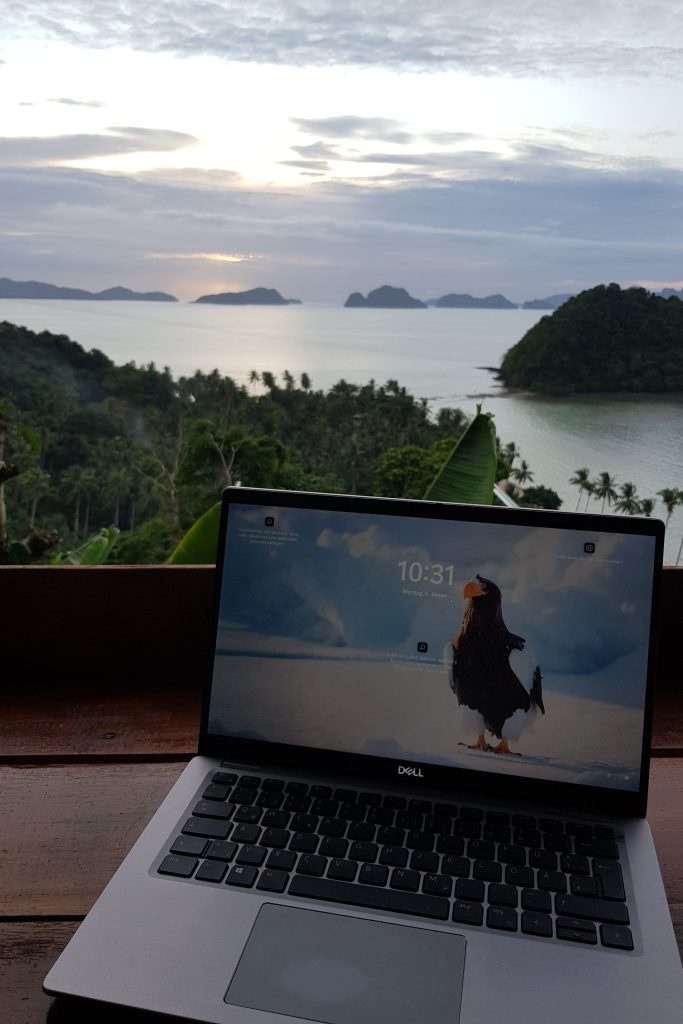
To become a digital nomad, you need a job that allows you to work from anywhere. Start by assessing your skills and interests to determine how you can earn remotely.
- Most in-demand skills for digital nomads: Writing, graphic design, programming, marketing, teaching, and virtual assistance.
- Platforms to find work:
- Freelancing: Upwork, Fiverr, Toptal
- Remote jobs: We Work Remotely, Remote.co
- Teaching: iTalki, Cambly, VIPKid
Pro Tip: Already employed? Ask your company if they’re open to a remote work arrangement. Many companies now embrace flexible work policies. Worked for me 🙂

Step 2: Plan your transition
Careful planning is key to making the leap to digital nomadism:
- Save money: Build a financial safety net of 3-6 months of expenses. Here are some tips on how to safe money.
- Choose your first destination: Consider cost of living, internet speed, safety, and visa policies. These tips will help you choose.
- Pack light but smart: Essentials include your laptop, portable chargers, noise-canceling headphones, and a reliable travel insurance policy. Here’s your minimalist packing list.
Pro tip: Start slow. Go on workations to test the water. When you like it: Stay in one place for a while before moving frequently—it’s less stressful and easier on your budget.

Step 3: Understand digital nomad visas
Many countries now offer digital nomad visas, allowing you to legally work remotely for extended periods. Popular options include:
- Europe: Croatia, Portugal, Estonia
- Asia: Thailand, Bali (Indonesia)
- Caribbean: Barbados, Antigua
Each visa has specific requirements, such as proof of income and health insurance. Find detailed visa info on official government websites before applying. Find a full list here.
Important note: Avoid working on tourist visas. While tempting, it can lead to legal trouble in many countries. (Or be smart about it and don’t talk about it.)

Step 4: Stay productive and connected
Working remotely while traveling requires discipline and reliable tools. Everyone needs to find their own routine.
- Productivity tools: Trello, Notion, and Google Workspace for staying organized.
- Coworking spaces: Use platforms like Coworker to find work-friendly spaces. I recommend cafés with strong wifi or co-working spaces in every city that I visited. Check them out under destinations.
- Connectivity: If you go to remot areas, carry a portable WiFi device and download offline work backups. Everywhere I go, I get a fast local SIM to rely on if the wifi is down.
Create a routine that balances work and exploration. I prefer to work a few hours in the morning, spend mid-day exploring the city or relaxing at the beach, and then finish up more work in the afternoon or evening — especially if it’s raining. On particularly hot days, I like to explore early in the morning instead.

Step 5: Budget for a sustainable lifestyle
- Save on housing: Use Airbnb, coliving spaces, or long-term stays for better rates. When you stay longer, you get better rates. When I’m on a small budget, I stay in dorms and only book privates if I really need them.
- Tip: Book a few nice to check out the place. If you like it, ask for better rates. If not, explore other options.
- Avoid tourist traps: Shop at local markets and cook your own meals.
- Travel smart: Use buses, trains, or budget airlines. Slow travel (staying longer in one place) saves money and helps you connect with local culture. Here are more tips on how to safe money.
Eco Tip: Offset your travel footprint by supporting local environmental initiatives or carbon-offset programs.

Overcoming challenges as a digital nomad
Life on the road isn’t always easy, but with preparation, most challenges can be managed:
- Loneliness: Join local digital nomad groups on Meetup or Facebook to connect with like-minded people. Hostels are a great option to connect quickly with people for a few days. Also, I like to make face-time dates with friends at home.
- Time zones: Use apps like World Time Buddy to manage meetings across zones.
- Health insurance: Get international travel insurance that covers remote work (e.g., SafetyWing or World Nomads).
Find out more about the challenges here.
Final thoughts
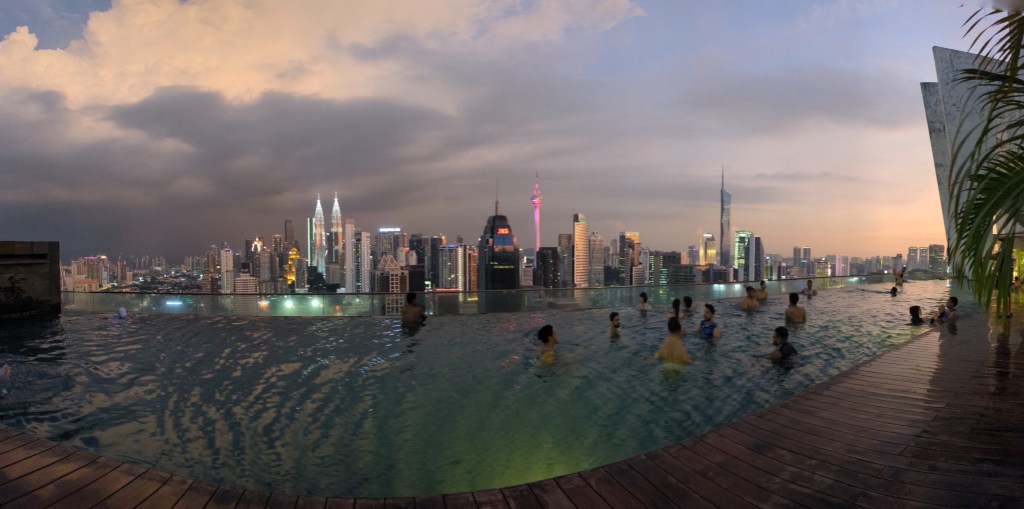
Becoming a digital nomad is about more than just working remotely—it’s about designing a life that aligns with your goals and values. Whether you dream of snorkeling with turtles before work or sipping coffee in a coworking space overlooking the Alps, the digital nomad lifestyle offers endless possibilities.
Start planning today, and remember: small, intentional steps lead to big changes.
 Solo Nomad Travels
Leave a comment