Krakow surprised me. I expected pretty architecture and cheap pierogi. What I didn’t expect was how easy it was to live and work here. Wi‑Fi was solid even in older buildings, food was cheap and good, and I could walk everywhere.


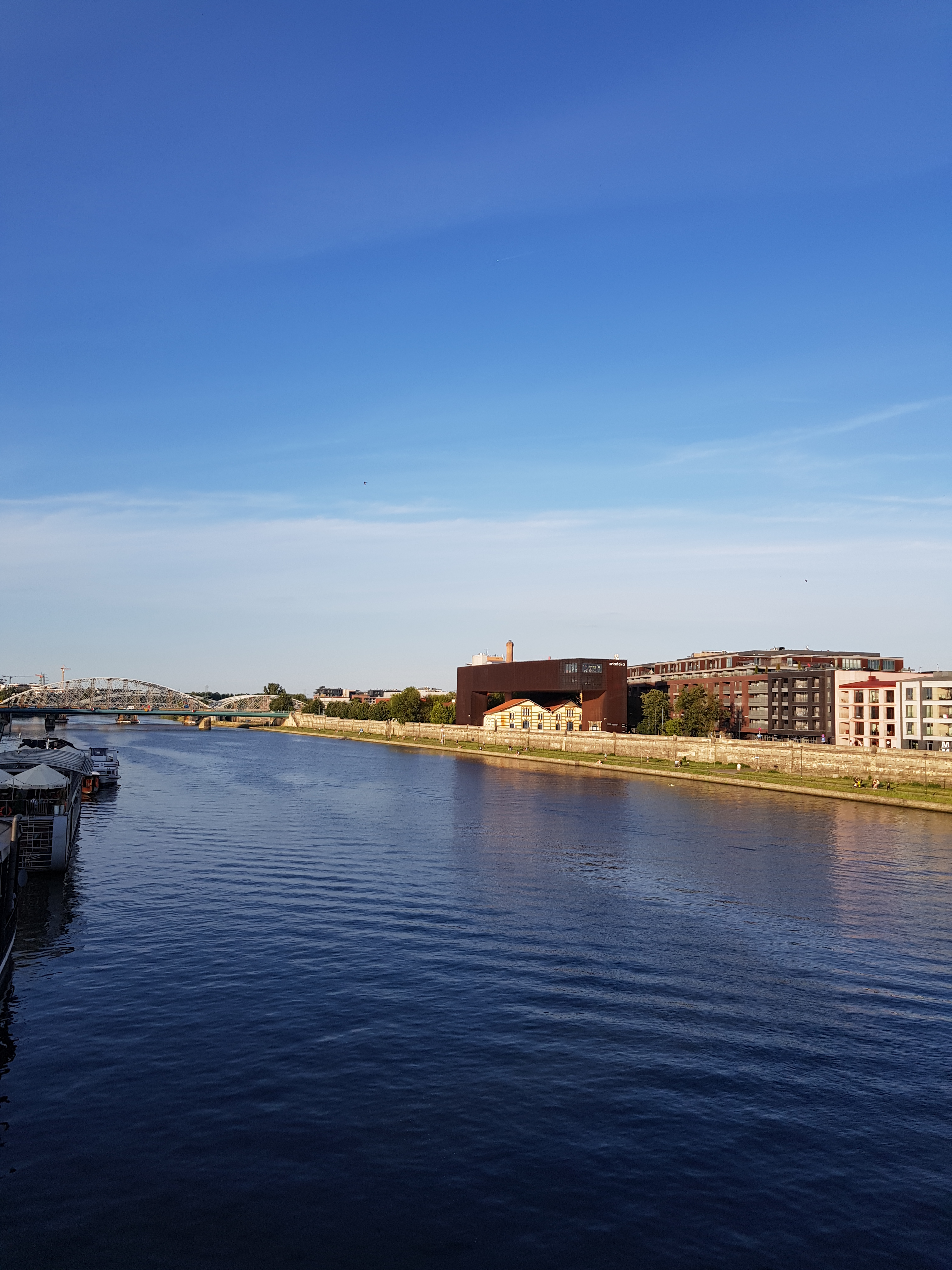
Key aspects for digital nomads
If you’re looking for a place that’s both low-stress and inspiring, Krakow is worth your time.
- Cost of living: €900–€1,600/month (without rent)
- Wi‑Fi reliability: Strong even in cafés
- Language: Polish; English works fine in the city
- Food: Affordable, with solid veggie options
- Accommodation: Dorms ~€15/night, private rooms €25–€40
- Getting there: Fly into Kraków Airport (KRK) or take the train
- Getting around: Trams, buses, rental bikes, scooters
- People: Friendly once you break the ice
- Gyms: Easy to find, cheap monthly passes
- Visa: Schengen (90 days), long-stay visa possible
- Best for: Creatives and freelancers who like walkable cities and affordable living.
Best places to live, work, and party
Working remotely in Krakow felt effortless. I could finish my tasks before lunch, grab a laptop-friendly table in a café, and explore a different neighborhood by evening. The city is compact but full of variety. Also: lots of cake.
Working in Kazimierz
Grungy, artsy, full of energy. It’s the kind of place where you’ll find sticker-covered walls and candlelit cafés one block from each other. It’s also cheap. I stayed near Plac Nowy and worked from a café that served oat lattes and let me stay for hours.
- Trips: Walk to the Schindler Factory or have a riverside beer in the evening (tram friendly).
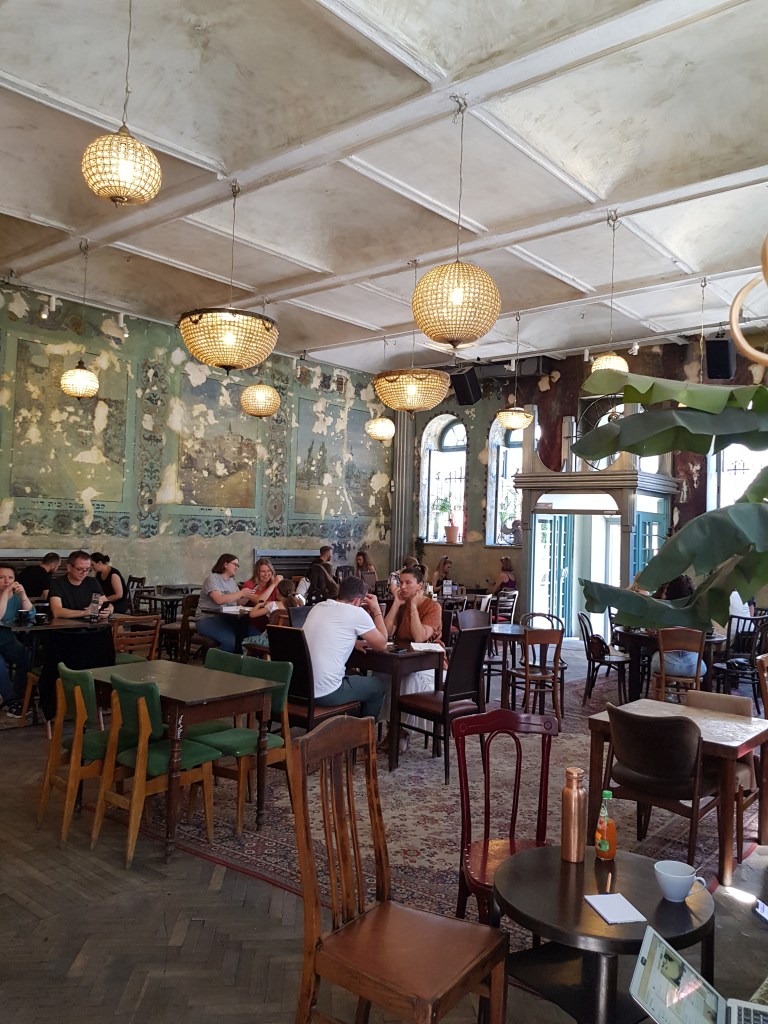
- Café: Eszeweria – moody lighting, power outlets, no one bothers you.
- Stay: Hostel with shared kitchen and work desks.
- Party: Bars everywhere. Some sketchy, most fun.


Working in Podgórze
Quiet and a bit weird in a good way. Industrial buildings turned art studios. More space, fewer tourists. I biked to Krakus Mound from here after work.
- Trips: Krakus Mound (bike) or MOCAK Museum (tram).
- Café: BAL – concrete interior, solid Wi-Fi.
- Stay: Airbnb in an old building with fast fiber.


Working in Stare Miasto
Beautiful but busy. Living here felt more like a short trip than real life. Still, the architecture is impressive and cafés are everywhere.
- Stay: Studio apartment near the university.
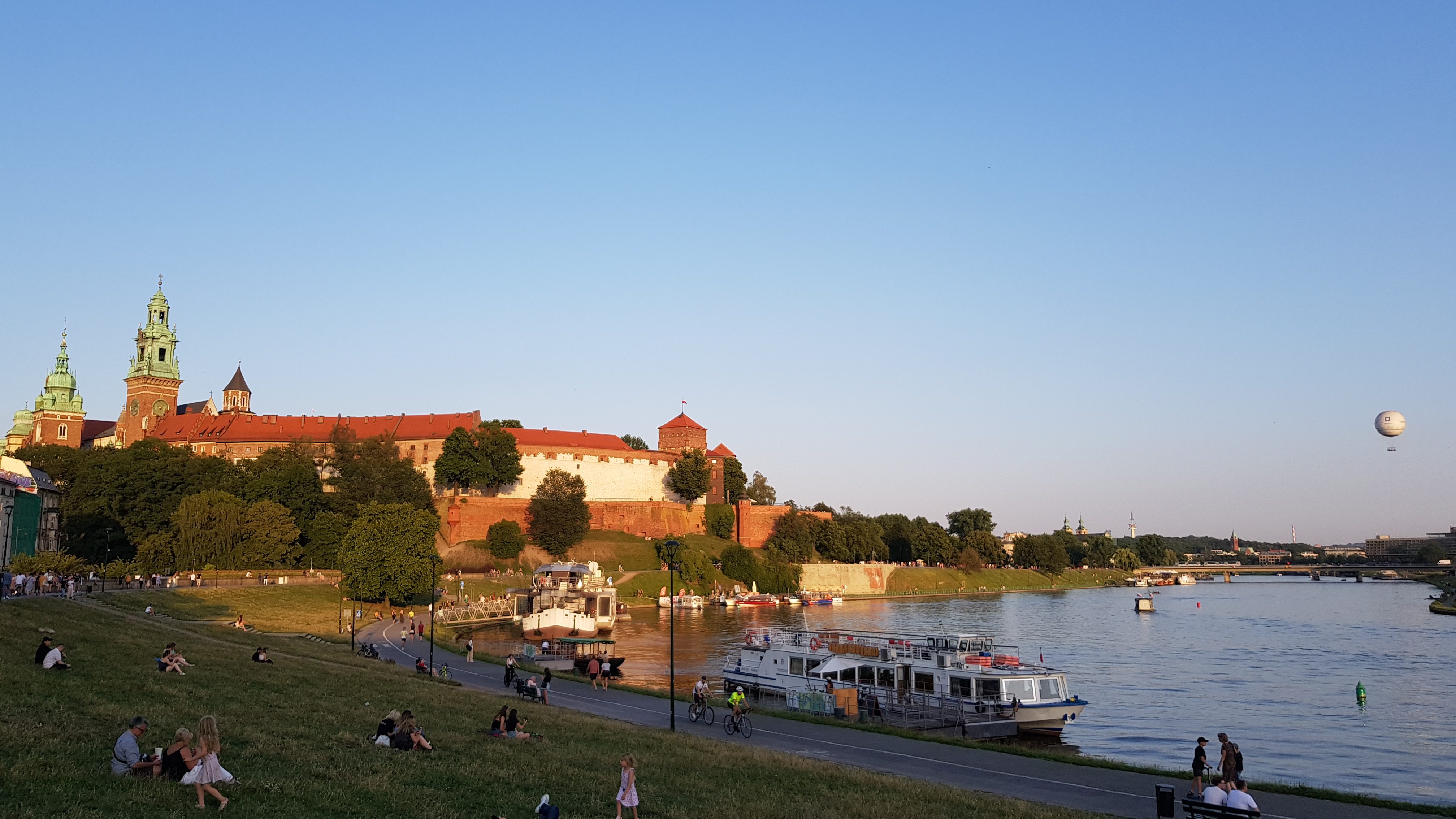
- Trips: Wawel Castle and Planty Park are both close.
- Café: Karma – good for focus time, decent food too.
Working in Kleparz
Kind of in between everything. It’s a calmer part of the center, not as touristy. Cheap fruit markets and easy tram access.
- Trips: Botanic Garden or a morning walk along the park loop.
- Café: Wesola Café – bright, crowded, productive vibe.
- Stay: Furnished studio with kitchen.
Working in Nowa Huta
Different world. Wide avenues, big blocks, old Soviet-style architecture. It’s far out, but prices are low.
- Trips: Day trip to Łagiewniki sanctuary or Nowa Huta Museum (tram).
- Café: Mostly basic spots, but coworking hostels exist.
- Stay: Shared apartment with decent Wi‑Fi.
Best combination of living and working
Kazimierz worked best for me. I didn’t feel like a tourist, it was cheaper, and I could walk to almost everything. I also found more people working remotely here than in other parts of the city.

Best times to travel
May and June were ideal. Warm but not hot, light until almost 9:30 pm, and the city wasn’t overcrowded yet. I’d avoid July unless you like tour groups and heat.
- Spring (Mar–May): unpredictable weather but fewer crowds
- Summer (Jun–Aug): long days, open-air events, lots of people
- Autumn (Sep–Oct): cozy cafés, fewer tourists, cheaper stays

Top 10 tourist attractions in Krakow
I didn’t have to take time off work to see the best of Krakow. I used lunch breaks or evenings to check things off my list.
- Wawel Castle – classic postcard view, walkable from anywhere central
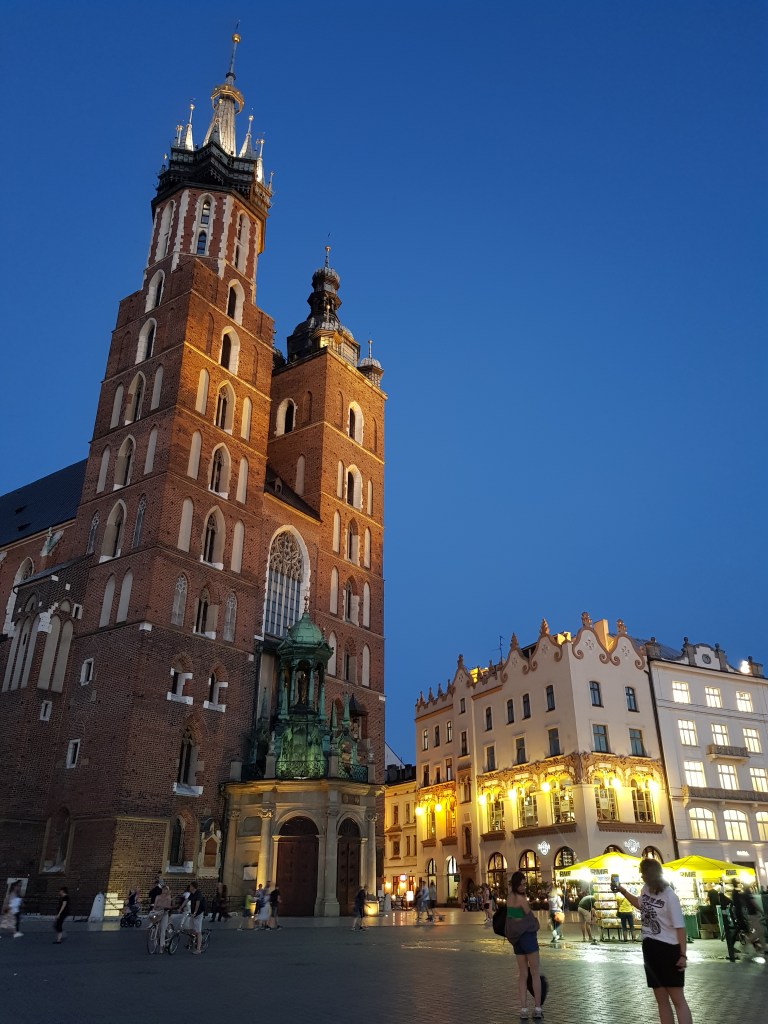
- Main Market Square – historic and chaotic, especially in the evenings
- Kazimierz – the Jewish Quarter has atmosphere, food, and night life
- Schindler’s Factory – worth half a day, easy tram ride
- Wieliczka Salt Mine – weird, underground, good weekend activity
- Planty Park – I walked the loop almost daily
- Vistula Boulevards – good place to clear your head or drink a beer
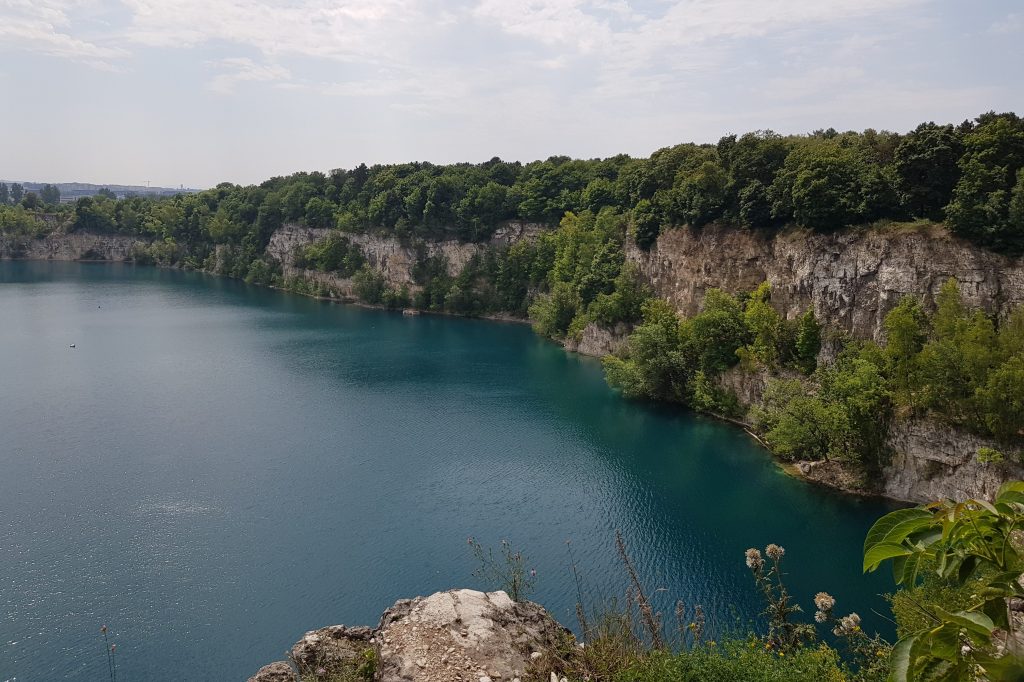
- Zakrzówek Quarry – blue lake, quick bike ride
- MOCAK – modern art and not crowded
- Krakus Mound – best sunset view in town
Local secrets
- Zakrzówek Quarry – cool off, or just sit and stare at the water
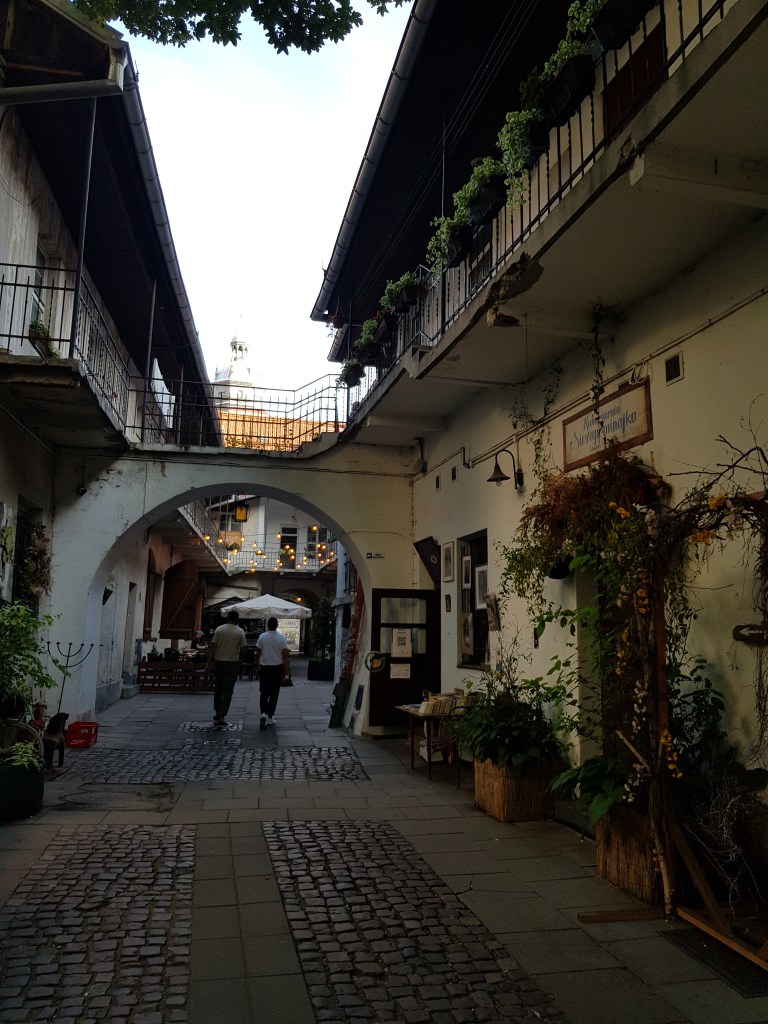
- Back courtyard in Kazimierz – I found a hidden alley with vines and old lamps
- Ride for the Living – once a year event but also a great route anytim
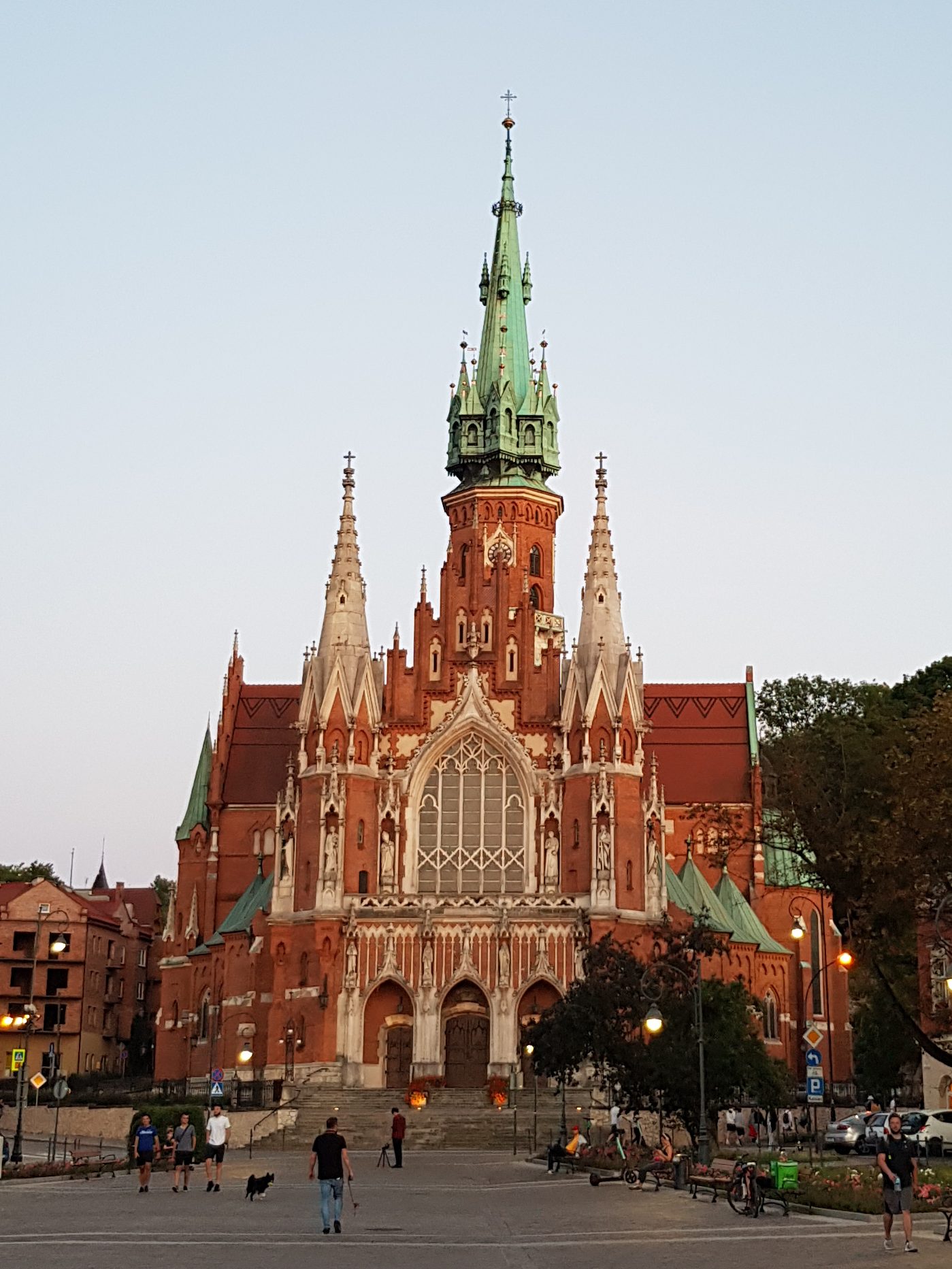
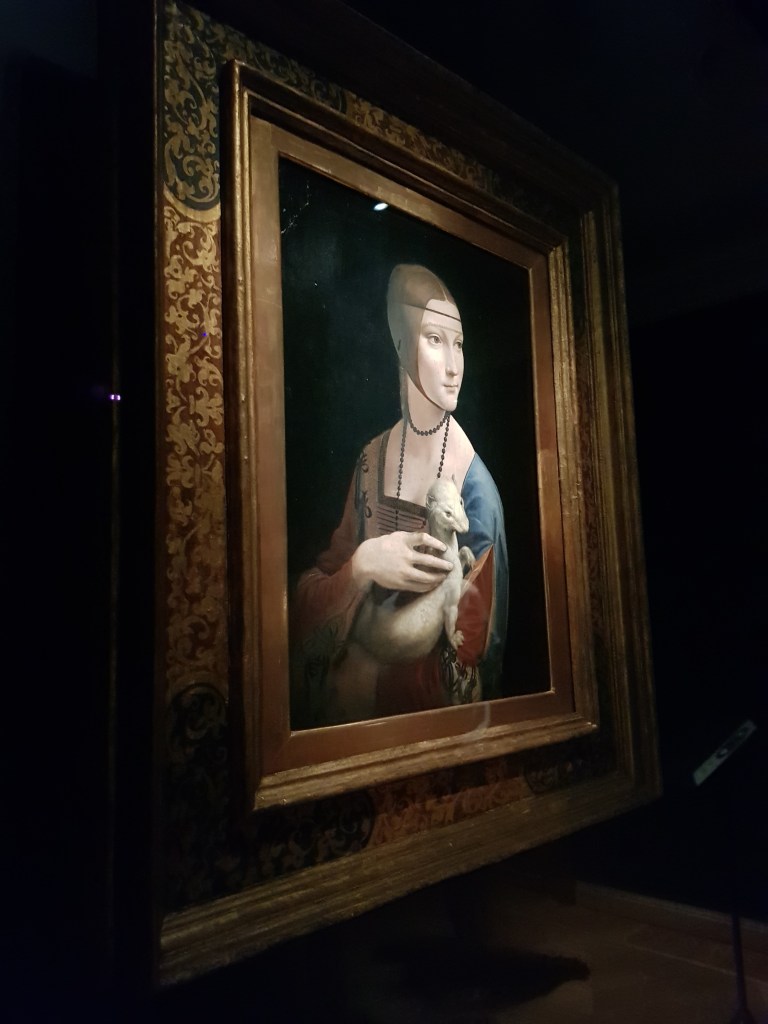
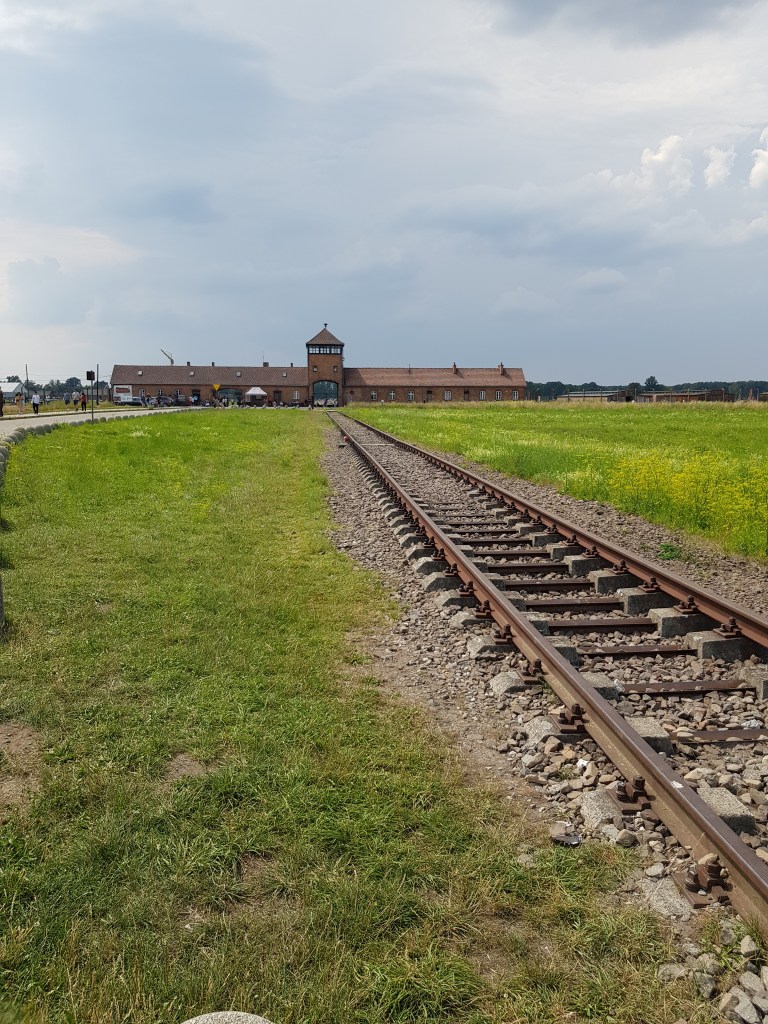
Visiting Auschwitz: A day trip from Krakow
I hesitated to go. Auschwitz isn’t a typical sightseeing destination—and it shouldn’t be treated like one. But visiting was one of the most sobering and meaningful experiences I’ve had while traveling. If you’re staying in Krakow for more than a few days, I strongly recommend making the trip.


What to expect
Auschwitz consists of two main sites: Auschwitz I (the original camp) and Auschwitz II–Birkenau (the larger extermination camp). Most tours take you to both. The museums are intense—silent, heavy, and necessary.
You’ll walk through the preserved barracks, see the personal items left behind, and learn about the scale of what happened there. It’s not easy, but it’s important.
How to get there and back
- By bus: Direct buses leave Kraków MDA (main bus station) frequently. It takes around 1 hour 30 minutes and costs ~€4 one way. FlixBus and local operators run this route.
- By train: Less frequent and not direct. You’ll need to get off at Oświęcim station and walk or take a shuttle to the museum (~20 min walk).
- By tour: Many local operators offer full-day trips including transport and guided entry (prices start around €20–30).
If you’re on a budget or want flexibility, take the bus and book an entry ticket on auschwitz.org. Entry is free, but reservations are required. Guided tours (available in English) cost extra but are worth it.
Tips for your visit
- Take time after your visit to decompress.
- Plan at least 6–7 hours including travel.
- Bring water, wear comfortable shoes.
- Be respectful: No loud talking, no posed selfies.
- Book your ticket days ahead—it fills up fast, especially in summer.
Getting there
Kraków Airport (KRK) is small but efficient. From the airport, the train to the city center takes 20 minutes and costs less than €2.
Getting around locally
Trams and buses are easy and cheap. A 24h pass is about €4. Scooters were fun, but I mostly walked. Everything inside the city feels close enough. For weekend trips, trains to Zakopane or Auschwitz are reliable and affordable.
Digital nomad visa Poland
As a tourist, you get 90 days in the Schengen zone. If you want to stay longer, look into Poland’s Type D visa. There’s no official digital nomad visa, but self-employment or freelance visas are possible. You’ll need proof of funds, contracts, and insurance. Official info here: gov.pl
Local food and vegetarian options
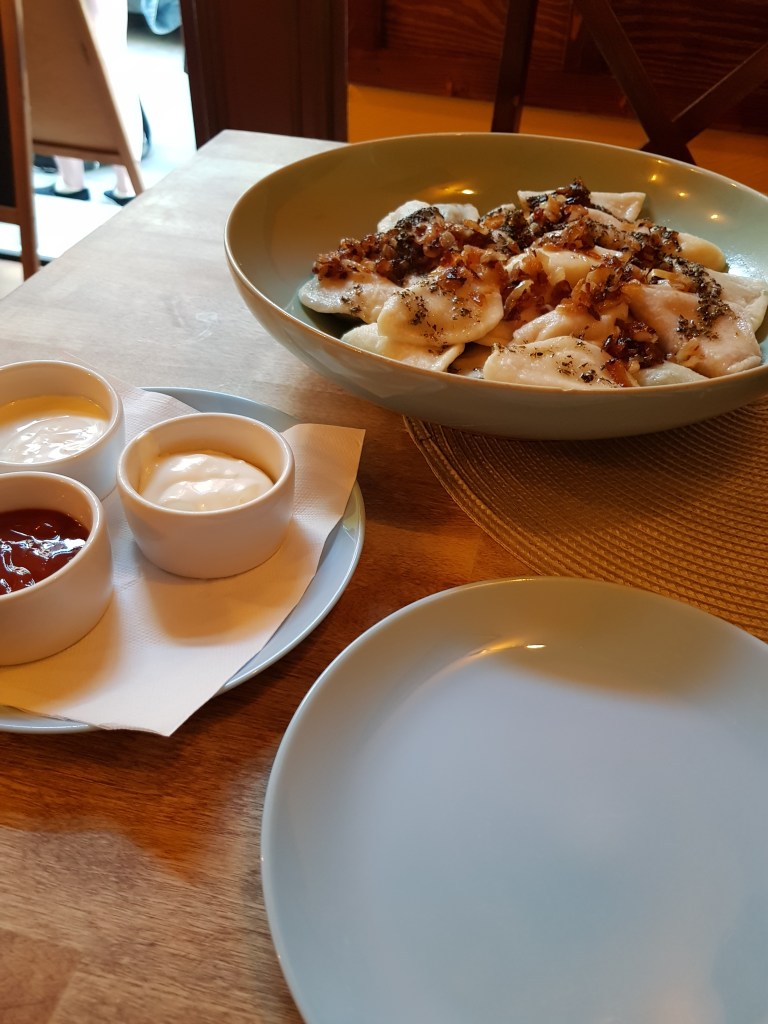
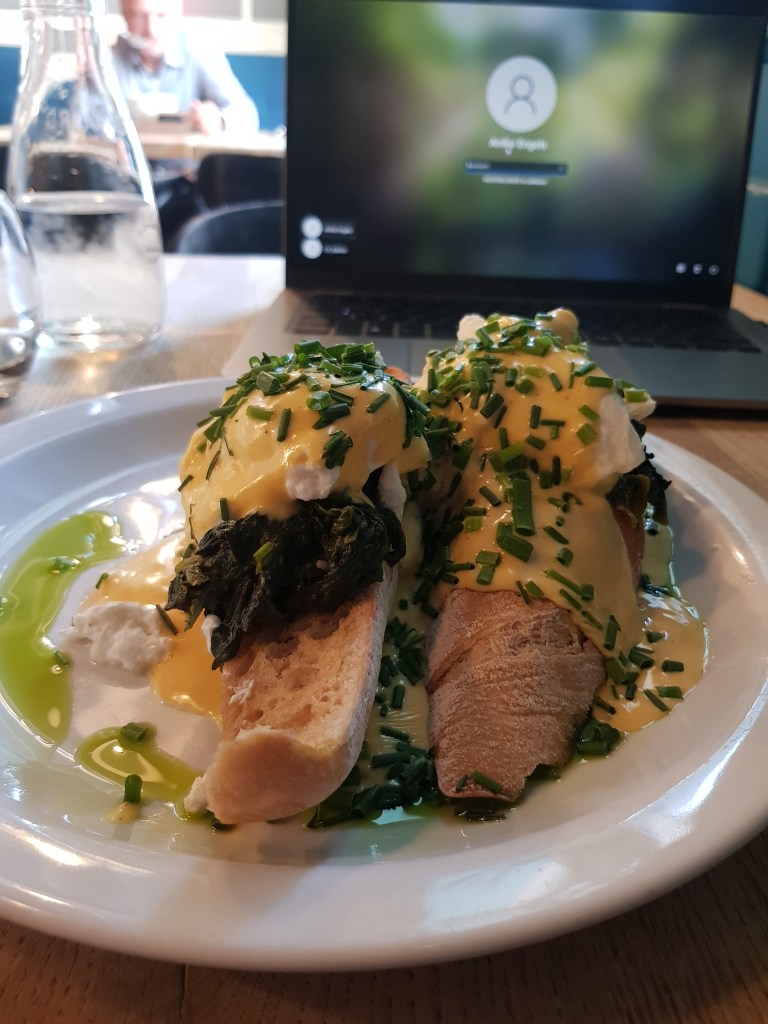
I ate a lot of pierogi. Spinach, lentils, even blueberries. You’ll also find vegan burgers, oat milk, and veggie soups in most cafés. Places like Pod Norenami or Glonojad are cheap and filling. Also: the ice cream scene is legit.

Sustainable travel in Poland
Krakow isn’t just pretty. It’s making an effort. Public transport is clean and fast. Lots of bike lanes. I joined a local Vistula clean-up event one Sunday. Look for events like that through iVisitKrakow.
What experiences have you had in Poland? Share them in the comments below!
Continue reading
Living the dream life on the beach, sipping mango juice, needs to be funded. Even though the cost of living in Southeast Asia is cheaper than in many Western countries, you still need to cover the travel expenses to get there.

Maybe you already have a dream destination in mind, which makes the decision easy. However, there are a few prerequisites you should check before booking your flights. I’ve summarized the most important ones here.
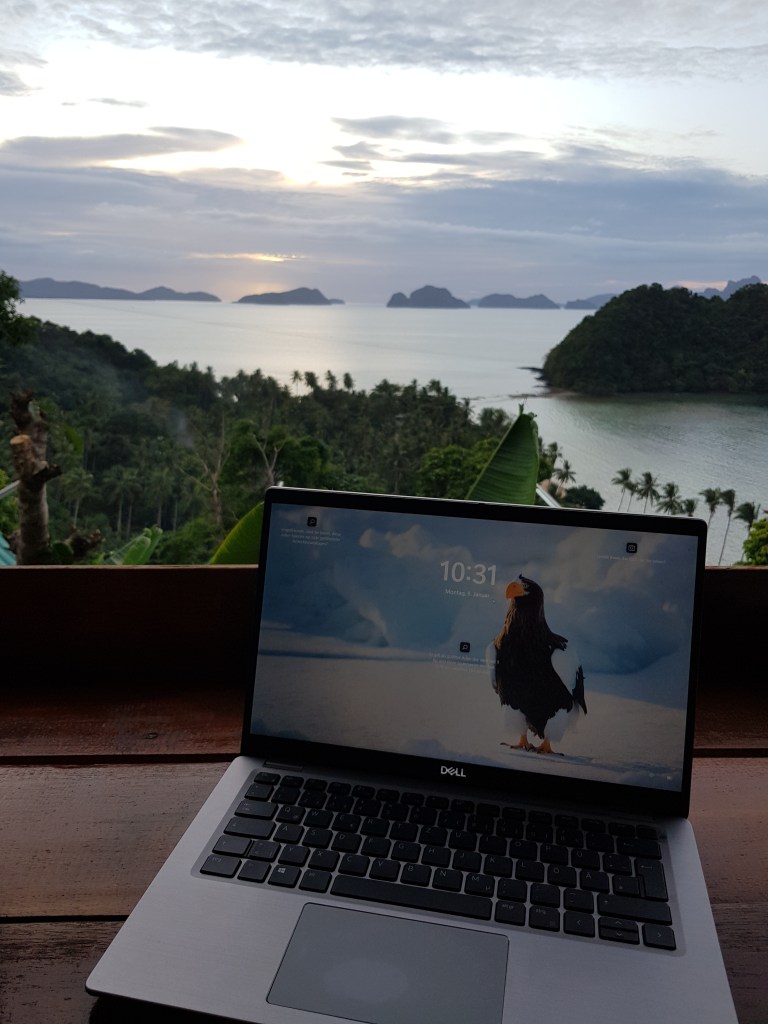
Not every job can be done from abroad. Even for roles that are fully computer-based, some employers still prefer their employees to work from the office. Here’s what I’ve learned along the way!
 Solo Nomad Travels
Leave a comment