Malaysia is a fantastic destination for digital nomads, blending modern amenities with vibrant culture, diverse landscapes, and affordability. In my 5-week itinerary, I’ll take you through Kuala Lumpur, Ipoh, George Town, Langkawi, and Kota Kinabalu, balancing work and exploration.
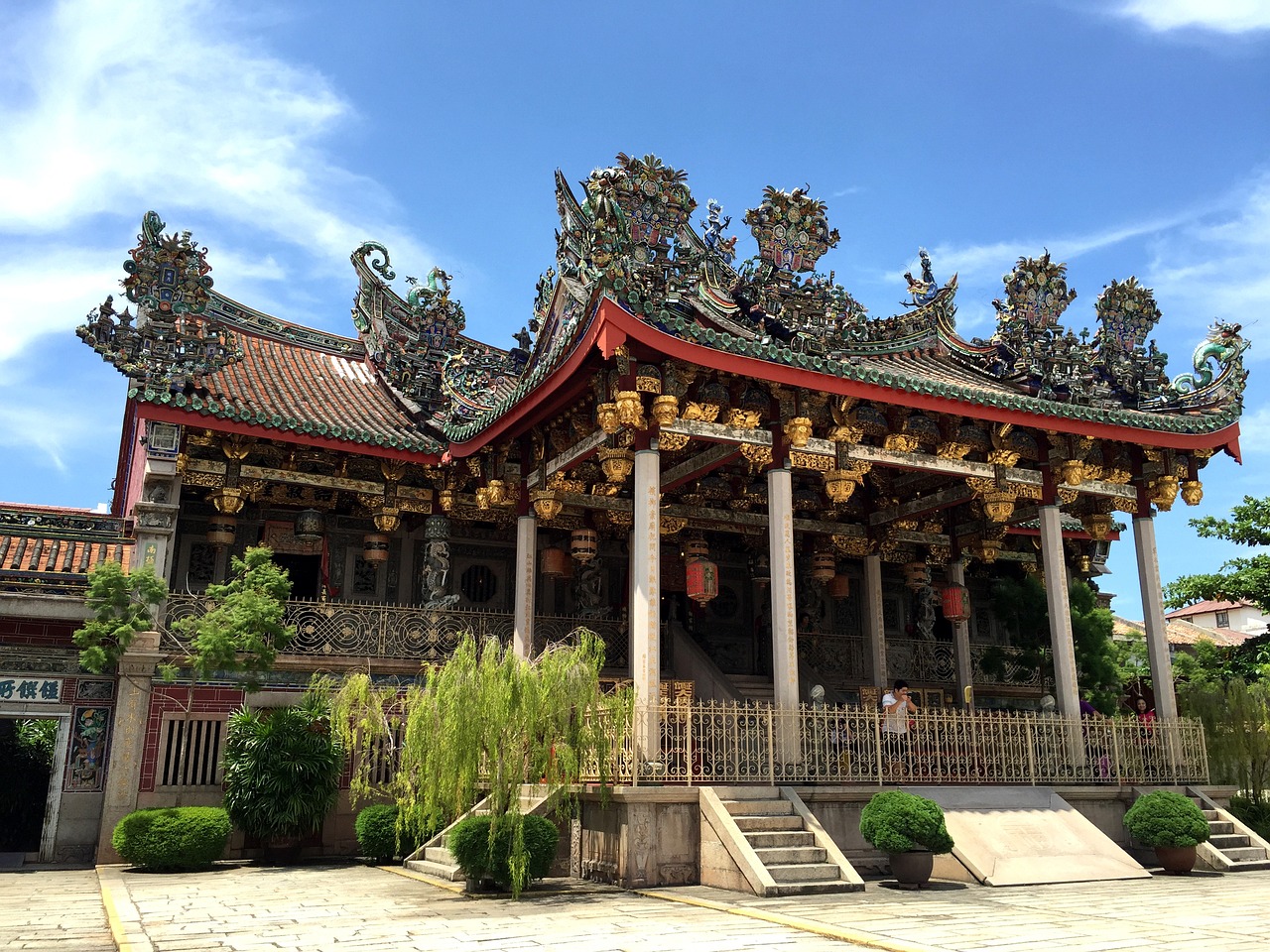
Key aspects for digital nomads
With high-speed internet, friendly co-working spaces, and even more friendly locals, it’s easy to see why so many remote workers are choosing Malaysia as their home base.
- Cost of living: $800-$1500 per month, excluding rent.
- WiFi reliability: Good in urban areas, high-speed widely available.
- Language: Malay; English widely spoken.
- Food: Diverse and veggie-friendly, especially in Penang and Kuala Lumpur.
- Accommodation costs: Dorms from $10, private rooms from $25.
- Getting there: Well-connected by international flights.
- Getting around: Affordable buses, trains, and Grab (ride-hailing).
- People: Friendly and easy to connect with.
- Gyms: Available in major cities.
- Visa: 90-day tourist visa for most nationalities, digital nomad visa options available.
- Personal recommendation: Ideal for nature lovers, foodies, and budget-conscious nomads.
Best places to live, work, and explore
Malaysia has a well-connected transportation network that allows for affordable travel between cities, making it easy to explore while working remotely. Here’s a breakdown of each city and what to expect:
Itinary for a 5 week workation
Week 1: Kuala Lumpur
Kuala Lumpur is the perfect starting point. With its vibrant culture, modern infrastructure, and friendly locals, it’s easy to settle in and begin your work-travel adventure.

- Where to Stay & Work: Regalia Hostel, Hotel and Suites offer affordable accommodation with coworking spaces nearby (at the mall) and city views from the rooftop pool (10 $ for a dorm). Common Ground has a gym and various coworking locations around KL, offering day passes and a great atmosphere for networking. Next time, I would probably stay in China Town – loved the busy atmosphere, the cafés, the colors.
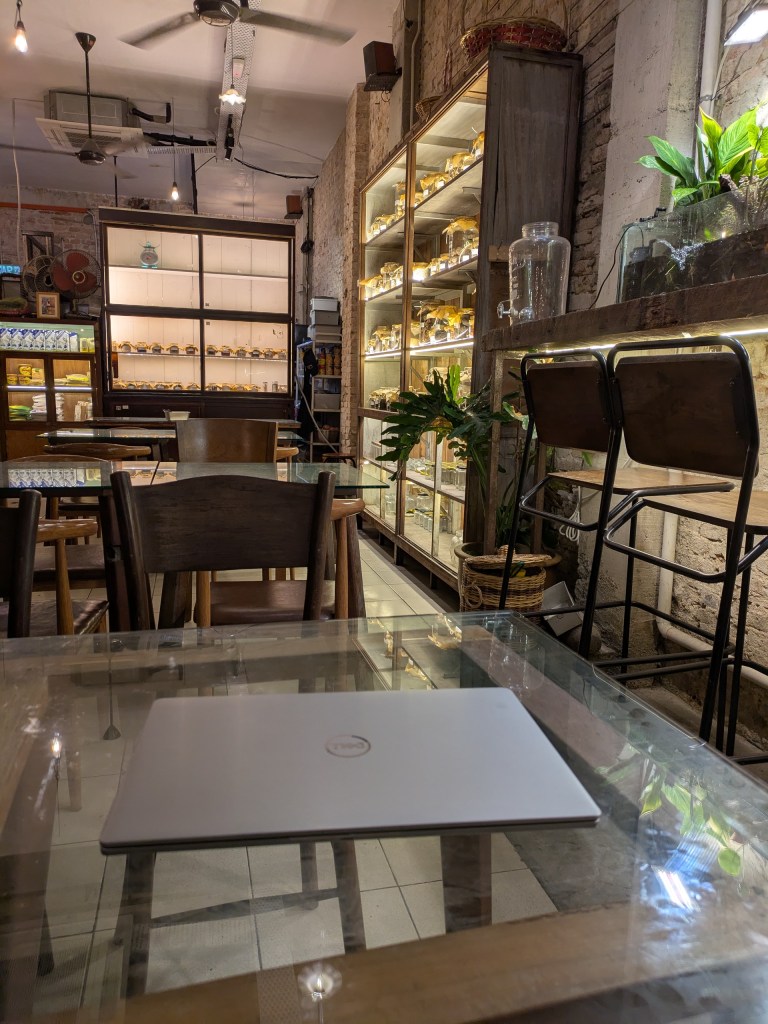
- Vegan-Friendly Café: Mingle Café serves vegan and vegetarian dishes and offers a cozy, work-friendly vibe.
- Quiet work alternative: Check out the public library (Perpustakaan Kuala Lumpur). Entry is free, wifi is strong. As a woman, be sure to cover up shoulders and knees to be allowed to enter.
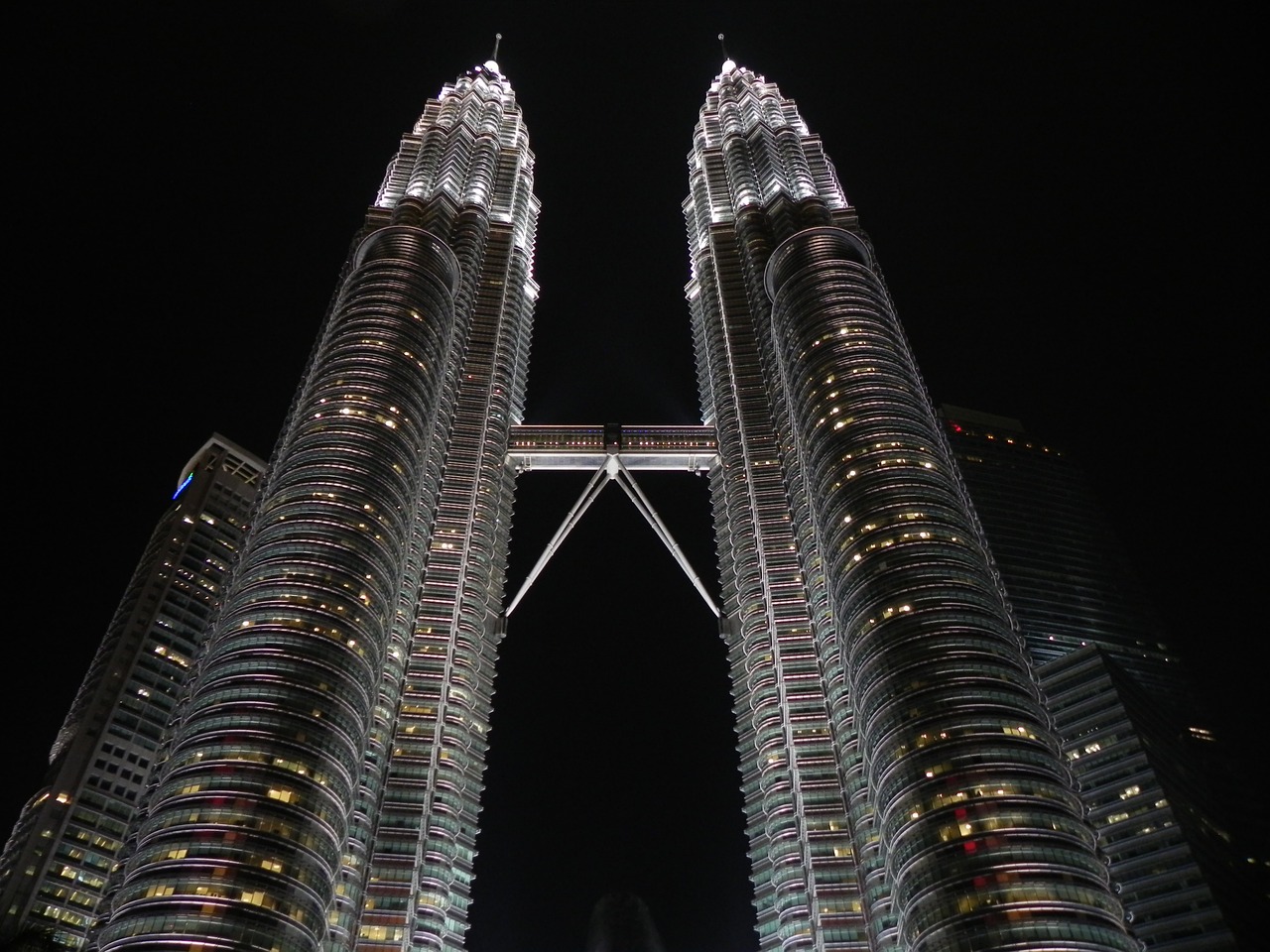
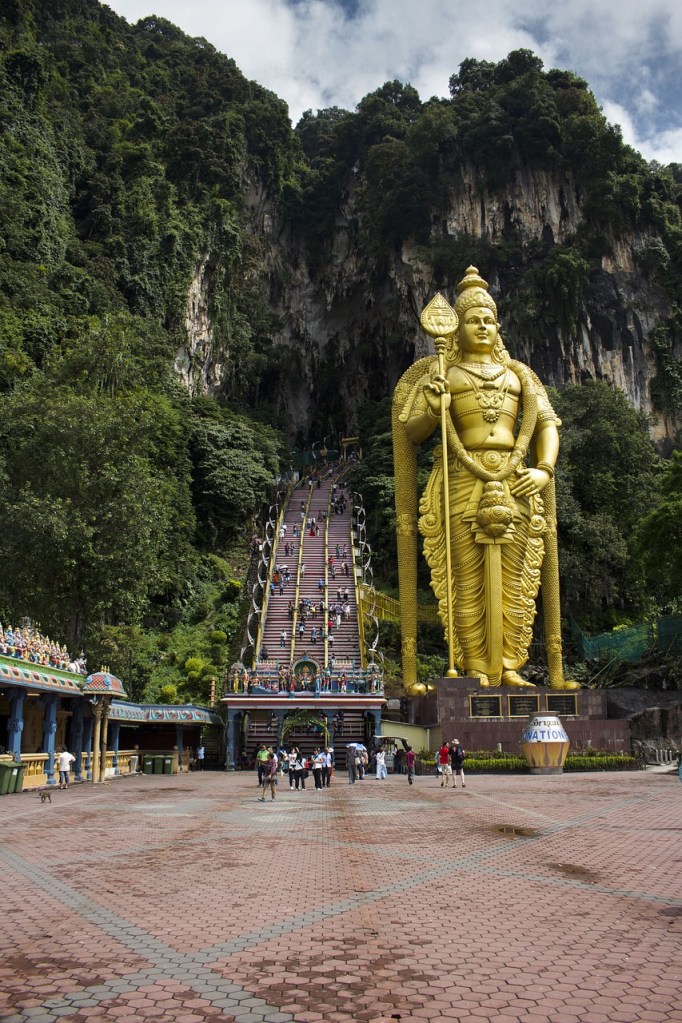
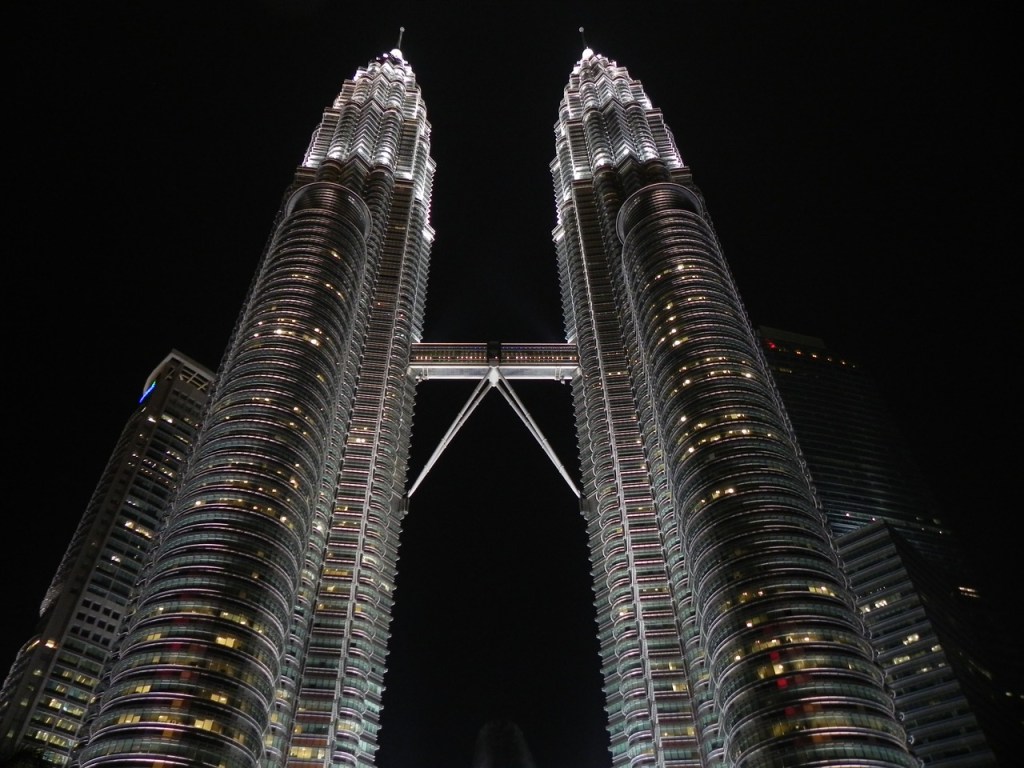
- Evening activities: After work, head to the Petronas Twin Towers for a sunset view, explore the bustling Bukit Bintang district, or savor some local street food at Jalan Alor. Take the train to Batu Caves, just 30 minutes from the city,
- Weekend Getaway: Catch a bus to Genting Highlands (1.5 hours) for a refreshing escape to cooler climates.


Week 2: 4 nights in Ipoh
Take the scenic ETS train from Kuala Lumpur to Ipoh (2 hours for 10$), a city with stunning colonial architecture and rich history. It’s an ideal spot for relaxing and diving into local culture.

- Where to Stay & Work: Sarang Paloh offers heritage-inspired accommodation with ample workspaces. If you’re on a budget, staying at the Brownstone Hostel and Space is a good option (around 14$ per night – but: only the dorms are airconditioned. If you do mind the heat, go work from one of Ipoh’s many cafés.
- Work & coffee: PBUY Store & DRINKA Coffee offers delicious white coffee in a relaxing atmosphere, and is also a good option for remote work sessions.
- Vegetarian restaurant: Thin Hei Vegetarian Restaurant offers vegan meat or fish options.
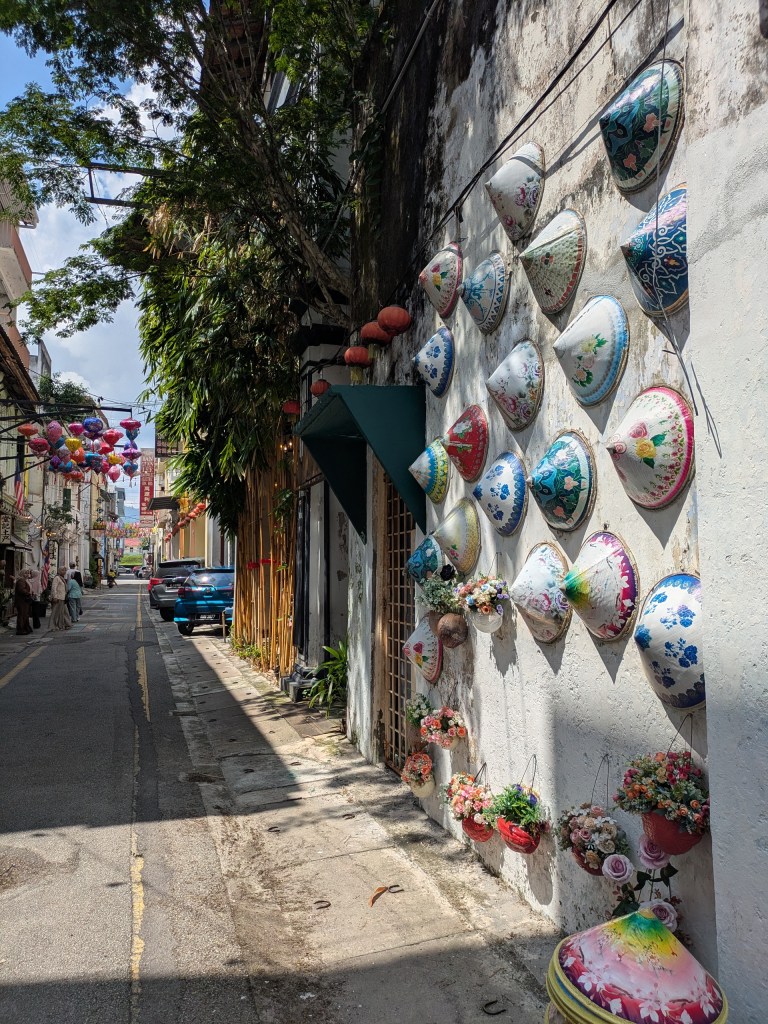
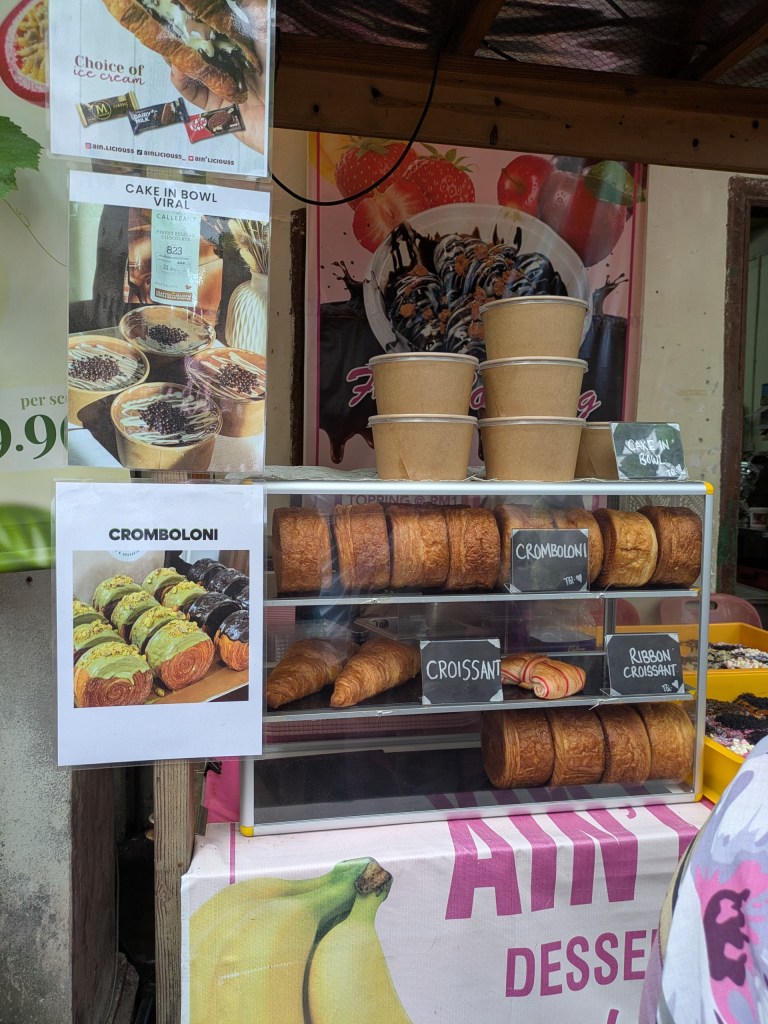
- Activities: Discover Ipoh’s limestone cave temples, like Kek Lok Tong or Gua Tempurung (a massive cave where you can go on a “wet tour” at 9 am – they will only take you if there’s a minimum of 10 people, or explore the dry caves by yourself). Take a heritage walk through the Old Town, where you’ll find charming street art and murals. Try the local eats. Ipoh is all about the food.
- If you’re staying at the Brownstone Hostel, go on a bike tour with them. You get so see many hidden gems, visit non-touristy temples and get to try local foods – included in the tour price of 60 RM (12$).
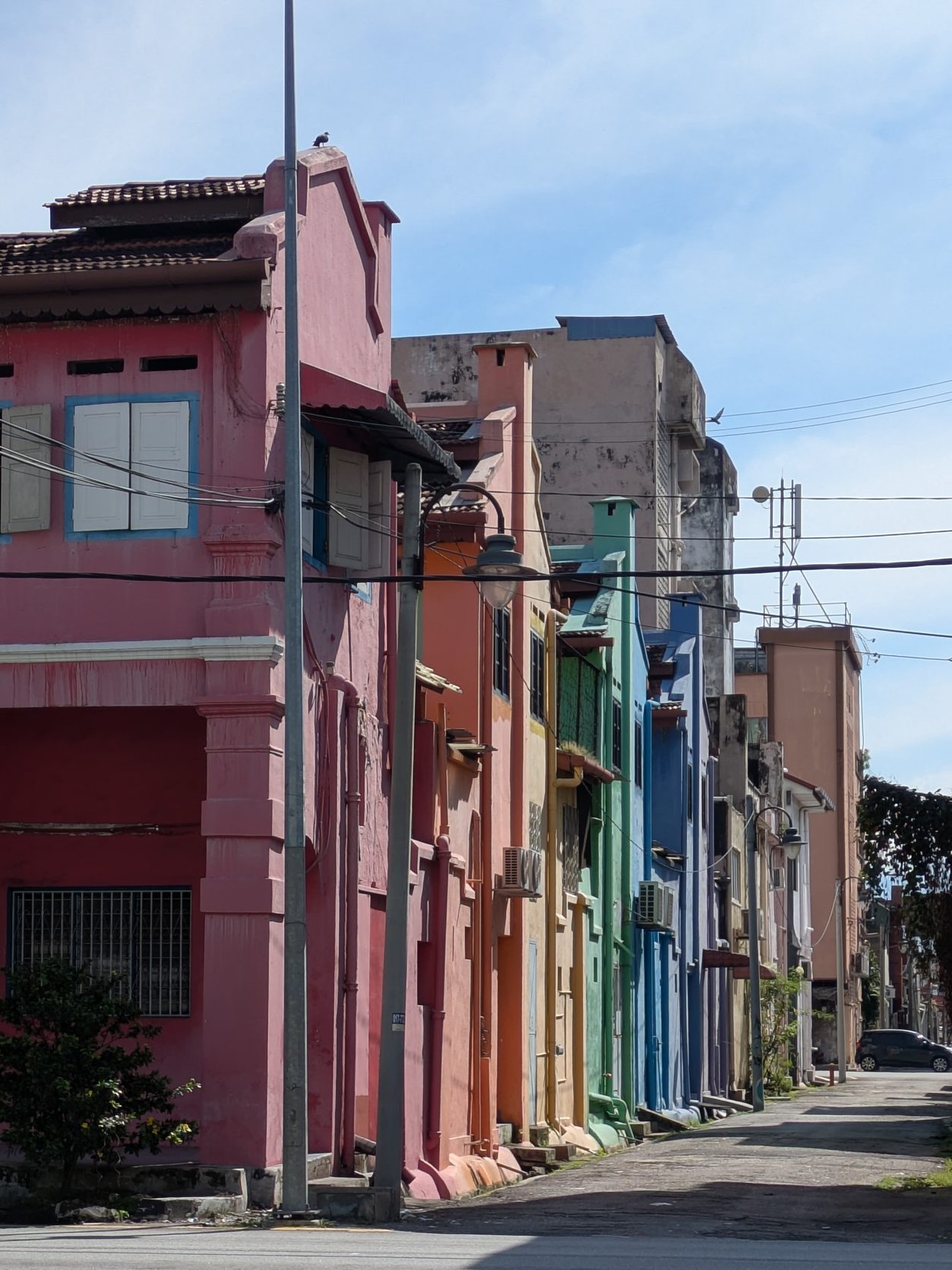


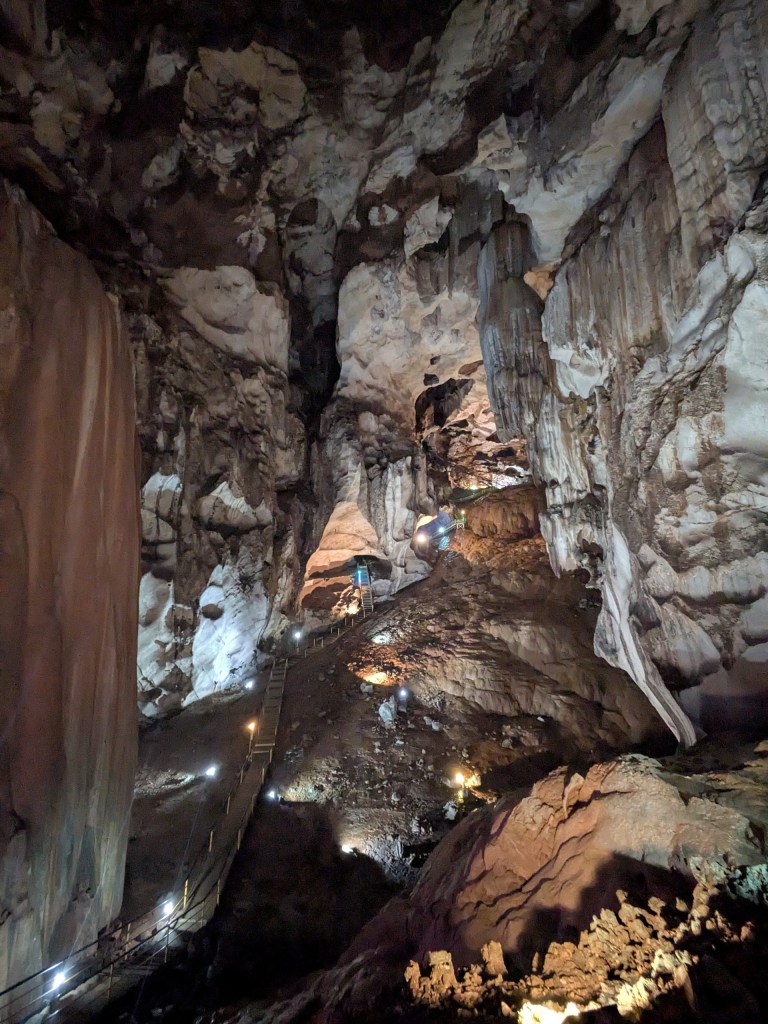
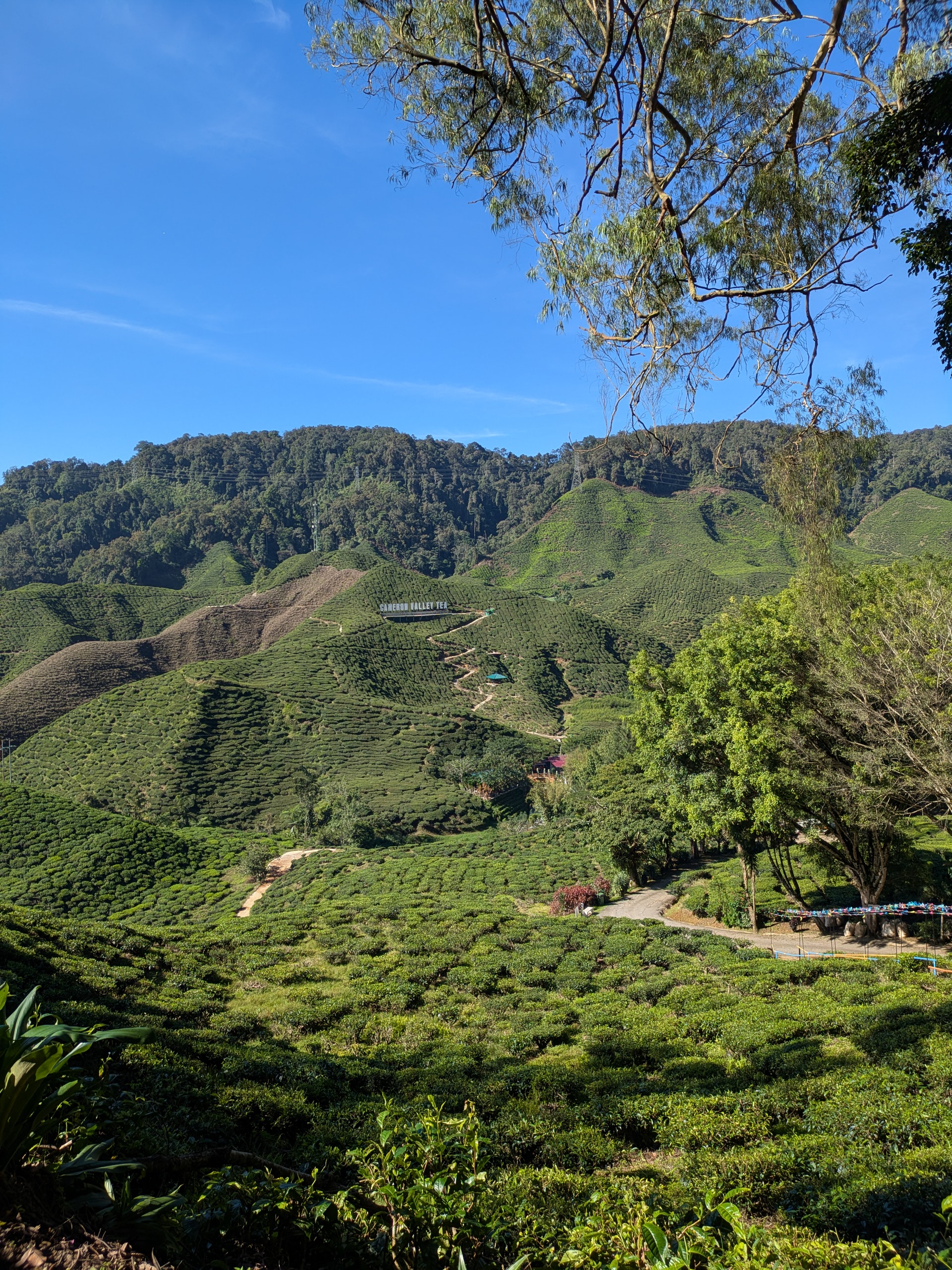
- Weekend Getaway: Head to the Cameron Highlands by bus (about 2 hours) to experience Malaysia’s tea plantations, cool weather, and scenic hikes. It’s perfect for a weekend escape from the heat. I enjoyed it so much that I stayed longer.
Week 2: 3 nights in Cameron Highlands
Travel from Ipoh to Tanah Rata (Cameron Highlands) by bus (2 hours / 5$). This region is famous for its cool climate, rolling tea plantations, strawberry farms, and lush hiking trails.
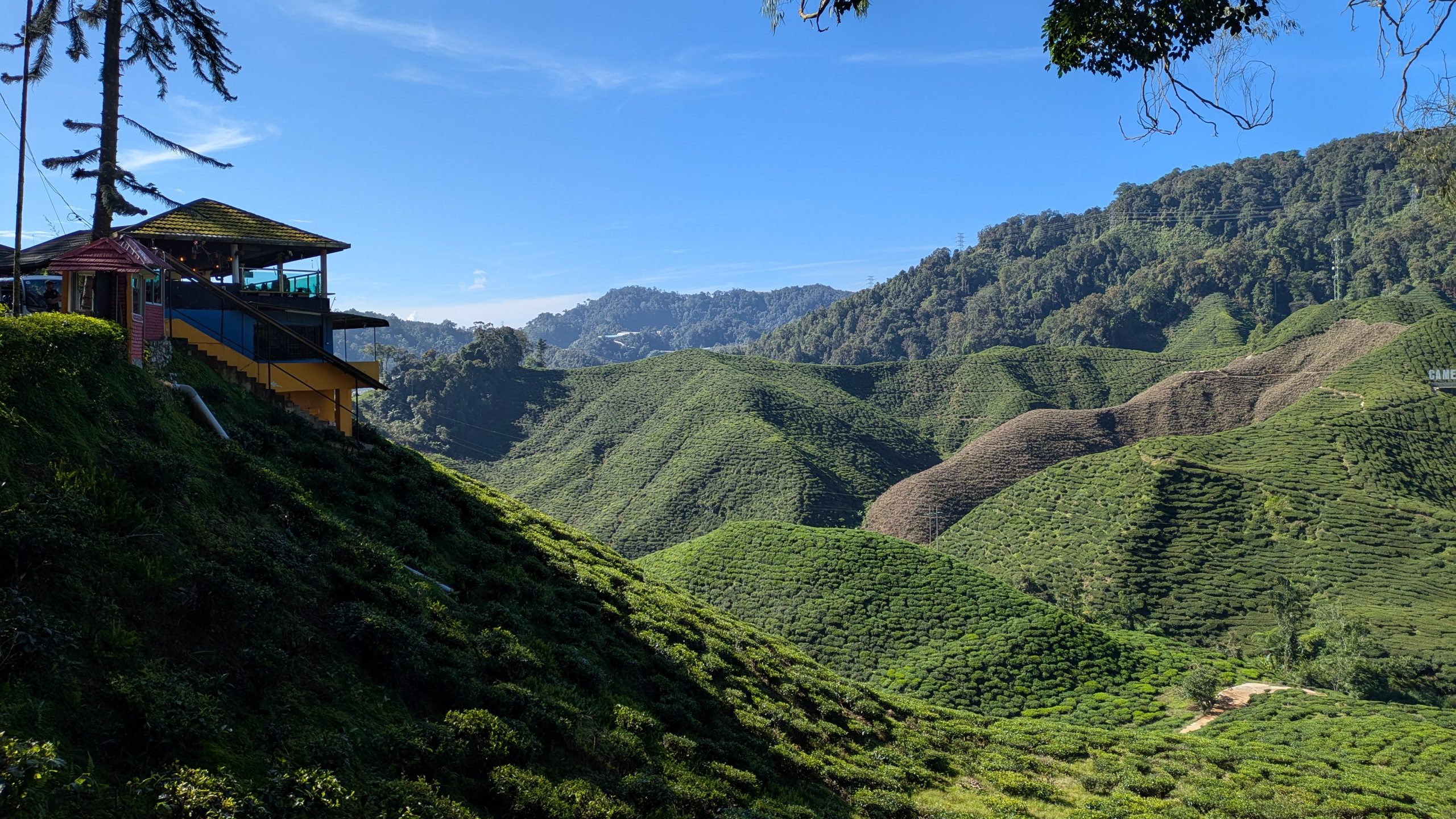
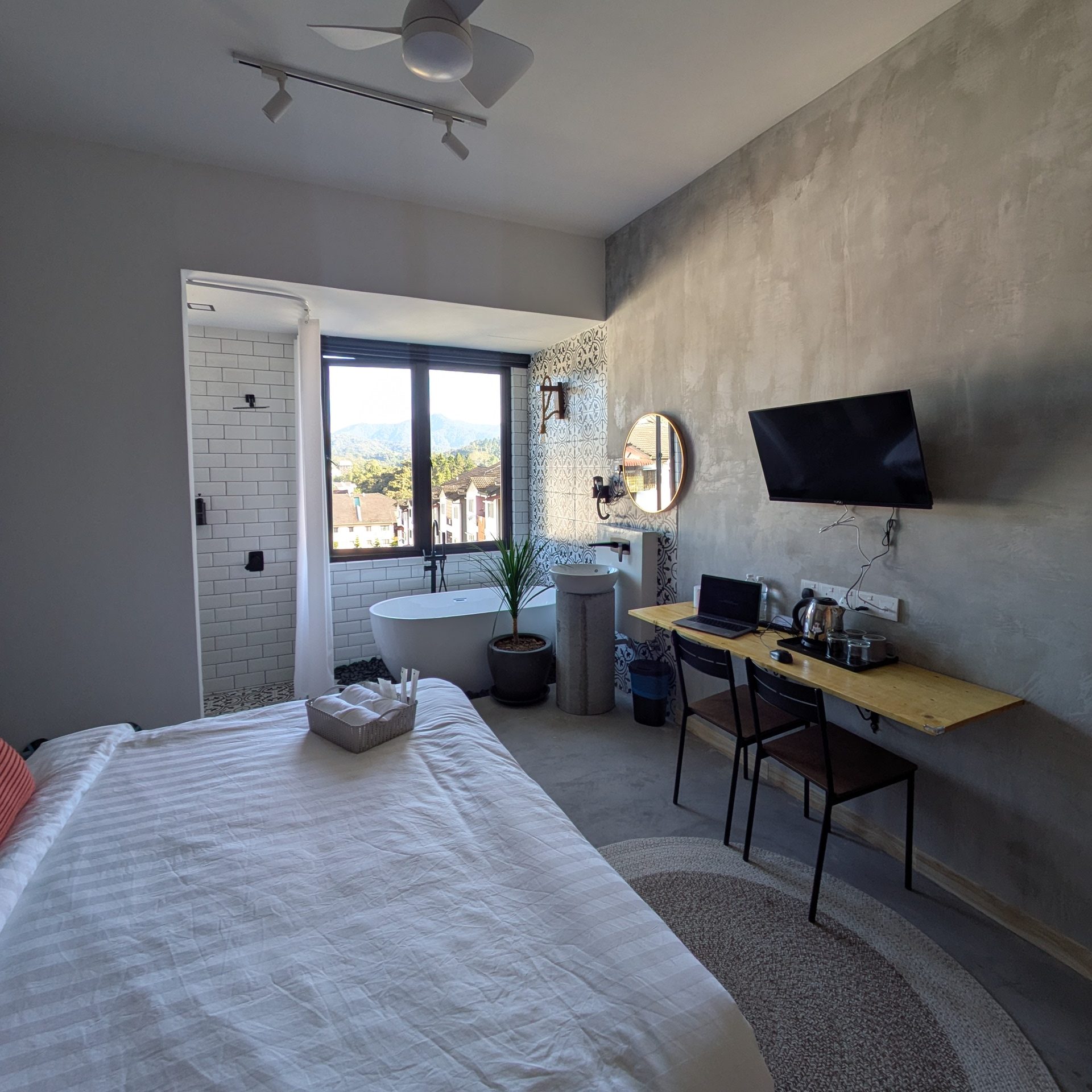
- Where to Stay & Work: Silvan Garden Cameron Highlands offers budget-friendly but modern private accommodations for singles with coworking-friendly spaces and super fast internet.
- Vegan-Friendly Café: The Hidden Lab, located in Cameron Fair, Tanah Rata, is a cozy coffee shop offering plant-based milk alternatives and vegetarian food items that can be made vegan upon request.
- Day Activities: Visit the Cameron Bharat Tea Estate to enjoy scenic views and learn about tea cultivation, or explore the Time Tunnel Museum to delve into the region’s history.
- DIY Hikes: Embark on Trail 10 to Mount Jasar for panoramic vistas, or take Trail 6 through lush forests, both offering well-marked paths suitable for self-guided treks.
- Evening Activities: Enjoy a relaxing stroll along Tanah Ratg local snacks at the night market, or visit the colonial-style Cameron Highlands Library for a quiet evening.
- Weekend Getaway: Visit the Mossy Forest for its misty, otherworldly landscapes, or spend the day at the BOH Tea Plantation for a tour and tea tasting (both accessible by Grab or local tours).
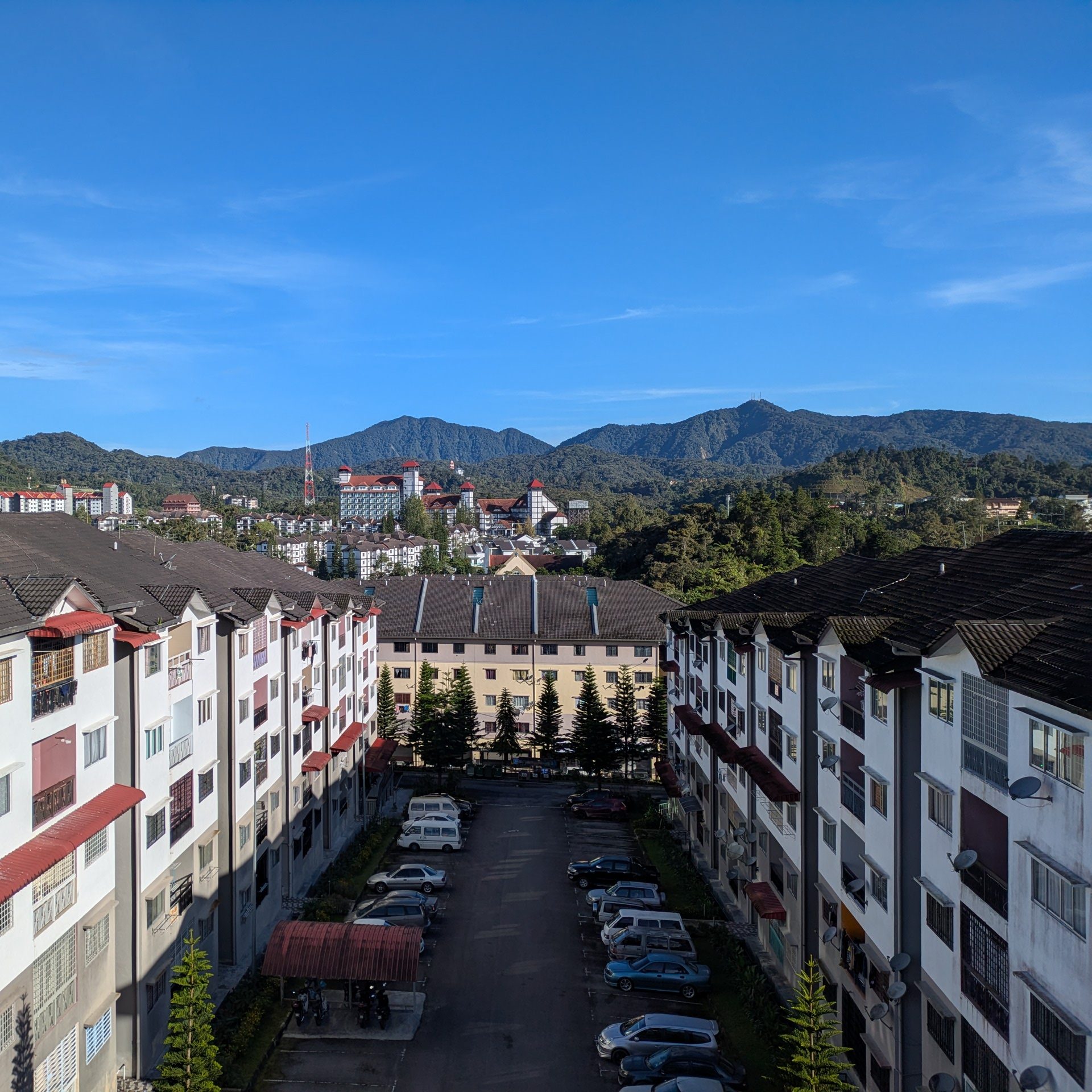
Week 3: George Town, Penang
Travel from Tanah Rata to Penang by bus, then take a short ferry ride to George Town. Known for its rich cultural heritage and famous street food, Penang is also home to a thriving digital nomad community.
- Where to Stay & Work: The Frame Guesthouse offers budget-friendly accommodations with coworking-friendly spaces. Or, join the vibrant coworking scene at @CAT Penang.
- Vegan-Friendly Café: Hummusbyjuicecode serves exclusively vegan dishes, along with smoothie bowls and other treats, in a relaxed, work-friendly setting.
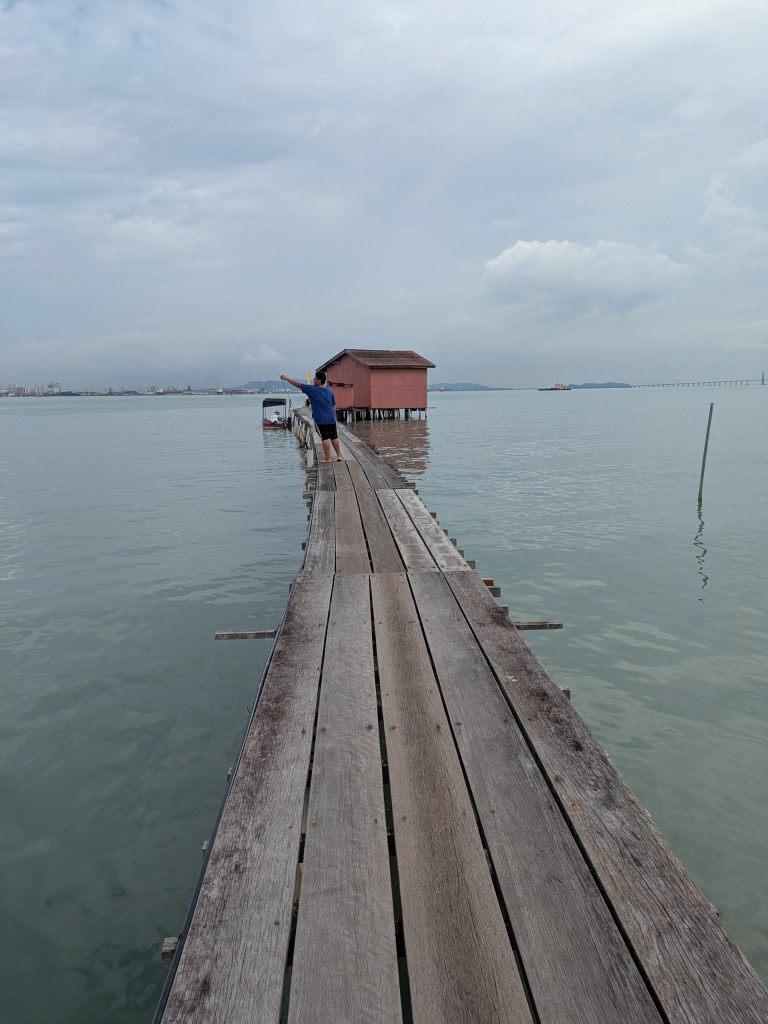
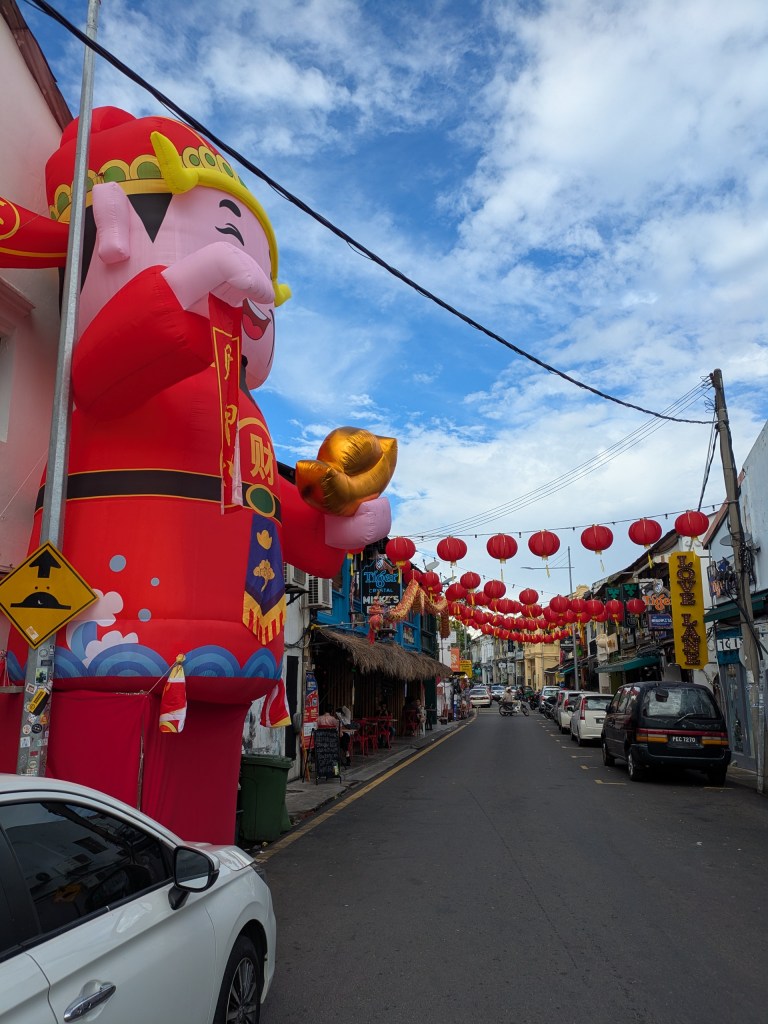
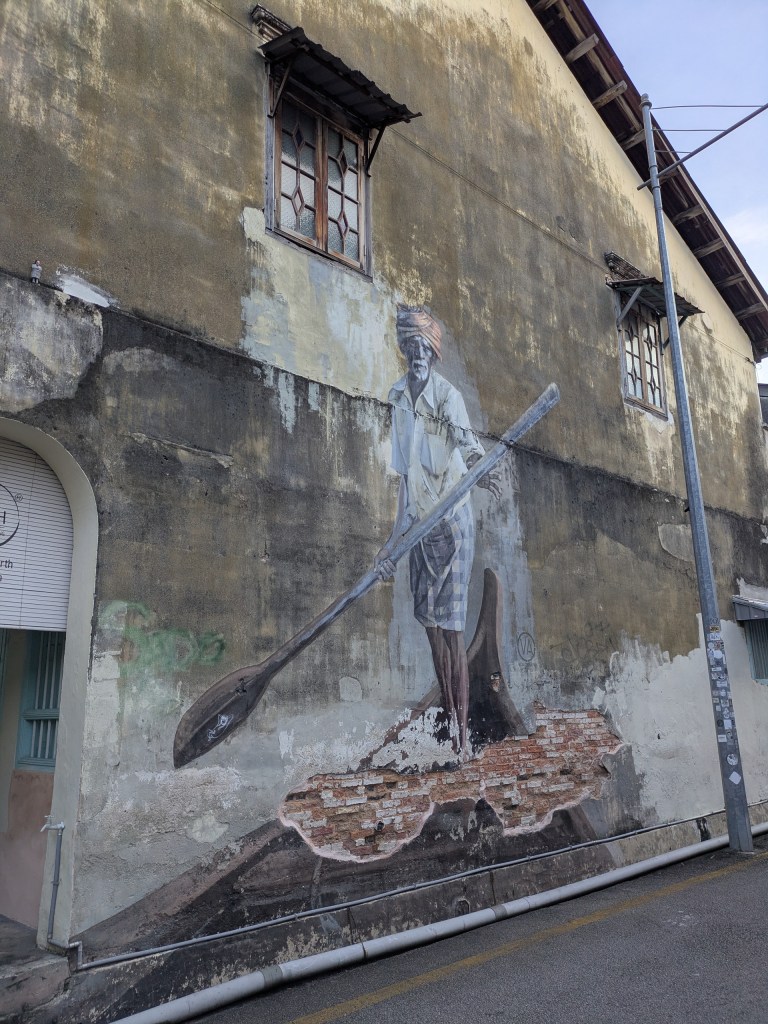
- Evening Activities: Stroll through George Town’s iconic street art trails, visit Tan Jetty, sample local dishes at Gurney Drive, or visit the Pinang Peranakan Mansion for a dose of history.
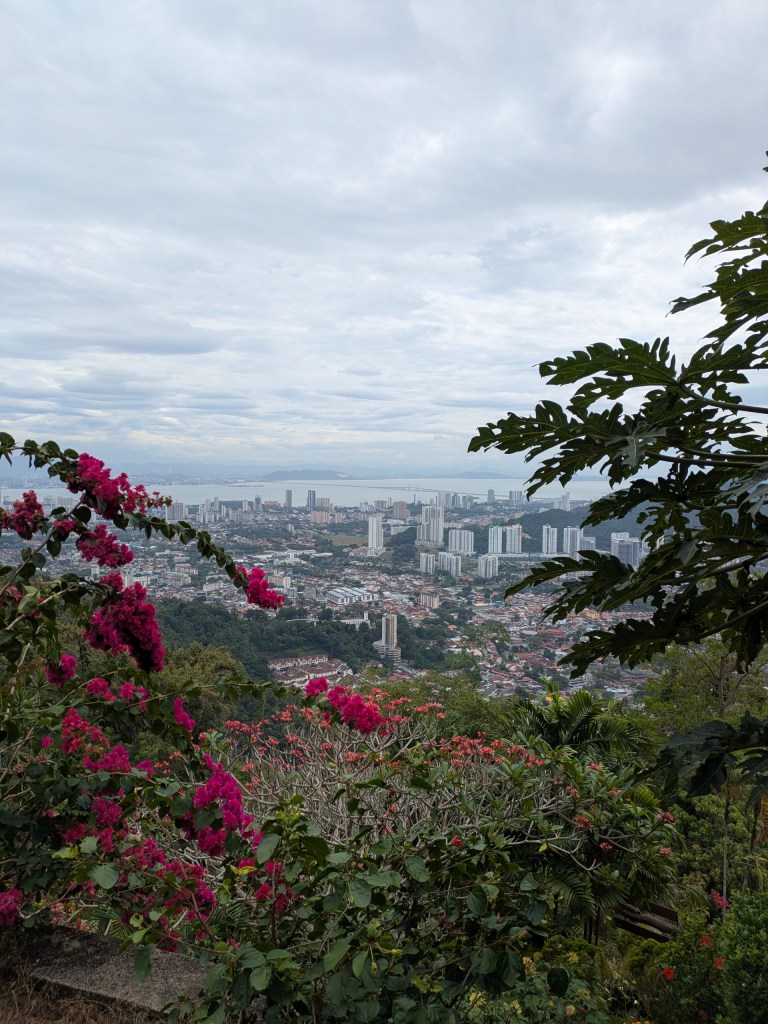
- Weekend Getaway: Take the funicular train up Penang Hill for panoramic views or explore the sprawling Kek Lok Si Temple (both accessible by local transport or Grab). Each offers a day’s worth of exploration.
Week 4: Langkawi
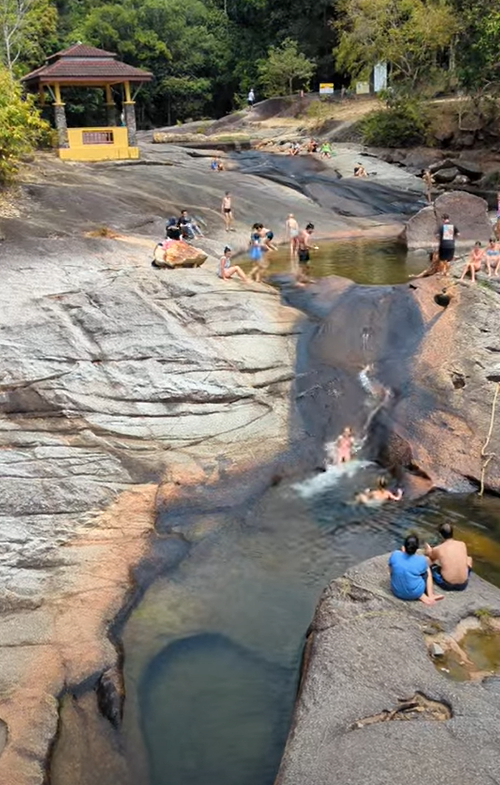
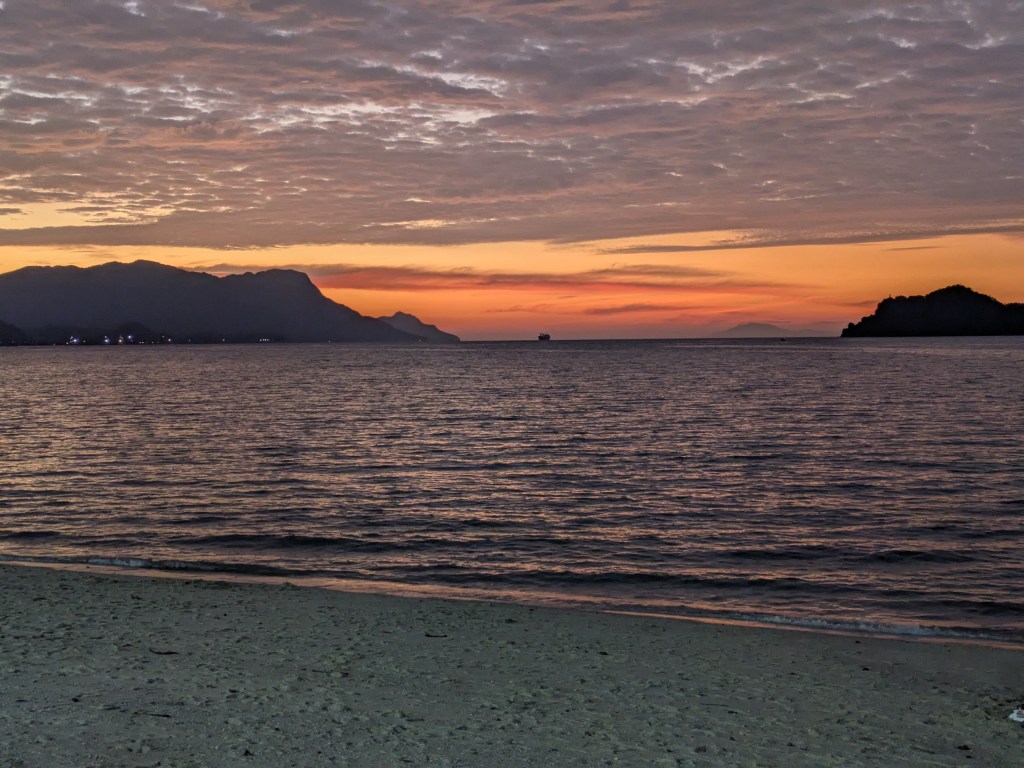
Langkawi is a stunning island with sandy beaches and plenty of relaxation options. I stayed much longer than I intended. Even though it seamed touristy – with lots of Duty Free shops, it never felt over-run. It feels like a place you could settle for a while, live rathan than vacation. There used to be a ferry from George Town. Now it’s either a 30 minutes plane ride or Grab-Bus-Ferry-Grab – I did the latter.
- Where to Stay & Work: Bed attitude Hostel (Cenang) offers an affordable hostel accommodation, friendly atmosphere with okay wifi in a quiet co-working space. It can be social but if you have to work and are on a budget that’s your best option.
- Workspace: Jetpack Langkawi is 40 minutes walking (or 6 minutes Grab ride) away from the hostel. I went there everytime I neeeded reliable and fast internet. Iska is super friendly, can arrange for accommondation as well and can be reached via WA: +60197497538
- Vegan-Friendly Café: Smiling Buffalo Café offers vegan and vegetarian options in a tropical setting close to the beach, with reliable WiFi for work. For a healthy bowl go to Satu Cinta Backstreet Coffeeshop.
- Evening Activities: Enjoy the sunset at Pantai Cenang Beach, visit Eagle Square for a great photo spot, or explore the Langkawi Night Market (look out for the big one on Thursdays) for local dishes and crafts.
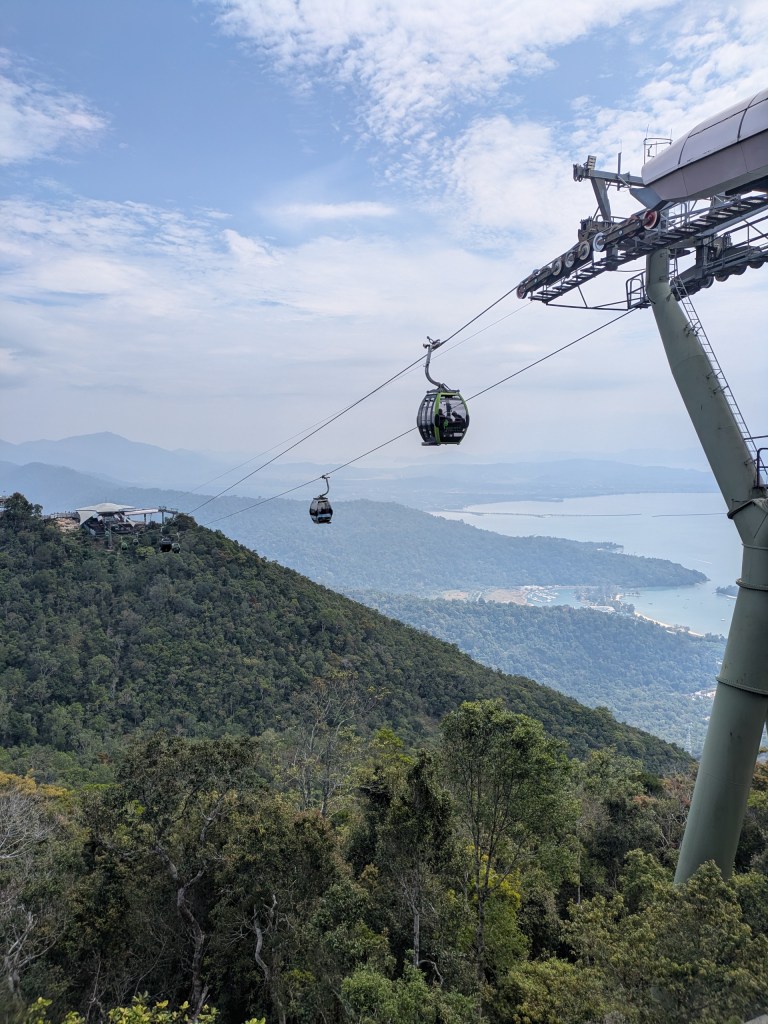
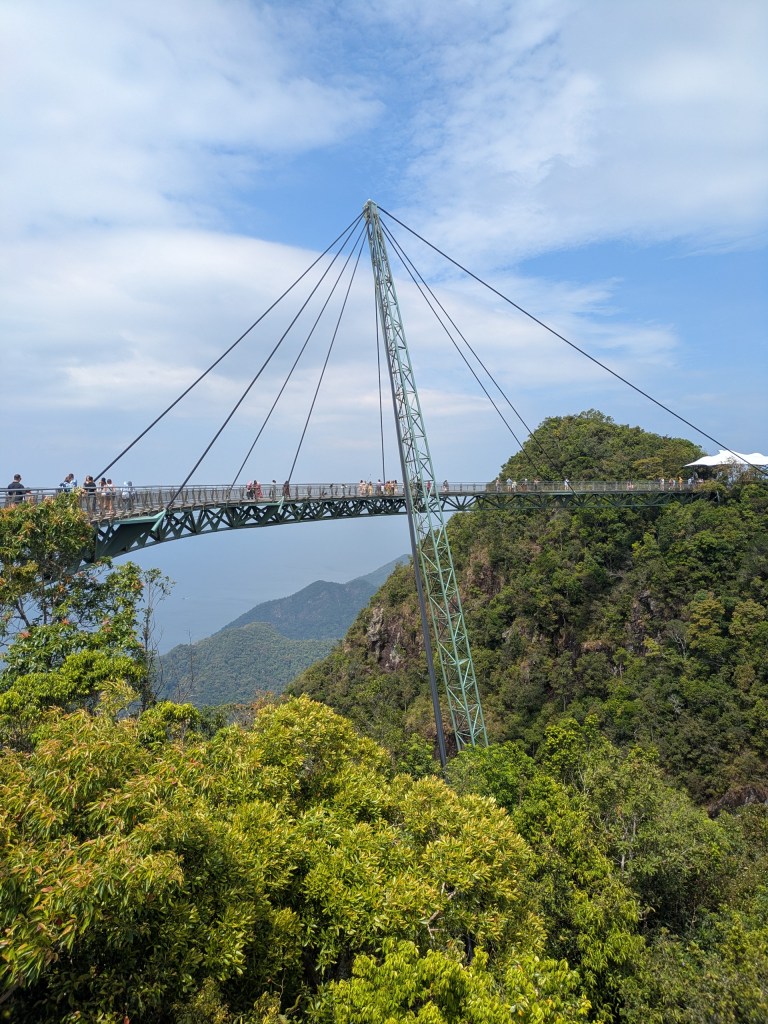
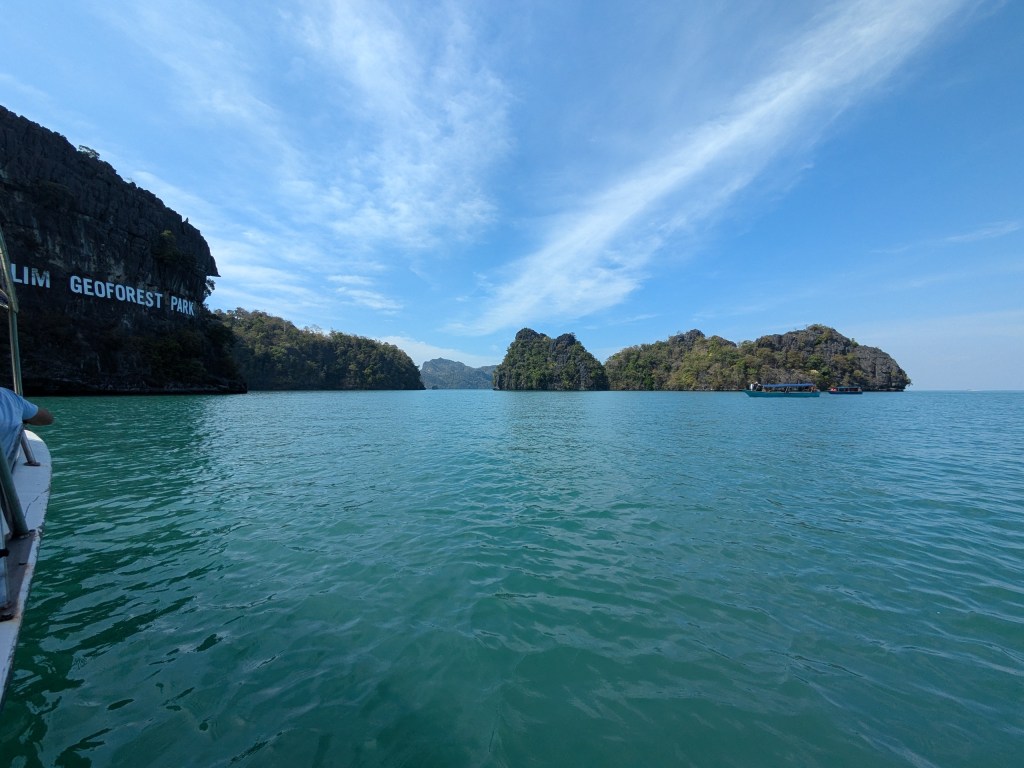
- Weekend Getaway: Book a tour of the Kilim Karst Geoforest Park, famous for its mangrove forests and limestone cliffs, or take a cable car to the Langkawi Sky Bridge for breathtaking views of the island.
- Rent a scooter to explore the island – it’s safe to drive even for beginners.
Week 5: Kota Kinabalu
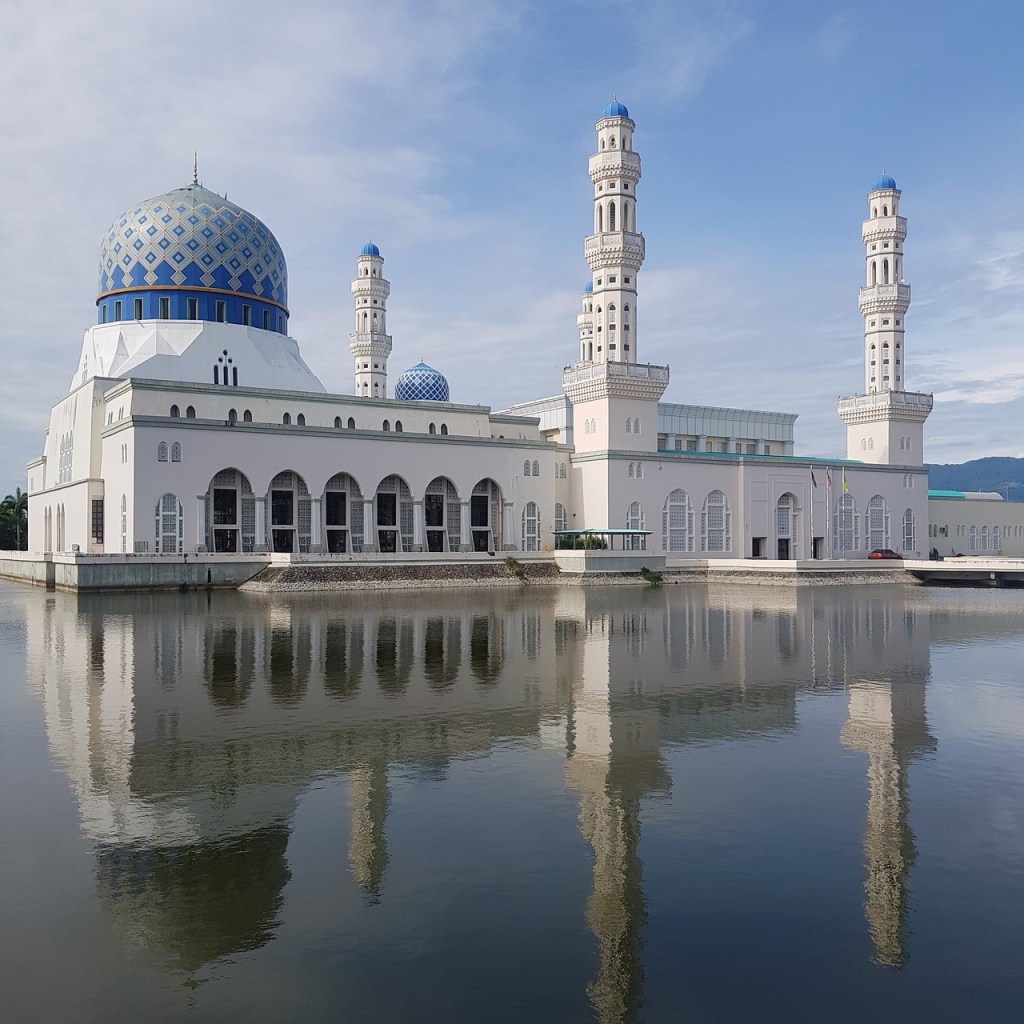
Conclude your Malaysian journey in Kota Kinabalu, on the island of Borneo, known for its friendly local culture and stunning natural beauty. Fly from Langkawi to Kuala Lumpur, then take a connecting flight to Kota Kinabalu.
- Where to Stay & Work: Masada Backpacker Hostel is budget-friendly with communal workspaces, while Kinabalu Coders coworking space is perfect for getting work done in a community-oriented setting.
- Vegan-Friendly Café: October Coffee House is known for its vegan-friendly menu and cozy ambiance, ideal for remote work.
- Evening Activities: Walk along the Kota Kinabalu waterfront, enjoy a seafood feast at the night market, or catch the sunset from Signal Hill Observatory Platform.
- Weekend Getaway: Spend a day at Tunku Abdul Rahman Marine Park, a 20-minute boat ride from the city, or take on the challenge of Mount Kinabalu for a weekend adventure (permit required).

If I had to pick one: best combination of living and working
George Town, Penang would top the list. George Town combines a vibrant digital nomad community with stunning colonial architecture, a laid-back vibe, and an incredible food scene. Here’s why it stands out for remote work.
Best times to travel Malaysia
I recommend visiting Malaysia between November and February when the weather is most comfortable, with less rain and milder temperatures. This period is also ideal for exploring cities like Kuala Lumpur and Penang, as they tend to be more vibrant with late sunsets and plenty of outdoor activities.
- Peak Season (December – February): Expect cooler temperatures, lively cities, and more events, but with slightly higher prices and larger crowds.
- Off-Season (March – October): Though it’s hotter and more humid, you’ll find more affordable accommodation and fewer tourists. Just be prepared for the occasional tropical downpour!
My top 10 tourist attractions in Malaysia
Malaysia has plenty to offer beyond its work-friendly cities, with a mix of natural wonders, historic sites, and iconic landmarks. You can easily visit these during weekends or after work, as they’re well-connected to the cities on your itinerary:
- Petronas Twin Towers (Kuala Lumpur) – A must-see skyscraper offering incredible views from the observation deck. Easily reachable from anywhere in KL.
- Batu Caves (near Kuala Lumpur) – Impressive limestone caves with Hindu temples inside. Just 30 minutes by train from the city center.
- Penang Hill (Penang) – Scenic views and cooler air, accessible by a funicular train from George Town.
- Kek Lok Si Temple (Penang) – Malaysia’s largest Buddhist temple, just a short drive from George Town.
- Langkawi Sky Bridge (Langkawi) – Stunning views of Langkawi’s lush landscape, accessible by cable car.
- Jonker Street (Melaka) – Bustling night market with street food and shopping. Reachable by bus from Kuala Lumpur.
- The Perhentian Islands – Pristine beaches and diving spots, a ferry ride from Kuala Besut. (best weather March-October)
- Cameron Highlands – Cool-weather tea plantations and trails, accessible by bus from Ipoh.
- Bako National Park (Sarawak, Borneo) – Diverse wildlife and unique rock formations, accessible by boat from Kuching. (best weather March-October)
- Mount Kinabalu (Sabah, Borneo) – Malaysia’s highest peak, a challenging but rewarding climb. Book a guided hike from Kota Kinabalu.
Local secrets on your workation itinary
For a unique local experience, try these hidden gems:
- Cheong Fatt Tze Mansion (Penang) – An atmospheric, historic building you can tour in the afternoon. Walkable from George Town.
- Kuching Cat Museum (Sarawak) – A quirky museum dedicated to all things feline, reachable by bus from Kuching city center.
- Sekinchan Paddy Fields (Selangor) – Stunning rice paddies perfect for photography. Reachable by car from Kuala Lumpur, it’s an ideal day trip for a peaceful escape..
Getting there
Malaysia is well-connected by air, with Kuala Lumpur International Airport (KLIA) being the main gateway to the country, offering flights to many international destinations. For affordable flights within Malaysia, budget airlines like AirAsia and Firefly have frequent connections between major cities like Kuala Lumpur, Penang, Langkawi, and Kota Kinabalu.
Getting around locally
- Trains: The ETS train service is efficient and comfortable, ideal for routes like Kuala Lumpur to Ipoh, with fares ranging from $4 – $9 USD.
- Buses: Malaysia has an extensive bus network. Companies like Plusliner and Transnasional operate between major cities, offering comfortable and affordable rides, most tickets costing between $0.75 – $7 USD for regional trips.
- Local Transport: Grab (similar to Uber) is widely used in Malaysia for affordable, safe, and convenient city travel.
- Ferries: Ferries connect islands like Penang and Langkawi, providing a scenic and affordable travel option and cost around $18 USD.
- Rentals: In areas like Langkawi and Sabah, renting a scooter or car is common for more flexibility in exploring.
- .Flights: Budget airlines like AirAsia offer frequent flights within Malaysia, with fares between $20 – $80 USD depending on the route and time of booking.
Visa: Digital nomad Malaysia
Most nationalities (e.g. Germans and Americans) receive a free 90-day tourist visa on arrival, making it easy for digital nomads to stay for extended periods.
Malaysia’s DE Rantau Digital Nomad Pass offers a one-year stay for remote workers and freelancers, with the option to renew for an additional year. Eligible applicants in tech roles need to show an income of at least USD 24,000 annually, while non-tech roles require USD 60,000.
The visa costs MYR 1,000 (about USD 225), with a fee of MYR 500 (USD 110) per dependent. The application process, completed online through MDEC, takes around four weeks. Approved visa holders can also access nomad-friendly hubs and discounts. More details are available on the MDEC DE Rantau website
Local food and vegetarian options
Malaysia is a paradise for vegetarian and vegan travelers, thanks to its diverse culinary scene influenced by Malay, Chinese, and Indian cuisines. Across the country, you’ll find numerous plant-based options, whether in street food markets, casual eateries, or upscale restaurants. Here are some of the top vegetarian and vegan-friendly dishes, along with recommendations for where to find them:
Popular Vegetarian Dishes in Malaysia
Malaysia is a paradise for vegetarian and vegan travelers, thanks to its diverse culinary scene influenced by Malay, Chinese, and Indian cuisines. Here are some of my favorite vegetarian and vegan-friendly dishes.
- Nasi Lemak (Vegetarian)
Traditionally made with coconut rice, sambal, peanuts, and cucumber, this Malaysian staple can be made vegetarian by skipping the usual anchovies and eggs. It’s easy to find vegetarian-friendly Nasi Lemak at local food courts or dedicated vegetarian stalls. - Roti Canai (Vegetarian/Vegan)
This flaky, flatbread is typically served with dhal (lentil curry) or other vegetarian curries. Look for variations at Indian-Muslim eateries, known as Mamak stalls, which often serve it with vegetarian sides. - Char Kway Teow (Vegetarian)
Usually stir-fried with shrimp and sausage, this noodle dish can be easily adapted for vegetarians. Many vendors offer a meat-free version using vegetables and tofu instead. It’s commonly available in Penang’s food stalls. - Indian Thali (Vegetarian/Vegan)
At any Indian restaurant, especially those serving South Indian cuisine, you’ll find a vegetarian thali — a platter with rice, various lentil dishes, vegetables, chutneys, and papadum. Little India districts in Kuala Lumpur and Penang are excellent places to try this. - Laksa Lemak (Vegetarian)
This creamy, coconut-based noodle soup is typically made with shrimp or chicken but can be adapted for vegetarians by swapping out meat for tofu and extra vegetables. Look for vegetarian versions at food courts and specialized cafes.
Sustainable travel in Malaysia
Malaysia is committed to sustainable travel with initiatives like beach clean-ups and marine conservation projects. Organizations like Reef Check Malaysia focus on preserving Malaysia’s marine biodiversity. You can get involved in local efforts or support businesses that emphasize sustainability, ensuring a positive impact on your travels.
What experiences have you had in Malaysia? Share them in the comments below!
Continue reading
Living the dream life on the beach, sipping mango juice, needs to be funded. Even though the cost of living in Southeast Asia is cheaper than in many Western countries, you still need to cover the travel expenses to get there.

Maybe you already have a dream destination in mind, which makes the decision easy. However, there are a few prerequisites you should check before booking your flights. I’ve summarized the most important ones here.
Not every job can be done from abroad. Even for roles that are fully computer-based, some employers still prefer their employees to work from the office. Here’s what I’ve learned along the way!
 Solo Nomad Travels
Leave a comment