A guide to modern work-life freedom
Ever wondered, what is a digital nomad and why so many people are embracing this lifestyle? It’s more than just traveling while working—it’s a way to redefine work-life balance, connect with cultures, and build a life on your terms.
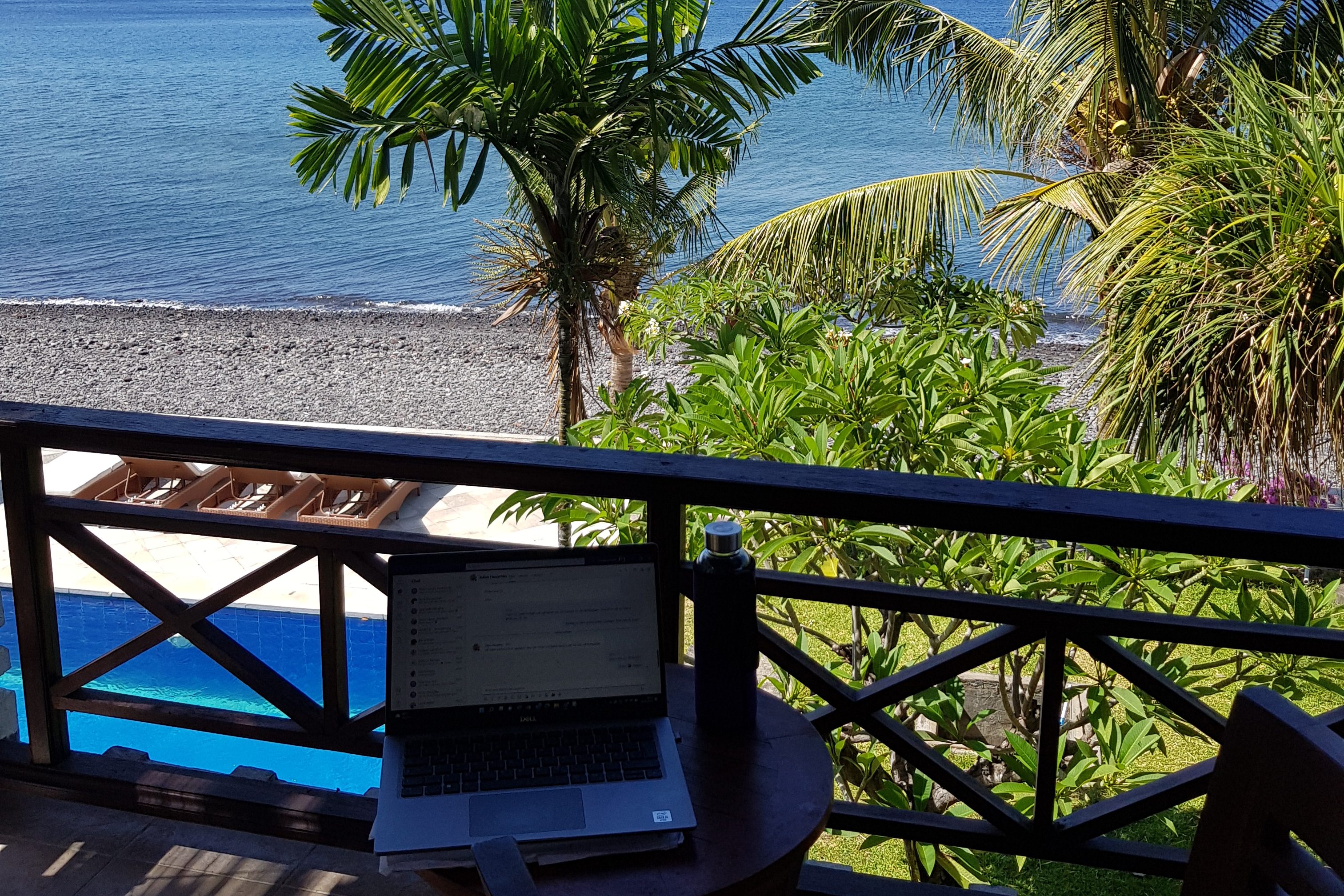
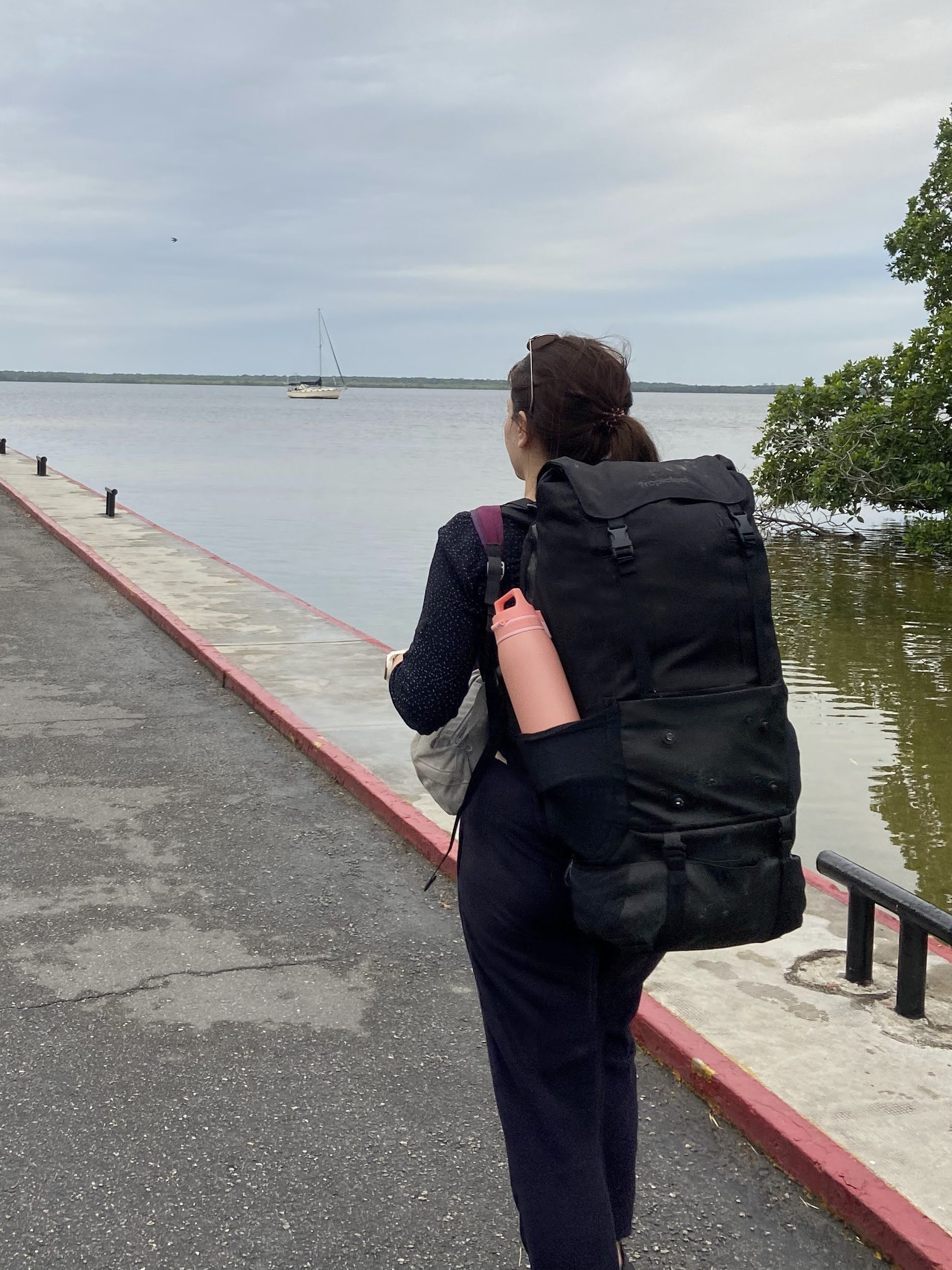
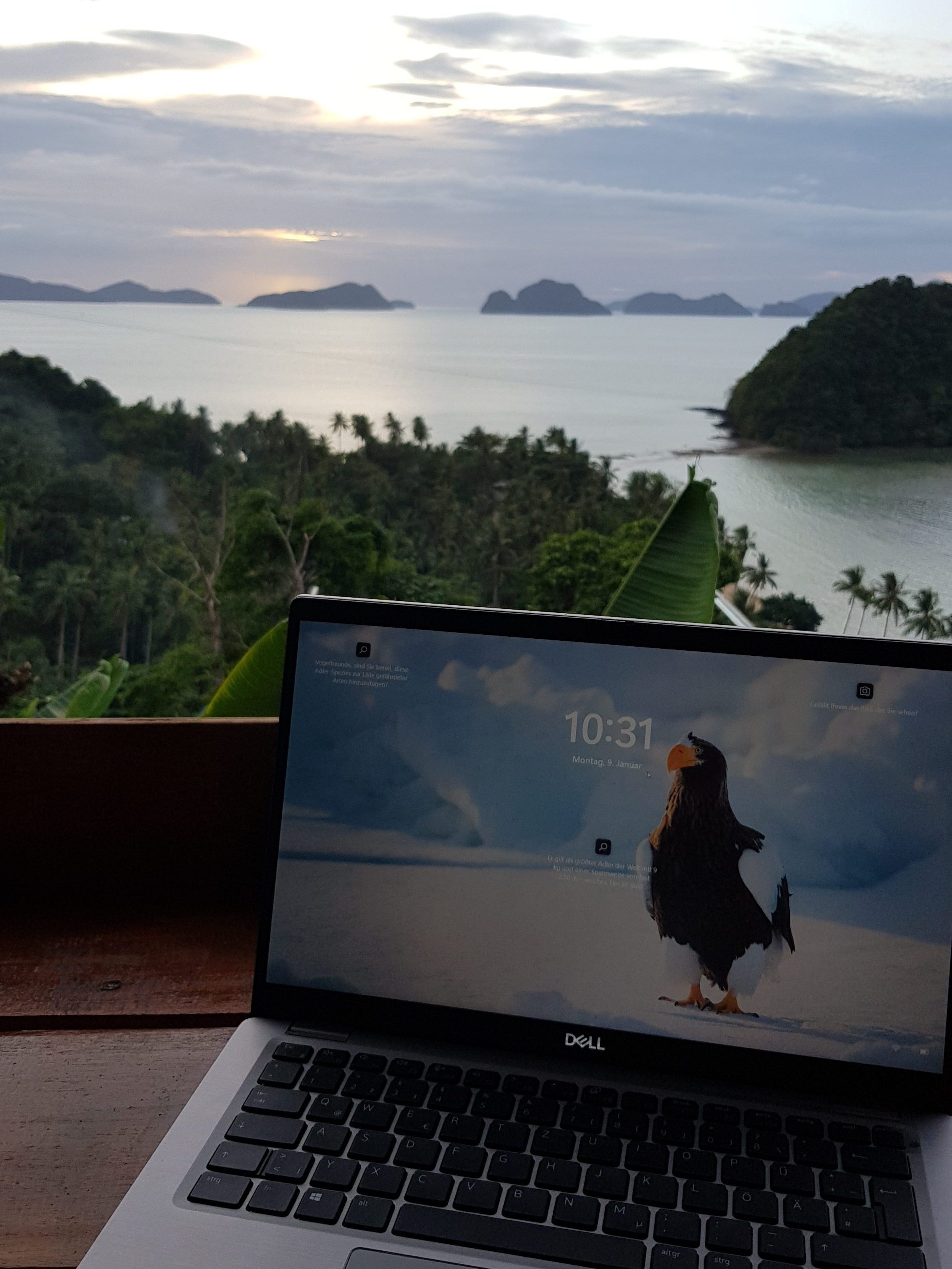
What is a digital nomad?
A digital nomad is someone who uses technology to work remotely while traveling or living in different locations. The lifestyle combines professional productivity with personal freedom, allowing people to work from anywhere with a reliable internet connection.
This trend has gained traction with the rise of remote work, fueled by advancements in communication tools and global connectivity. From freelance writers to software developers, digital nomads span a wide range of professions. Essential tools for digital nomads include laptops, project management platforms, and consistent WiFi access.
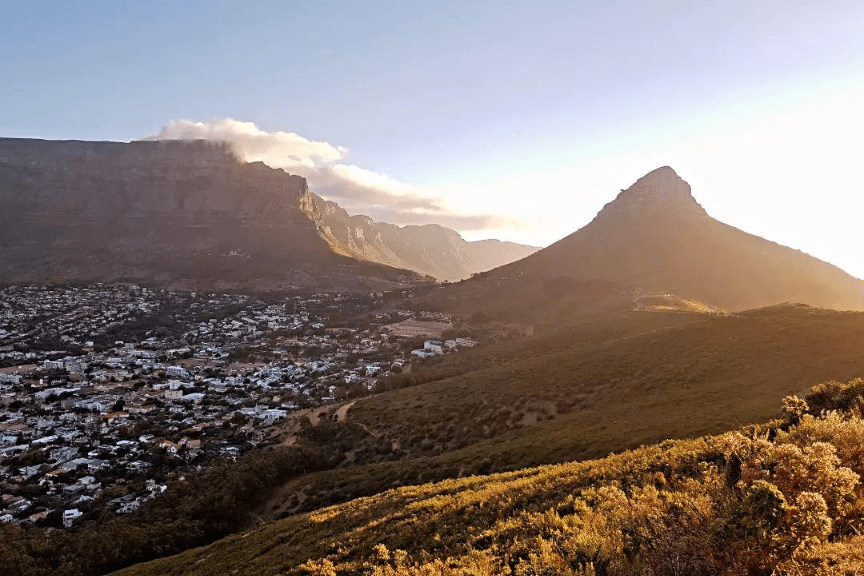
Why people choose the digital nomad lifestyle
For many, the digital nomad lifestyle offers the freedom to travel and explore the world while maintaining a career. It’s an opportunity to experience cultural immersion, build diverse networks, and embrace flexibility in work and life.
However, this lifestyle isn’t without challenges. Many nomads face issues like maintaining stability, navigating time zone differences, and coping with occasional loneliness. Despite these obstacles, the rewards often outweigh the struggles, with nomads celebrating their ability to design a life aligned with their values.

How to get started as a digital nomad
Step 1: Finding remote work
Opportunities for remote work can be found on freelance platforms like Upwork or Fiverr, as well as remote job boards such as We Work Remotely or Remote OK. Many digital nomads start by leveraging their existing skills to secure freelance gigs or full-time remote positions.
Step 2: Planning your first trip
Choose a destination that aligns with your budget, lifestyle preferences, and work needs. Research visa requirements, cost of living, and local coworking spaces. Popular starter destinations include Southeast Asia, Eastern Europe, and Central America.

Step 3: Staying productive on the road
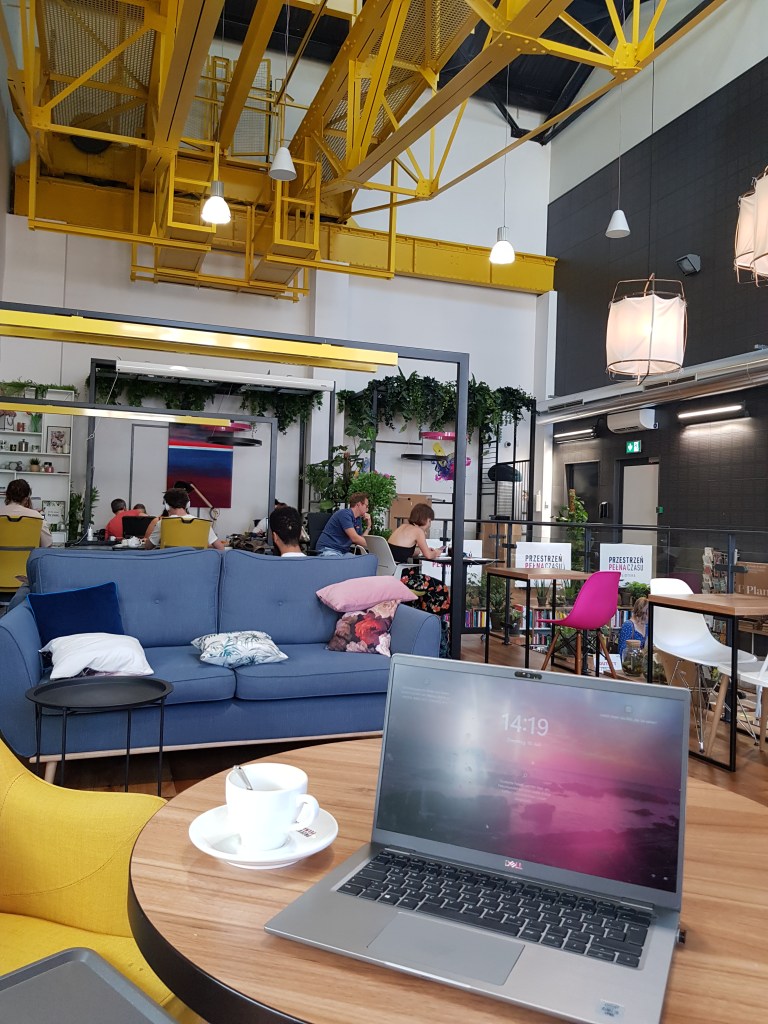
Adopt a structured routine to balance work and leisure. Tools like Trello, Slack, and time zone converters are invaluable for staying organized and connected. Consider coworking spaces or cafes to create a conducive work environment.
For more, read this article: Digital Nomad – Getting started
The Best Destinations for Digital Nomads in 2025
Finding the perfect destination as a digital nomad means balancing reliable internet, affordability, and vibrant communities. Here are the top spots for 2025 that combine work-friendly environments with unforgettable experiences.
- Chiang Mai, Thailand: Affordable, welcoming, and equipped with fast internet.
- Bali, Indonesia: A tropical paradise with vibrant coworking communities. One of the hotspots, but for good reason.
- Medellín, Colombia: Great weather, modern amenities, and a growing digital nomad scene.
- Lisbon, Portugal: Historic charm meets high-speed internet and excellent quality of life.
- Tbilisi, Georgia: Low cost of living, friendly locals, and visa-free stays for many countries.
Looking for the ideal destination to match your digital nomad lifestyle and budget? Check out this page to find out how to choose the best destination for your needs.

Digital Nomad Visas: Opportunities for Long-Term Stays
Many countries now offer digital nomad visas, making it easier to stay longer without the need for frequent border runs. Requirements typically include proof of remote income, health insurance, and visa fees.
Which countries offer a digital nomad visa?
Europe:
- Andorra
- Croatia
- Cyprus
- Czech Republic
- Estonia
- Georgia
- Germany
- Greece
- Hungary
- Iceland
- Italy
- Latvia
- Malta
- Norway
- Portugal
- Romania
- Spain
North and Central America:
- Antigua and Barbuda
- Bahamas
- Barbados
- Belize
- Bermuda
- Costa Rica
- Curaçao
- Dominica
- Grenada
- Mexico
- Panama
South America:
- Argentina
- Brazil
- Colombia
- Ecuador
- Uruguay
Africa:
- Cabo Verde
- Mauritius
- Namibia
- Seychelles
- South Africa
Asia and the Middle East:
- Armenia
- Dubai (UAE)
- Indonesia (Bali)
- Malaysia
- Sri Lanka
- Taiwan
- Thailand
Caribbean:
- Anguilla
- Montserrat
- Saint Lucia
Each country has specific requirements, such as minimum income thresholds, proof of remote employment, and health insurance. For detailed information, it’s advisable to consult the official immigration websites of these countries.
Working on tourist visas as a digital nomad
Many digital nomads consider traveling on tourist visas while continuing to work remotely. However, this practice often falls into a legal gray area. Tourist visas typically prohibit employment activities, including remote work for foreign employers. Engaging in work while on a tourist visa can lead to penalties such as fines, deportation, or future travel bans.
Remaining registered in your home country and working remotely while traveling may seem convenient, but it’s essential to understand the legal implications. Some countries are lenient, but others strictly enforce their visa regulations. To ensure compliance, it’s advisable to apply for appropriate visas that permit remote work, such as digital nomad visas, in your destination countries.
The future of digital nomadism
The digital nomad movement has transformed from a niche lifestyle into a global phenomenon, and its future looks brighter than ever. As remote work becomes the norm, advancements in technology, global connectivity, and changing workplace attitudes are reshaping the way we live and work.
Emerging trends for digital nomads
The Rise of Secondary Cities: Beyond the well-trodden paths of Chiang Mai or Lisbon, secondary cities are becoming attractive due to lower costs and less competition for resources. Cities like Da Nang (Vietnam), Porto (Portugal), and Medellín (Colombia) are gaining attention for their infrastructure and quality of life.
Coworking Retreats: Combining productivity with adventure, coworking retreats are on the rise. These programs allow digital nomads to collaborate, network, and grow professionally in inspiring locations while experiencing local culture. Destinations like Bali, Costa Rica, and Portugal are becoming hubs for such retreats.
Slow Travel: Instead of hopping from one city to another, many nomads are embracing “slow travel.” This approach emphasizes staying longer in one place, fostering deeper cultural connections, and reducing environmental impact. Countries offering long-term visas are ideal for this trend.
AI and Productivity Tools: Artificial intelligence is revolutionizing remote work. From automating mundane tasks to offering real-time translation and enhanced collaboration platforms, AI tools are enabling digital nomads to work smarter, not harder.

Opportunities for growth
Global workforce integration: As businesses adapt to hybrid and fully remote teams, they are more willing to hire talent regardless of location. This trend opens doors for digital nomads to find opportunities worldwide while enjoying geographical freedom.
Sustainable practices: Digital nomads are increasingly prioritizing sustainability. From eco-friendly accommodations to supporting local businesses, the lifestyle is evolving to focus on responsible travel.
Education and skill development: Online courses, certifications, and virtual mentorship programs are growing, allowing digital nomads to continuously upgrade their skills while on the move.

Challenges and adaptation for digital nomads
While the future is exciting, the lifestyle comes with challenges. Navigating visa regulations, maintaining work-life balance, and combating isolation remain key concerns. However, the rise of digital nomad communities and hubs worldwide provides opportunities for connection and support.
Why this matters?
The future of digital nomadism isn’t just about working from beaches or mountain cabins—it’s about redefining what work means. It’s an opportunity to live intentionally, challenge societal norms, and create a balance between professional ambitions and personal fulfillment.
For anyone dreaming of breaking free from the 9-to-5 grind, the road ahead is paved with possibilities. Whether you’re starting your digital nomad journey or looking to elevate your current lifestyle, the future holds endless potential for growth, connection, and adventure.
Why I love being a digital nomad
Being a digital nomad has completely transformed the way I live and work. It’s a lifestyle that lets me explore the world, embrace new experiences daily, and connect with incredible people. Here are just a few reasons why I love being a digital nomad:
- I don’t have to wait for my annual holiday to travel.
- I can move from one city to the next during my lunch break.
- On a day off or weekend, I can hop from one country to another.
- I explore local gems during my lunch breaks or after work.
- I meet like-minded people wherever I go.
- Every day brings a new experience, and I truly love my life.
- I don’t mind Mondays anymore.
- I can snorkel with turtles before work.
- Living abroad can be cheaper than staying in my home country if I don’t move too often.
For me, being a digital nomad isn’t just about working remotely—it’s about living fully and stick to my budget. Check out tips here, on how to save as a digital nomad.
More questions? Share them in the comments below!
Continue reading
Living the dream life on the beach, sipping mango juice, needs to be funded. Even though the cost of living in Southeast Asia is cheaper than in many Western countries, you still need to cover the travel expenses to get there.

Maybe you already have a dream destination in mind, which makes the decision easy. However, there are a few prerequisites you should check before booking your flights. I’ve summarized the most important ones here.
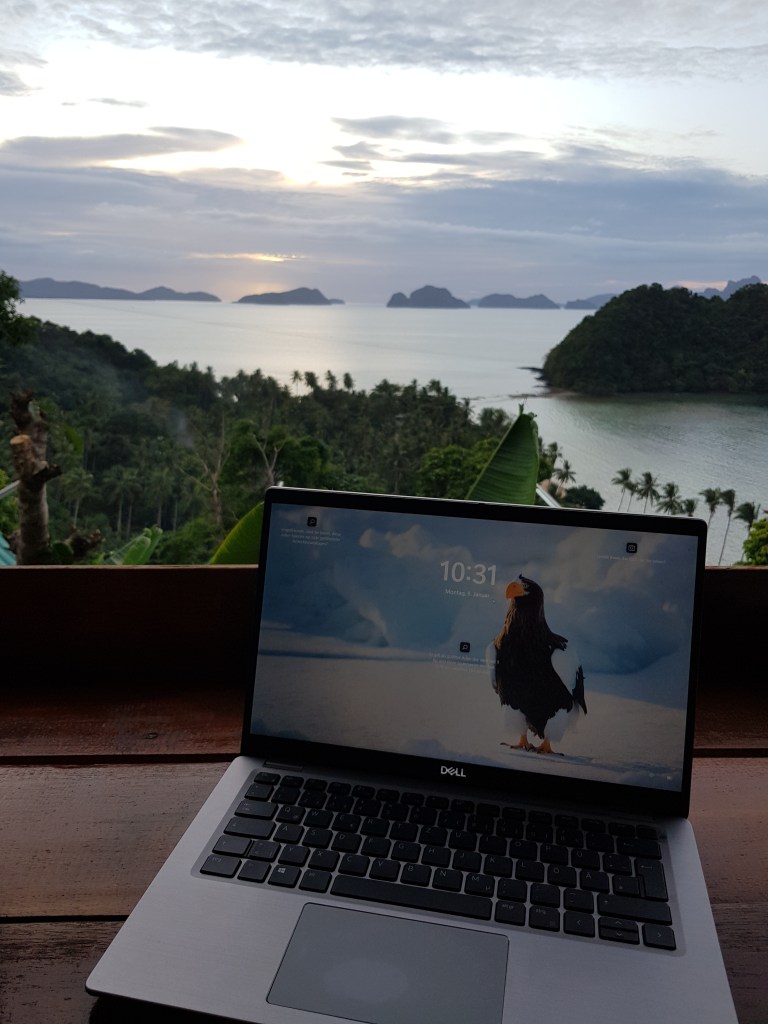
Not every job can be done from abroad. Even for roles that are fully computer-based, some employers still prefer their employees to work from the office. Here’s what I’ve learned along the way!
 Solo Nomad Travels
Leave a comment