Abu Dhabi – a city in the desert, yes, but also a surprisingly calm layover between Asia and Europe, especially when I want to soften jet lag instead.
Key aspects for digital nomads
In March, the weather is warm but still workable, the Corniche is made for evening walks, and Abu Dhabi can be more affordable than expected if you use the bus, the Etihad stopover deal, and simple food options..
- Cost of living: Around $2,600–$2,800 per month for a comfortable nomad budget including rent, food, transport, and working from cafés rather than paid coworking spaces.
- WiFi reliability: Generally strong in hotels, cafés, malls, and coworking-friendly spaces; Abu Dhabi is infrastructure-heavy and remote-work-friendly.
- Language: Arabic is the official language, but English is widely used in hotels, restaurants, public transport, and tourist areas.
- Food: Good for vegetarians if you like falafel, hummus, manakish, Indian food, Lebanese snacks, and mall food courts. For a fast, familiar option, Burger King UAE lists plant-based menu options, though strict vegans should always check preparation details.
- Accommodation costs: Budget hostels are limited compared with Southeast Asia. Dorm-style beds are usually harder to find; basic private rooms or budget hotels often start around $45–$80 per night, with lower effective costs if you use an airline stopover deal.
- Getting there: Zayed International Airport is Etihad’s hub, making Abu Dhabi especially convenient as a stop between Asia, Europe, Africa, and Australia.
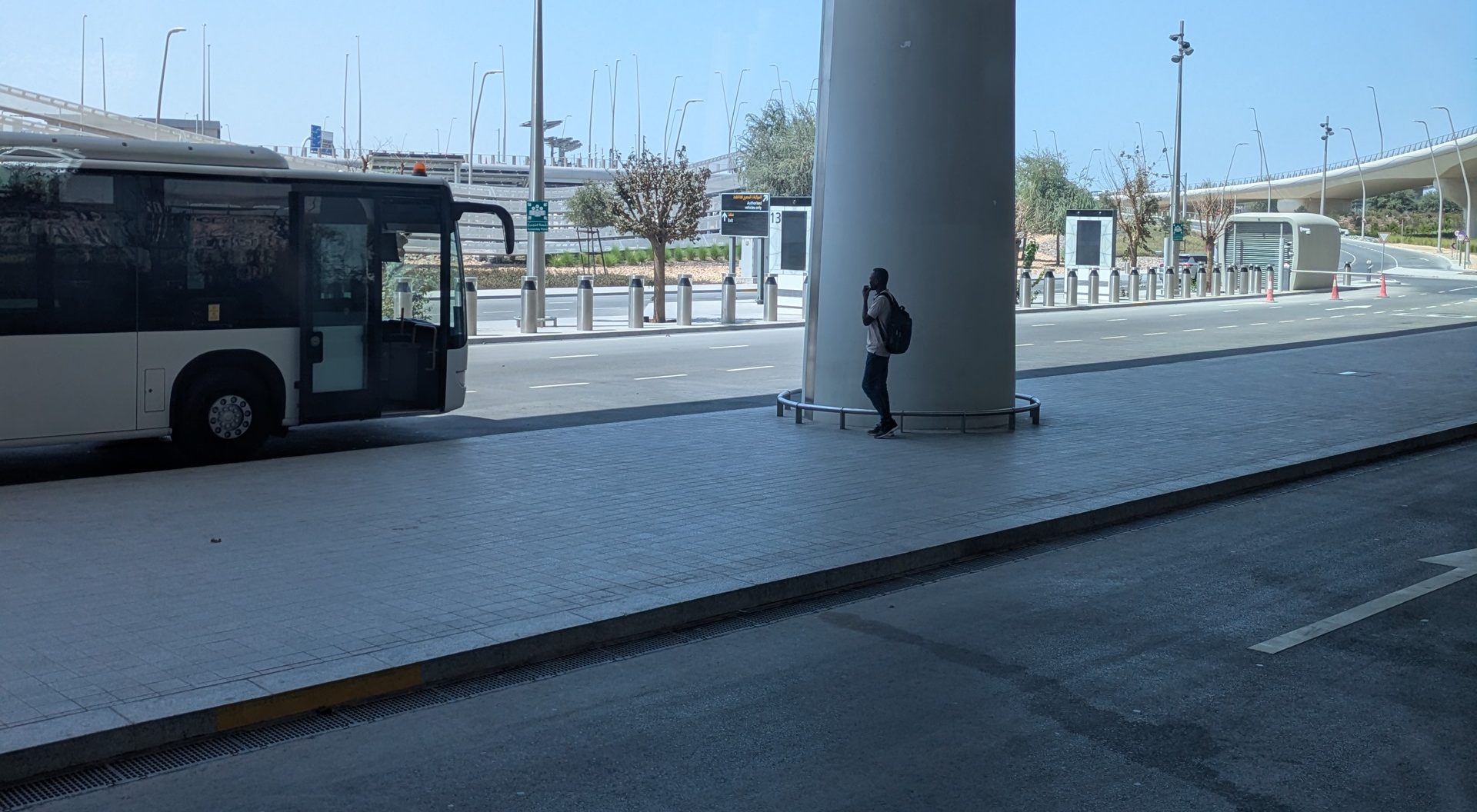
- Getting around: Buy a Hafilat bus card at the airport or bus stations, tap in and out, and use buses for the city, Grand Mosque, Louvre, and Corniche. The anonymous Hafilat card costs AED 10 and is valid for 16 years.
- People: Polite, international, and service-oriented; it is easy to feel safe, but social life is more structured than in classic backpacker hubs.
- Gyms: Gym day passes exist, but prices vary and are often not published online. Based on available day-pass gyms and typical UAE pricing, I would budget around $20–$35 per day; RPM Gym confirms paid single-day access in central Abu Dhabi but asks visitors to message for current pricing. Visa: Many nationalities can get a visa on arrival; the UAE also offers a one-year remote work visa for eligible digital nomads.
- Personal recommendation: Best for remote workers who want a clean, safe, structured, warm-weather city break or jet-lag-friendly stopover, not for nomads looking for cheap nightlife or a chaotic backpacker scene.
Best places to live, work, and explore
Abu Dhabi is not a “work from a hammock” destination. It is more of a “morning laptop session, afternoon museum, sunset mosque, evening walk on the boulevard” city. My favorite fun fact: you can work from a café near the Corniche in the morning, visit the Louvre after lunch, and still make it to the Grand Mosque for sunset by bus.
Best places to live, work, and party
Working in Corniche / Downtown Abu Dhabi
Corniche and Downtown are the most practical areas for a short nomad stay because you are close to the waterfront, malls, buses, restaurants, and budget-friendly hotels. This area is cheaper than Saadiyat or Yas if you choose simple hotels and local food instead of resort restaurants.
Accommodation: Ramada by Wyndham Abu Dhabi Corniche is a practical Etihad stopover-style choice: standard rather than boutique, but well located near the Corniche, Abu Dhabi Mall, and Saadiyat access. Wyndham describes it as being in the business district and close to the Corniche; Etihad also lists Ramada Corniche among its Abu Dhabi hotel options..
Trips from here: Visit Louvre Abu Dhabi on Saadiyat Island by bus or taxi for an afternoon, or go to Sheikh Zayed Grand Mosque by bus for sunset; bus travel is slower but affordable.
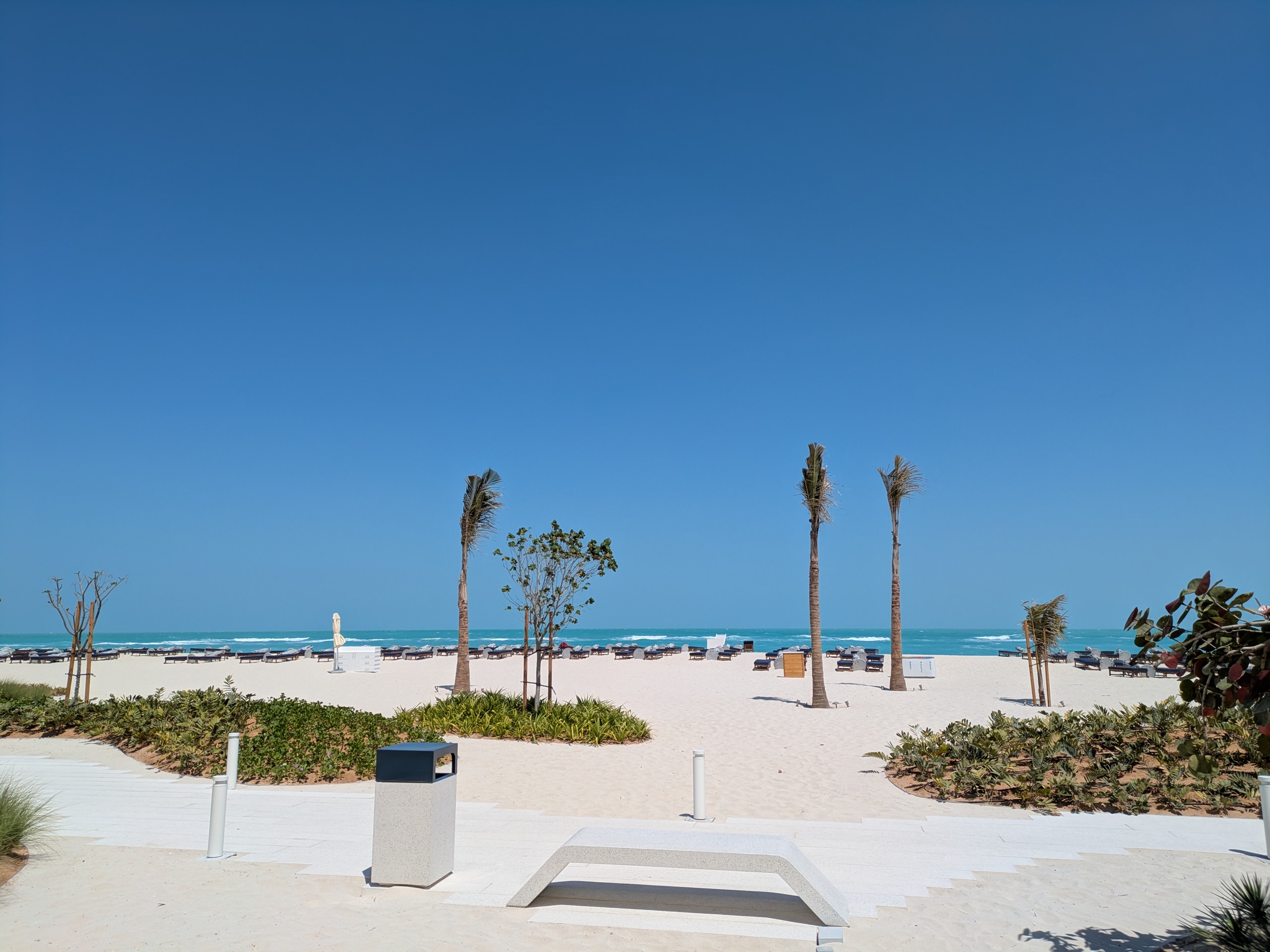
Beach and walking: The Corniche promenade is ideal for long evening walks, jogging, and low-cost exercise by the water. Abu Dhabi also promotes running routes across the city, including well-maintained tracks.
Café recommendation: Third Place Café on Corniche Road is a strong laptop-friendly choice with spacious seating, coffee, meals, and a location that works well for solo work sessions. Try a flat white and a simple cake or pastry between calls.
Best times to travel Abu Dhabi
My preferred time for Abu Dhabi is March: warm, bright, and still manageable for walking before the real heat arrives. It is also perfect as a jet-lag buffer when flying between Asia and Europe because you can sleep, move, and reset your body clock without heavy sightseeing pressure.
- Best season: November to March — pleasant temperatures, outdoor walks, beaches, museums, and cafés. March averages are often around 23°C, with daytime averages near 29°C and cooler evenings.
- Shoulder season: April and October — cheaper than peak winter at times, but already warmer.
- Low season: June to September — usually the cheapest for hotels, but extremely hot and less pleasant for walking.
- Ramadan note: Ramadan dates shift each year. It can be a beautiful cultural time to visit, but daytime eating, opening hours, and nightlife rhythms may change.
My top 10 tourist attractions in Abu Dhabi
Abu Dhabi is surprisingly easy to explore in short blocks. You can visit the Grand Mosque for sunset, the Louvre in an afternoon, and the Corniche after work without building a complicated itinerary. Public buses are cheap, but taxis save time when heat, distance, or a tight layover becomes annoying.
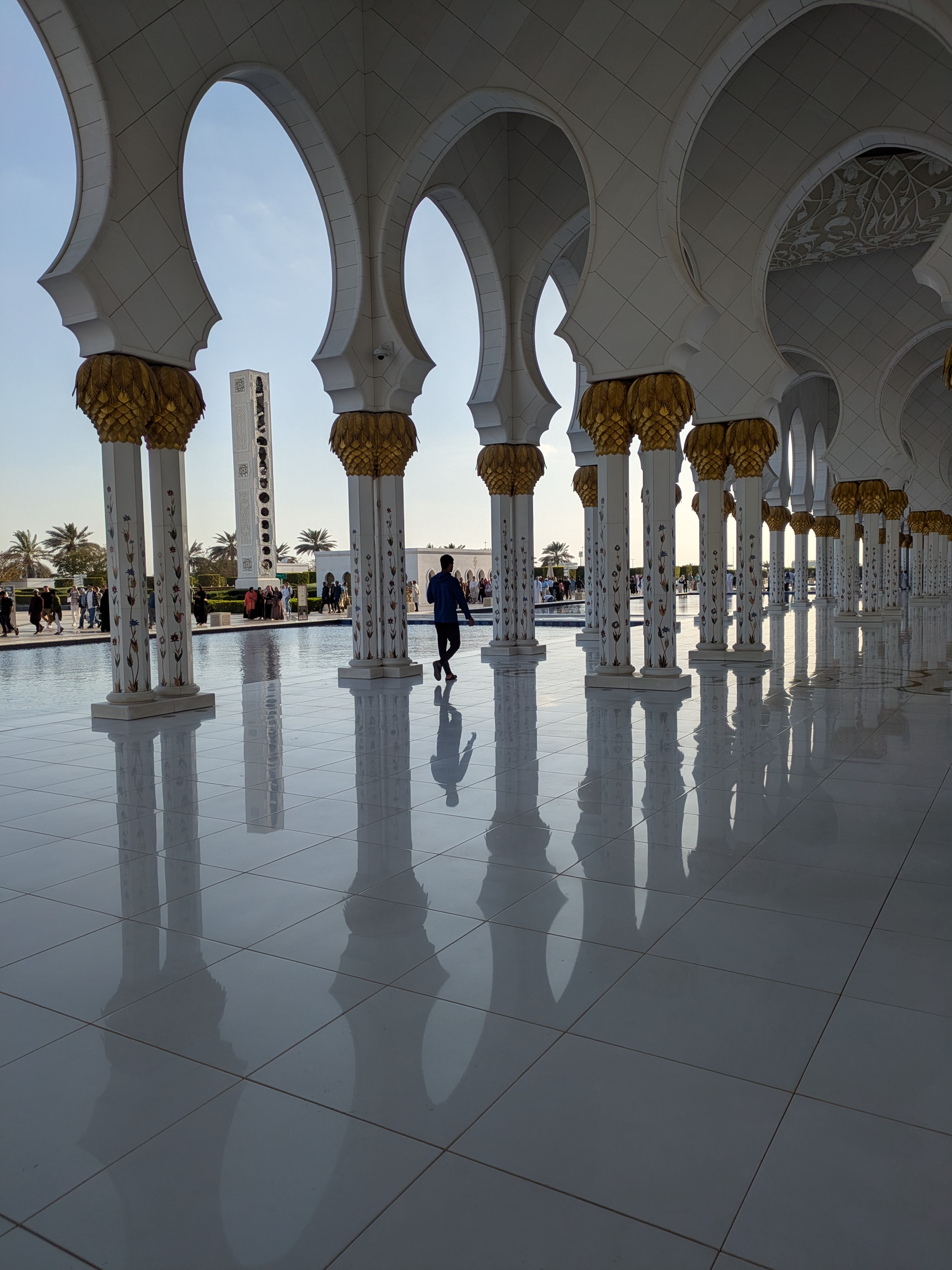
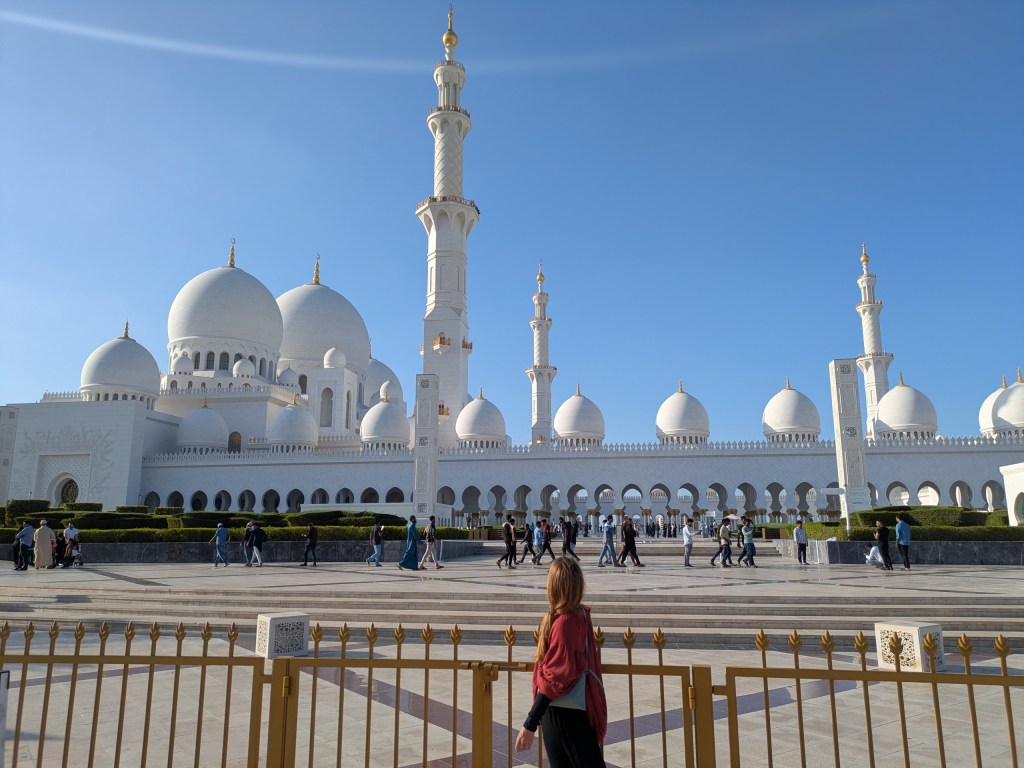
- Sheikh Zayed Grand Mosque: The most iconic sight in Abu Dhabi and especially beautiful at sunset; go from Downtown/Corniche by bus or taxi, and check current visiting hours before you leave. The official mosque site lists visitor access most days, with different Friday timings.
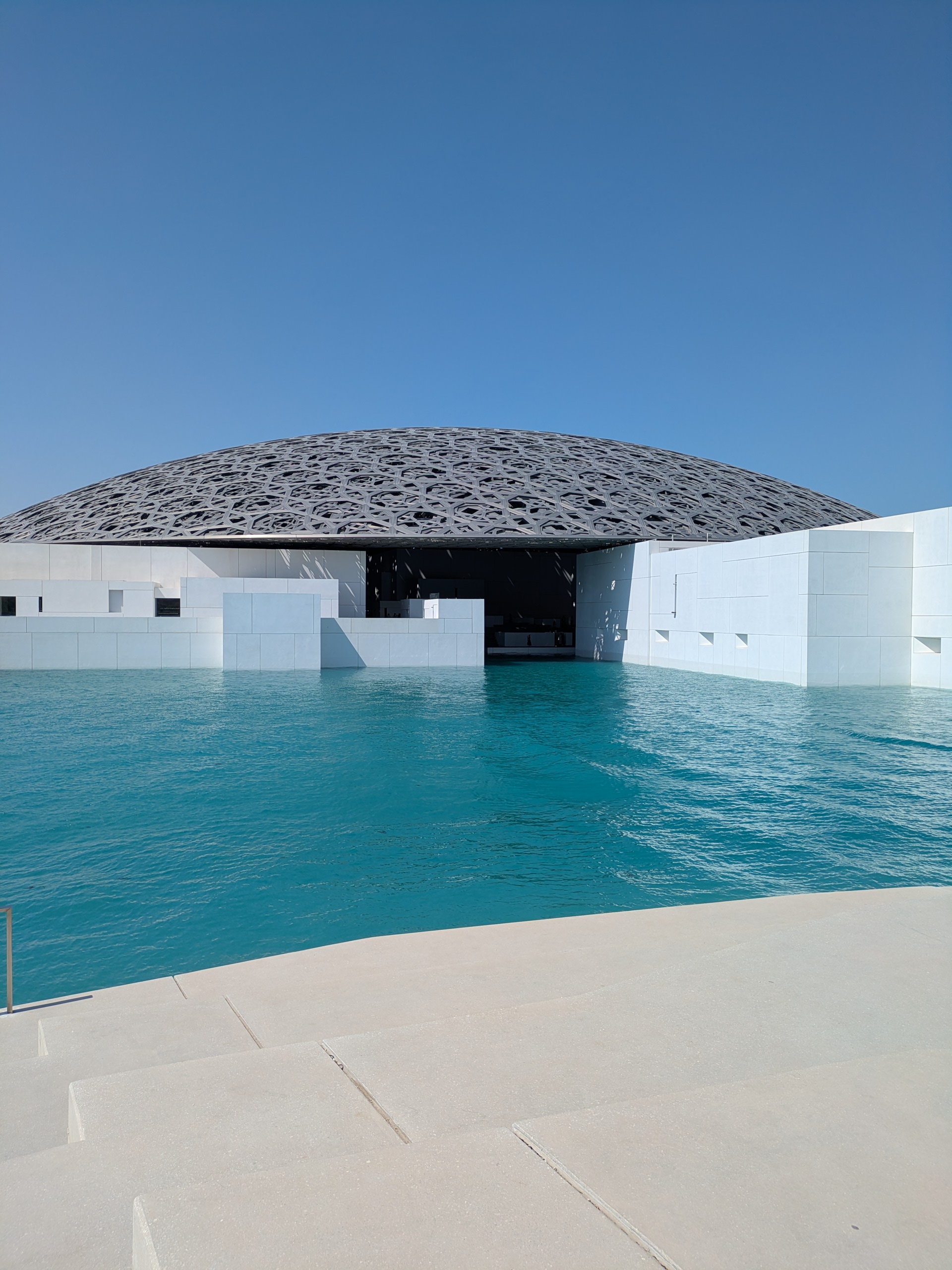
- Louvre Abu Dhabi: A calm, architectural museum experience on Saadiyat Island; best from Corniche, Saadiyat, or Reem by bus/taxi. The museum is open from 10am to midnight and closed on Mondays.
- Abu Dhabi Corniche: Ideal after work for walking, running, sunset views, and free exercise by the water; easiest from Downtown, Khalidiya, or Corniche hotels.
- Qasr Al Watan: A presidential palace with architecture, diplomacy rooms, and evening light-show options; adult tickets are listed at AED 65.
- Qasr Al Hosn: A historic fort and cultural stop in central Abu Dhabi; visit from Downtown or Khalidiya by bus or taxi.
- Saadiyat Cultural District: Best for museum lovers and architecture fans; combine it with the Louvre and cafés on Saadiyat.
- Yas Island: Good for a more polished entertainment day with theme parks, Yas Mall, and marina venues; easiest by taxi or longer bus ride.
- Mangrove National Park / Eastern Mangroves: A peaceful nature break for kayaking and birdlife; easiest by taxi, best in the morning or late afternoon.
- Emirates Palace / Mandarin Oriental area: Worth seeing for the scale and grandeur, even if only from outside or for a coffee stop; easiest from Corniche or Al Bateen.
- Al Mina / Mina Zayed area: Good for markets, snacks, and a more everyday side of the city; easiest from Downtown or Corniche.
Local secrets
- Reem Central Park at sunset: A calm alternative to tourist-heavy waterfronts. Go from Downtown by taxi or bus connection and bring a simple takeaway coffee.
- Mina Zayed food and market area: Less polished than the malls and good for cheap snacks, dates, and street-food-style eating. Go by taxi or bus from Corniche/Downtown.
- Early-morning Corniche workout: Instead of paying for a gym every day, run or walk the boulevard before breakfast. It is free, safe-feeling, and gives you the best version of the city before the heat rises.
Getting there
Abu Dhabi is easiest to reach through Zayed International Airport (AUH), the hub of Etihad Airways. It works especially well as a stopover when flying between Asia and Europe because you can split a long journey, sleep properly, and move around before continuing.
Etihad layover program: how it works
Etihad’s Abu Dhabi Stopover program offers hotel deals with up to two nights free when you book an eligible return flight connecting in Abu Dhabi. You book the flight, add the hotel stay, and receive a voucher to present at hotel check-in; Etihad notes that travel-agent bookings are not eligible and that you must be eligible for a UAE visa or have one arranged.
For budget-minded nomads, this is the main reason Abu Dhabi becomes “surprisingly affordable.” If a hotel like Ramada Abu Dhabi Corniche is available in the stopover selection, you can get a central base near the boulevard without paying normal Gulf hotel prices.
Getting around locally
- Abu Dhabi is car-oriented, but you do not need to rent a car for a short nomad stay. I would use buses for simple routes, taxis when time matters, and my feet along the Corniche.
- Buy a Hafilat smart card at the airport, bus stations, ticket machines, or listed partner locations. Abu Dhabi Mobility says the anonymous card costs AED 10, is valid for 16 years, and lets you pay by tapping on boarding and alighting.
- From the airport, use the airport bus connection into the city if your arrival time and luggage make it realistic. It is cheaper and more sustainable than a taxi, but allow extra time. For sightseeing, buses can take you to major areas including the Grand Mosque and Saadiyat/Louvre routes, but transfers may be needed.
- Taxis are widely available and useful at night, in summer heat, or when connecting between attractions. They are not the cheapest option, but for a two-day stopover they can be worth it.
- Walking is best on the Corniche, around malls, and in planned waterfront areas. Cycling is possible in specific zones, but Abu Dhabi is not a spontaneous cycling city in the way many European cities are.
- A rental car helps for desert trips, Al Ain, or remote beaches, but I would not rent one for a simple Corniche–Louvre–Grand Mosque stopover. Parking and road scale can make it less relaxing than expected.
Visa: Digital nomad Malaysia
For tourists, the UAE offers visa-on-arrival access to many nationalities, with some eligible for up to 30 days and others for up to 90 days, depending on passport. Always check your nationality before booking.
For remote workers, Abu Dhabi has a Remote Work Visa that allows eligible professionals to live in the emirate for one year without a national sponsor. The Abu Dhabi Residents Office states that applicants must work for an entity outside the UAE, work remotely, and earn at least $3,500 per month or equivalent.
Official information: Use the Abu Dhabi Residents Office Remote Work Visa page for current requirements and application details.
Local food and vegetarian options
- Falafel wraps: Cheap, filling, and widely available; one of the easiest vegetarian meals.
- Hummus, moutabal, tabbouleh: Good for light lunches with bread.
- Manakish: Flatbread with za’atar or cheese; easy breakfast or snack.
- Shawarma-style street food: Meat-heavy, but many places also have falafel or halloumi options.
- Indian vegetarian meals: Abu Dhabi’s South Asian food scene makes vegetarian eating much easier than it first appears.
- Mall food courts: Not romantic, but practical for budget meals, air conditioning, and predictable menus.
- Burger King plant-based option: Useful in a pinch, but strict vegans should verify whether the item is cooked separately and whether sauces contain animal products.
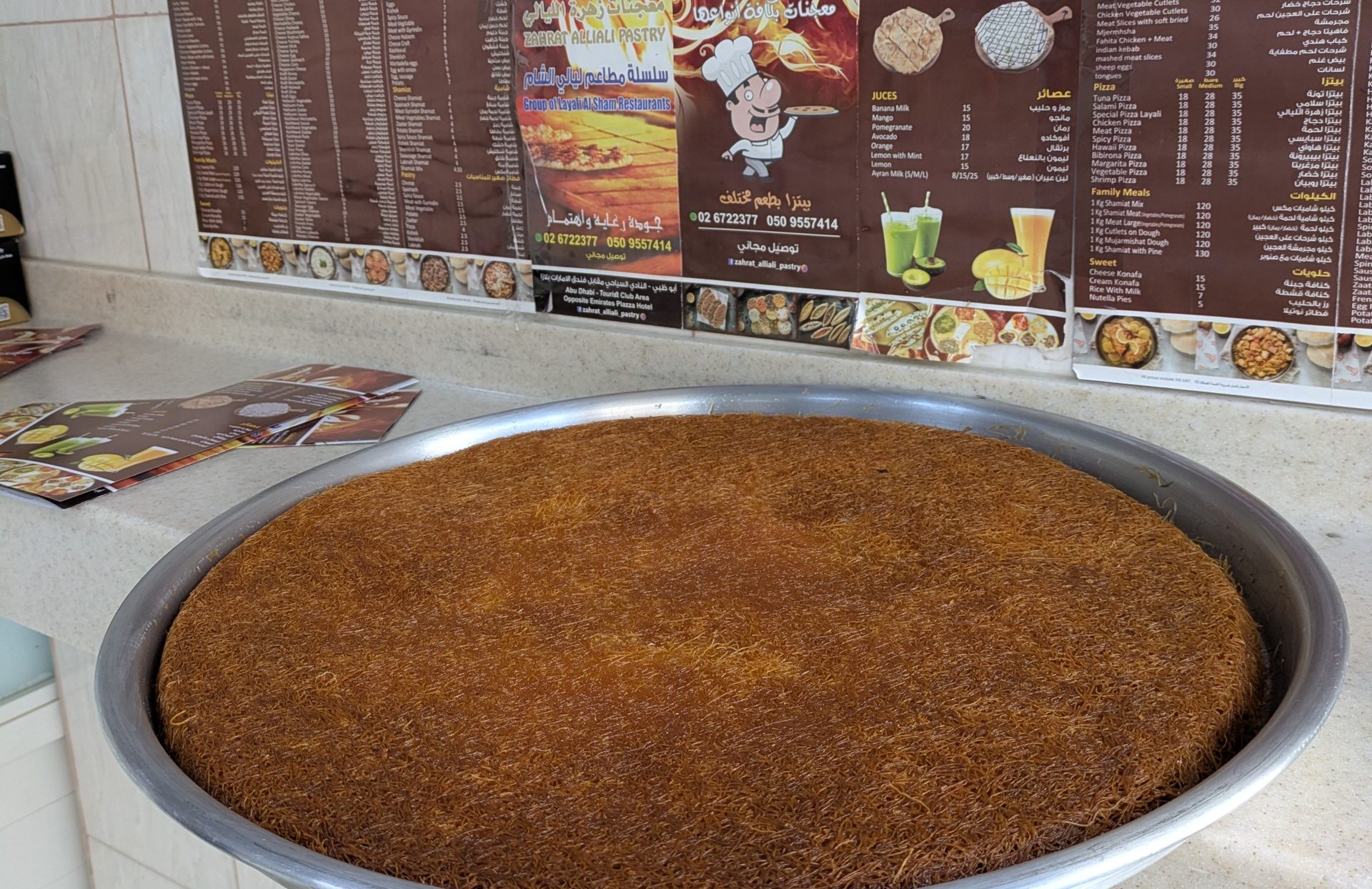
- Must-try desserts: Luqaimat with date syrup, kunafa, baklava, dates, and karak chai with something sweet on the side.
Sustainable travel in Abu Dhabi
Abu Dhabi is a high-consumption desert city, so sustainable travel here is about practical choices rather than pretending the destination is low impact. Use the bus when possible, choose central accommodation to reduce taxi rides, refill water where safe, avoid overusing hotel laundry, dress for heat instead of overcooling your room, and support local cafés rather than only international chains.
On the official tourism side, the Department of Culture and Tourism Abu Dhabi has published sustainability guidelines, hotel carbon-calculator work, and energy-audit initiatives for hotels as part of its aim to become a leading sustainable tourism destination.
For local environmental action, beach and marine cleanups are active in the emirate. Abu Dhabi City Municipality has run cleanup campaigns with Tadweer Group to remove waste from islands and beaches, and Miral with Yas SeaWorld Research & Rescue Center has organized beach cleanup initiatives to protect marine ecosystems.
My simplest sustainable Abu Dhabi routine: stay near the Corniche, use the Hafilat bus card, walk the boulevard for exercise, eat simple vegetarian meals, and make the stopover longer instead of adding another short-haul flight.
What experiences have you had in Abu Dhabi? Share them in the comments below!
Continue reading
Living the dream life on the beach, sipping mango juice, needs to be funded. Even though the cost of living in Southeast Asia is cheaper than in many Western countries, you still need to cover the travel expenses to get there.

Maybe you already have a dream destination in mind, which makes the decision easy. However, there are a few prerequisites you should check before booking your flights. I’ve summarized the most important ones here.
Not every job can be done from abroad. Even for roles that are fully computer-based, some employers still prefer their employees to work from the office. Here’s what I’ve learned along the way!
 Solo Nomad Travels
Leave a comment