Bulgaria is one of those places where I would not overplan. I would start with a few days in Sofia for cafés, walking tours and bus connections, then move to Bansko for mountain air, coworking, hiking, yoga, running and a real digital nomad community.
Key aspects for digital nomads
For me, Bulgaria works best if you want Europe, nature and community without Western European prices — but with one warning: Bansko is no longer a hidden secret, so accommodation deals require timing and local research.
- Cost of living: Sofia can work from around €1,000–€1,500/month depending on rent; Bansko can still be cheaper, often around €800–€1,000/month if you find a monthly apartment deal. Bansko Digital estimates a nomad budget of €800–€1,000/month.
- WiFi reliability: Very good in Sofia and Bansko. Bansko is built around remote workers and coworking spaces.
- Language: Bulgarian; English is common in hostels, cafés, coworking spaces and the nomad community.
- Food: Bulgarian food is hearty and cheese-heavy, but supermarkets have decent vegan basics. In Bansko, special vegan products and supplements can be expensive or limited, so bring specific brands you care about.
- Accommodation costs: Sofia hostels are good value. In Bansko, monthly rentals are best found through local Facebook groups, especially outside ski season and outside Bansko Nomad Fest.
- Getting there: Fly into Sofia. From Sofia Central Bus Station, you can reach most national and many international destinations. Sofia Municipality lists the Central Bus Station’s destinations as “All,” and GetByBus lists many domestic and international routes from Sofia. Getting around: Buses are the easiest low-cost option. Sofia to Bansko takes around 3 hours and usually costs around €15–€17.
- People: Sofia feels urban and practical; Bansko is more community-driven and easy for solo nomads.
- Gyms: Sofia has plenty. In Bansko, many nomads replace the gym with hiking, running, yoga and mountain walks.
- Visa: Bulgaria is part of Schengen rules for short stays: usually 90 days in any 180-day period for eligible travelers. Bulgaria also has a newer digital nomad residence route, but check official and consular guidance before relying on it.
- Personal recommendation: Best for nomads who want mountain life, community events, low-cost Europe, hiking, coworking and a slower pace.
Best places to live, work, and explore
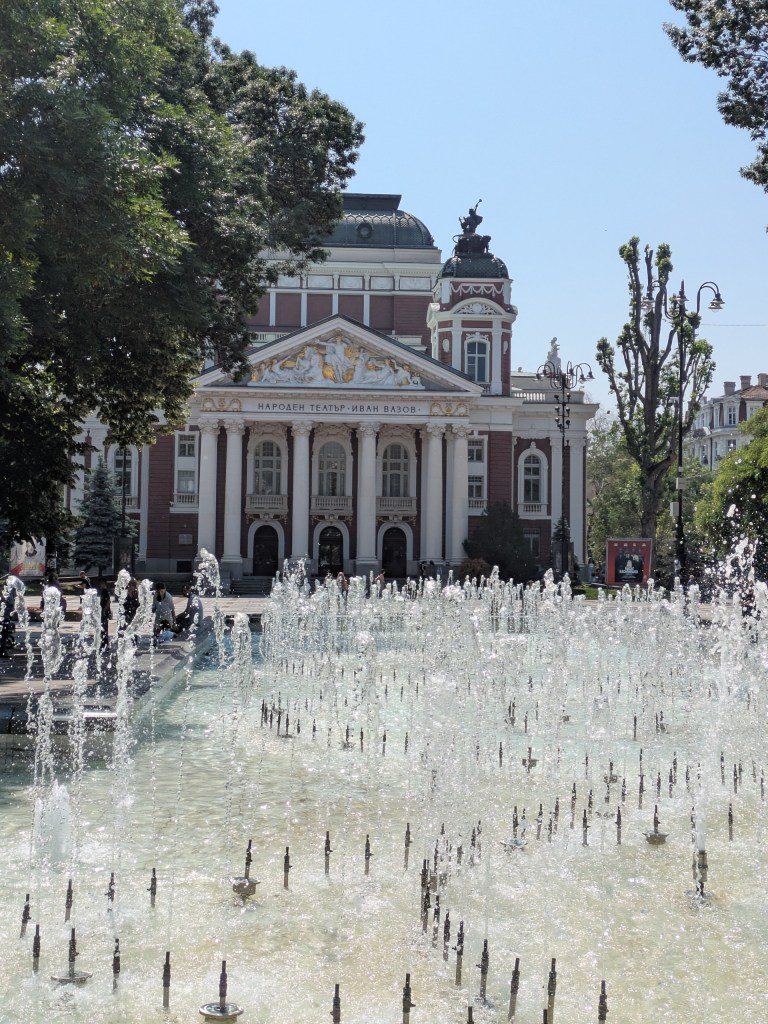
Sofia is the practical starting point: flights, buses, cafés, hostels, walking tours and enough urban life before heading into the mountains. I would stay here for two or three days, work from cafés, join the free walking tour and then take the bus to Bansko.
Working in Sofia
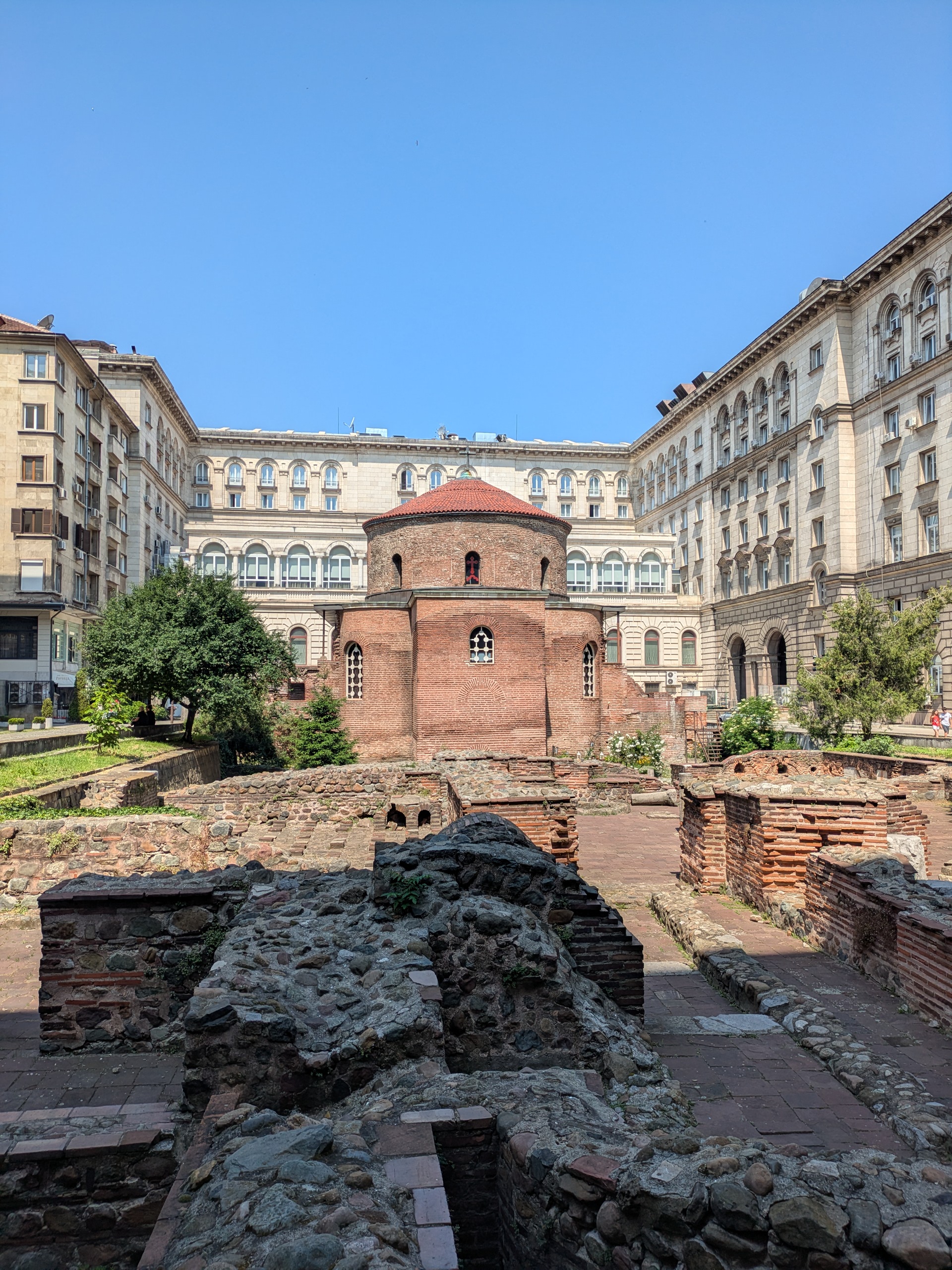
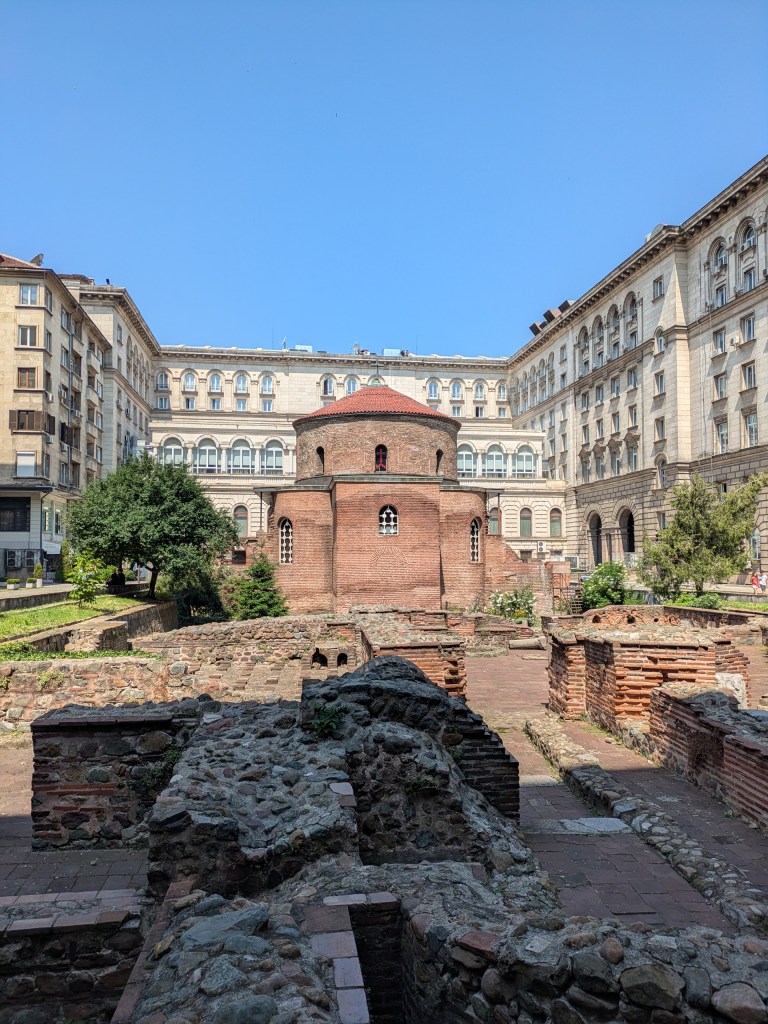
- What Sofia is known for: A mix of Orthodox churches, Roman ruins, socialist architecture, street cafés and mountain views.
- Cost level: Still affordable for an EU capital, but rents and café prices are not as low as they used to be.
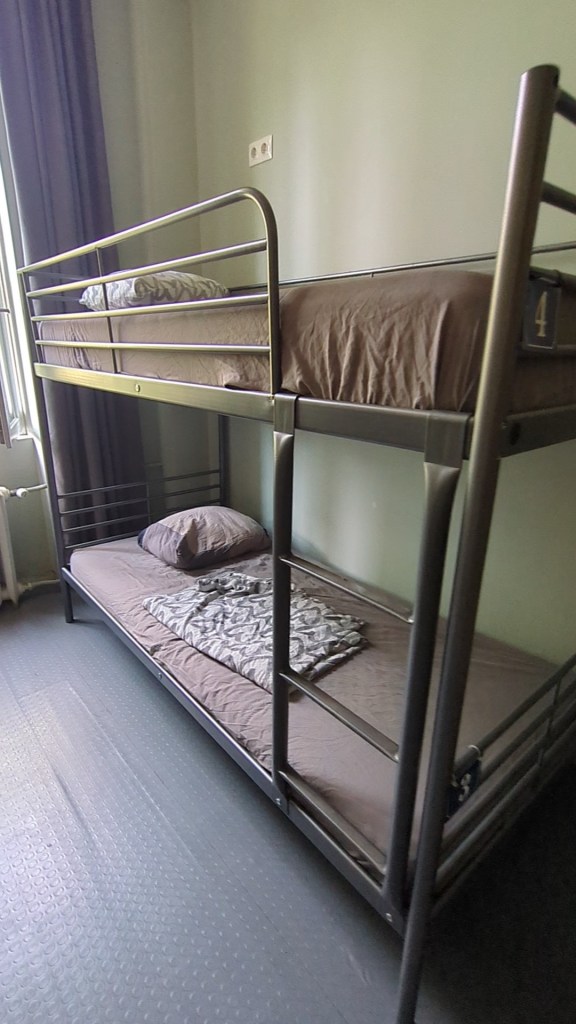
- Where to stay – if only for a few days: Bla Bla Hostel is central, social and budget-friendly, located at 11 Iskar Street in central Sofia. Shared kitchen and luggage storage make it practical for solo travelers.
- Where to work: Sofia has strong café culture. For laptop-friendly cafés, check places listed by Laptop Friendly Café and A WiFi Place before you go, because café laptop policies can change.
- Free walking tour: The Free Sofia Tour covers highlights such as Alexander Nevsky Cathedral, the National Theatre, St. George Rotunda, the Presidency and Roman heritage. It is the easiest first-day orientation.
- Getting out: Sofia Central Bus Station is the main hub for domestic and international buses. You can go to Plovdiv, Varna, Burgas, Veliko Tarnovo, Bansko, Skopje, Thessaloniki, Istanbul, Belgrade and more.
Working in Bansko
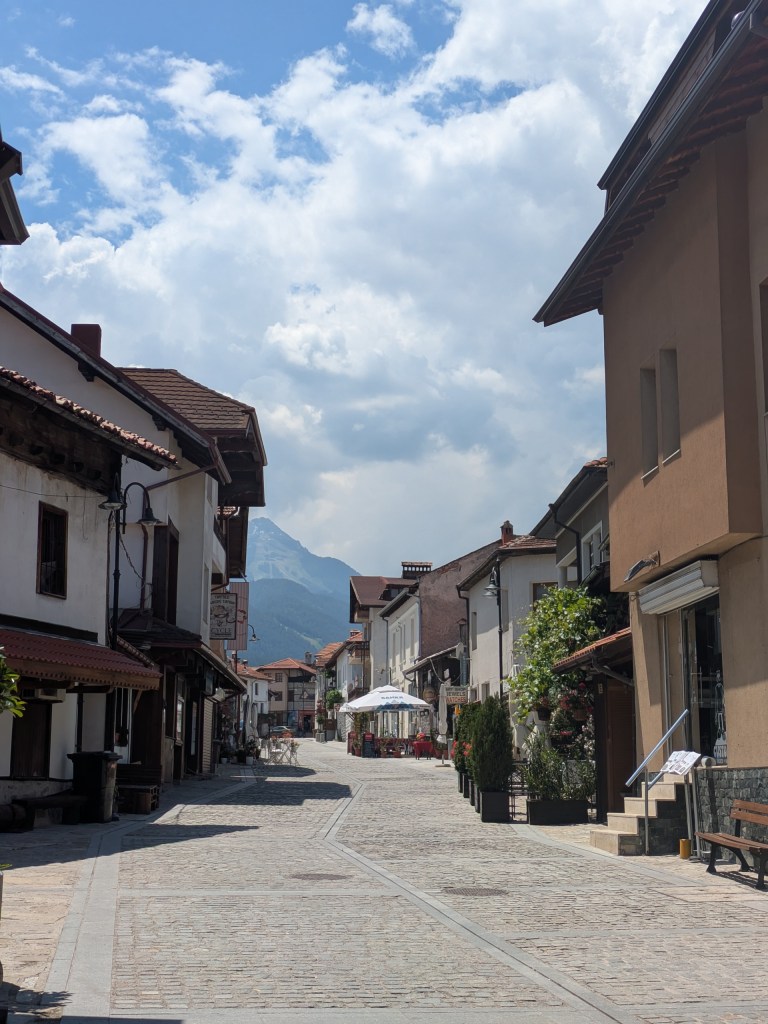
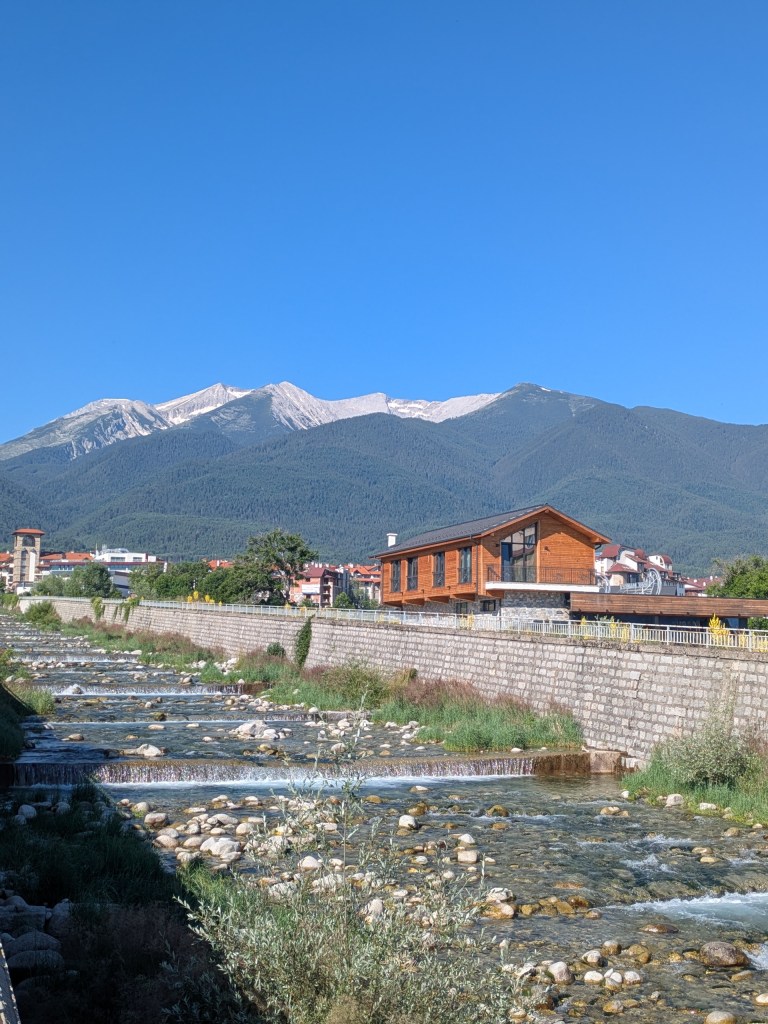
Bansko is Bulgaria’s digital nomad mountain base. It is known for skiing in winter, hiking in summer, Pirin National Park, hot springs nearby and one of Europe’s strongest small-town nomad communities.
- What Bansko is known for: A former ski town at the foot of the Pirin Mountains that has become a remote-work hub with coworking spaces, coliving, events and mountain access.
- Cost level: Still good value, but accommodation is getting more expensive. Stay for one month or longer, check local Facebook housing groups, and avoid Bansko Nomad Fest dates if you want cheaper rent.
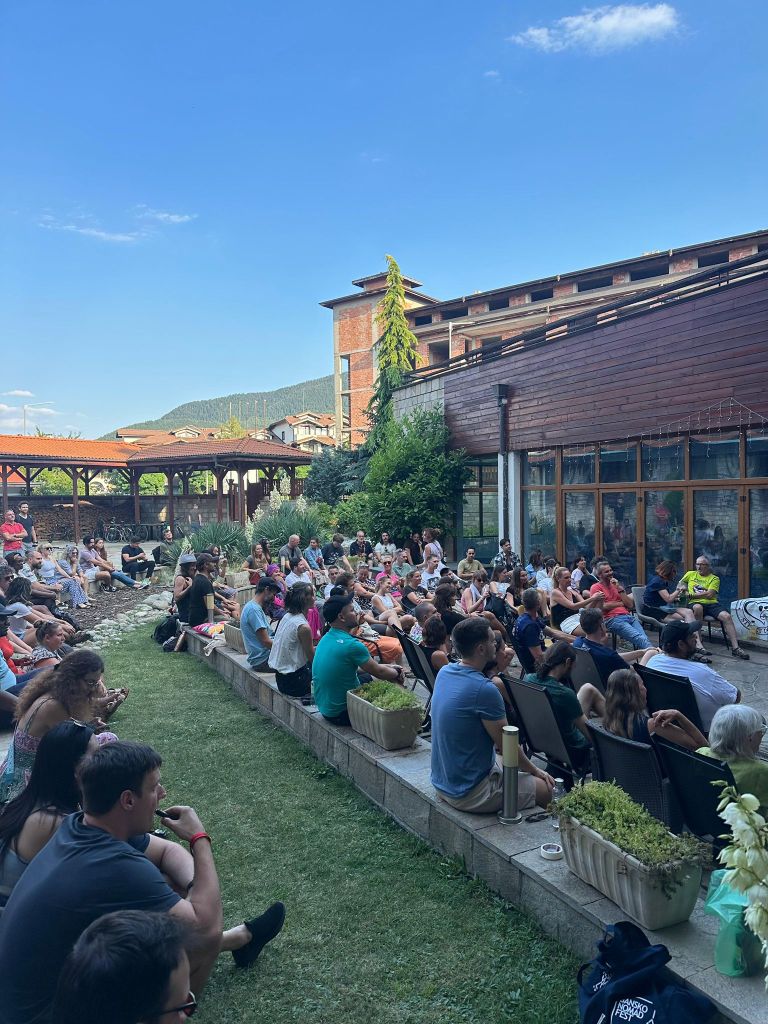
- Digital Nomad Fest:Bansko Nomad Fest is a week-long remote-work festival with talks, networking, skill shares, speed dating, karaoke, pool parties and community events. The 2026 festival runs 20–30 June 2026.
- Where to stay: I prefer the upper part of town, closer to the forest and mountain paths. It is better for morning walks, runs and quick access to nature. The lower town is more practical for buses and supermarkets.
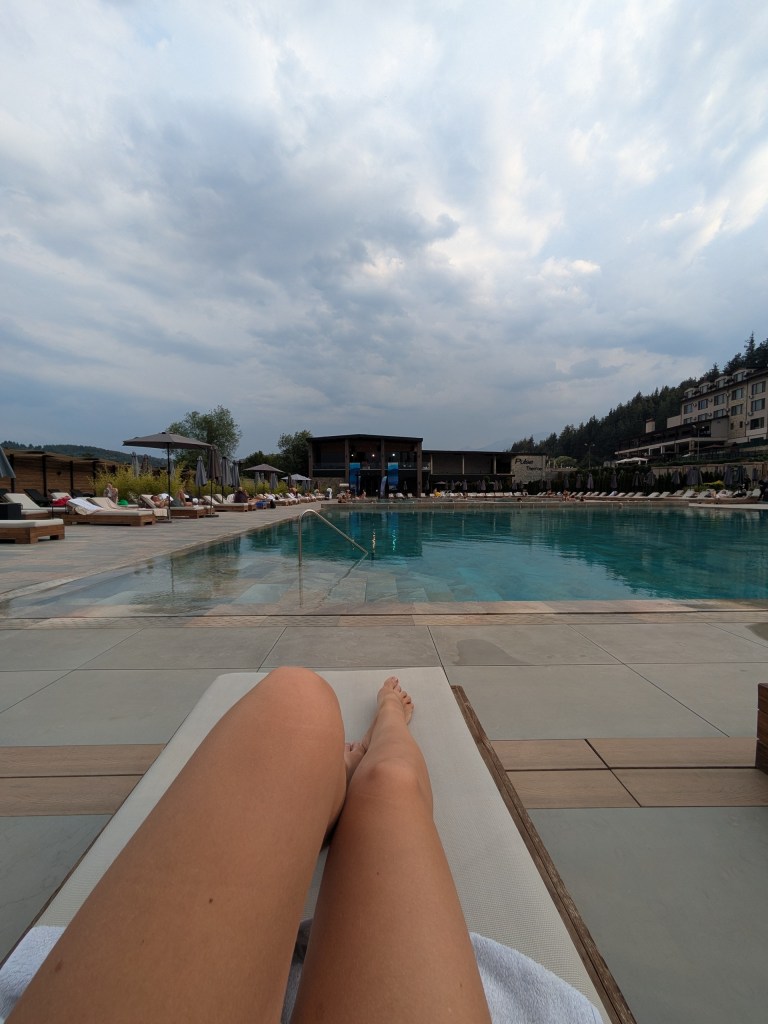
- Where to work: Bansko has multiple coworking spaces. Coworking Bansko offers WiFi 6, private rooms, a gym, pool, garden and community events.
- Community: This is the main reason to come. Expect running groups, hikes, yoga, dinners, talks, skill shares and spontaneous meetups, especially in spring, summer and festival season.
- Best routine: Work in the morning, forest walk after lunch, community event in the evening
Exploring Bansko without a car
Mountain bus to Vihren Hut
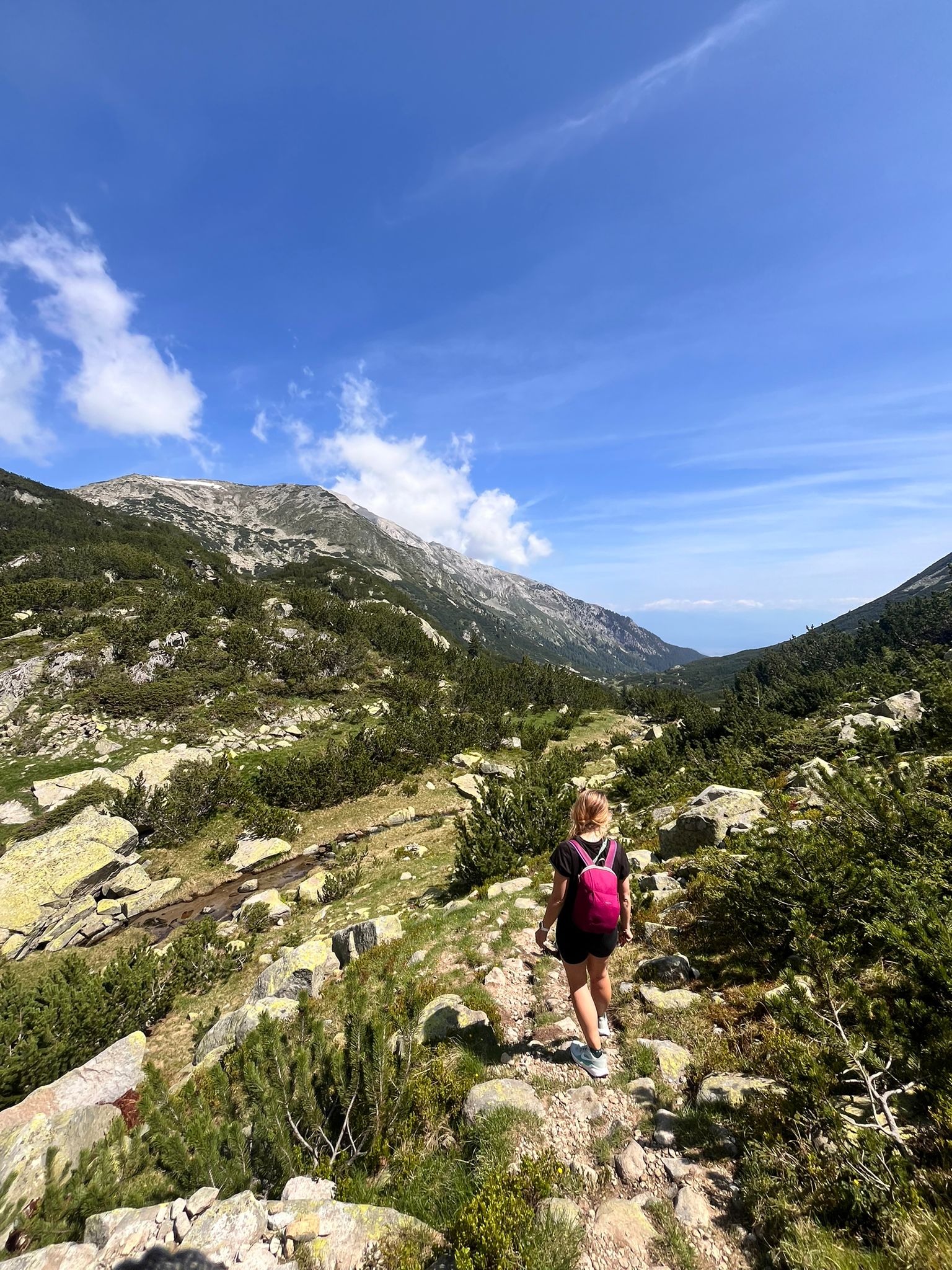
For hikes in Pirin National Park, the key access point is Vihren Hut, about 16 km uphill from Bansko. In summer, shuttle buses usually run from Bansko Bus Station to Vihren Hut, with typical departures around 08:30, 13:20 and 17:00, though schedules and prices can change by season.
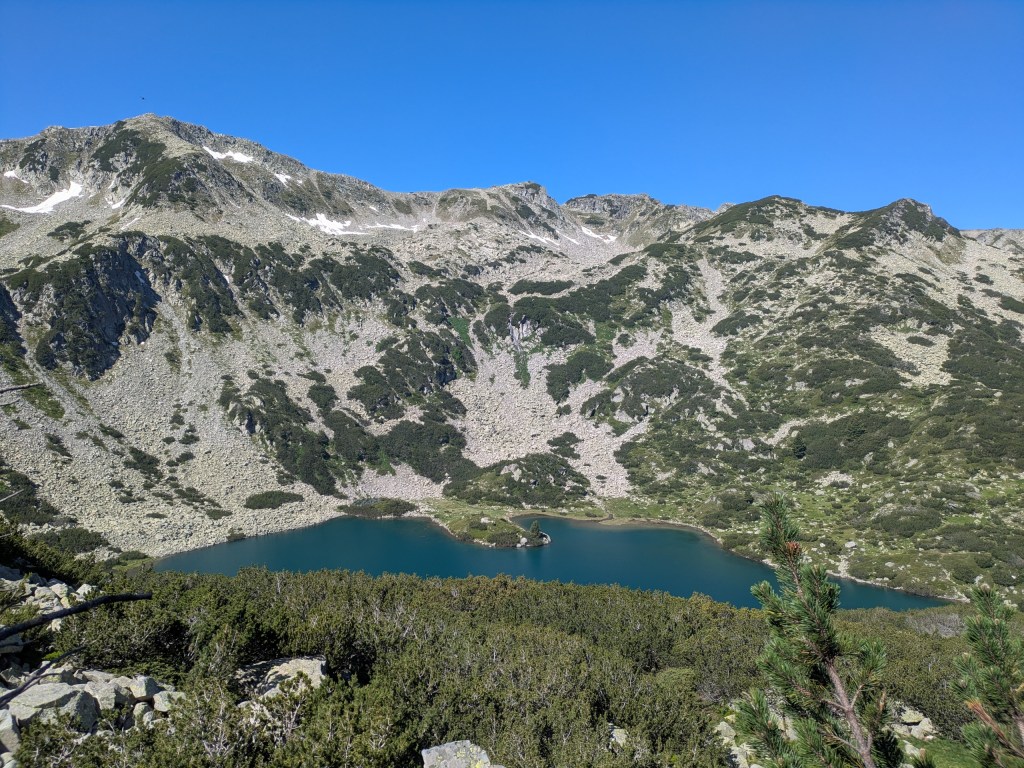
Use Komoot to check route length, elevation and difficulty before hiking. Good beginner-to-intermediate options from Vihren Hut include lake hikes around Okoto Lake, Muratovo Lake and the Banderishki Lakes area. A hiking guide notes that Vihren Hut is the easiest access point for high-alpine routes near Bansko.
Forest walks and running
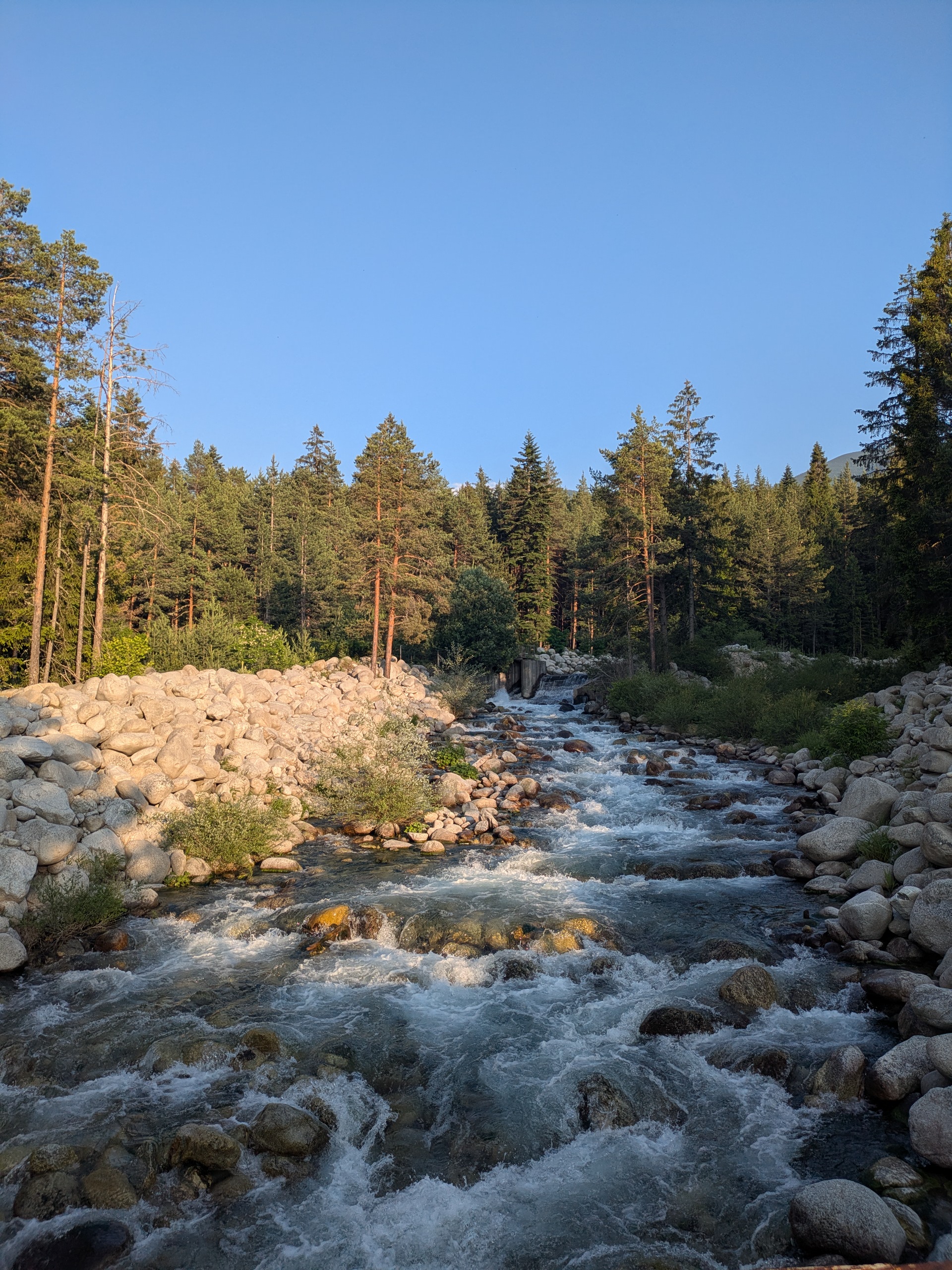
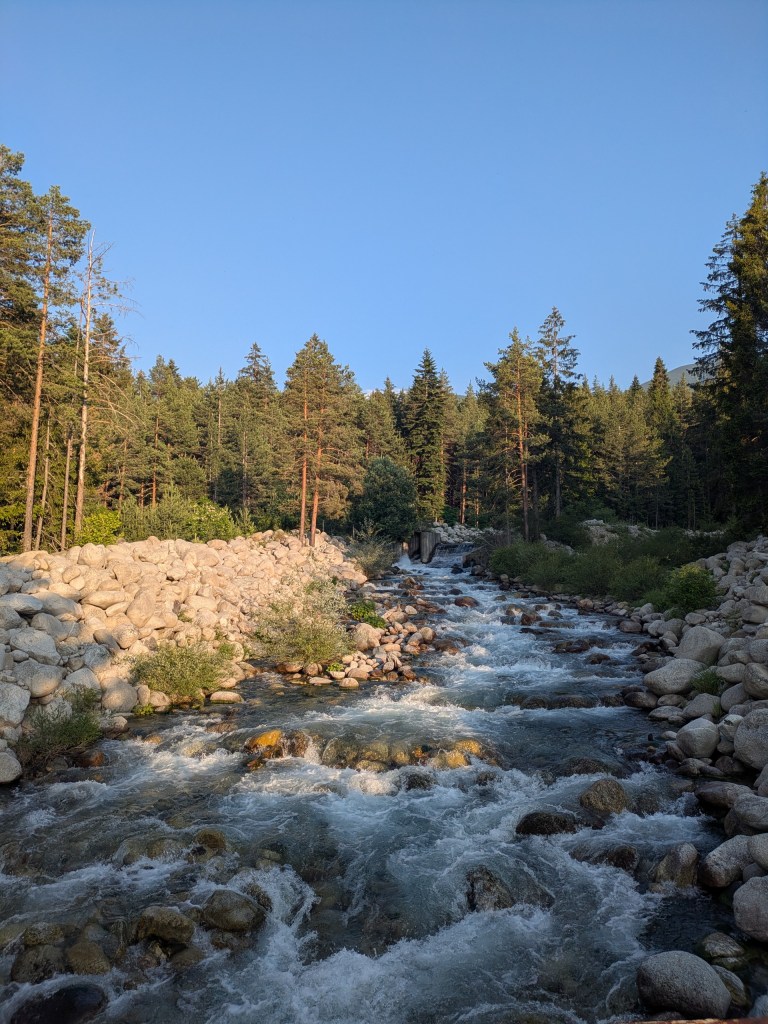
The forest above Bansko is one of the best parts of staying in the upper town. You can walk, run or hike without spending money, and it is much cooler than the town in summer.
Hot springs near Bansko
The easiest thermal spring trip is Banya, about 5 km from Bansko. There are direct buses from Bansko to Banya, taking around 25–30 minutes, with very low fares reported around $1 on route aggregators.
Banya has several thermal pool complexes and spa hotels. Bansko Adventures also notes that nearby Banya and Dobrinishte are the main hot spring areas around Bansko.
Best times to travel Bulgaria
I would choose May, June, September or early October for Bansko. You get mountain weather, hiking, community events and lower prices than peak ski season.
- Winter, December to March: Ski season. Livelier, but accommodation can be expensive.
- Spring, April to June: Good for nomads, coworking, lower prices and early hiking.
- Bansko Nomad Fest, late June: Great for meeting people, bad for cheap accommodation.
- Summer, July to August: Good hiking, warmer weather, active community.
- Autumn, September to October: Probably the best value: cooler, calmer and still beautiful.
My top 10 tourist attractions in Sofia and Bansko
You do not need a car to enjoy the mountains, but you do need to plan.
- Free Sofia Tour: Best first activity in Sofia for orientation and history.
- Sofia café hopping: Work from laptop-friendly cafés and enjoy the city’s strong coffee culture.
- Bus to Bansko: Easy, cheap and practical from Sofia Central Bus Station.
- Coworking in Bansko: Join a coworking space for community, not just WiFi.
- Bansko Nomad Fest: Go if you want networking and events; avoid it if you want lower rent.
- Run or walk in the forest: Stay in the upper part of town for easy access.
- Hike from Vihren Hut: Take the summer mountain bus from Bansko Bus Station and plan routes on Komoot.
- Thermal baths in Banya: Go by local bus or taxi for an easy recovery afternoon.
- Yoga and community events: Check coworking spaces, Facebook groups and local Telegram/WhatsApp groups once you arrive.
- Pirin mountain views: The real reason Bansko works long-term.
Getting there
Fly into Sofia Airport. From the airport, take metro or taxi into Sofia. For onward travel, Sofia Central Bus Station is the most useful hub.
Sofia has buses to major Bulgarian cities and international destinations, including Plovdiv, Varna, Burgas, Bansko, Skopje, Thessaloniki, Istanbul, Belgrade and Bucharest.
Getting around locally
- Sofia: Metro, trams, buses, walking and taxis.
- Sofia to Bansko: Bus, around 3 hours.
- Bansko town: Walkable, but hilly. Stay lower for supermarkets and buses, higher for forest access.
- Bansko hikes: Summer shuttle to Vihren Hut from Bansko Bus Station; check seasonal schedules before planning.
- Hot springs: Bus or taxi to Banya.
- Car rental: Not needed for Sofia plus Bansko, but useful for remote hikes, villages and national parks.
- My recommendation: use buses, stay longer, and avoid renting a car unless you want to explore beyond the main nomad route..
Visa: Digital nomad Bulgaria
For short stays, Bulgaria follows Schengen rules: usually 90 days in any 180-day period for visa-free travelers or Schengen visa holders. The Bulgarian Ministry of Foreign Affairs confirms that short-term stay in the Schengen area, including Bulgaria, is counted under the 90/180 rule.
Bulgaria also introduced a digital nomad residence route for non-EU remote workers. Current reporting describes a two-step process: first applying for a Type D long-stay visa at a Bulgarian consulate, then applying for residence in Bulgaria after arrival. Reported requirements include foreign-sourced remote income and annual income of at least 50 times the Bulgarian monthly minimum wage, around €31,000/year in 2026.
Use the official Bulgarian MFA visa page as your starting point and verify the digital nomad route with a Bulgarian consulate before making plans.
Local food and vegetarian options
Bulgarian food can be tricky for vegans in restaurants because many dishes include cheese, yoghurt or butter. For cooking at home, Sofia is easier than Bansko, but Bansko still works if you keep meals simple.
Helpful basics:
Eating out: Sofia has more vegan restaurants and modern cafés; Bansko has enough options but less variety.
Good vegan supermarket staples: beans, lentils, chickpeas, rice, oats, vegetables, nuts, ajvar-style spreads, hummus and bread.
In Bansko: supermarket prices can feel steep for imported or niche products.
For longer stays: consider ordering food and pantry items online if you want better prices or more choice.
Bring from home: supplements, protein powder, specific vegan products, favorite brands, specialty snacks and anything you are picky about for quality or price.
Sustainable travel in Bulgaria
Bulgaria is a strong slow-travel destination because buses are useful, mountain towns are walkable and you can stay longer without needing flights every few days.
The most sustainable Bulgaria route is simple: fly into Sofia, take the bus to Bansko, stay at least a month, walk locally, use the mountain shuttle for hikes, and support local cafés, guesthouses and small restaurants. In Pirin, stay on marked trails, do not leave trash, avoid shortcuts that damage alpine areas and check weather before hiking.
What experiences have you had in Bulgaria? Share them in the comments below!
Continue reading
Living the dream life on the beach, sipping mango juice, needs to be funded. Even though the cost of living in Southeast Asia is cheaper than in many Western countries, you still need to cover the travel expenses to get there.

Maybe you already have a dream destination in mind, which makes the decision easy. However, there are a few prerequisites you should check before booking your flights. I’ve summarized the most important ones here.
Not every job can be done from abroad. Even for roles that are fully computer-based, some employers still prefer their employees to work from the office. Here’s what I’ve learned along the way!
 Solo Nomad Travels
Leave a comment