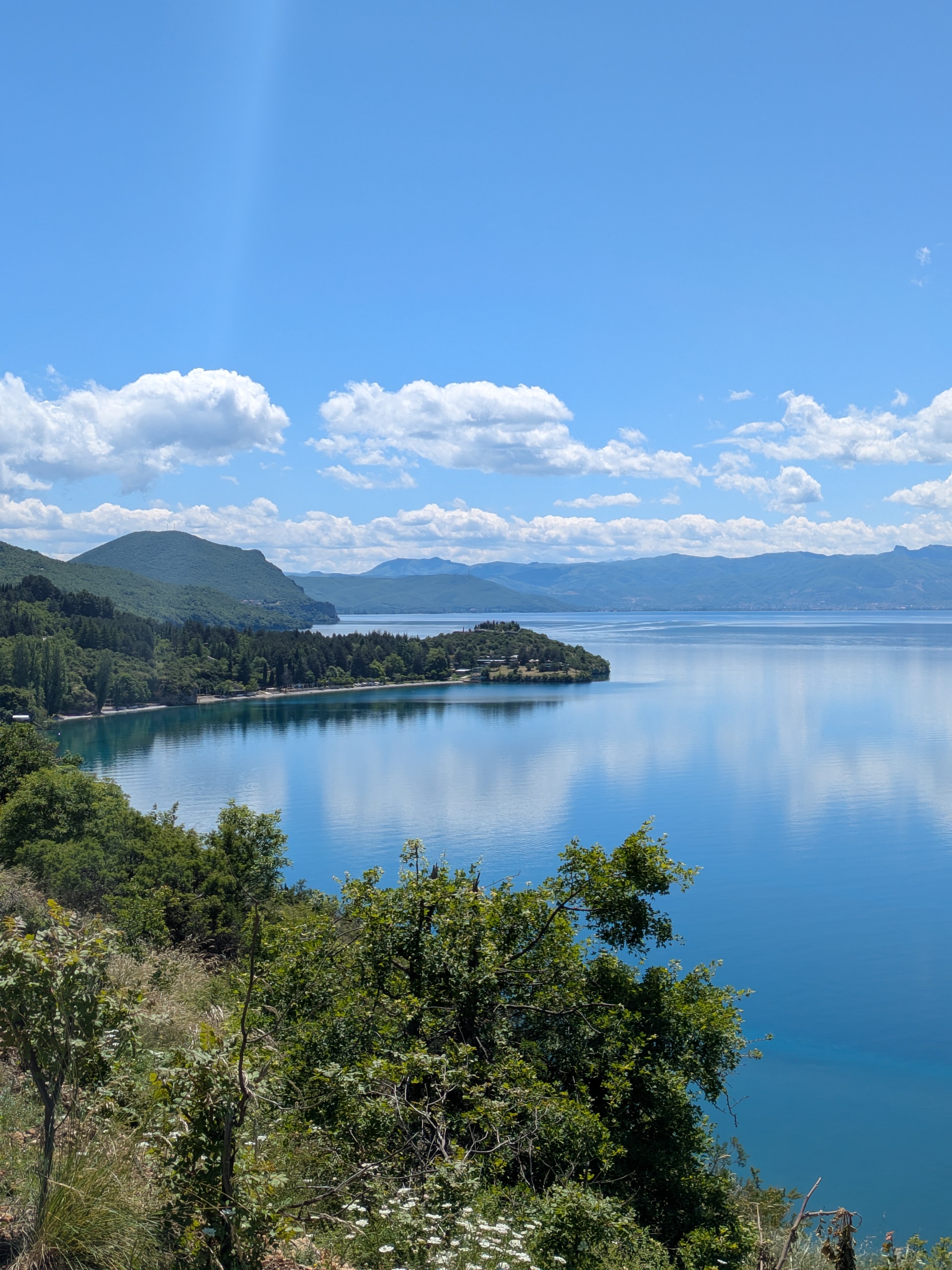
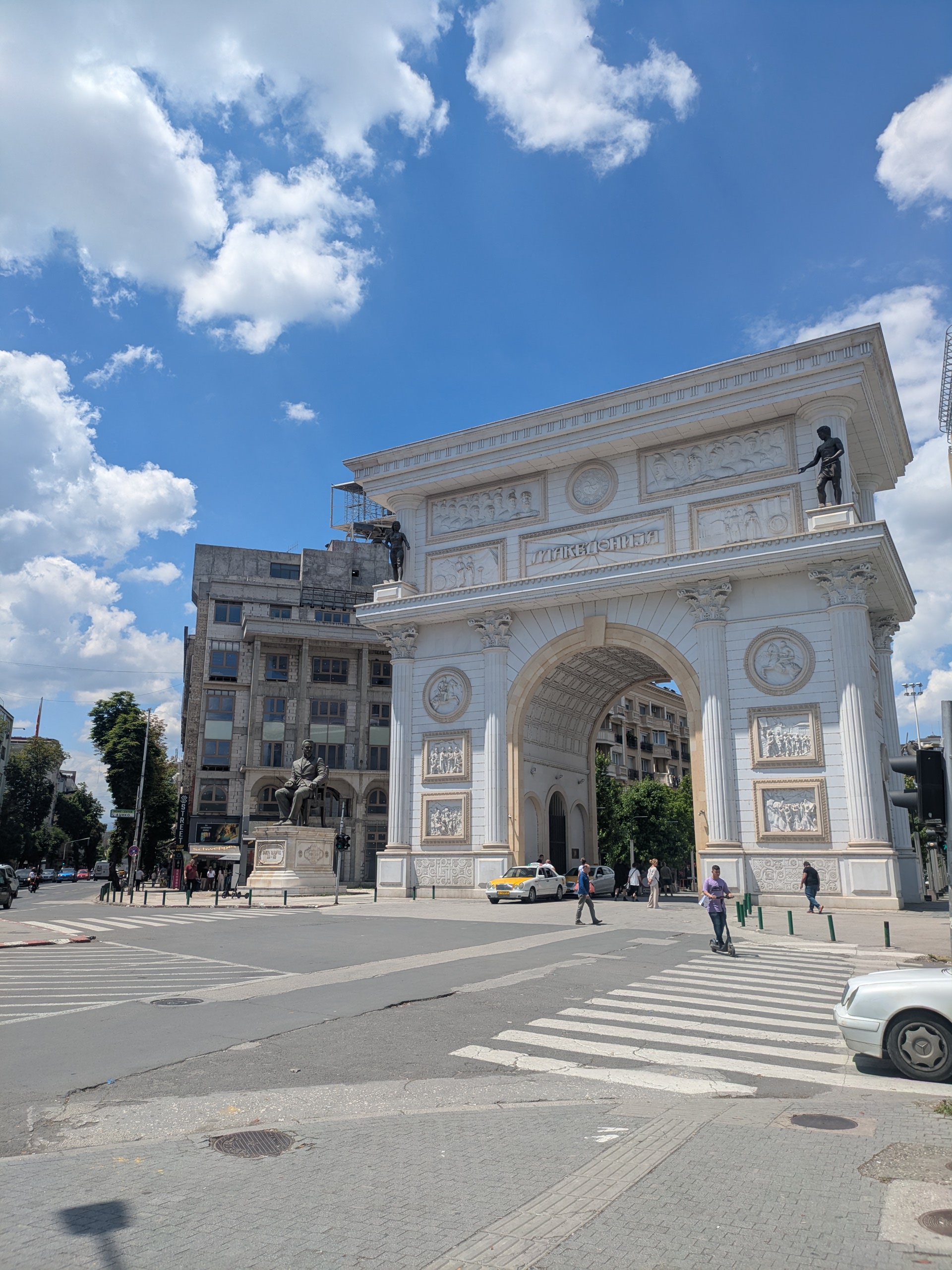
North Macedonia feels like the kind of place digital nomads still whisper about instead of overpromote. I like it because it combines lakeside mornings in Ohrid, low-cost city life in Skopje, strong café culture, and that slightly nostalgic Balkan street scene with cute old cars, apartment blocks, mountains, and grand cafés all mixed together.
Key aspects for digital nomads
For me, it is especially interesting if you want Europe without Schengen pressure, a slower rhythm, good vegan supermarket options, and a place where a laptop day can end with a lake swim, a castle ruin, or a run along the Vardar River.
- Cost of living: Around $900–$1,200 per month in Skopje on a practical nomad budget; Ohrid can be cheaper outside summer but gets more expensive in July and August.
- WiFi reliability: Usually good enough for remote work in apartments, hostels, cafés, and coworking spaces. Always ask your Airbnb host for a speed test screenshot, especially in Ohrid.
- Language: Macedonian is official; Albanian is also widely used in parts of the country. English is common among younger people, hostel staff, tour guides, and café workers in Skopje and Ohrid.
- Food: Very veggie-friendly if you like salads, beans, ajvar, grilled vegetables, pastries, hummus, and Balkan-style supermarket meals.
- Accommodation costs: Hostel dorms in Skopje can be very affordable; private Airbnb rooms or small apartments in Ohrid are usually best value outside peak lake season.
- Getting there: Most international flights arrive at Skopje International Airport. Ohrid also has an airport, but connections are more seasonal and limited.
- Getting around: Buses are the main low-cost option. The Skopje–Ohrid bus usually takes around 3 to 4 hours, depending on operator and stops.
- People: Friendly, direct, and helpful once you ask. North Macedonia feels easy for solo travelers, especially if you stay in hostels or join a walking tour.
- Gyms: Gym day passes are not always advertised online. Based on local gym costs and available reports, I would budget around $3–$8 for a basic day pass and more for premium gyms; monthly gym memberships are often around $20–$25.
- Visa: EU and Schengen-country nationals do not need a visa for short stays, and many travelers can stay up to 90 days in a 180-day period, depending on nationality.
- Personal recommendation: Ideal for budget-conscious digital nomads who like lakes, Balkan cities, independent travel, vegetarian food, low costs, and a slower travel rhythm.
Best places to live, work, and explore
North Macedonia is great for combining focused workdays with very easy low-cost exploring. I would split my time between Lake Ohrid and Skopje: Ohrid for calm mornings, lake walks, and old-town views; Skopje for hostels, cafés, vegan options, free walking tours, parks, and better transport connections.
A fun detail I loved: in one week you can work from a quiet Airbnb near Lake Ohrid, climb to a fortress after closing your laptop, take a bus to Skopje, and end up running beside the Vardar River past statues, bridges, old cars, and brutalist buildings.
Working in Ohrid
Ohrid is the lakeside base I would choose when I want quiet work, fresh air, and beautiful evening walks without spending Adriatic prices. It is cheaper and calmer outside July and August, while summer turns it into a busy lake-holiday town.
Stay in an Airbnb in the quieter part of Ohrid, on the other side of the Old Town, if you want sleep, lake walks, and a calmer daily routine. The Old Town is beautiful but hilly and busier, while the quieter side gives you more of a “local apartment and morning coffee” feeling.
Accommodation: Choose an Airbnb with a kitchen, washing machine, desk or table, and verified WiFi. For digital nomads, I would prioritize the quiet side of town over a central old-town view, because work calls and cobblestone nightlife do not always mix well.
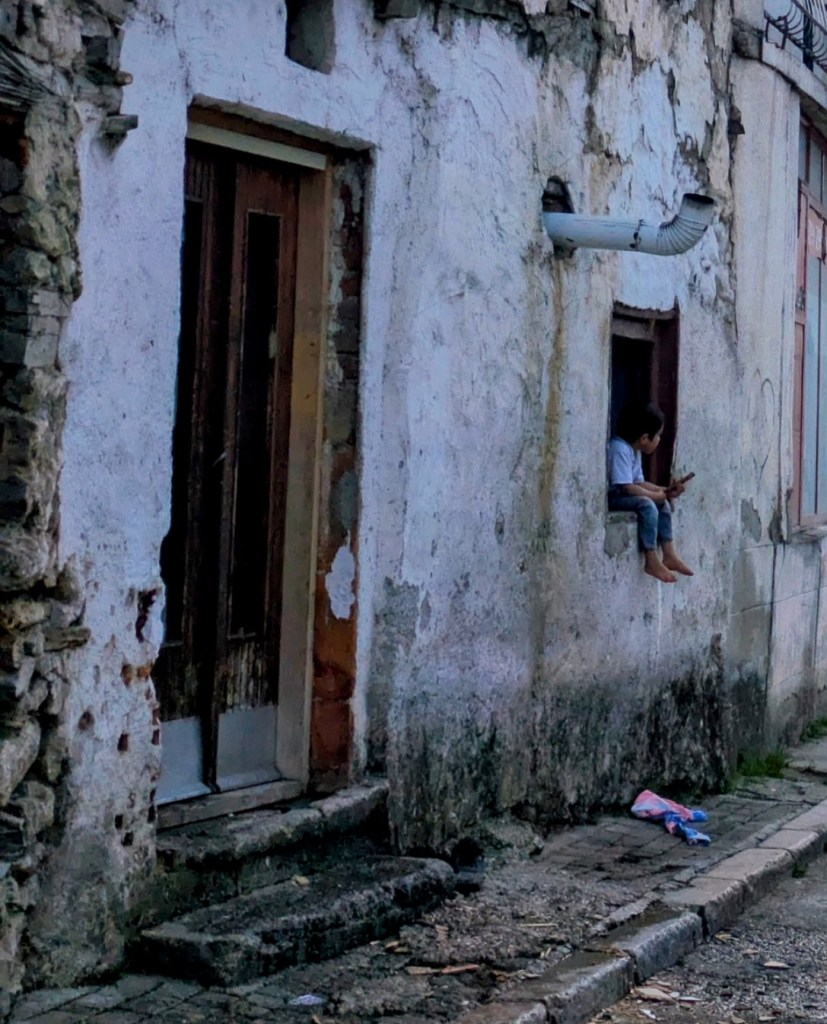
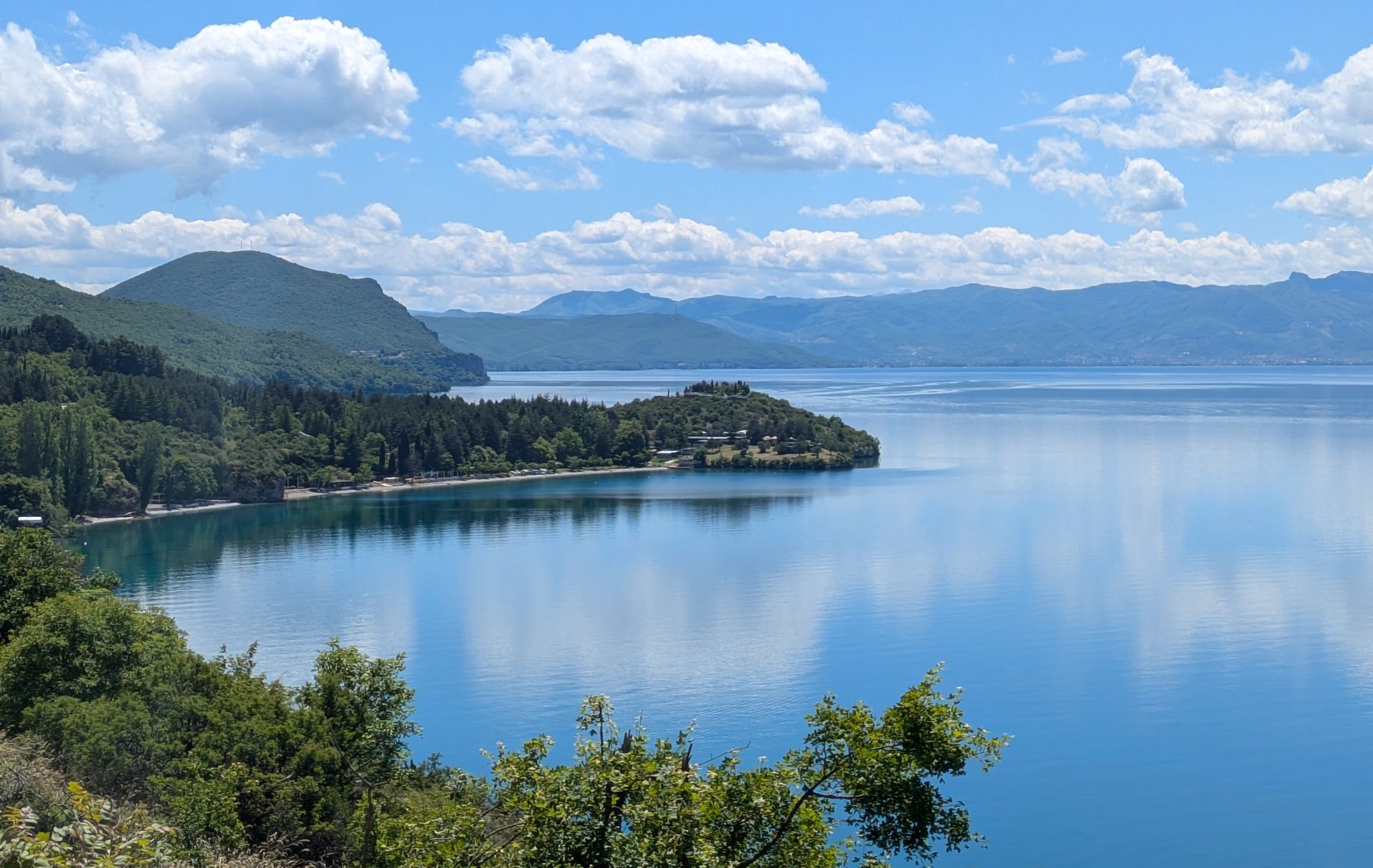
What Ohrid stands for: Ohrid is North Macedonia’s UNESCO lake town, known for Lake Ohrid, churches, cobbled lanes, Samuel’s Fortress, and one of the most atmospheric old towns in the Balkans.
Cost level: Affordable outside peak summer; prices rise around the lake in July and August.
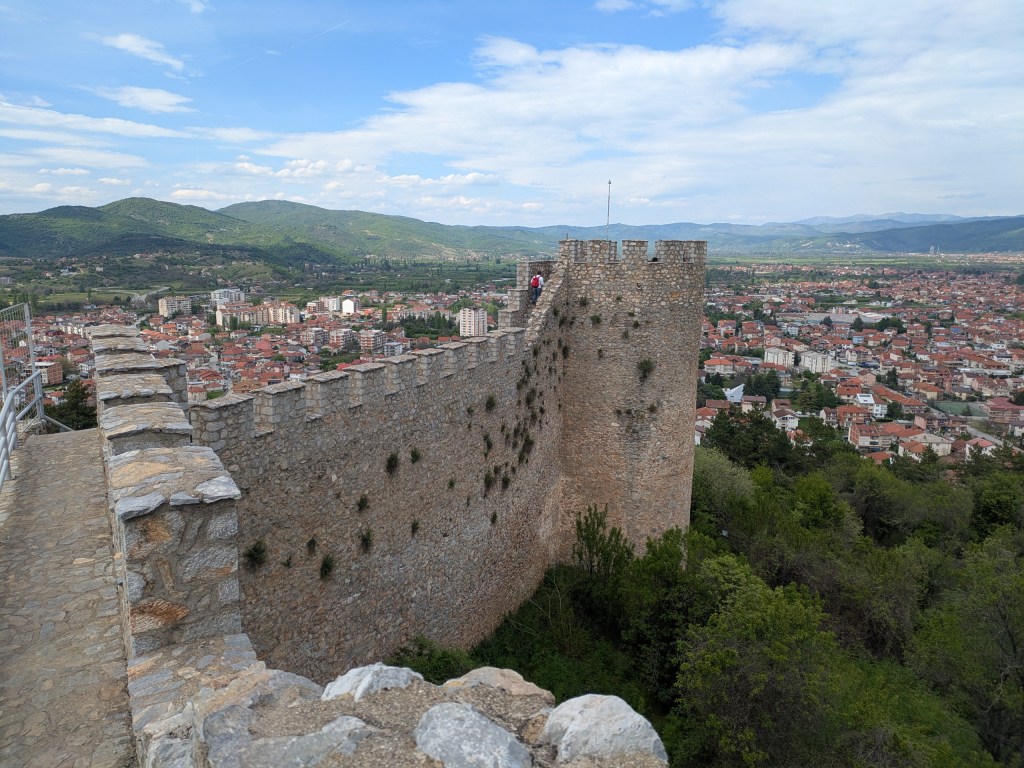
Trips from here: Visit Samuel’s Fortress and the Old Town on foot in an afternoon; the fortress sits above the town and gives panoramic views over Lake Ohrid. For a longer half-day or weekend-style trip, go to St. Naum Monastery on the southern shore by bus, taxi, boat, or organized transfer in season.
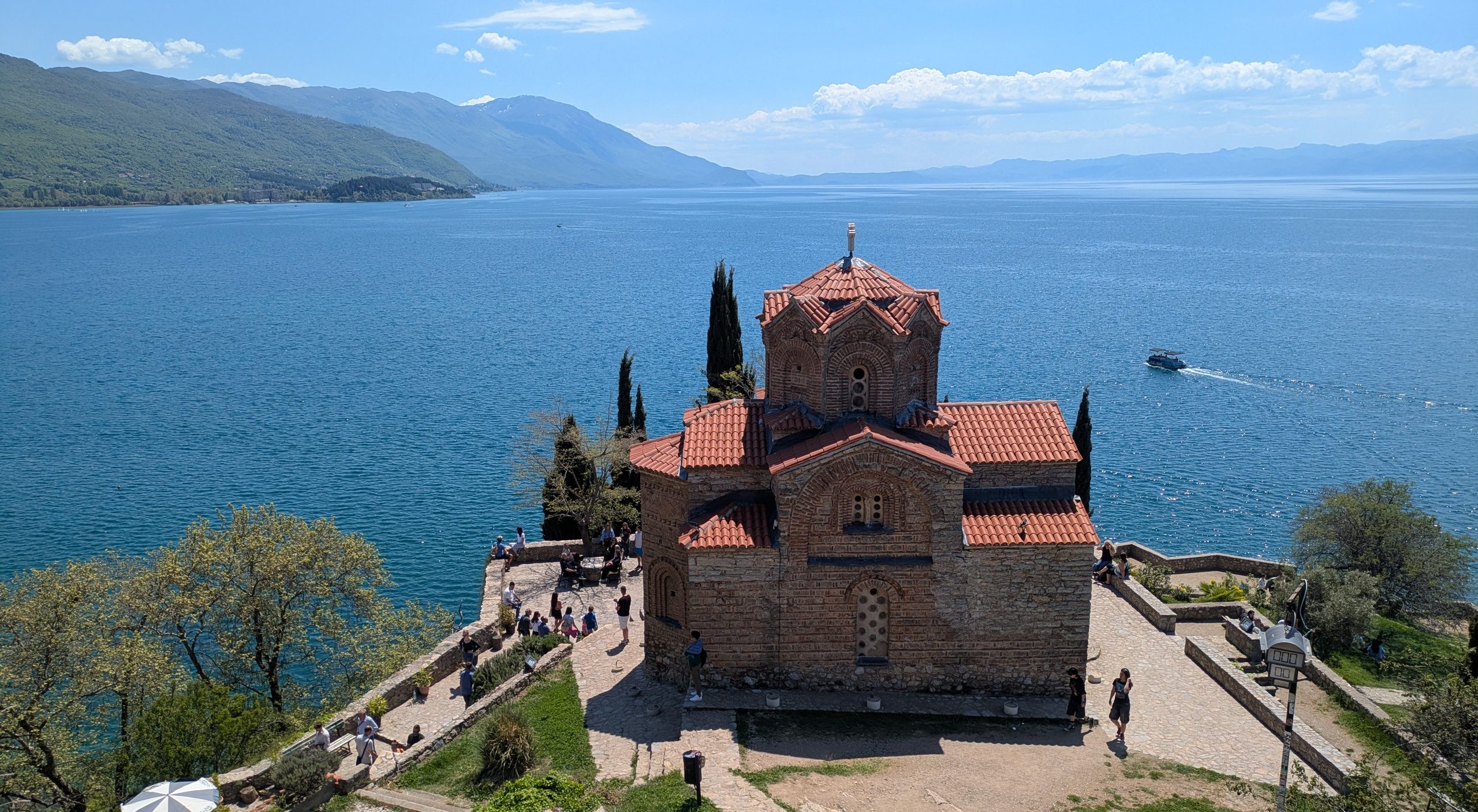
Beach and walking: Ohrid is perfect for lake walks, swimming in warm months, and slow evenings along the waterfront.
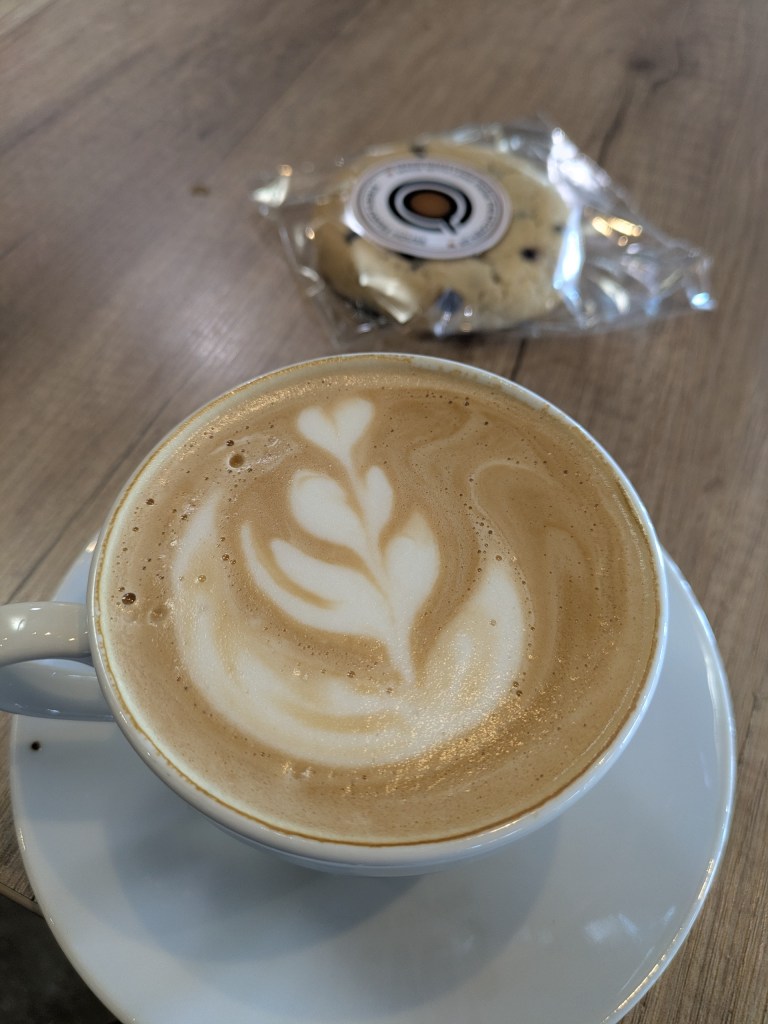
Café recommendation: Steve’s Coffee House is a practical work café choice in Ohrid: go for coffee, a calm laptop session, and a slower start before walking into the Old Town.
Working in Skopje
Skopje is the best base for transport, hostels, vegan food, cafés, dental appointments, and a more social nomad routine. It is one of the cheapest capitals in Europe for rent and food, but summer can be very hot and winter air quality can be a downside.
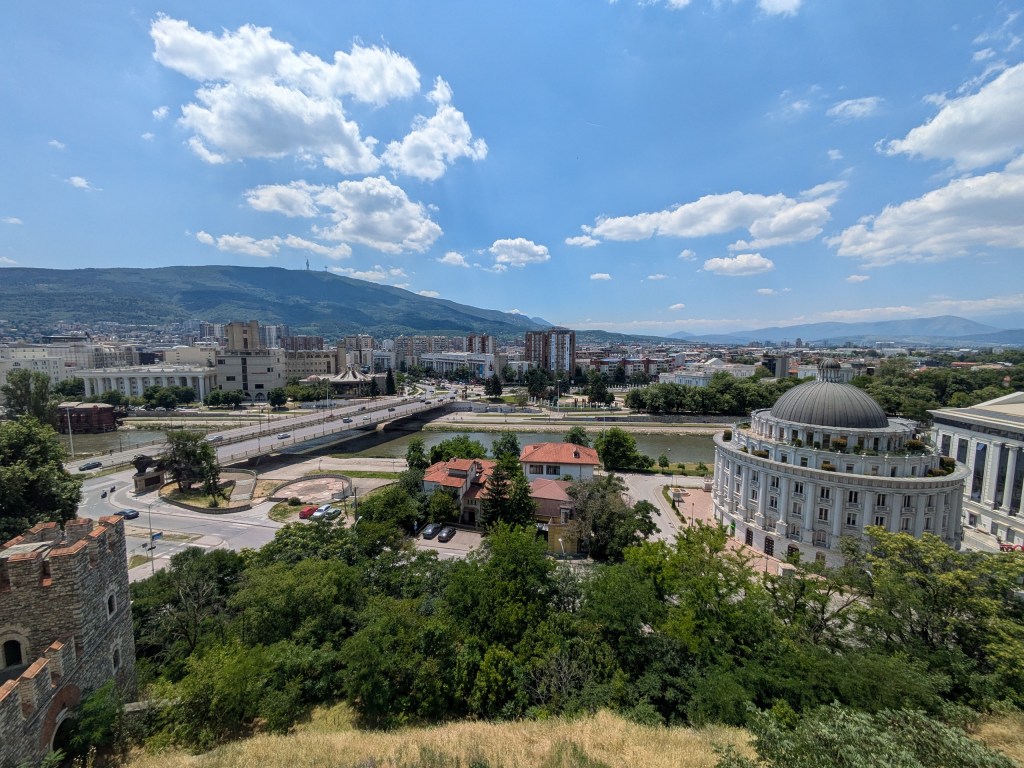
- What Skopje stands for: Skopje is a strange and interesting mix of Ottoman bazaar, brutalist architecture, riverside statues, mountain views, and modern cafés.
- Cost level: Very affordable for a European capital; central one-bedroom estimates are often far below Western European prices.
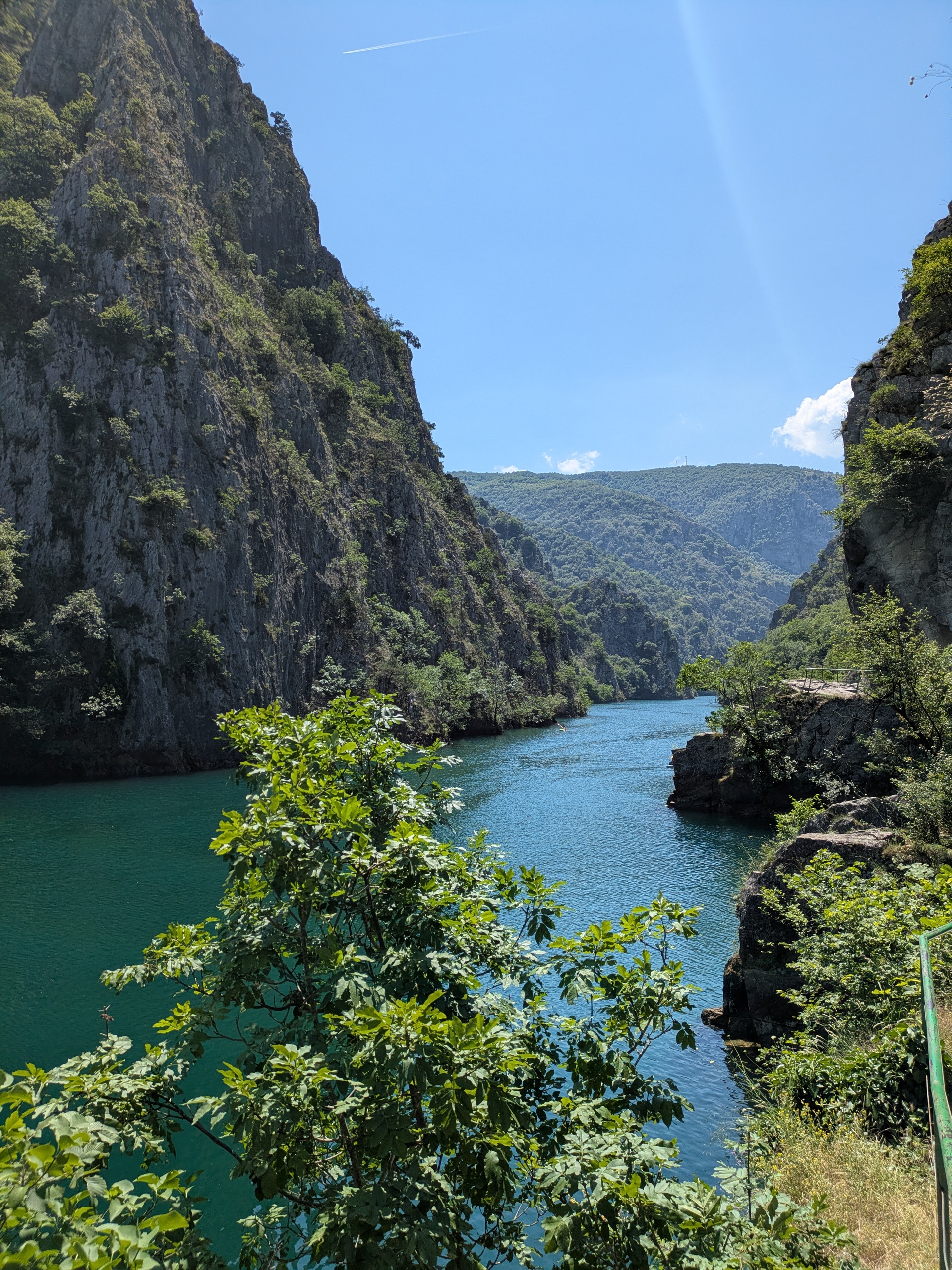
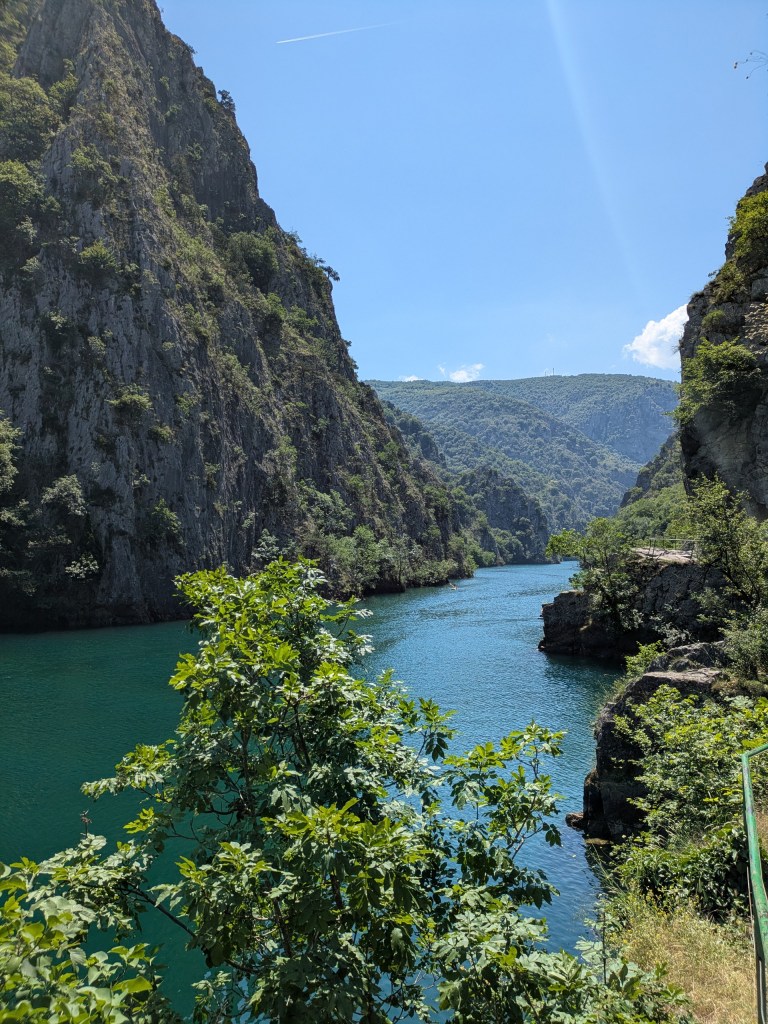
- Trips from here: Visit Matka Canyon as a half-day nature trip by bus/taxi combination, or go to Mount Vodno and the Millennium Cross for city views.
- Walk/run tip: Run or walk along the Vardar River in the morning or early evening. It is one of the easiest free routines in Skopje.
- Heat tip: When Skopje gets too hot, chill in City Park during the afternoon and move your sightseeing to early morning or sunset.
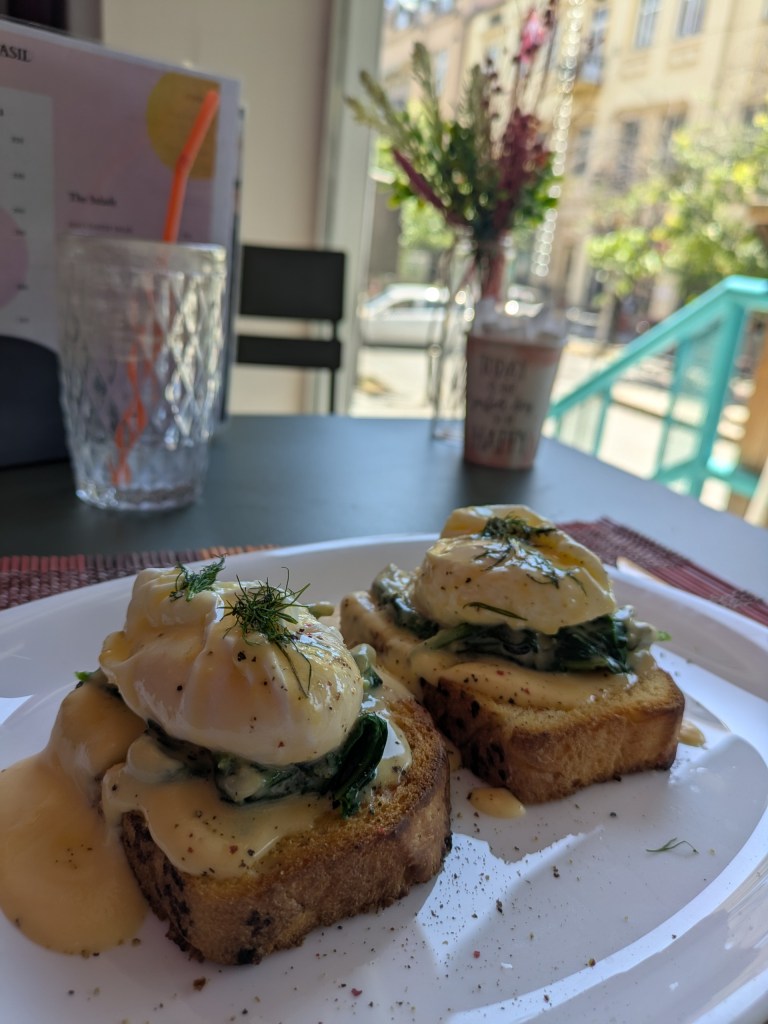
- Café recommendation: Blueberry & Basil is a good café for remote workers, brunch, and coffee; the café describes itself as relaxed and welcoming for travelers and people working remotely. Try the avocado toast or a sweet brunch plate with coffee.
- Accommodation: Get Inn Skopje Hostel works well for solo travelers because it has free WiFi, a shared kitchen, lounge/common areas, terrace, and a central location near the bus/train station.
If I had to pick one: best combination of living and working
I would personally choose Ohrid first and Skopje second: Ohrid for the lake, quiet Airbnb mornings, Steve’s Café, the Old Town, and the castle ruin; Skopje for Blueberry & Basil, Get Inn Hostel, the free walking tour, supermarkets, and better city logistics. The ideal route is simple: start slowly at Lake Ohrid, then take the bus to Skopje when you want more cafés, social energy, and transport options..
Best times to travel North Macedonia
My favorite travel window for North Macedonia would be May, June, September, or early October. You still get warm days, lake walks, and outdoor café life, but without the strongest summer heat or the highest Ohrid prices.
- Spring shoulder season: April to June — Best for hiking, Ohrid walks, Skopje sightseeing, and lower prices than midsummer.
- Peak summer: July and August — Best for swimming in Lake Ohrid, but also the busiest and most expensive time around the lake. Skopje can feel very hot, with July and August often reaching the mid-30s °C or higher.
- Autumn shoulder season: September to October — Probably the best all-round period: warm, calmer, cheaper, and still pleasant for lake time and city walks.
- Winter: November to March — Cheapest for accommodation, but cold in Skopje and Ohrid. Skopje can also have poor winter air quality, so I would not choose it for a long winter stay.
My top 10 tourist attractions in North Macedonia
North Macedonia is easy to explore in compact blocks. In Ohrid, many highlights are walkable from your Airbnb or café. In Skopje, you can see several major sights during a free walking tour, then use buses or taxis for nature trips.
- Lake Ohrid: The country’s most beautiful slow-travel base; best visited from Ohrid on foot, by boat, or by local transport along the shore.
- Ohrid Old Town: Cobblestone streets, churches, lake views, and quiet corners; best explored on foot from any Ohrid Airbnb.
- Samuel’s Fortress: A castle ruin above Ohrid with wide views over the lake; walk up from the Old Town in the afternoon or near sunset.
- Church of St. John at Kaneo: Probably the most photographed lake viewpoint in Ohrid; walk from the Old Town and combine it with the fortress.
- St. Naum Monastery: A scenic lake trip south of Ohrid; go by seasonal boat, bus, taxi, or day tour.
- Skopje Old Bazaar: Best visited from central Skopje on foot, especially during a free walking tour.
- Stone Bridge and Macedonia Square: Easy after work from Get Inn Skopje Hostel or Blueberry & Basil; walk there and continue along the river.
- Kale Fortress, Skopje: A free, central viewpoint above the city; walk from the Old Bazaar.
- Matka Canyon: A classic half-day nature escape from Skopje; go by bus/taxi combination or organized tour.
- Mount Vodno and Millennium Cross: Good for views and fresh air above Skopje; take public transport/taxi to the cable car area depending on current service.
Local secrets
- The quiet side of Ohrid: Stay away from the busiest Old Town lanes and choose an Airbnb on the calmer side of the city. You can still walk to the lake and Old Town, but your mornings feel much more local.
- Skopje’s cute old cars: Keep your camera ready on residential streets and around older neighborhoods. You will spot small Yugoslav-era cars, boxy classics, and patched-up daily drivers that give the city a nostalgic character.
- City Park in Skopje when it gets too hot: Instead of forcing sightseeing at 2pm, buy fruit or vegan snacks from the supermarket and sit in the shade until the city becomes walkable again.
Getting there
The easiest international entry point is Skopje International Airport, which has the best flight connections and onward transport options. Ohrid Airport is useful if you find a seasonal or low-cost route, but it is less flexible.
For this itinerary, I would fly into Skopje, take a bus to Ohrid for a quiet work week, then return by bus to Skopje for cafés, hostels, tours, and onward travel. Buses between Skopje and Ohrid usually take around 3 to 4 hours, and the ride is affordable and scenic.
Getting around locally
- North Macedonia is not a train-heavy country for travelers, so buses are the main low-cost transport system. It is not always perfectly smooth, but it works well enough if you stay flexible.
- Buses are the best option for Skopje–Ohrid and most intercity trips. Buy tickets at the bus station or through regional ticket platforms when available, and arrive early because schedules can change.
- Trains exist on limited routes, but they are not the most practical option for Ohrid because Ohrid has no rail station. For this itinerary, I would not plan around trains.
- Taxis are affordable compared with Western Europe, but agree on the meter or price before starting, especially around bus stations or tourist areas.
- Walking is excellent in Ohrid and central Skopje. In Skopje, the Vardar River is my favorite low-cost daily routine for walking or running. In Ohrid, the lake promenade is better than any gym when the weather is good.
- A car is useful for national parks, mountain villages, Prespa Lake, and remote viewpoints. For Ohrid plus Skopje only, buses are cheaper and more sustainable.
- I would travel by bus between Ohrid and Skopje, walk as much as possible, use taxis only for awkward connections, and skip the rental car unless I wanted to explore Pelister, Mavrovo, or remote lake areas..
Visa: Digital nomad North Macedonia
North Macedonia is attractive because it is outside the Schengen Area, which can help digital nomads manage European travel time. For many travelers, short stays are possible without a visa, often up to 90 days in a 180-day period, depending on nationality. EU and Schengen-country nationals do not need a visa for entry and can enter with a valid national ID card, according to the official Ministry of Foreign Affairs.
For longer stays, the situation is less clear than in countries with a well-branded digital nomad visa. Some 2026 visa websites describe a digital nomad or remote-work pathway, but the official Ministry of Foreign Affairs pages clearly list the standard visa categories: airport transit visa, short-stay visa, and long-stay visa for temporary residence. I would therefore treat “North Macedonia digital nomad visa” information cautiously and verify directly with the Ministry of Foreign Affairs or a Macedonian consulate before relying on it.
Official visa starting point: Use the Ministry of Foreign Affairs and Foreign Trade visa pages for current entry rules, visa types, and application procedure.
Local food and vegetarian options
- Tavče gravče: Traditional baked beans; one of the easiest vegetarian Macedonian dishes.
- Ajvar: Roasted red pepper spread; buy it in supermarkets and eat it with bread, vegetables, or simple meals.
- Shopska salad: Tomato, cucumber, onion, pepper, and cheese; ask without cheese for a vegan version.
- Zelnik and veg-burek: Pastry with cabbage, spinach, or other fillings; check whether dairy or lard is used.
- Grilled vegetables: Common in restaurants and easy to combine with bread, beans, or salads.
- Vegan supermarket tip: Skopje supermarkets such as Vero, Tinex, and KAM are useful for vegetables, legumes, plant-based staples, and simple self-catering.
- Vegan specialty tip: Skopje has more vegan-friendly venues than the rest of the country, including dedicated vegan spots and restaurants with vegan burgers, wraps, nuggets, salads, and raw bowls.
- Must-try desserts: Baklava, tulumba, lokum, and fruit from local markets. Many desserts are honey- or dairy-based, so strict vegans should ask first.
Health care tipp in North Macedonia
North Macedonia is known among some travelers for affordable private dental care, especially in Skopje. Dental tourism clinics advertise savings of 60–80% compared with some Western European prices, and Skopje has English-speaking private clinics used to international patients.
My practical advice: do not choose a dentist only because it is cheap. Check qualifications, materials used, warranty terms, X-ray availability, infection-control standards, reviews, and whether the clinic provides written treatment plans in English. For basic checkups, cleanings, or planned cosmetic work, Skopje can be a smart place to compare prices. For urgent or complex procedures, get a second opinion
What experiences have you had in North Macedonia? Share them in the comments below!
Continue reading
Living the dream life on the beach, sipping mango juice, needs to be funded. Even though the cost of living in Southeast Asia is cheaper than in many Western countries, you still need to cover the travel expenses to get there.

Maybe you already have a dream destination in mind, which makes the decision easy. However, there are a few prerequisites you should check before booking your flights. I’ve summarized the most important ones here.
Not every job can be done from abroad. Even for roles that are fully computer-based, some employers still prefer their employees to work from the office. Here’s what I’ve learned along the way!
 Solo Nomad Travels
Leave a comment