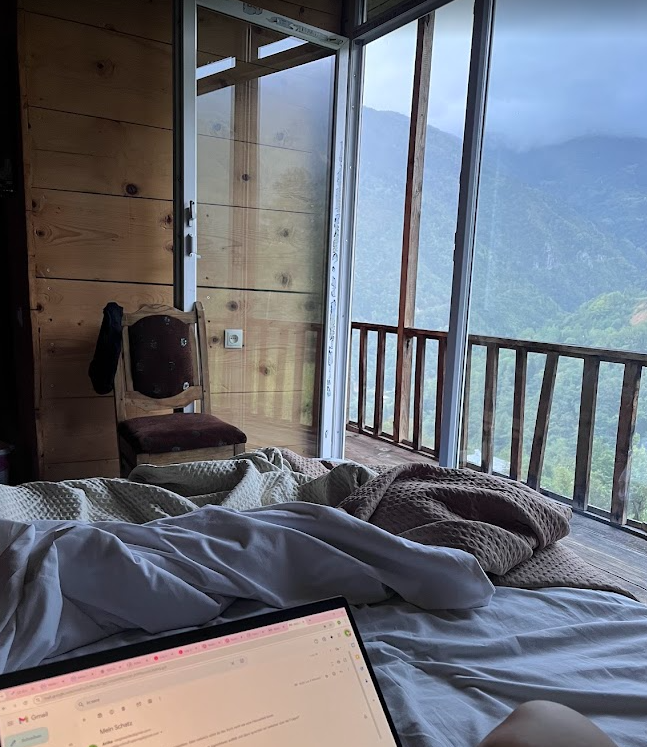
Digital nomad life sounds free, but sleep often pays the price. New beds, changing time zones, late-night work calls, noisy apartments, too much screen time and irregular routines can make the body feel permanently “almost tired, but not ready to sleep.”
Why digital nomads often sleep badly
Research on travel-related sleep disruption shows that sleep timing can take much longer to recover than people expect, especially after eastward travel and crossing several time zones. In one large study, sleep timing had still not returned to baseline after 15 days.
- Jet lag and shifting time zones: Your body clock needs stable light, meals and sleep times.
- No fixed routine: Different cities, beds and workdays make it harder to wind down.
- Work across time zones: Late client calls can push your nervous system into work mode at night.
- Too much stimulation: New places, planning, noise, social events and screens keep the brain alert.
- Unfamiliar rooms: Hostels, Airbnbs and hotels often mean new sounds, light, mattresses and temperature.
Why meditation can help
Meditation will not fix every sleep problem, but it can help with one of the biggest nomad issues: a nervous system that does not switch off. Mindfulness-based stress reduction is used for sleep disturbances, and systematic reviews have studied its effects on sleep quality and daytime impairment in adults with sleep problems.
For nomads, the biggest benefit is practical: a short guided meditation creates a repeatable evening ritual, even when the bed, city and time zone change.
App tip: 7Mind “Erholsamer Schlaf”
A useful option for German-speaking nomads is the 7Mind Präventionskurs “Erholsamer Schlaf”. The course costs 99€ once, is designed as an 8-week online course, and includes working materials, handouts, quizzes and one year of full 7Mind access with 1,000 meditations. 7Mind states that the course is certified as a preventive health measure and can be subsidized by German health insurance providers.
The course is built around 8 modules of about 60 minutes each, released weekly, with written tasks, quizzes and a sleep diary. It focuses on improving sleep quality, building routines and learning how to handle sleep difficulties preventively.
My nomad sleep routine
- A simple wind-down rule: laptop closed, phone away, 7Mind on
- Morning light within the first hour after waking
- No work calls from bed
- Same short meditation every night
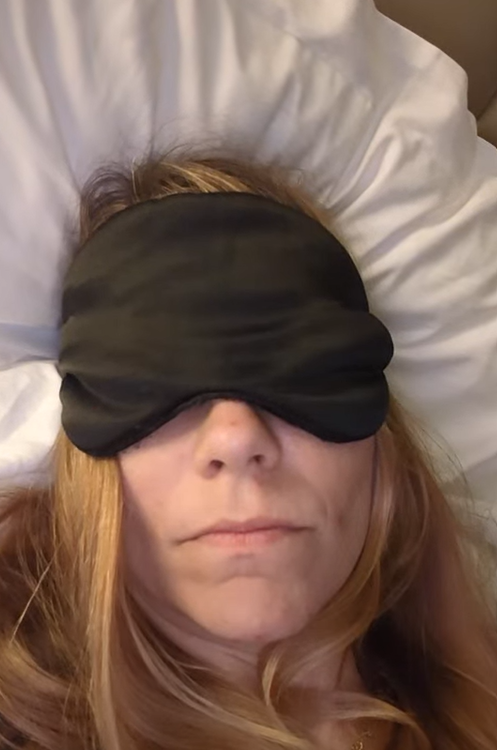
- Earplugs and sleep mask in every backpack
- Caffeine only before lunch
Final thought
For digital nomads, better sleep usually does not start with the perfect mattress. It starts with a routine that travels with you. A guided sleep course like 7Mind “Erholsamer Schlaf” can be a useful anchor when everything else keeps changing.
What experiences have you had with sleeping on the road? Share them in the comments below!
Continue reading

Living the dream life on the beach, sipping mango juice, needs to be funded. Even though the cost of living in Southeast Asia is cheaper than in many Western countries, you still need to cover the travel expenses to get there.

Maybe you already have a dream destination in mind, which makes the decision easy. However, there are a few prerequisites you should check before booking your flights. I’ve summarized the most important ones here.
Not every job can be done from abroad. Even for roles that are fully computer-based, some employers still prefer their employees to work from the office. Here’s what I’ve learned along the way!
 Solo Nomad Travels
Leave a comment