Georgia is one of the most useful digital nomad countries between Europe and Asia: generous visa rules, strong food culture, wine everywhere, mountain trips, and costs that can still be manageable.
Key aspects for digital nomads
I would come for the nature, stay for the khachapuri, and use the 1-year visa-free stay to slow down properly instead of rushing through.
- Cost of living: Around $800–$1,200/month in Tbilisi; Batumi can be cheaper, with estimates around $800–$900/month.
- WiFi reliability: Good in Tbilisi and Batumi cafés, coworking spaces and apartments. Ask for a speed test before booking rural stays.
- Language: Georgian; English is common in nomad spaces, tourist areas and younger cafés. Russian can also be useful.
- Food: Excellent, filling and vegetarian-friendly, but not always light. Wine culture is a major reason to visit.
- Accommodation: Apartments are easy in Tbilisi and Batumi. For mountains, choose guesthouses or Airbnbs with confirmed WiFi.
- Getting there: Fly into Tbilisi, Kutaisi or Batumi. Kutaisi often has budget flights.
- Getting around: Marshrutkas, trains, buses and Bolt. Mountain areas usually need patience, local drivers or guesthouse help.
- People: Warm, direct and hospitable, especially in villages once you are invited in.
- Gyms: Easy in Tbilisi and Batumi; less relevant in the mountains.
- Visa: Citizens of many countries can stay visa-free for up to 365 days. Georgia grants this to citizens of 98 countries, including many EU countries, the UK, USA, Canada, Australia and New Zealand.
- Best for: Nomads who want food, wine, nature, long stays, affordable bases and a mix of city and mountain life.
Best places to live, work, and explore
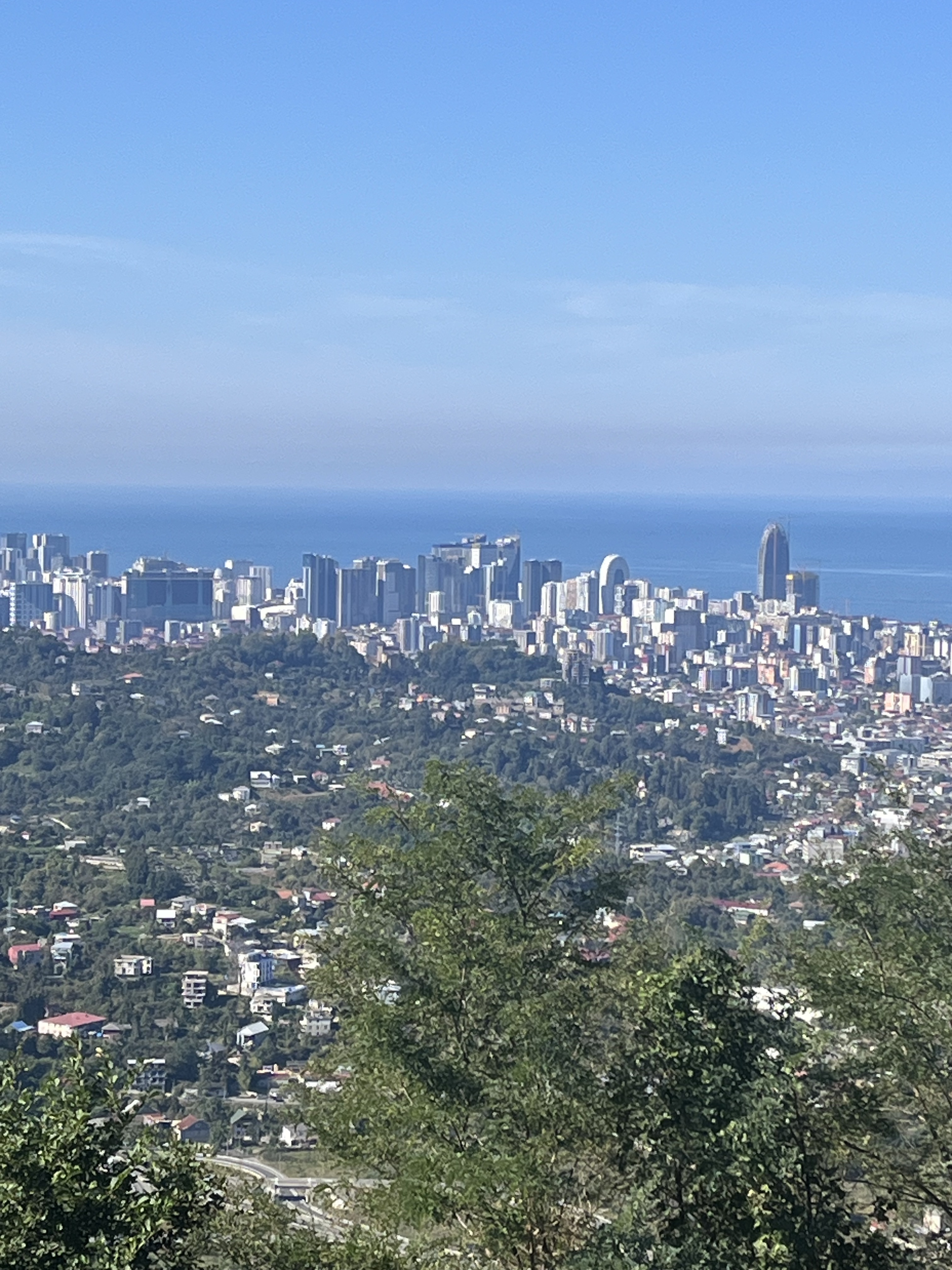
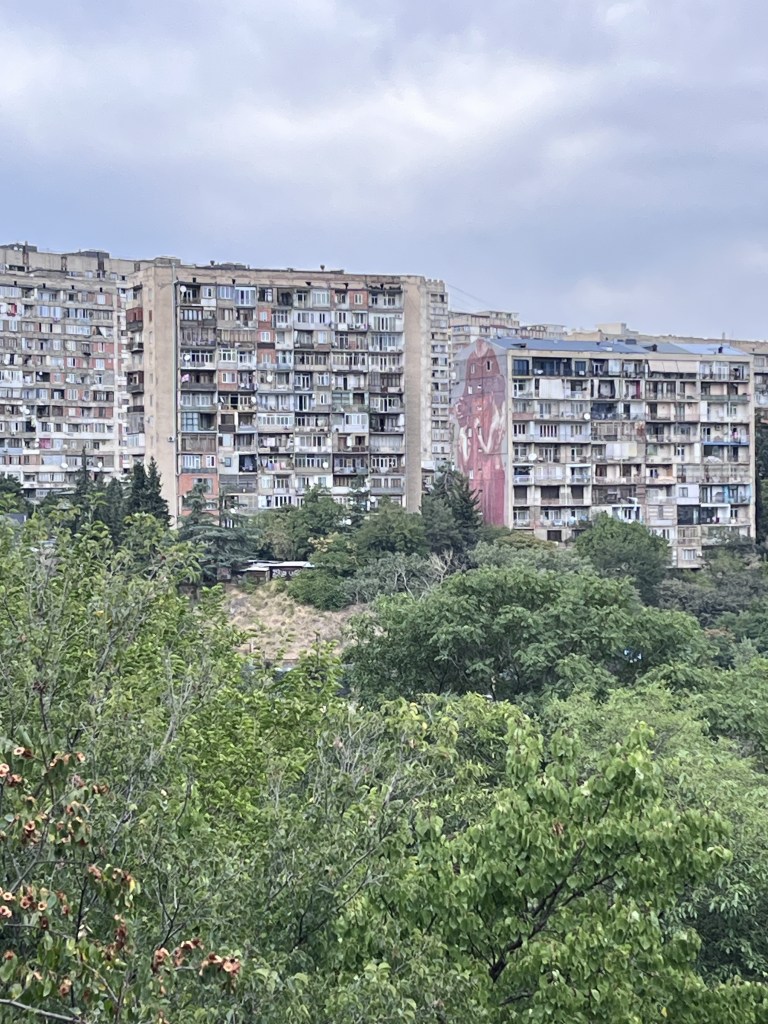
Tbilisi is the best all-round base: cafés, coworking, nightlife, wine bars, apartments, expats, and easy onward travel. Batumi is cheaper, stranger and more relaxed than Tbilisi. It can feel hectic and gray, with high-rises, traffic and rainy weather, but the long seaside boulevard makes it surprisingly livable.
Best places to live, work, and party
Working in Tbilisi
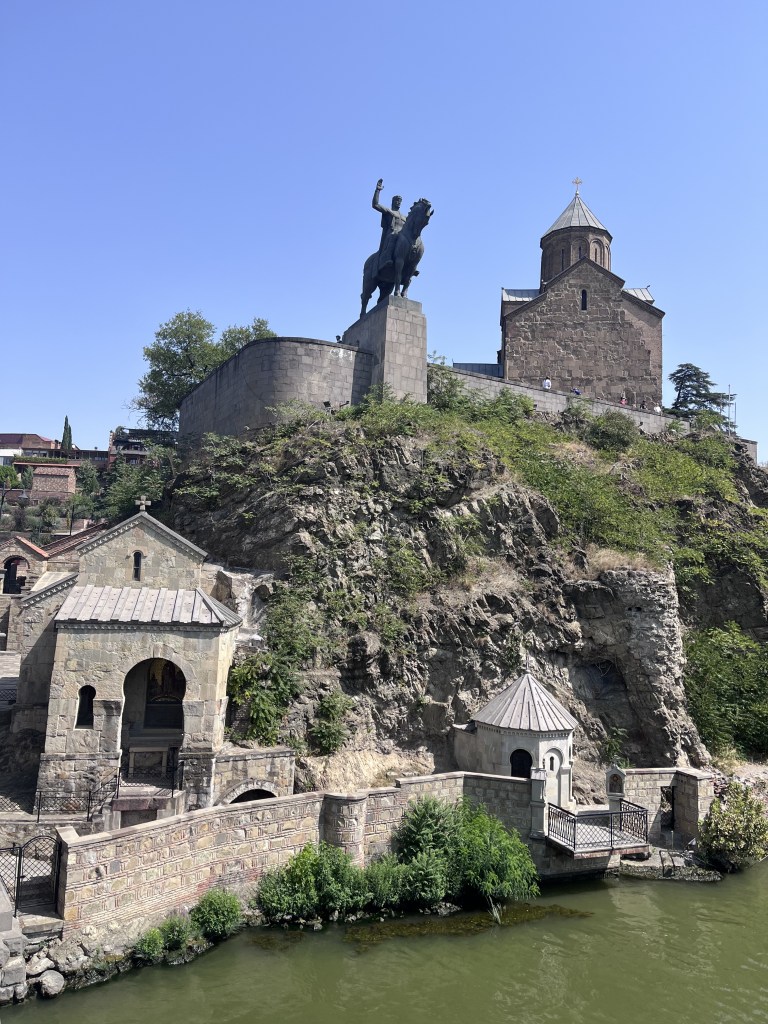
- What Tbilisi is known for: Old balconies, sulphur baths, wine bars, hills, street art, cafés and a strong expat/nomad community.
- Cost level: Still good value, but rents have increased. Expect around $800–$1,200/month depending on rent and lifestyle.
- Where to work: Try Terminal, Impact Hub Tbilisi, LOKAL Tbilisi, Fabrika-style cafés, or laptop-friendly cafés in Vera, Vake and Marjanishvili. One recent guide lists Terminal day passes around 25 GEL and monthly access around 250 GEL.
- Stay at: The Tbilisi Pod for clean beds and kitchen facilities.
- Best neighborhoods: Vera for cafés, Vake for comfort, Marjanishvili for creative energy, Sololaki for atmosphere.
- After work: Wine bars, sulphur baths, Narikala Fortress, Dry Bridge Market, sunset viewpoints.

Working in Batumi
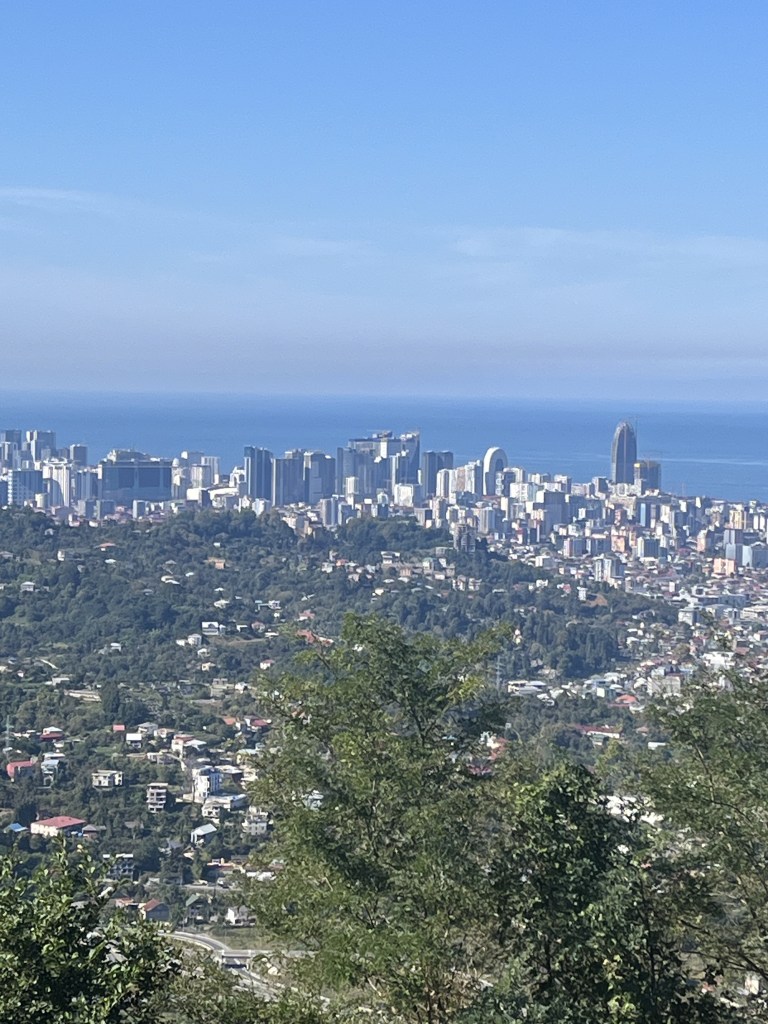
- What Batumi is known for: Black Sea coast, casinos, high-rises, palm trees, rain, cafés and a long waterfront promenade.
- Cost level: Very affordable; recent Batumi nomad estimates range around $803–$886/month.
- Café scene: Batumi has a growing café and coworking scene, especially shaped by international residents and regional expats.
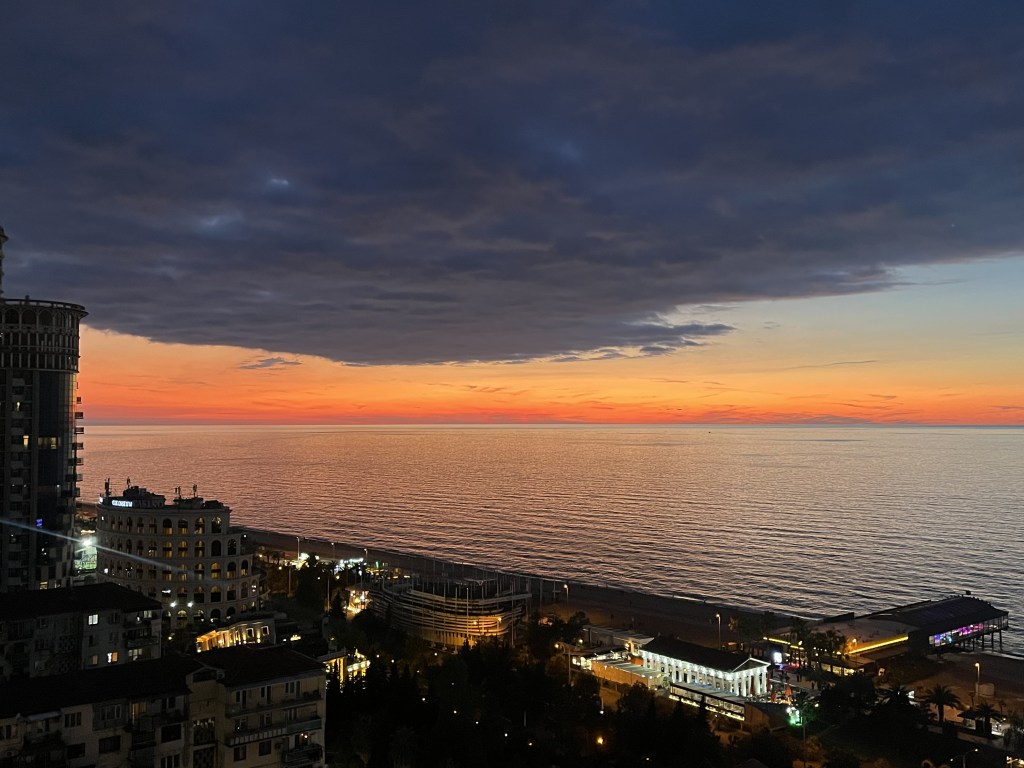
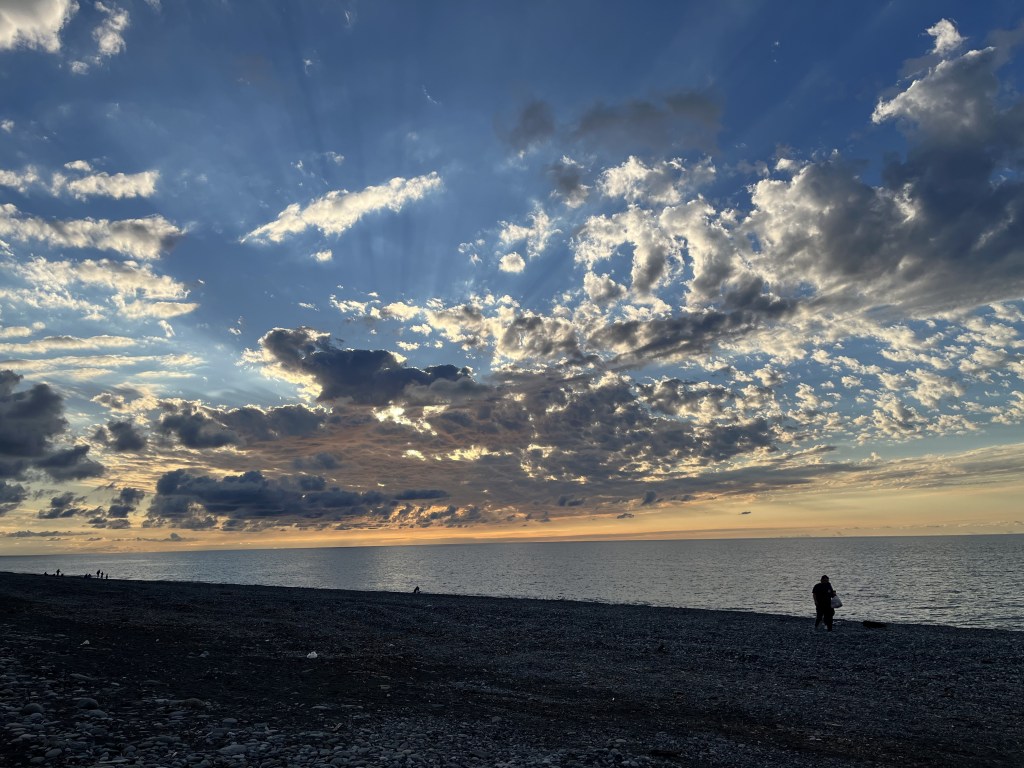
- Best daily routine: Work from cafés, then walk, run or cycle the seaside boulevard. Sources describe Batumi Boulevard as around 7 km long, making it the city’s main outdoor living room.
- Reality check: Cheap and social, but also noisy, wet, traffic-heavy and visually messy in parts. I would stay near the boulevard, not too far inland.

Working in Shuakhevi and the Adjara mountains
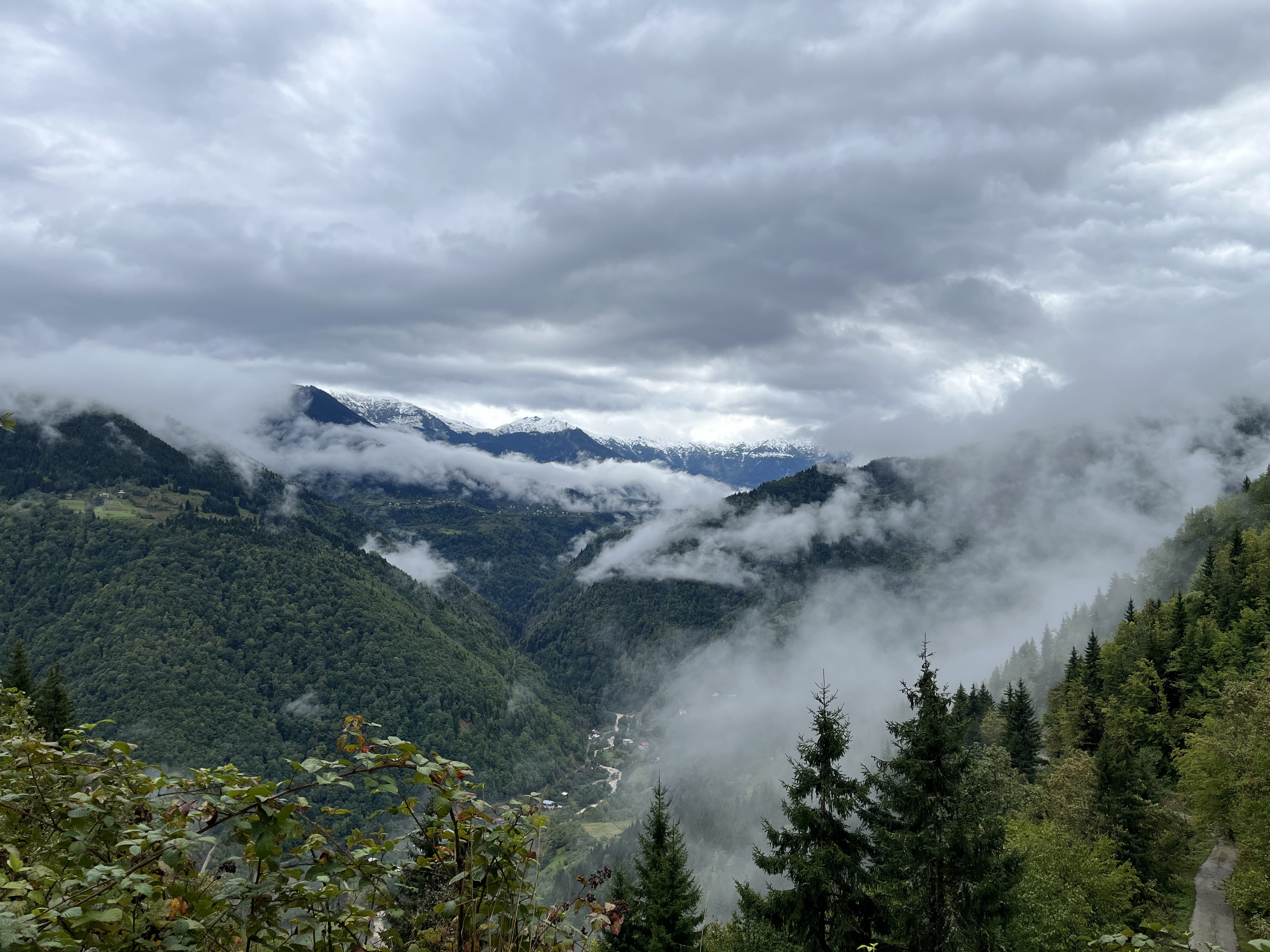
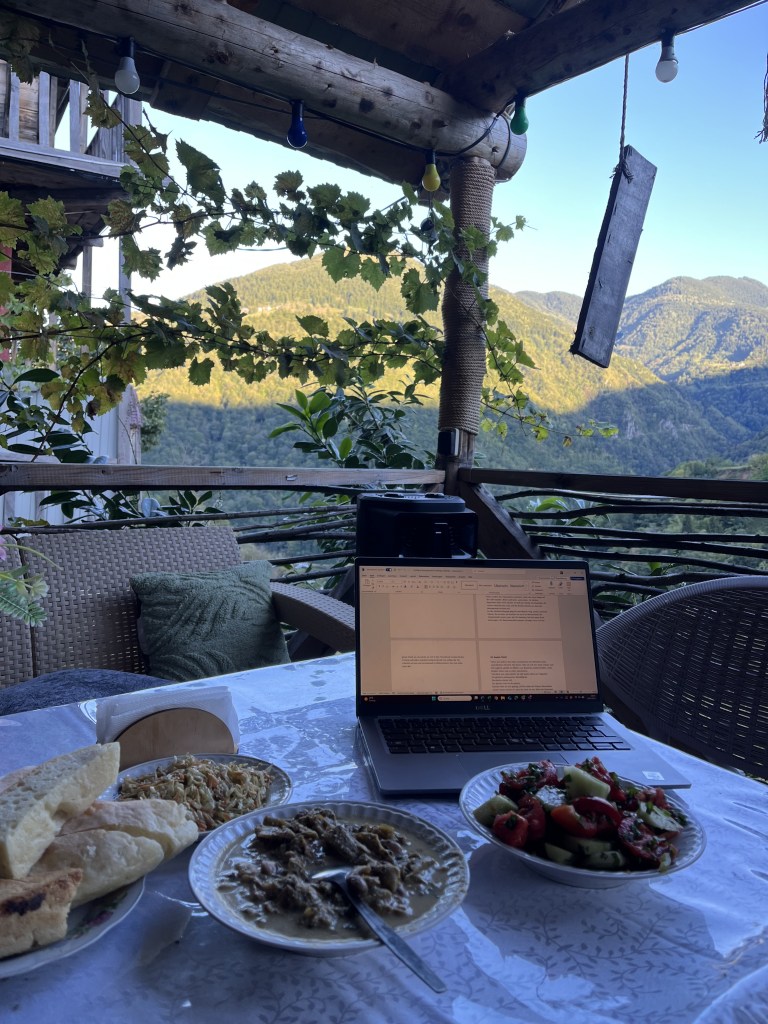
Shuakhevi is not a classic digital nomad base. It is a mountain escape for a few days when you want local life, food, nature and a break from screens.
- What Shuakhevi is known for: Mountain villages, forests, gorges, guesthouses, farming and traditional Adjarian life. The official Adjara tourism site says Shuakhevi is in mountainous Adjara, about 65 km from Batumi, with locals mainly engaged in farming and animal husbandry.
- Where to stay: Choose a local Airbnb or guesthouse and ask about meals, WiFi and transport before booking.
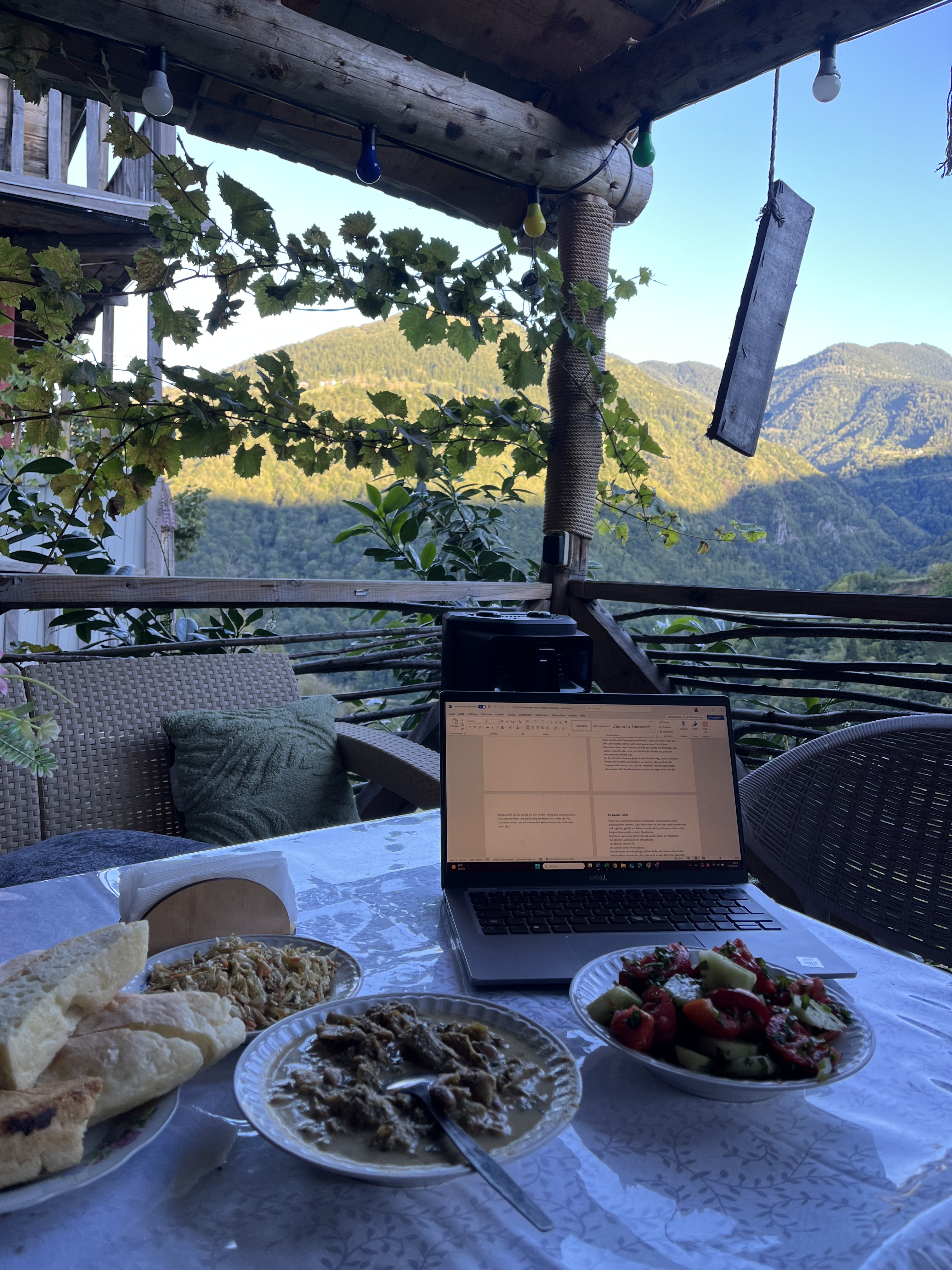
- Best experience: Stay with locals, eat homemade food, walk in the hills, and join seasonal village life if invited. Helping with a corn harvest is exactly the kind of slow-travel moment that makes Georgia special.
- Trips: Chvana and Mareti gorges, Khabelashvilebi, Gomarduli and surrounding villages are listed as key places in the Shuakhevi area.
- Nomad tip: Do not plan heavy work calls here. Use it for writing, offline work, hiking and slowing down.
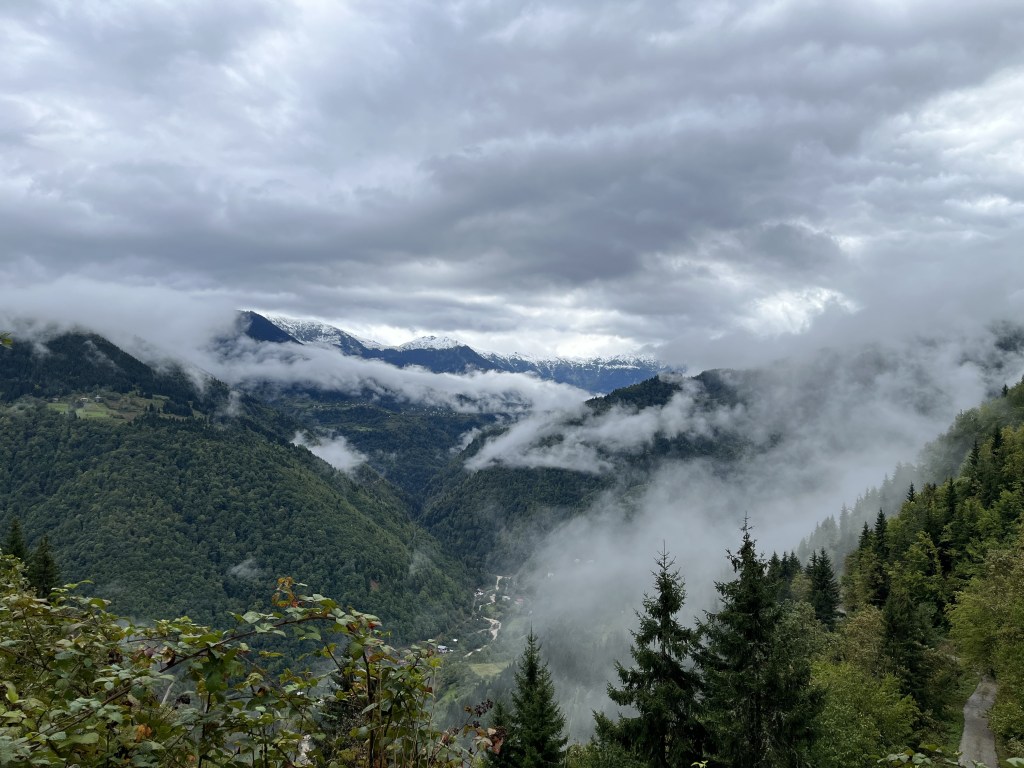
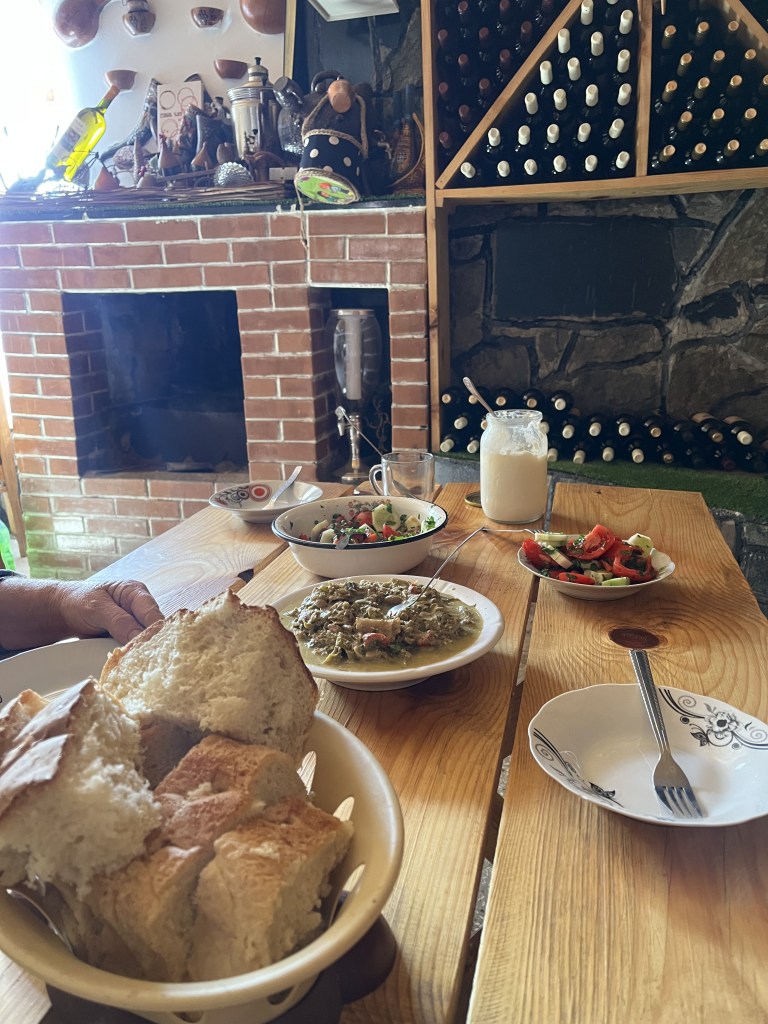
best combination of living and working
I would choose Tbilisi for work and community, Batumi for a cheap seaside month, and Shuakhevi for a mountain reset. The ideal route is Tbilisi first, then Batumi, then a few days in the Adjara mountains with locals.
Best times to travel Georgia
My favorite time for Georgia is May, June, September or October. You get good weather, green mountains or autumn colors, and fewer extremes than midsummer or winter.
- Spring, April to June: Best for Tbilisi, wine bars, cafés and green landscapes.
- Summer, July to August: Good for mountains, but Tbilisi can get hot and Batumi can be humid.
- Autumn, September to October: Best overall for food, wine, harvest season and hiking.
- Winter, November to March: Good for skiing and cheaper city stays, but mountain travel needs more planning.
My top 10 tourist attractions in Georgia
- Eat your way through Tbilisi: Start with khachapuri, khinkali, lobio and Georgian wine.
- Work from Tbilisi cafés: Best base for productivity and social life.
- Visit the sulphur baths: Classic Tbilisi experience after a long travel day.
- Walk Batumi Boulevard: Best free thing to do in Batumi, especially at sunset. Try Batumi cafés: Cheap, relaxed and good for remote work.
- Stay in Shuakhevi: Book a local guesthouse or Airbnb in the Adjara mountains.
- Help with village life: If your hosts invite you, join seasonal work like corn harvest or food preparation.
- Drink Georgian wine: Georgia is one of the world’s oldest wine regions, and natural wine culture is strong.
- Take a mountain trip: Adjara, Svaneti, Kazbegi and Borjomi are all worth longer trips.
Local secrets in Batumi
- Morning life on Batumi Boulevard: Go early, before the city gets loud. The boulevard feels completely different in the morning: locals walking, older men exercising, quiet sea views and empty benches for coffee or journaling.
- The quieter end of the boulevard: Walk away from the central tourist area toward the less polished parts of the seafront. It is better for long calls, running, people-watching and getting a more local feeling of Batumi.
- Batumi Botanical Garden: A peaceful half-day escape north of the city with sea views, shade and walking paths. Go by local bus, Bolt or taxi, and bring water and snacks.
- Local bakeries for Adjarian snacks: Skip expensive tourist restaurants sometimes and look for small bakeries selling fresh bread, lobiani and khachapuri. They are cheap, filling and perfect between work sessions.
- Rainy-day café hopping: Batumi can be gray and wet, so use bad weather as a café day. Pick one café for focused work, then move to another for wine, dessert or people-watching instead of fighting the weather.
Getting there
The main airports are Tbilisi, Kutaisi and Batumi. Tbilisi is best for city life and onward travel. Kutaisi is often useful for budget flights. Batumi works well if you want to start on the Black Sea coast.
For this route, I would fly into Tbilisi, work there first, take the train or bus to Batumi, then organize a local mountain trip to Shuakhevi from Batumi.
Getting around locally
- Tbilisi: Metro, buses, Bolt and walking.
- Tbilisi to Batumi: Train is usually the most comfortable option; buses and marshrutkas also run.
- Batumi to Shuakhevi: Go by marshrutka, bus, private driver or guesthouse-arranged transfer. Shuakhevi is about 65 km from Batumi.
- Mountains: Ask locals before relying on fixed schedules. Transport can be informal.
- Best nomad approach: Use trains between big cities, Bolt inside cities, and local guesthouse help for mountain routes.
Visa: Digital nomad Georgia
Georgia is one of the easiest countries for long-stay nomads because many nationalities can stay visa-free for up to 365 days. This applies to citizens of 98 countries, including EU countries, the UK, USA, Canada, Australia, New Zealand, Japan and South Korea.
For most nomads, this is simpler than applying for a formal digital nomad visa. Be aware that tax residency may become relevant after 183 days, so speak to a local accountant if you plan to stay long term or register as self-employed
Local food and vegetarian options
- Khachapuri: Cheese-filled bread; try Adjarian khachapuri in Batumi.
- Khinkali: Georgian dumplings, usually meat-filled but sometimes available with mushrooms, potato or cheese.
- Lobio: Bean stew, one of the best vegetarian staples.
- Pkhali: Vegetable and walnut spreads, often vegan-friendly.
- Badrijani nigvzit: Eggplant rolls with walnut paste.
- Ajapsandali: Georgian vegetable stew.
- Churchkhela: Grape-and-walnut snack, good for hiking days.
- Georgian wine: Try amber wine and local qvevri wines.
- Tonis puri: Fresh bread from a traditional oven.
- Adjara food: In the Batumi/Shuakhevi region, expect heavier dairy, corn-based dishes, mountain food and homemade meals.

Sustainable travel in Georgia
Georgia is best experienced slowly. Stay longer in apartments and guesthouses, use trains between cities, support family-run stays in mountain regions, and do not treat rural life like a photo prop.
In Shuakhevi and other mountain areas, pay fairly for local stays, ask before taking photos of people, accept hospitality respectfully, and avoid leaving trash on trails. If you join a harvest or farm activity, treat it as cultural exchange, not free entertainment.
A good sustainable route is simple: Tbilisi for work, train to Batumi, local guesthouse in Shuakhevi, then back to the city only when you need reliable WiFi again.
What experiences have you had in Georgia? Share them in the comments below!
Continue reading
Living the dream life on the beach, sipping mango juice, needs to be funded. Even though the cost of living in Southeast Asia is cheaper than in many Western countries, you still need to cover the travel expenses to get there.

Maybe you already have a dream destination in mind, which makes the decision easy. However, there are a few prerequisites you should check before booking your flights. I’ve summarized the most important ones here.
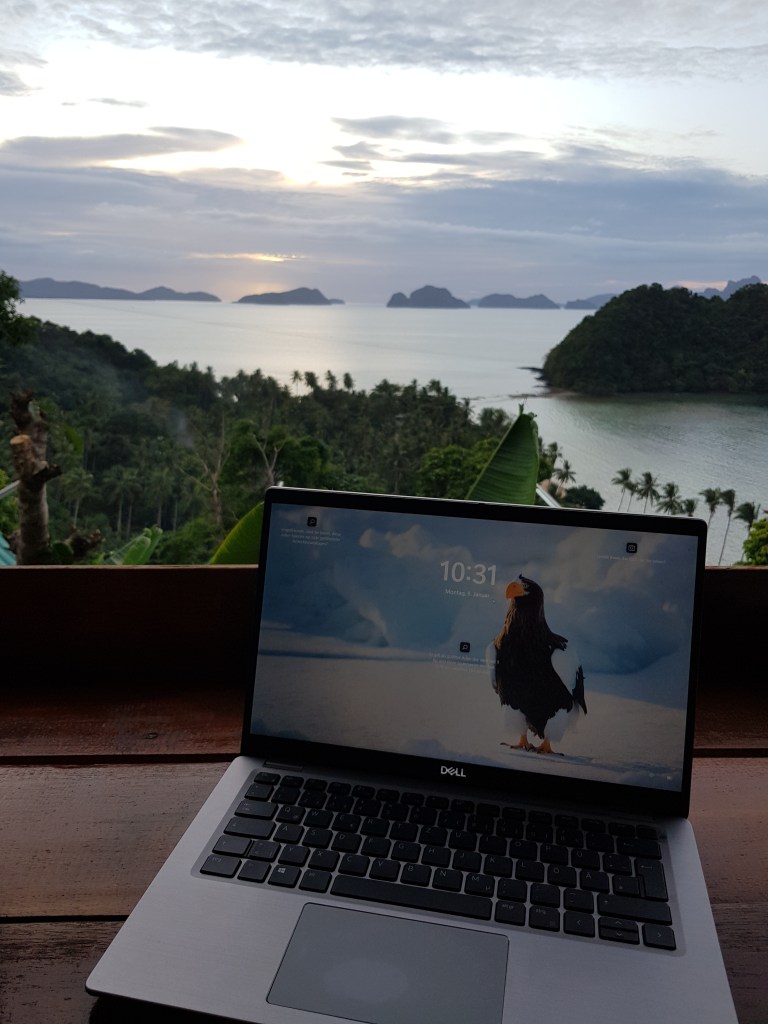
Not every job can be done from abroad. Even for roles that are fully computer-based, some employers still prefer their employees to work from the office. Here’s what I’ve learned along the way!
 Solo Nomad Travels
Leave a comment