Romania is still strangely underrated. Most nomads talk about Portugal, Spain or Bulgaria, but Romania gives you fast internet, low costs, big-city cafés, Transylvanian villages, mountains, forests and countryside that feels genuinely different from the usual remote-work circuit.
Key aspects for digital nomads
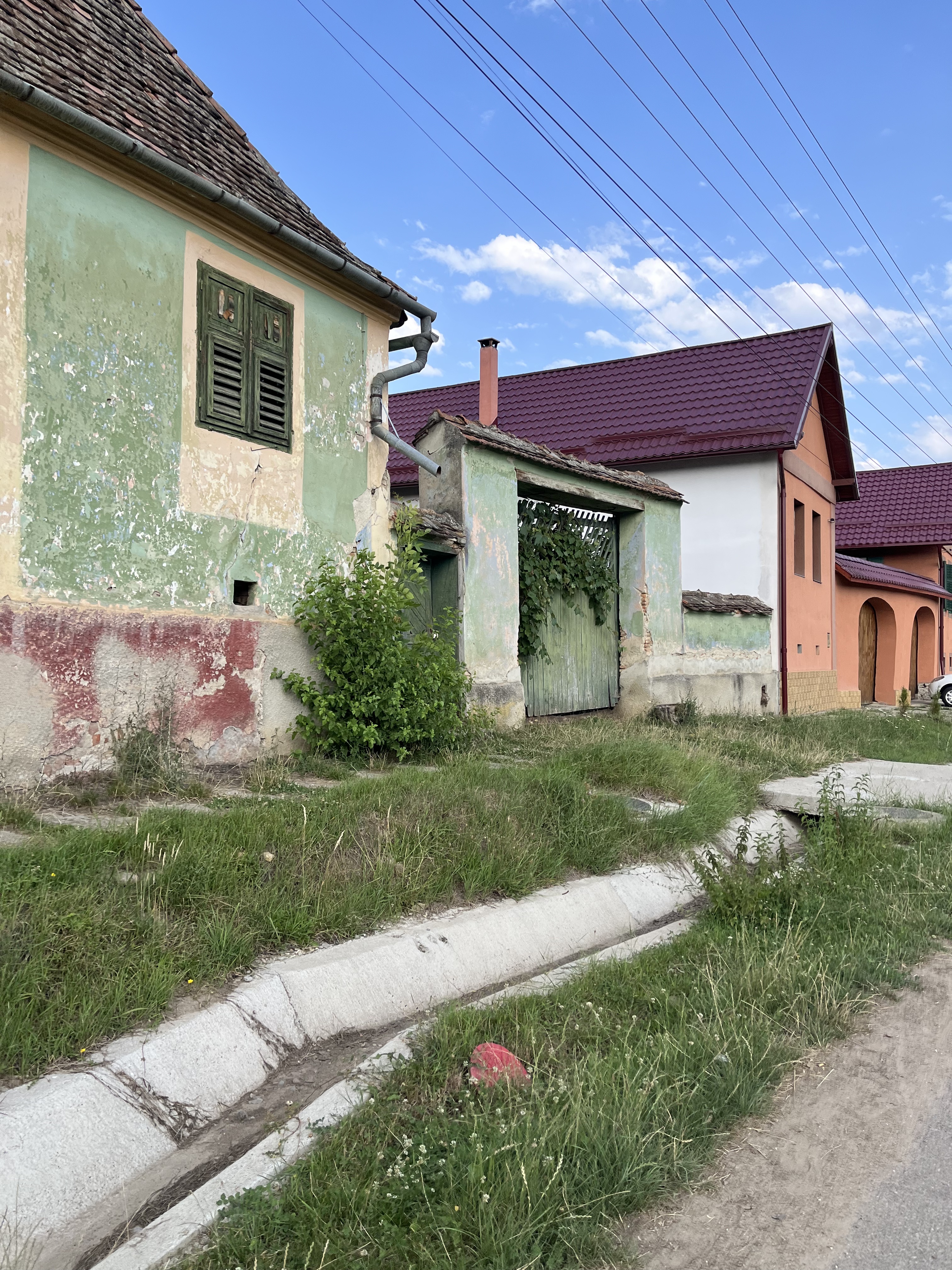
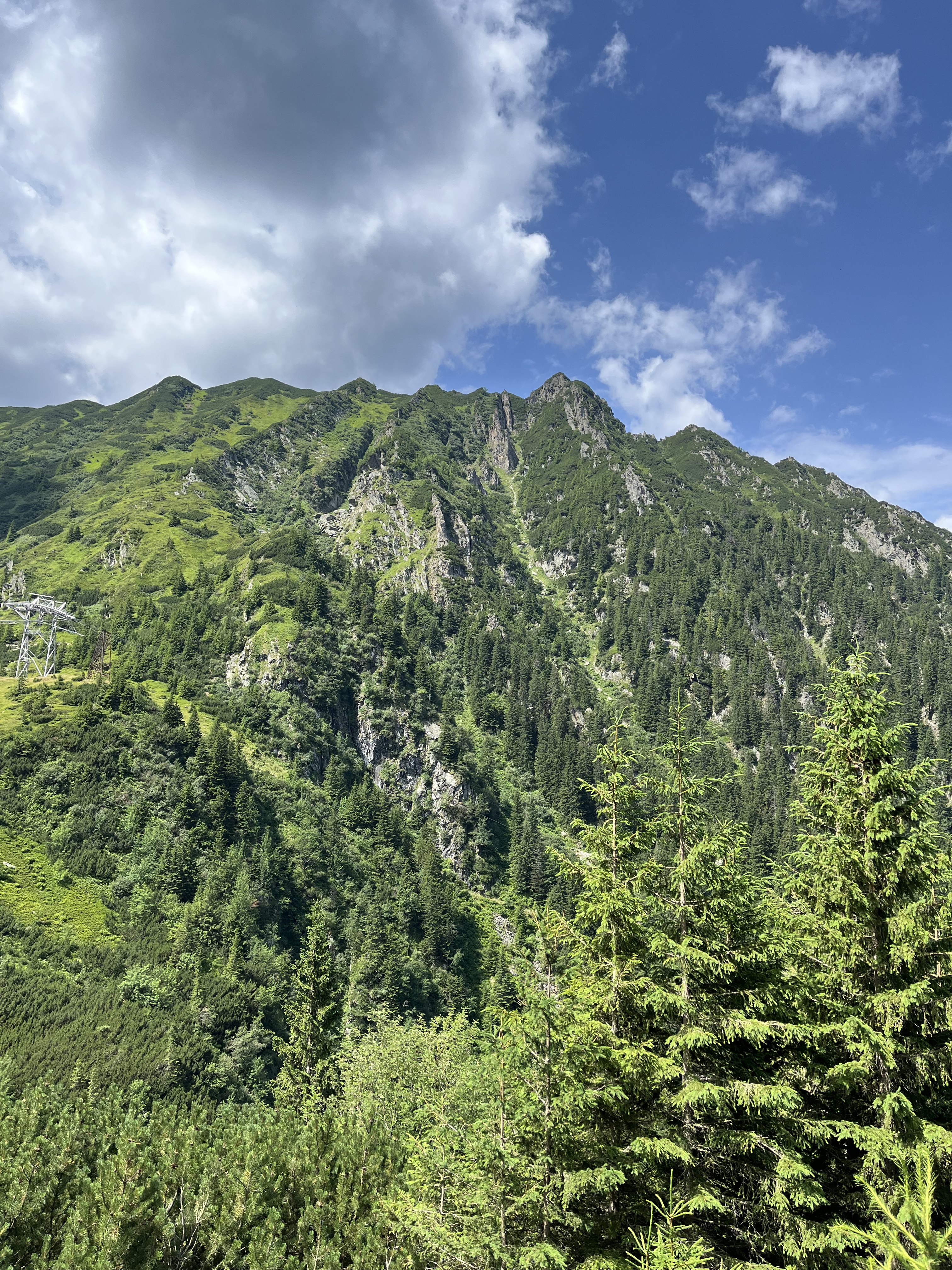
For me, the magic is outside the obvious city route: old Saxon villages, fortified churches, slow trains, mountain towns and the Carpathians. Romania is a good choice if you want Europe, but not the same Europe everyone else is posting about.
- Cost of living: Around €800–€1,400/month in Bucharest; Sibiu can be similar or slightly cheaper outside peak season.
- WiFi reliability: Very good, especially in Bucharest, Sibiu and coworking spaces.
- Language: Romanian; English is common in cafés, hostels and among younger people.
- Food: Meat-heavy, but Bucharest has vegan options; Sibiu is easier if you cook.
- Accommodation: Good value in hostels and apartments; book Sibiu early in summer or festival season.
- Getting there: Fly into Bucharest for best connections, or Cluj/Sibiu for Transylvania.
- Getting around: Trains and buses work for cities; rent a car for Saxon villages and countryside.
- People: Friendly, direct and easy to meet through hostels, cafés and walking tours. #
- Gyms: Day passes usually around €5–€10 in cities.
- Visa: Romania is Schengen; the 90/180-day rule applies.
- Best for: Nomads who want fast WiFi, affordable cities, mountains and underrated countryside.
Best places to live, work, and explore
Working in Sibiu
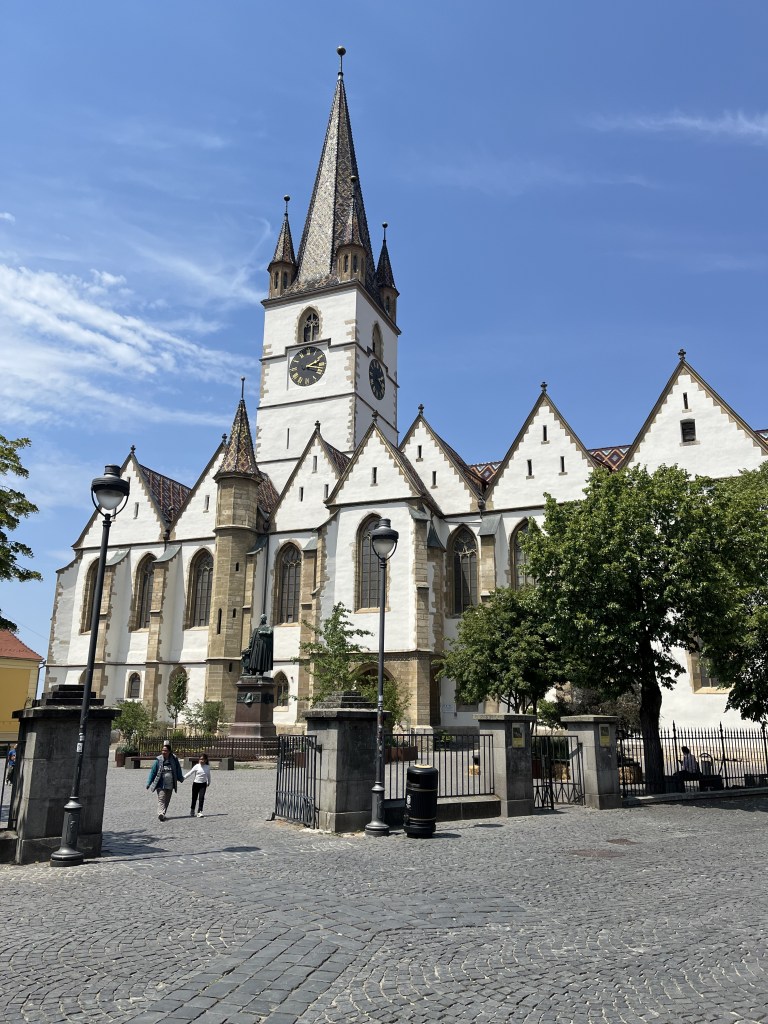
Sibiu is my top Romania pick for slower digital nomads. It is compact, beautiful and practical: medieval squares, cafés, walkable streets and easy access to Transylvania’s countryside.
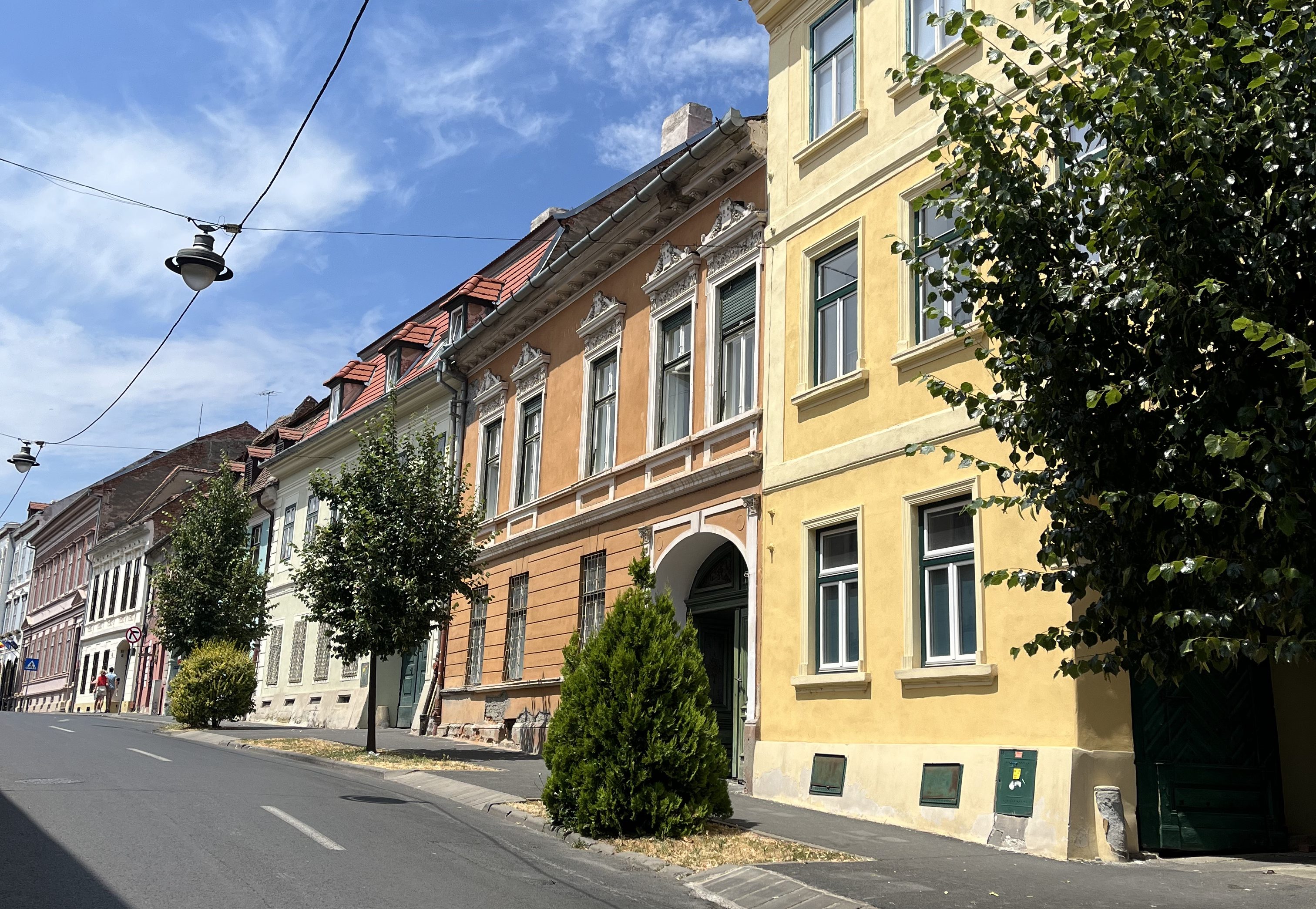
- What Sibiu is known for: Sibiu, or Hermannstadt in German, was one of the most important cities of the Transylvanian Saxons and one of the historic “seven citadels” of Transylvania. Romania Tourism describes it as the largest and wealthiest of the seven walled citadels founded in the 12th century by German settlers.
- Cost level: More affordable than most Western European small cities, but prices rise during festivals and summer.
- Where to work: Try Lumos Coffee and Brunch, media.coffeespot, NOD Prăjitoria de Cafea or Erasmus Bookcafe. Laptop-friendly café directories list Sibiu options with WiFi, seating and outlets.
- Coworking:Coworking Sibiu is a modern workspace on Calea Șurii Mici nr. 6 with 180 sqm of office space.
- What to do after work: Walk the old town, visit the Bridge of Lies, climb the Council Tower, or take weekend trips to Saxon villages and fortified churches.
- Best nomad tip: Stay central if you do not have a car. Sibiu is walkable, and a local guide notes that public transport is modern but often unnecessary inside the city.
Working in Bucharest
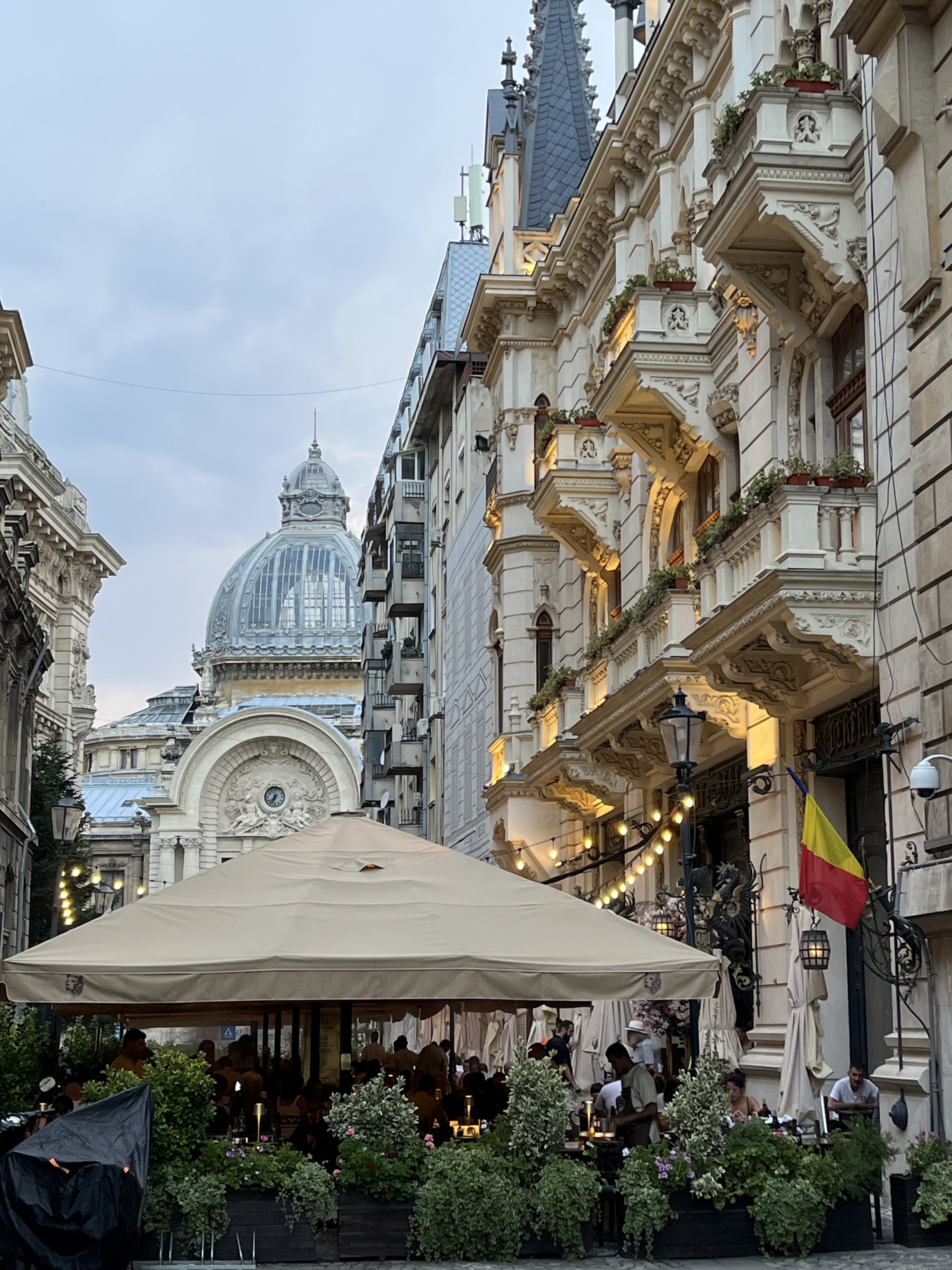
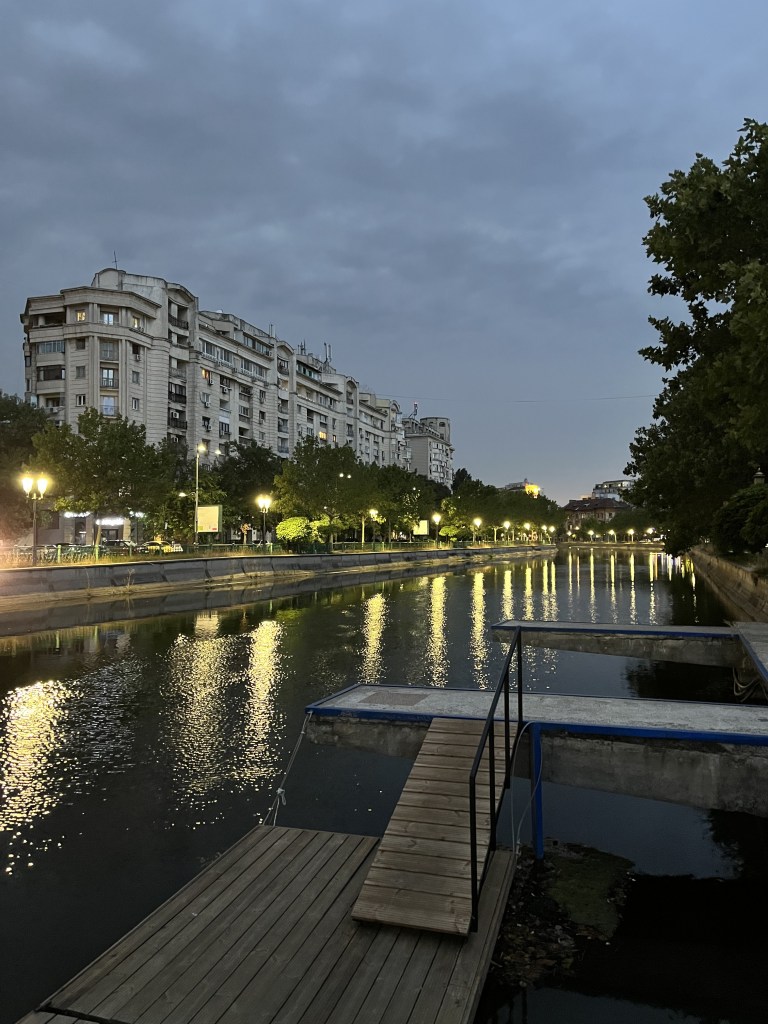
Bucharest is louder, bigger and less polished than Sibiu, but it is practical: cheapish accommodation, strong cafés, nightlife, free walking tours, coworking and good international connections.
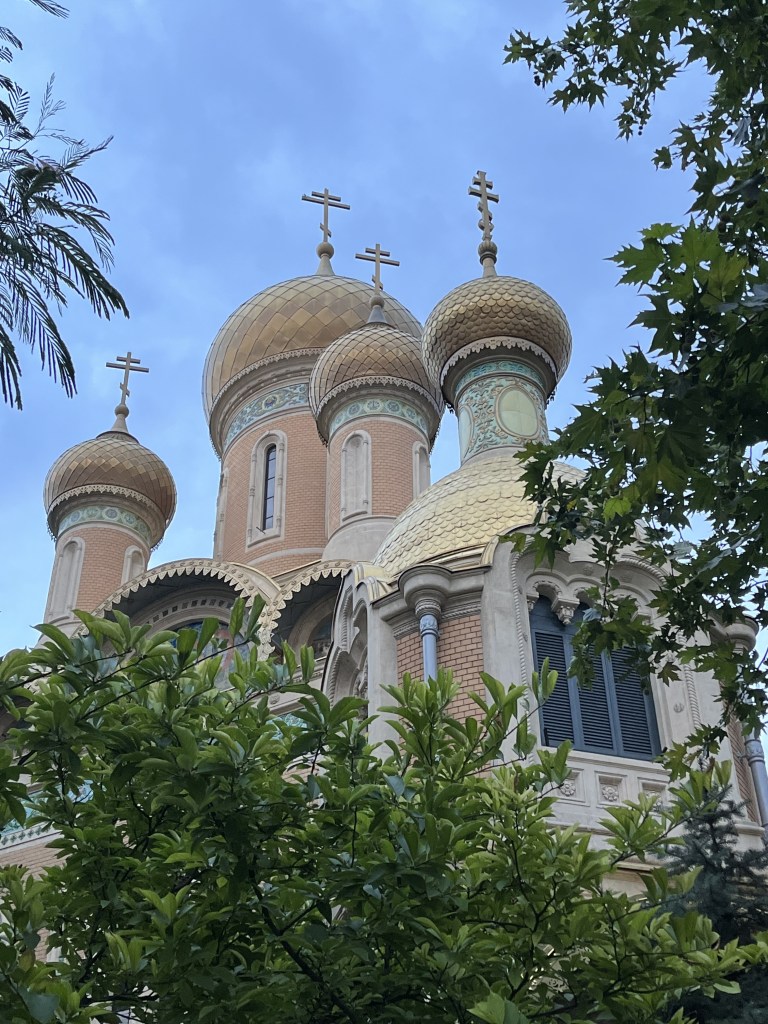
- What Bucharest is known for: Big boulevards, Belle Époque buildings, communist architecture, cafés, nightlife and a chaotic but interesting urban energy.
- Cost level: Good value for an EU capital. One 2026 estimate puts a single digital nomad budget around $1,090/month, including rent, coworking, food, transport and gym.
- Where to stay: Hostel Sport Bucharest is a practical budget base with free WiFi, air-conditioning, lounge, shared kitchen, garden and terrace. Booking lists its location score at 9.1, which is useful for solo travelers.
- Where to work: Bucharest has a strong café scene. Look around Calea Victoriei, Old Town, Tineretului, Floreasca and Dorobanți for cafés and coworking.
- Free walking tour: Walkabout Free Tours Bucharest runs free walking tours covering around 500 years of history, from Vlad the Impaler to communism, the 1989 Revolution and modern protests.
- After work: Walk Calea Victoriei, visit the Old Town, chill in Cișmigiu Gardens or Tineretului Park, and use Bucharest as your transport hub.
Working in Transylvanian countryside
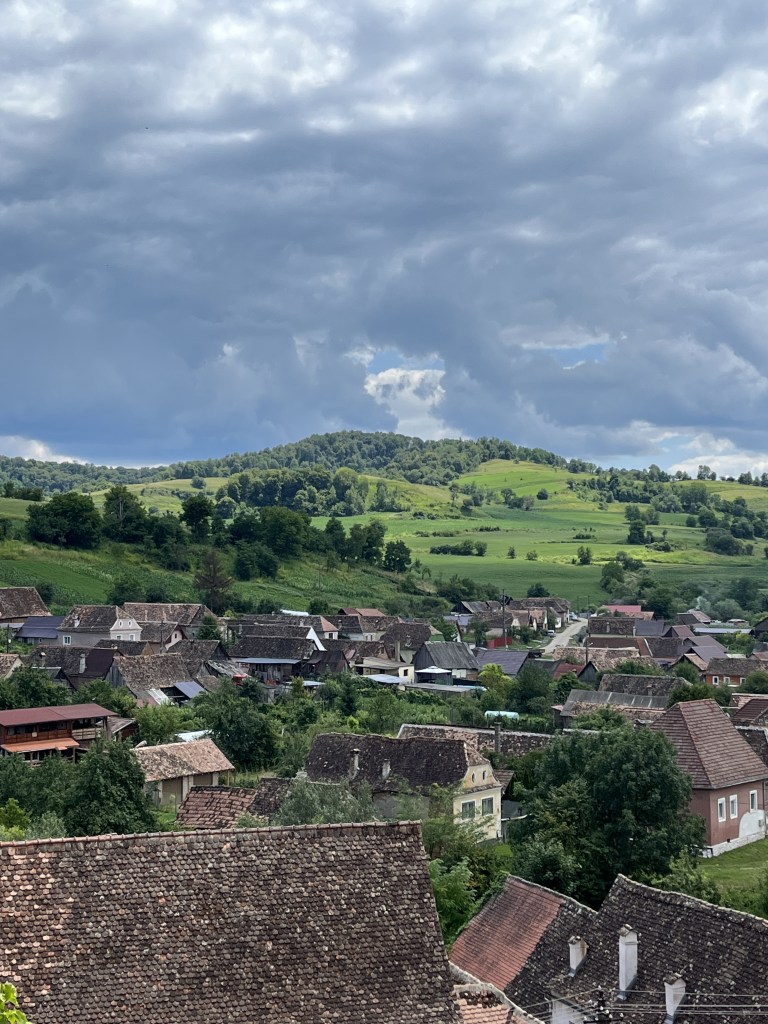
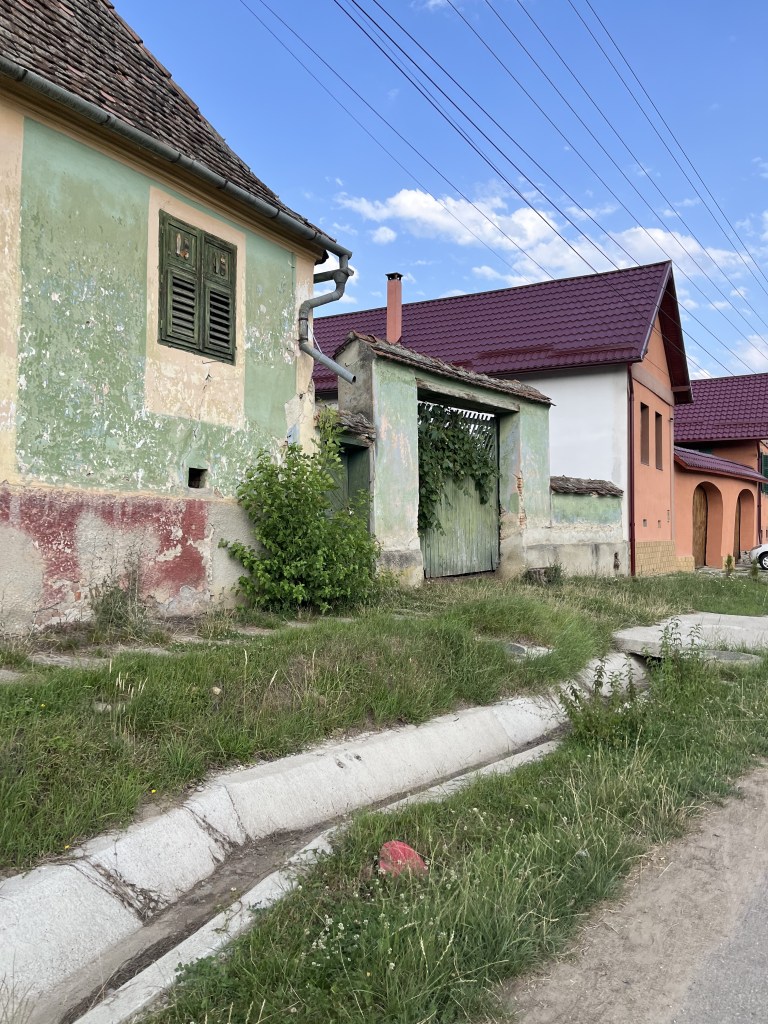
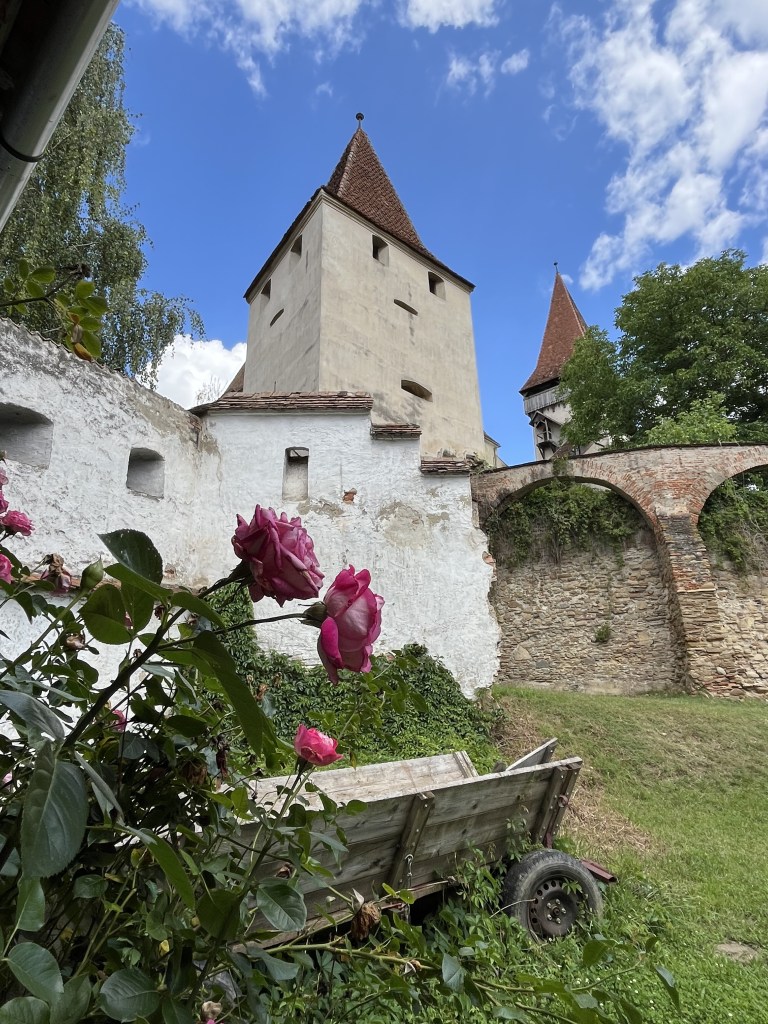
This is the part of Romania that is really special and still not on everyone’s radar. Think villages, fortified churches, guesthouses, hay meadows, forests and slow mornings.
Transport tip: Rent a car for 2–4 days if you want to properly explore villages and fortified churches.
What the region is known for: The Transylvanian Saxons were German-speaking settlers who arrived from the 12th century onward and built towns, fortified churches and village communities across the region. Today, only a small Saxon population remains in Romania after major emigration during and after the communist period.
Best base: Sibiu or Brașov first, then a few days in villages such as Viscri, Biertan, Mălâncrav or Richiș.
Nomad reality: Great for writing, strategy work and slow travel; not ideal for daily calls unless your guesthouse confirms WiFi speed.
Best times to travel Romania
My favorite months for Romania are May, June, September and early October. The weather is comfortable, the countryside is green or golden, and you avoid the strongest summer heat.
- Spring, April to June: Best for Sibiu, countryside, cafés and hiking.
- Summer, July to August: Good for mountains, but hot in Bucharest and busier in tourist towns.
- Autumn, September to October: Best all-round period for Transylvania.
- Winter, November to March: Cheap and atmospheric, but colder; mountain trips need more planning.
My top 10 tourist attractions in Romania
- Free walking tour in Bucharest: Best first-day orientation.
- Work from Sibiu cafés: Compact, pretty and easier to focus than Bucharest.
- Explore Transylvanian Saxon villages: Visit fortified churches and countryside guesthouses.
- Visit Brașov: Good for mountains, cafés and a weekend outside Bucharest.
- See the Carpathian Mountains: This is the big mountain system in Romania where brown bears live.
- Do not feed bears: Romania has serious human-bear conflict, and recent reports highlight attacks and official warnings not to approach or feed bears.
- Take trains slowly: Good for major cities, less good if you are in a hurry.
- Rent a car for villages: Especially useful in rural Transylvania.
- Visit fortified churches: Biertan, Viscri and nearby Saxon villages are the classic route.
- Chill in parks: Bucharest has Cișmigiu and Tineretului; Sibiu has easy green escapes nearby.
Getting there
Fly into Bucharest for the best connections. Sibiu and Cluj-Napoca are better if you want to start directly in Transylvania, but routes are more limited.
For a simple nomad route: Bucharest → Sibiu → Brașov → Transylvanian countryside → Bucharest or Cluj.
Getting around locally
- Train: Good between Bucharest, Brașov, Sibiu and Cluj, but not always fast.
- Bus: Useful for routes where trains are awkward.
- Car rental: Best for Saxon villages, fortified churches and countryside stays.
- Cities: Bucharest has metro, trams and buses. Sibiu is mostly walkable.
- Sustainable choice: Use trains for city-to-city travel, then rent a car only for rural days.
Visa: Digital nomad Romania
Romania is now fully in Schengen, so short-stay travelers need to count Romanian days within the 90 days in any 180-day Schengen limit. The European Commission confirms Romania became a full Schengen member on 1 January 2025.
Romania also has a long-stay route for digital nomads. The official Romanian eVisa portal is the starting point for visa applications, while the Ministry of Foreign Affairs explains long-stay visa categories. For remote-worker specifics, check the nearest Romanian consulate because requirements and income thresholds are frequently updated.
Local food and vegetarian options
- Zacuscă: Vegetable spread, often vegan and great with bread.
- Fasole bătută: Mashed bean dip, usually a safe vegetarian option. Mămăligă: Polenta; ask what it is served with.
- Ciorbă de legume: Vegetable soup; check if it uses meat stock.
- Salată de vinete: Eggplant spread; often vegetarian, sometimes vegan.
- Supermarket tip: Bucharest is easiest for vegan products. In Sibiu and smaller towns, cook simple meals with beans, vegetables, bread, spreads and fruit.
- Desserts: Papanași, cozonac and kürtőskalács; not vegan, but worth knowing if you eat dairy/eggs.
Sustainable travel in Romania
Romania rewards slow travel. Stay longer in one base, take trains where possible, support rural guesthouses and avoid treating bear areas like a safari.
A strong local conservation initiative is Foundation Conservation Carpathia, which works to restore ecosystems in the Southern Romanian Carpathians and aims to create a large wilderness reserve supporting large carnivores and natural processes.
Most important rule: in the Carpathians, never feed bears. Feeding makes bears associate humans with food, increases conflict and can get both people and animals killed.
What experiences have you had in Romania? Share them in the comments below!
Continue reading
Living the dream life on the beach, sipping mango juice, needs to be funded. Even though the cost of living in Southeast Asia is cheaper than in many Western countries, you still need to cover the travel expenses to get there.

Maybe you already have a dream destination in mind, which makes the decision easy. However, there are a few prerequisites you should check before booking your flights. I’ve summarized the most important ones here.
Not every job can be done from abroad. Even for roles that are fully computer-based, some employers still prefer their employees to work from the office. Here’s what I’ve learned along the way!
 Solo Nomad Travels
Leave a comment